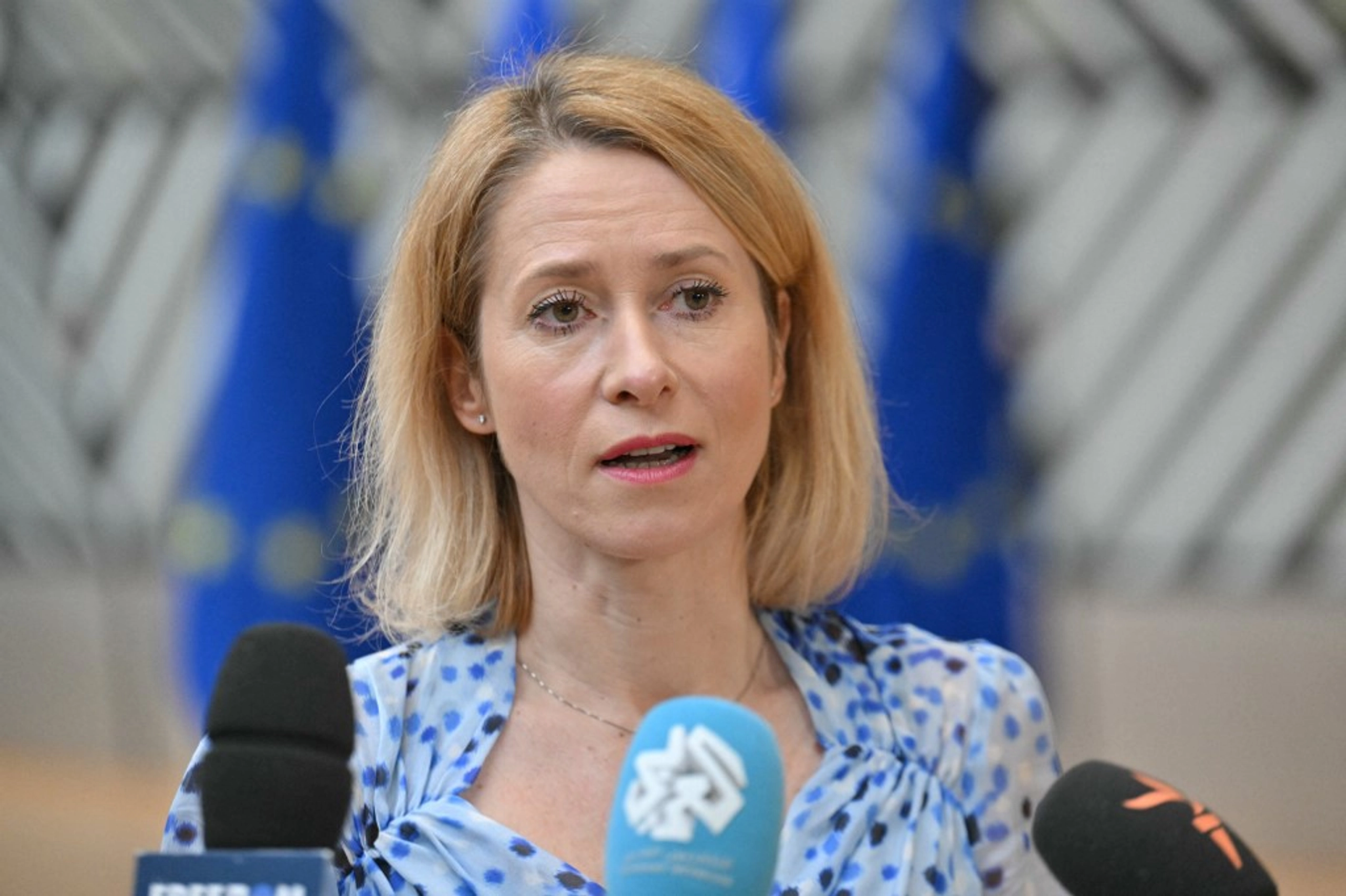
The EU’s top diplomat Kaja Kallas said Ukraine’s allies will soon set up a special tribunal to try the Russian leadership for their crimes in Ukraine.
According to AFP, Kallas said the formal endorsement would come on Friday, when several EU foreign ministers would visit Lviv in western Ukraine.
JOIN US ON TELEGRAM
Follow our coverage of the war on the @Kyivpost_official.
Kallas’s comments came just weeks after the International Criminal Court (ICC) had reportedly established a special tribunal to address Moscow’s crime of aggression against Ukraine – a specific category of international crime if one state illegally wages war against another.
However, it is unclear if the special tribunal Kallas referred to is the same as that of the ICC.
What is a special tribunal?
This is an ad hoc international court established to prosecute individuals for serious crimes such as war crimes, crimes against humanity, or crimes of aggression when existing courts lack jurisdiction or capacity.
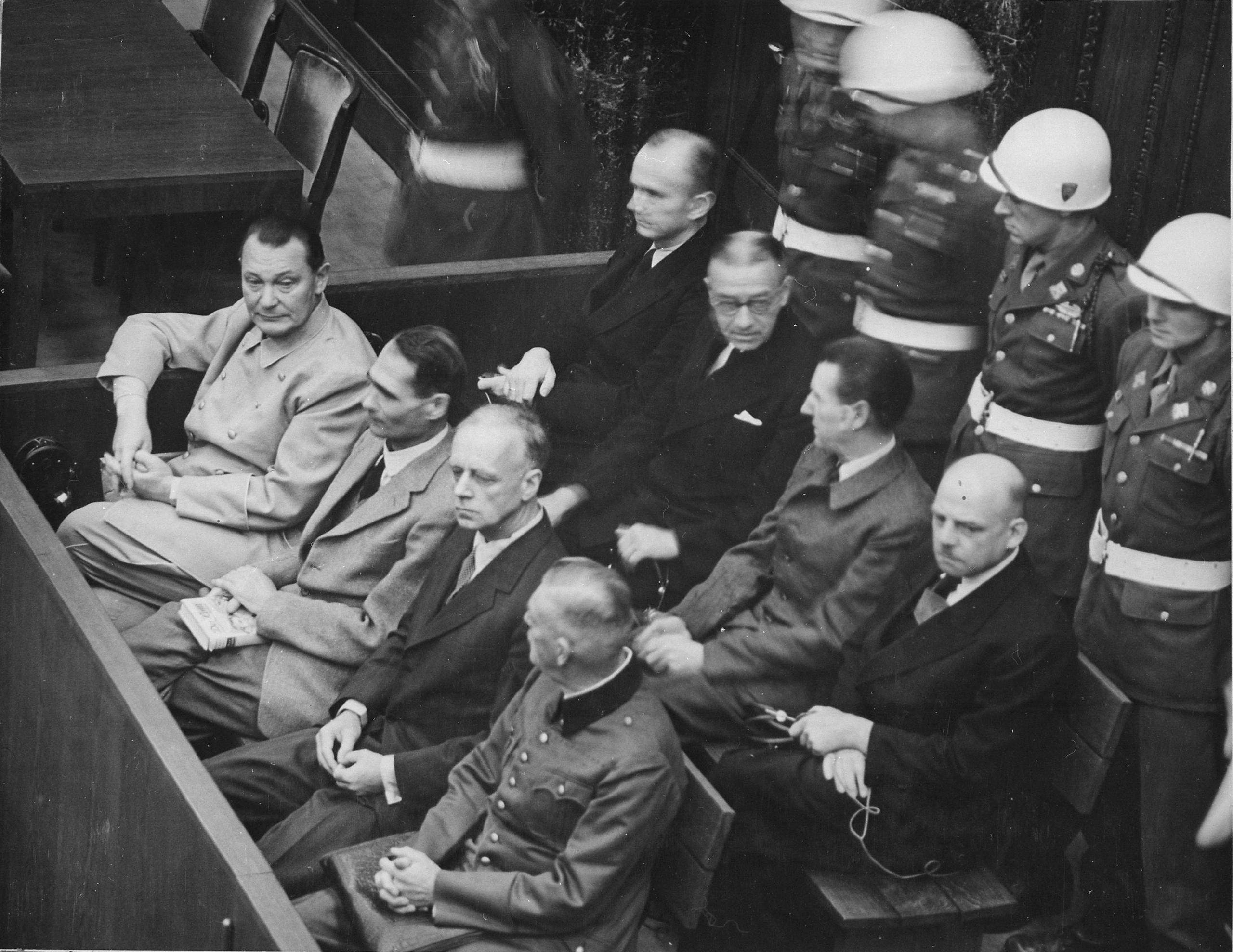
Past examples include the International Criminal Tribunal for the former Yugoslavia (ICTY) formed by the UN for those responsible for war crimes committed during the Balkan Wars of the 1990s, or the International Military Tribunal (IMT) after WWII – commonly known as the Nuremberg trials – responsible for prosecuting key figures of the Nazi regime.
EU Extends Temporary Protection for Ukrainians, Excludes Draft-Age Men
Why does Ukraine need a special tribunal?
Existing legal complexity and jurisdiction mean Ukraine cannot prosecute another nation’s leadership responsible for certain crimes due to immunity and a lack of jurisdiction.
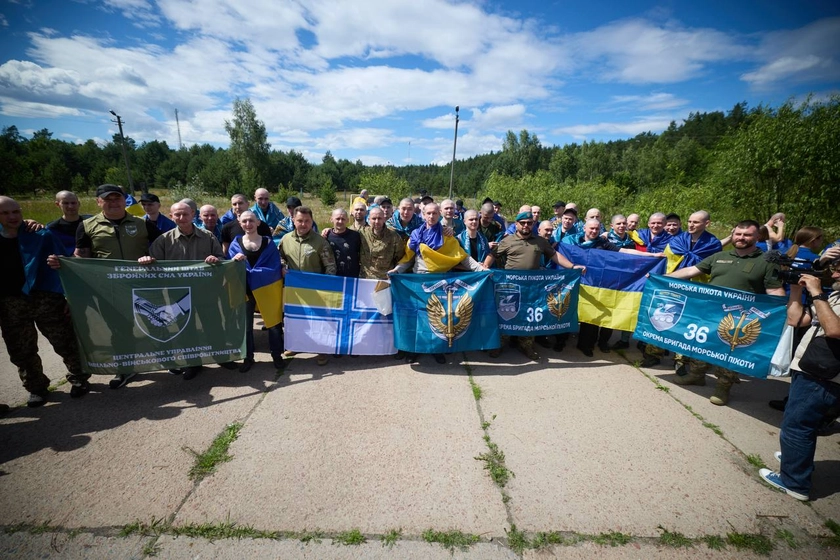
While war crimes, such as the execution of prisoners of war (POWs), can be and have been pursued via national jurisdiction often in the form of trial and charges in absentia, the so-called “Troika” – the president, prime minister and minister of foreign affairs of a nation – cannot be prosecuted by another nation’s national court.
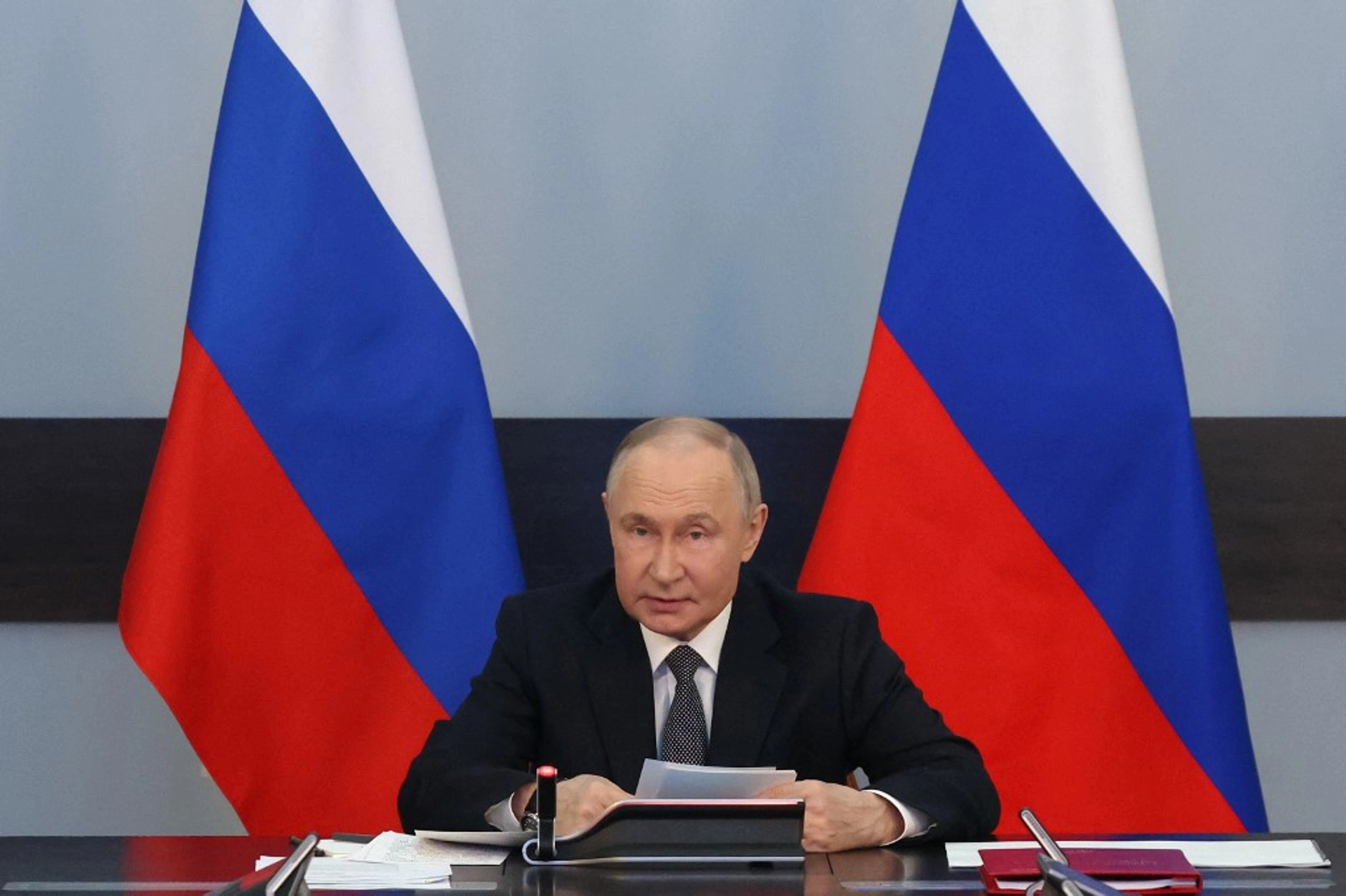
For instance, Ukraine has in March issued charges in absentia for two Russian generals allegedly responsible for a strike on a theater in Chernihiv under the Criminal Code of Ukraine, namely “violation of the laws and customs of war committed by a group of persons in prior conspiracy” – but customary international law prevents Ukraine from pursuing charges against the Russian leadership.
At the same time, charges such as crimes against humanity or crimes of aggression are pursued against a nation’s leadership, and thus, a different court is required to prosecute such crimes.
“If the Security Council does not act, only a special international tribunal for the crime of aggression against Ukraine can overcome the immunity conundrum and prosecute Russia’s top leadership for the mother of all crimes – the crime of aggression,” Ambassador Rein Tammsaar, Estonia’s Permanent Representative to the UN since August 2022, wrote in May 2023.
Who will enforce the law?
Other countries – if they feel like it.
The courts themselves cannot enforce the ruling, and it requires countries to enforce it – if the countries decide not to, such as when Mongolia refused to honor the ICC’s arrest warrant on Putin when he visited the country, nothing will happen.
“It [the ICC] doesn’t have a police force. The court relies solely on the good faith efforts of states in the international community to support the court’s decisions and requests,” International Bar Association Executive Director Mark Ellis told Kyiv Post at the time.
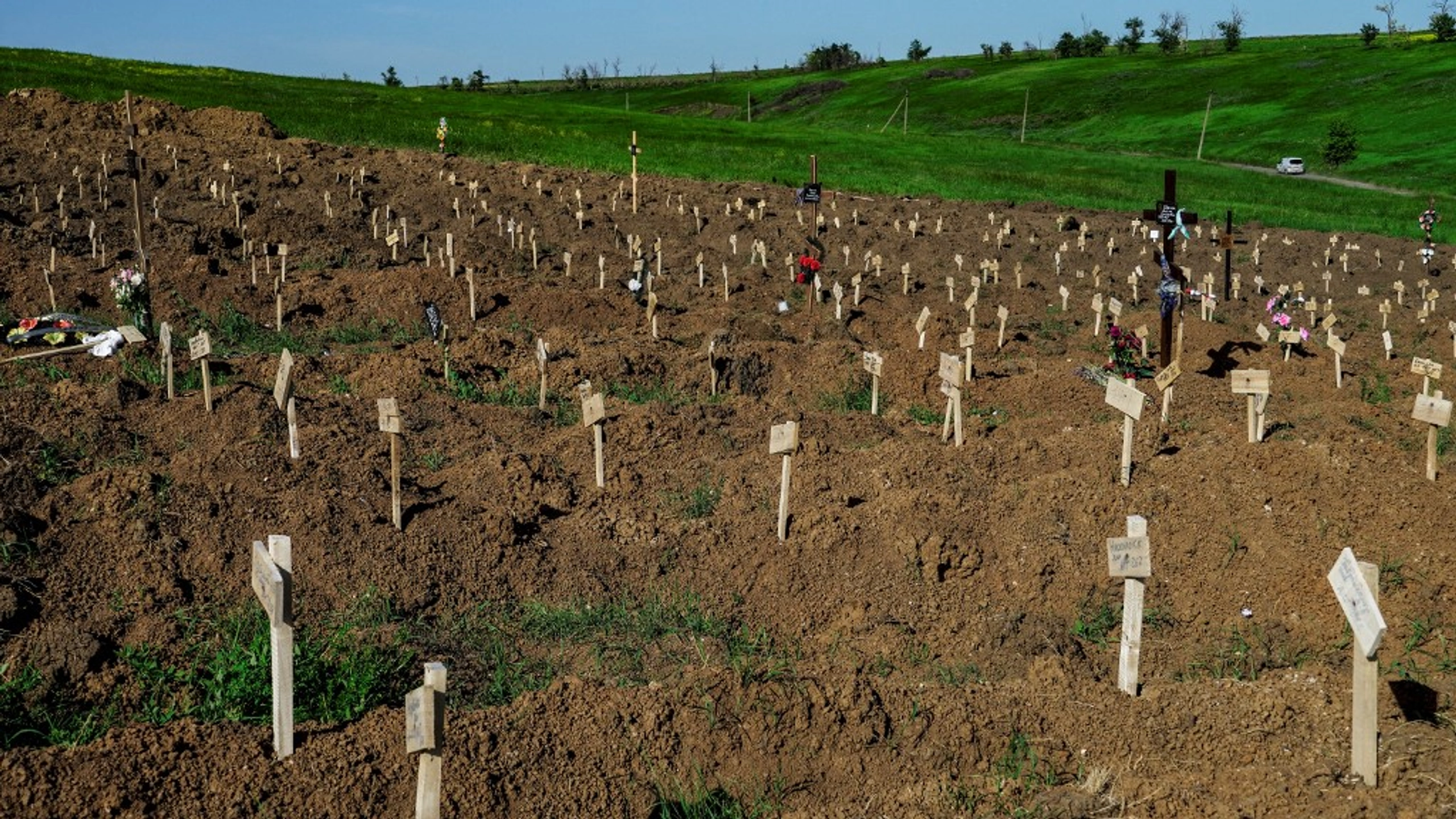
The same goes for rulings under other jurisdictions, be it national or under a special tribunal.
Many have described war crime prosecution as a long game based on historical precedents – such as the trial of Ratko Mladić, a former Bosnian Serb commander who was tried for his crimes in 2017, almost two decades after the Balkan Wars ended.
When it comes to rulings under Ukraine’s national jurisdiction – such as the warrants in absentia pertaining to the execution of prisoners of war (POWs) committed by Russian troops – that would rely on Ukraine’s allies to potentially apply it sometime in the future.
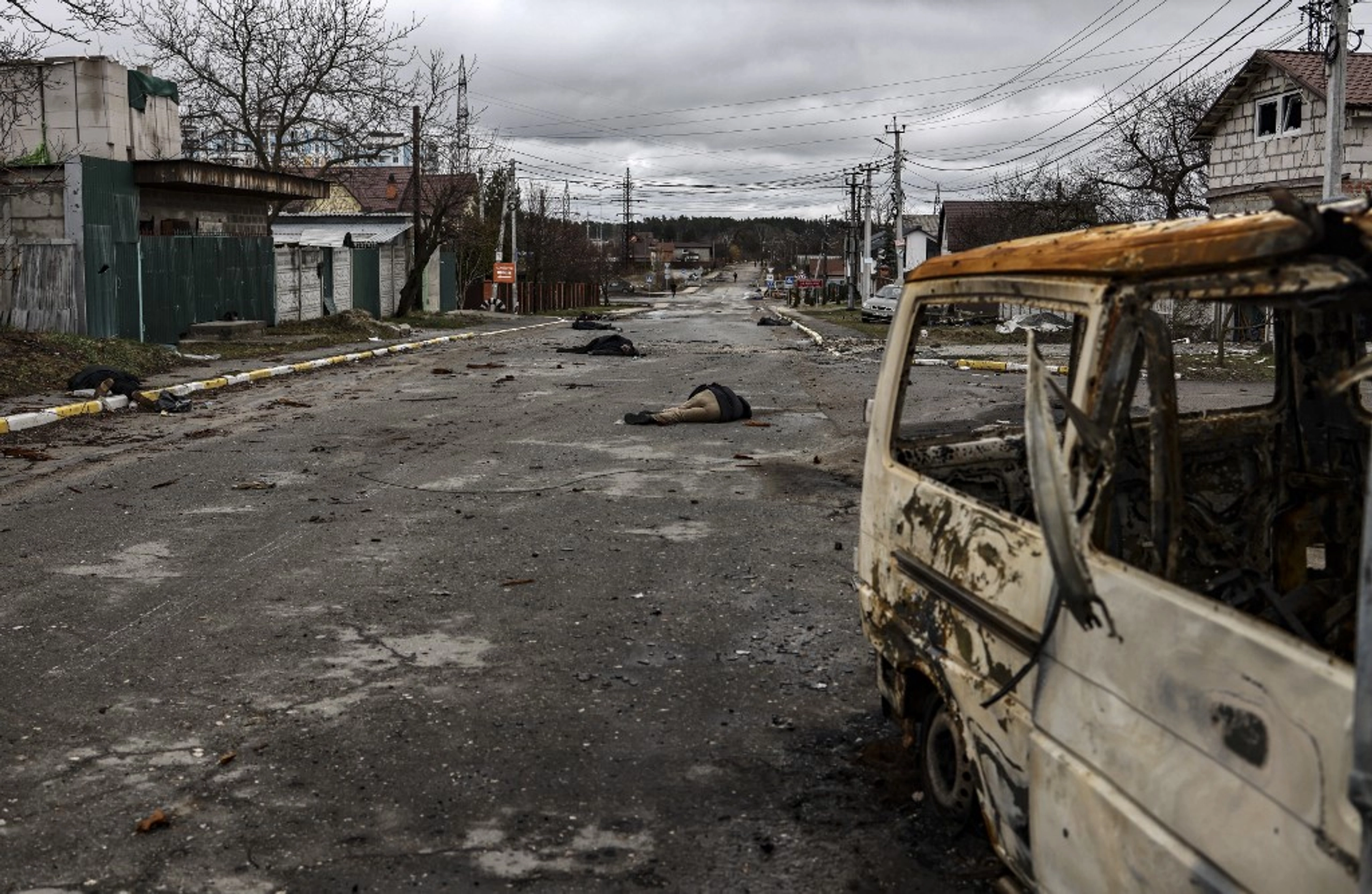
Imagine years from now, a Russian soldier for whom an arrest warrant in absentia was issued, now a grandfather, decides to visit the UK – his name shows up, and now he will be extradited to Ukraine and tried for the alleged crimes he committed if the UK decides to comply with the warrant.
Justice might come, but it might not be anytime soon.
You can also highlight the text and press Ctrl + Enter

OPINION: In High-Stakes Bluff, Putin Holds a Losing Hand
Hungary Blocks Ukraine, Moldova’s EU Membership Talks
EU Investigates von der Leyen Over Zelensky Chat