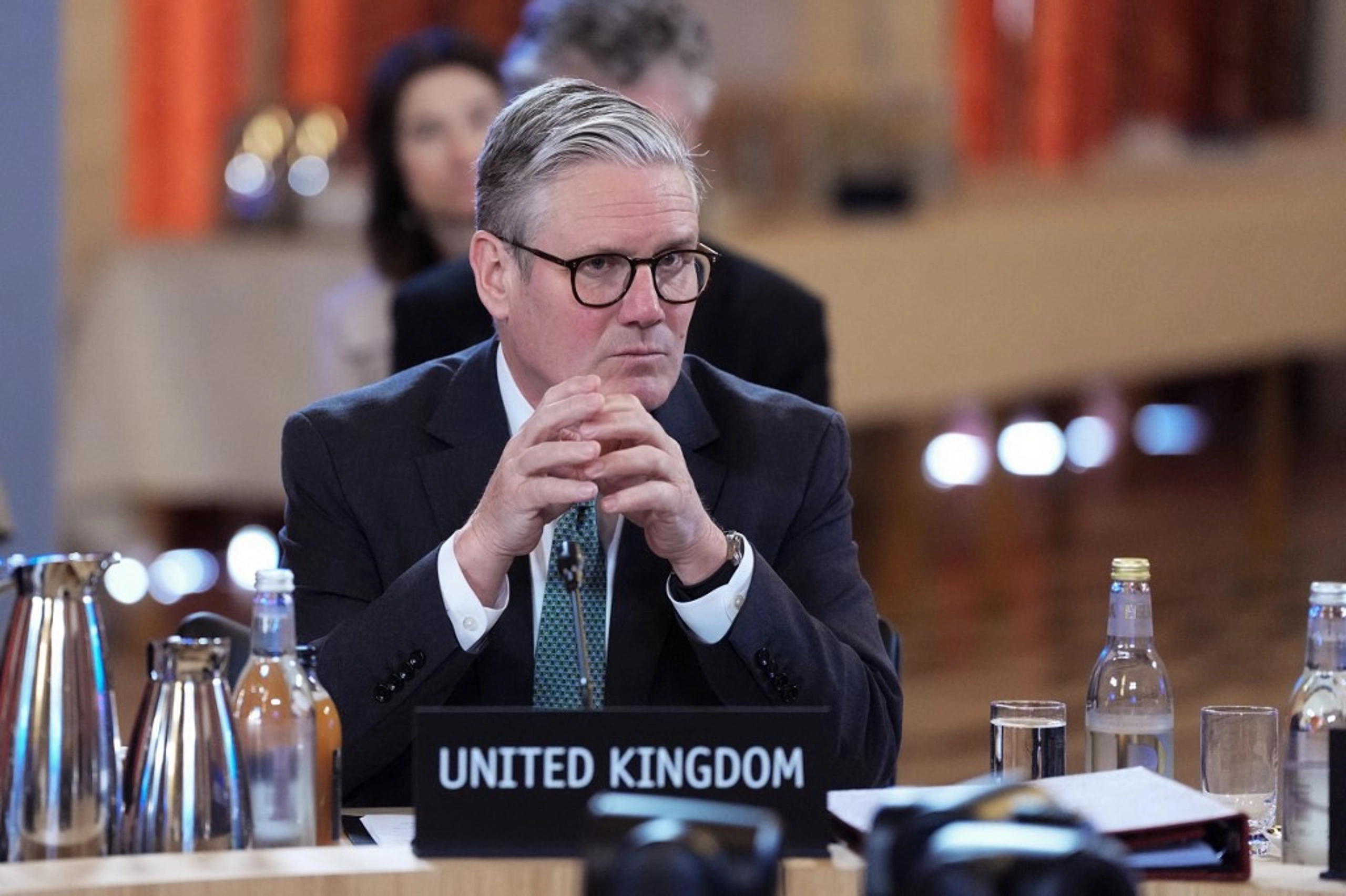
Britain is urging the transfer of nearly €200 billion ($224 billion) in frozen Russian assets from Belgium into an investment fund, potentially a step toward eventually handing them over to Ukraine, an idea that the UK supports but large EU countries like Germany and Italy have so far opposed.
Although the frozen Russian assets include British government bonds, the UK has little say over how the funds are handled, as they’re administered under Euroclear, a Belgium-based depository subject to EU rules.
JOIN US ON TELEGRAM
Follow our coverage of the war on the @Kyivpost_official.
Euroclear has recently used some of the €3.4 billion ($3.8 billion) in frozen Russian assets to compensate Western investors who had their Russian investments seized by Moscow in retaliatory actions in recent months.
While France and Germany had initially opposed to the seizure of Russian assets, they’ve recently warmed to using these funds to pressure Russia toward peace.
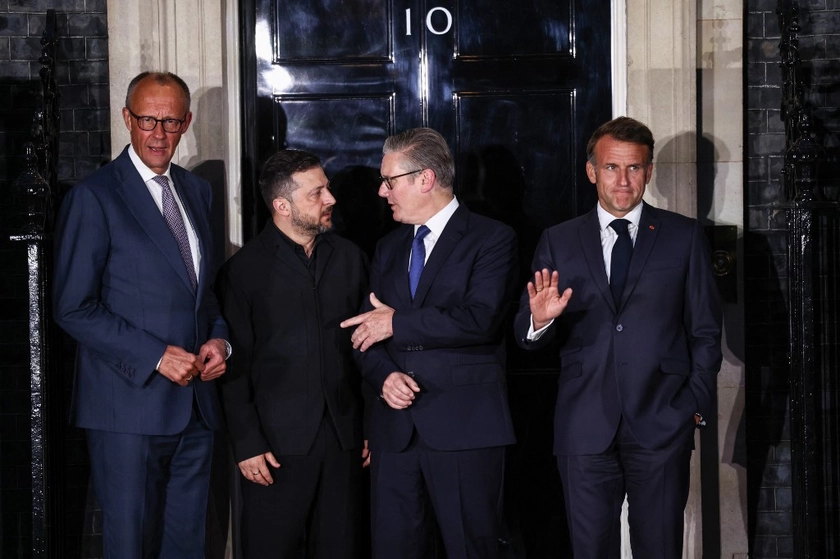
Pro-Ukrainian European leaders in Kyiv on Saturday, May 10, in support for Ukraine, threatened to increase sanctions and economic pressure on Moscow if it failed to agree to a 30-day unconditional ceasefire on Monday, May 12.
However, this strategy was thrown a curveball when the next day, Sunday, May 11, Russian President Vladimir Putin called for direct negotiations rather than a ceasefire, and US President Donald Trump urged Zelensky to attend a proposed meeting in Turkey on Thursday, May 15 – one which Putin hasn’t yet confirmed he would attend himself.
Stalwart Denmark Announces 30th Military Aid Package for Ukraine
European leaders face a deadline of late July when European sanctions must be renewed, amid fears that Hungary will attempt to get the frozen assets returned to Russia.
Hungary has been a thorn in the side of EU policy towards containing Russia, and has used its vote in the European Union to extract concessions from Brussels.
You can also highlight the text and press Ctrl + Enter