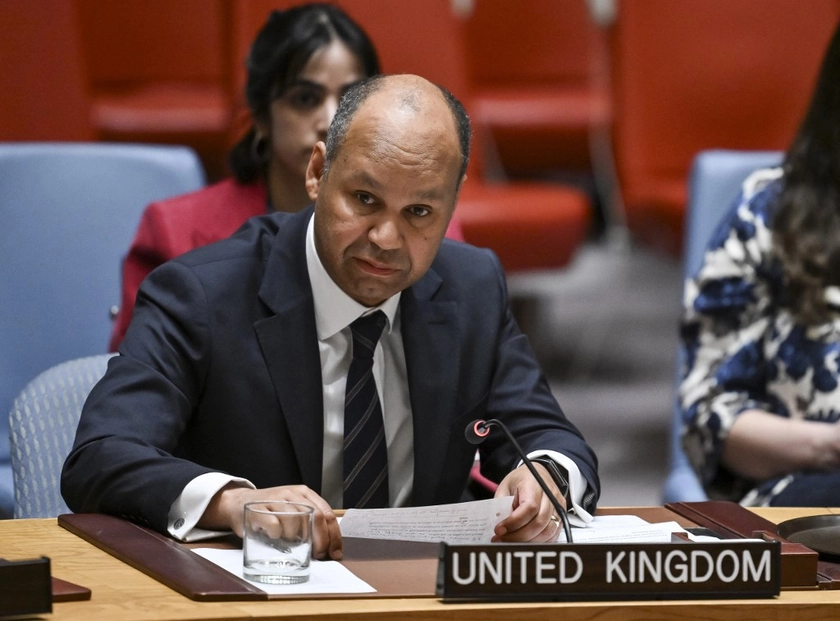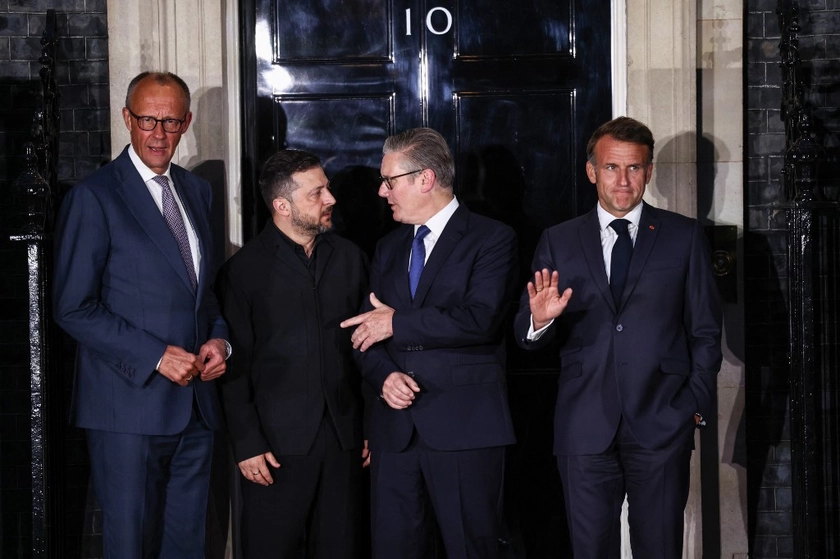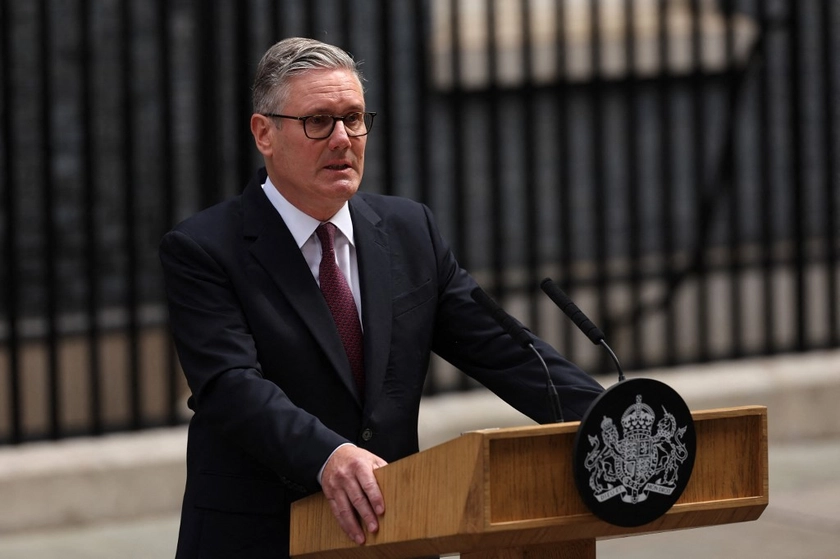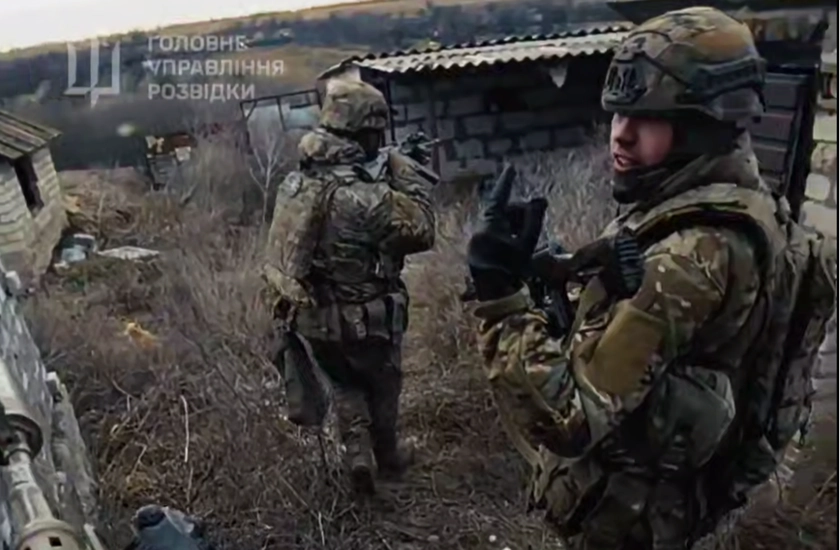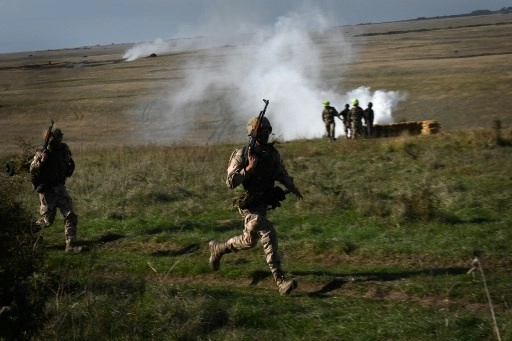
Britain is preparing one of its biggest military overhauls in decades, remodeling its armed forces around lessons learned from Ukraine’s battlefield tactics.
The Defence Investment Plan, due Tuesday from Prime Minister Keir Starmer, will prioritize “cheap systems destroying high-value targets and innovation cycles measured in weeks, not years,” according to the UK Ministry of Defence.
JOIN US ON TELEGRAM
Follow our coverage of the war on the @Kyivpost_official.
The shift marks a break from Britain’s long-standing reliance on expensive, high-end platforms such as aircraft carriers, submarines and nuclear deterrence as the core of its military power.
Russia’s war in Ukraine has accelerated the rethink across NATO, exposing the limits of costly legacy systems and elevating mass drones, autonomous weapons and rapid battlefield innovation.
One of the most striking changes is the likely cancellation of planned Type 83 destroyers and Type 32 frigates. Instead, the UK will focus on new “Common Combat Vessels” designed to command swarms of unmanned sea, air and underwater systems.
The Royal Air Force is also moving toward autonomous air combat, with a new “Collaborative Combat Air Programme” aimed at pairing crewed jets with drones equipped with artificial intelligence (AI), alongside allies in Italy and Japan.
The investment also comes as defense planners across NATO increasingly treat Ukraine as a live laboratory for drone warfare that drives procurement decisions.
Russia Says It Downed 419 Ukrainian Drones Overnight, Including 56 Bound for Moscow
While the plan pushes Britain closer to NATO’s 3.5% defense spending target by 2035, officials have yet to set out a clear funding path.
Starmer’s defense secretary, John Healey, resigned on June 11 over funding rows. Starmer resigned as prime minister around two weeks later, on June 22.
Ukraine’s drone playbook
Ukraine, now in its fourth year of full-scale war, has turned drone warfare into a defining feature of the battlefield, hitting logistics, oil infrastructure and military targets deep inside Russia.
Ukraine has prioritized cheap, scalable systems over traditional heavy platforms as low-cost drones have proven effective against high-value targets such as radar stations and main battle tanks.
The country has also sought to turn its drone lessons into hard cash to fund its defense.
Kyiv has signed defense cooperation frameworks – known as “Drone Deals” – with 27 countries, under which it is set to co-develop, co-produce and export Ukrainian unmanned systems and battlefield technologies.
President Volodymyr Zelensky said the initiative now includes 15 NATO members and 12 non-NATO states.
You can also highlight the text and press Ctrl + Enter

Russia Hit by 660-Drone Overnight Barrage Targeting Moscow, Crimea and Key Military Sites