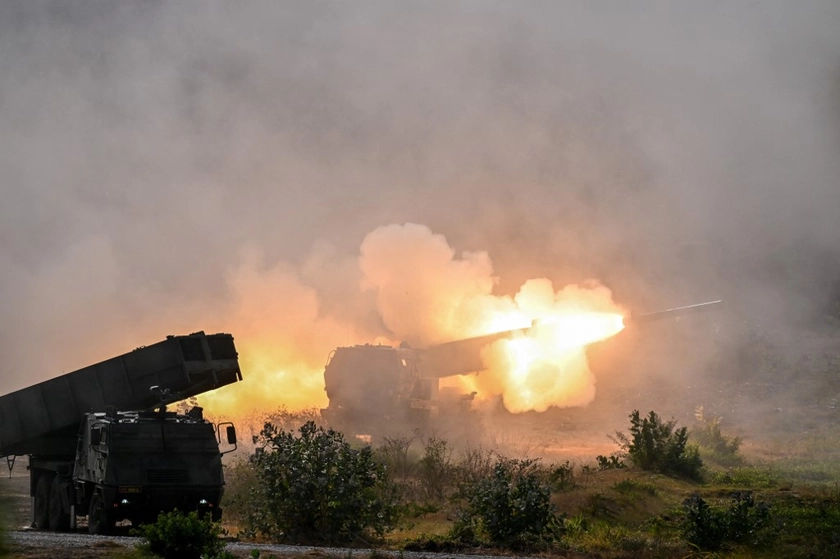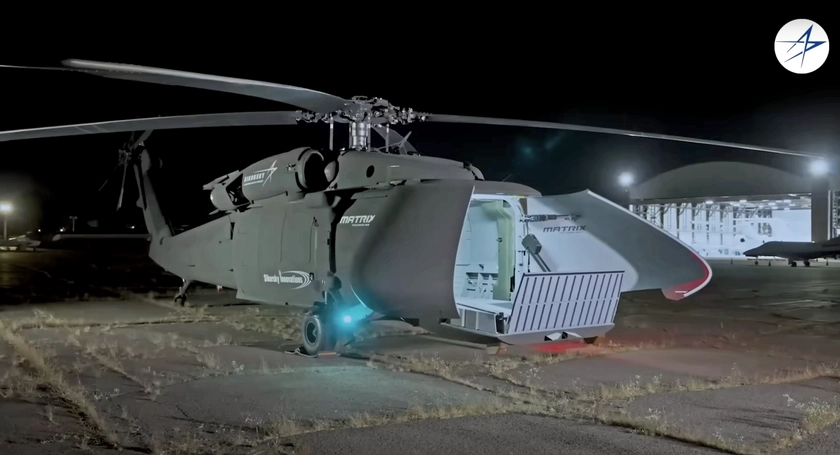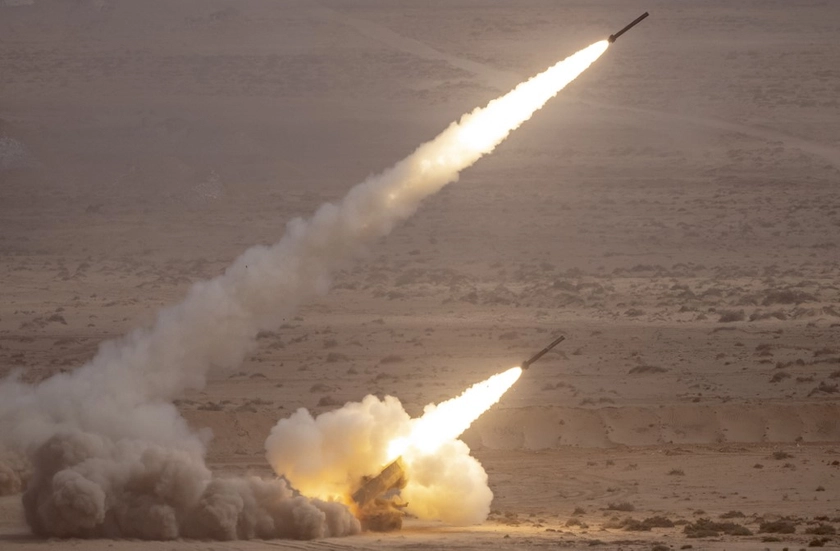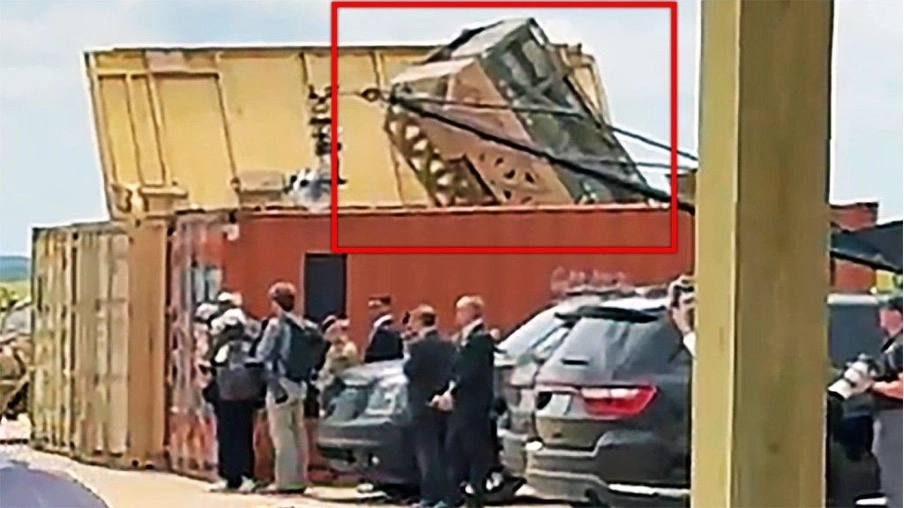
During President Donald Trump’s June 10 visit to Fort Bragg, North Carolina images appeared of a US Army missile launcher – of the type used to fire High Mobility Artillery Rocket System (HIMARS), Army Tactical Missile System (ATACMS) and the latest Precision Strike Missiles (PrSM) ballistic missiles – popping up from a standard shipping container.
This got several bloggers, including Ukraine’s “Real War” Telegram channel speculating that the US technology had been inspired by Ukraine’s Spiderweb operation.
JOIN US ON TELEGRAM
Follow our coverage of the war on the @Kyivpost_official.
The milblogger Clash Report says that the US Navy is working on containerized launch systems for both the BGM-109 Tomahawk cruise missile and the RIM-174 Standard Extended Range Active Missile (ERAM), also known as the Standard Missile 6 (SM-6) air defense weapons.
On June 1, Ukraine’s security services (SBU) launched a strike against five Russian airbases using 117 artificial intelligence (AI) enhanced kamikaze drones smuggled into Russia and remotely deployed from cargo trucks in which they had been hidden.
In fact, the concept of using cargo containers to deploy missile launchers is not new – the concept was previously seen several years ago in Russian and Chinese prototypes and a video of the US system was published on YouTube around nine months ago.
Russia first unveiled its Klub-K missile system in 2011. It consisted of a modified sea container from which it could launch Kh-35 or Kalibr cruise missiles, ground-mounted or fitted to naval or merchant vessels, railway wagons, or cargo trucks.

Iran Reveals Details of Upcoming Peace Deal with US
In 2016, Beijing displayed a prototype of a system that could launch a wide range of cruise missiles. This platform is known in the West as the “Container-type Sea Defense Combat System” (CSDCS).
The systems were not specifically intended for “covert” use but were simply intended to allow the flexible deployment of missiles on a range of platforms, in China’s case, to try to balance the numerical superiority in anti-ship and air defense missiles enjoyed by the US Pacific fleet.
However, even then commentators speculated that it could be possible to conceal the weapons in a “mountain” of containers such as seen in most commercial container depots. A few such as Australia’s news.com suggested that could indeed have been China’s intention all along.
The success of Spiderweb has reignited the debate of the “Trojan Horse” potential of smuggling innocuous, unmarked containers to launch surprise attacks – although engineering an attack with a weapon that mostly fills the container would be considerably more complex than the Ukrainian operation, which hid small drones inside prefabricated wooden buildings.
Once dispatched, the military would lose effective control of the containers. There would be risk of them being discovered during a routine customs check – which are likely to be stepped up during times of increased tension – or if it was placed at the bottom of a stack of containers, it would potentially be unable to deploy.
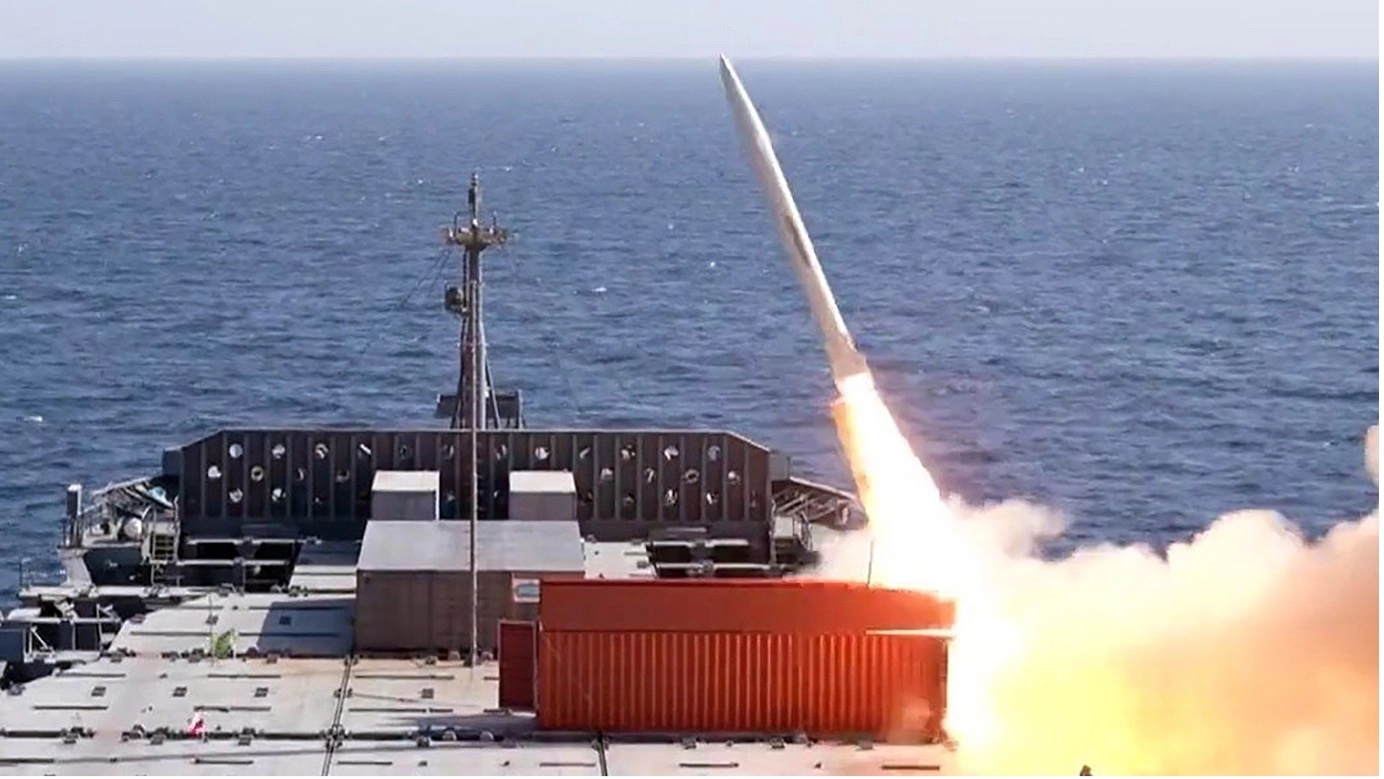
It seems more likely that they could be concealed on container-carrying merchant vessels – such as that demonstrated by Iran’s Islamic Revolution Guards Corps (IRGC) last year – or transloaded onto single railway or cargo truck vehicles and then dispersed.
You can also highlight the text and press Ctrl + Enter