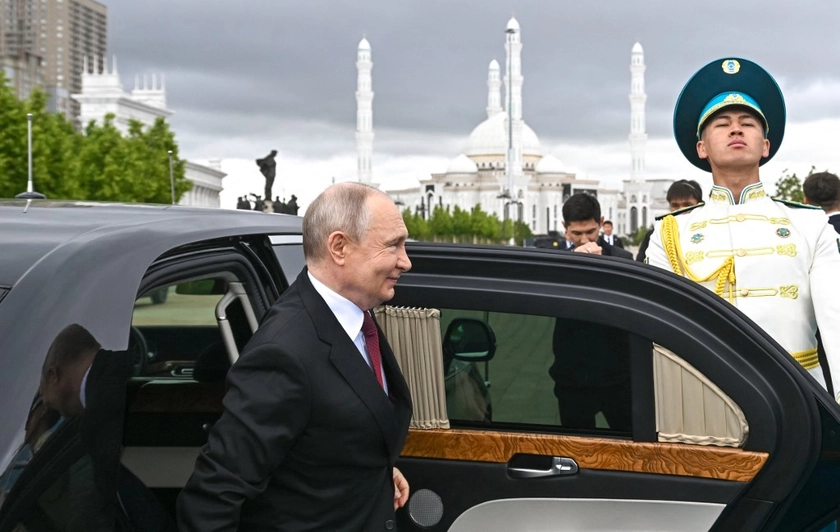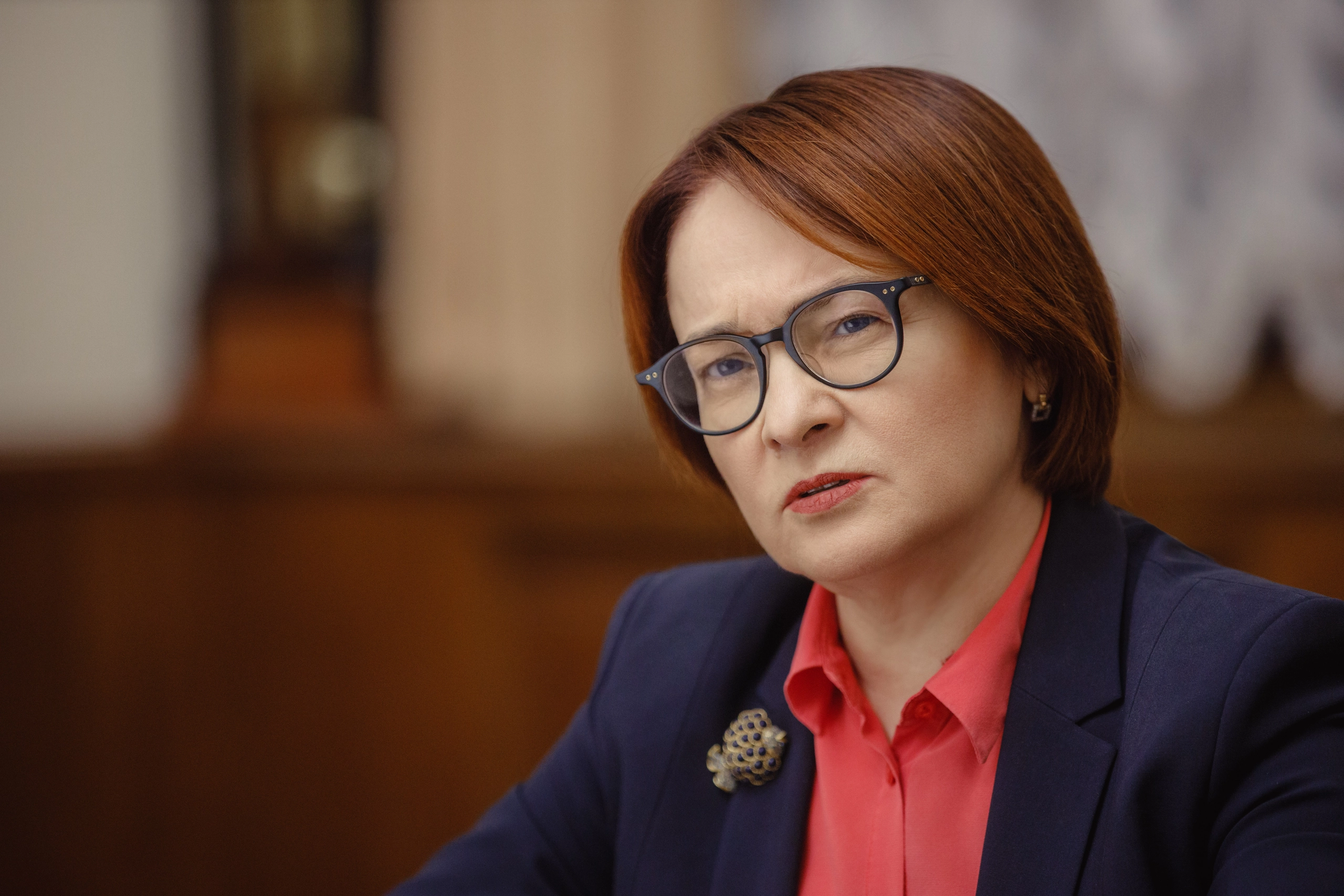
Russia is running out of the resources that have provided its economic growth for the past two years following the full-scale invasion of Ukraine. Now, the country has to search for new, more diverse economic models, the head of the Central Bank of Russia, Elvira Nabiullina, said during the St. Petersburg International Economic Forum on June 19.
“Over the past two years, we have shown relatively high growth rates, but this was achieved by mobilizing free internal reserves. Unemployment dropped significantly, we used the workforce in our reserves and many companies faced the labor deficit. Unused idle production capacity was utilized. Western companies exited – new market niches opened up, leading to import substitution. The resources accumulated for the Russian National Wealth Fund’s budget are spent on investments. The banking system’s reserves became a foundation for swift borrowing,” Nabiullina said.
JOIN US ON TELEGRAM
Follow our coverage of the war on the @Kyivpost_official.
Earlier in autumn 2024, the International Monetary Fund (IMF) reported that Russia’s economy was overheating.
“Demand in our economy was growing, while the supply side was lagging behind. That’s where the overheating and inflation came from,” Nabiullina said.
Now, the Russian economy is further weakening due to falling oil prices, budget constraints, and rising corporate debt. The situation is also complicated by a labor shortage, a weak national currency, and high interest rates.
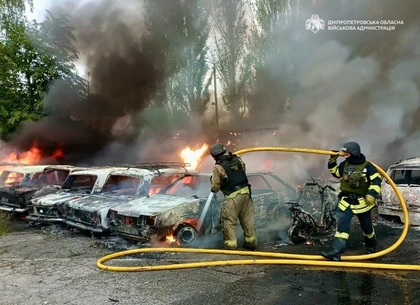
Dnipropetrovsk Tightens Evacuations, Nikopol Defenses
“If we rely on current business sentiment and operational indicators, it seems that we are already on the verge of transition to recession. I am not saying that we will definitely fall, but the risks of this are quite tangible. What’s next depends on our decisions,” Russia’s Minister of Economic Development Maxim Reshetnikov said during the forum.
According to Nabiullina, the Russian government has already used previously accumulated resources, including funds from the National Wealth Fund, one of its sovereign financial reserves, and boosted bank lending.
“All this gave the economy a short-term boost, but many of these reserves have now been largely depleted,” Nabiullina said. “That’s why we need to start thinking about a new model for economic growth. I also agree that this should involve a transition to a new technological paradigm.”
Improving labor productivity and diversifying the economy are, in a sense, “evergreen” goals, Nabiullina said. “We just need to keep moving steadily in that direction.”
International sanctions weakened the Russian economy
Western countries imposed sanctions following Russia’s 2022 full-scale invasion of Ukraine. Among other measures, they capped the price of Russian oil to $60 for a barrel, which cost the country approximately $150 billion in export revenues, Natalia Shapoval, head of analytical center at the Kyiv School of Economics (KSE) KSE Institute, said during the ninth Annual Research Conference organized by the National Bank of Ukraine (NBU) and Narodowy Bank Polski in Kyiv.
“In addition, Russia has lost access to the European gas market. Gazprom, holder of the Russian gas monopoly, has reported substantial losses – though some of these are being hidden – and is carrying significant debt. Virtually the entire energy sector, aside from the state company Rosneft and Lukoil from the private sector, is experiencing major financial difficulties,” Shapoval said.
Although sanctions have made war costs for Russia more expensive, the country is still continuing its full-scale invasion against Ukraine and openly refuses to accept any ceasefire, causing the casualty rates to continue to spiral.
Russia’s economy is larger in size and has more resources that can still be mobilized sufficient to pay for the country’s war, while Ukraine has fewer resources to call on – with the West still failing to strengthen both aid to Ukraine and to increase sanctions pressure on Russia. This leaves Ukraine in a much more vulnerable situation when it comes to funding defense against Russia’s full-scale invasion, according to Shapoval.
“Ukraine is struggling to secure $40 billion in external financing for its budget needs. Meanwhile, Russia can amass a similar amount of deficit in just half a year without it becoming a critical issue. From the perspective of security and sanctions, this disparity is deeply frustrating,” Shapoval said.
“It highlights how difficult it still is for Ukraine, the EU, and the US to mobilize necessary funding – especially when compared to Russia’s relative ability to absorb economic shocks and continue financing its war efforts,” she added.
You can also highlight the text and press Ctrl + Enter


Putin’s Worst Nightmare