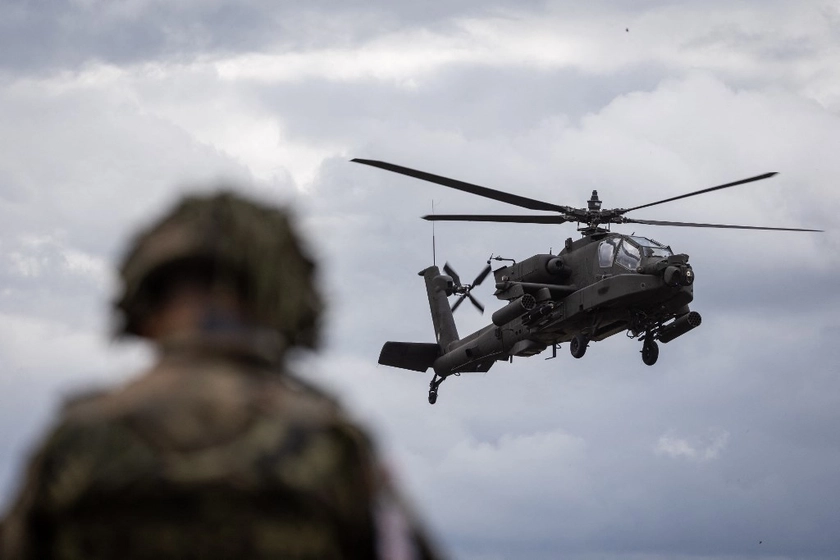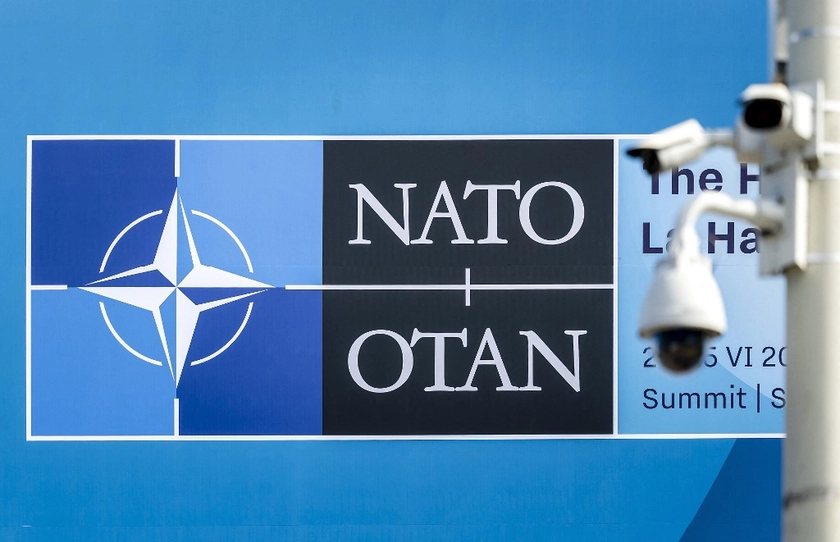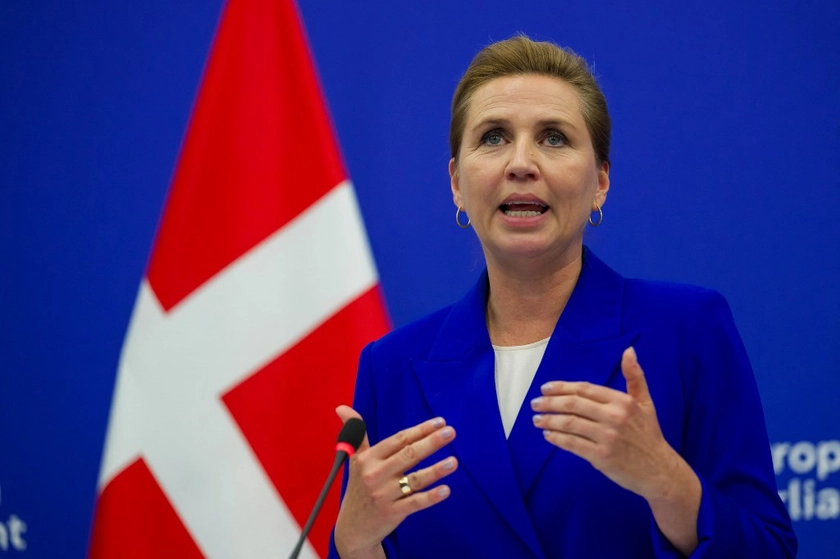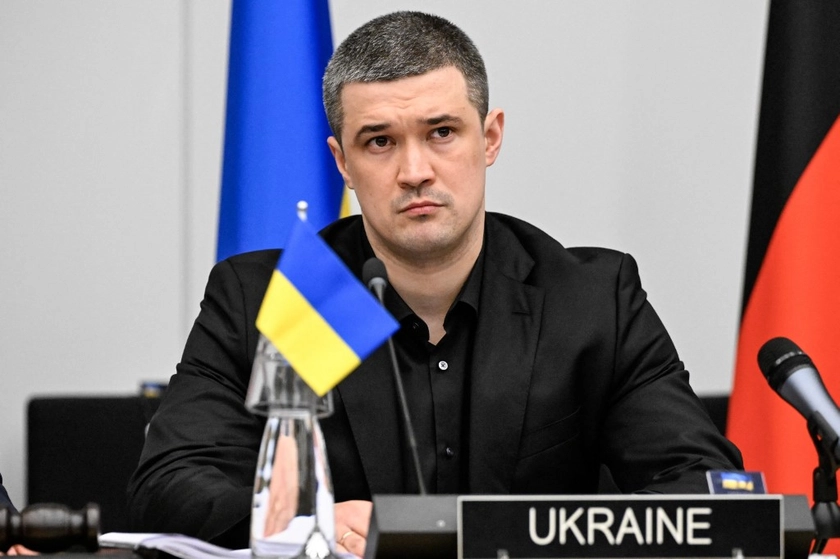
On Tuesday, June 24 the leaders of NATO’s 32 national members met up for a two day summit in The Hague during which they all, except for Spain, committed to increasing future defense expenditure to 5% of GDP by 2035.
This would be made up of 3.5% directly on military equipment and personnel costs and a further 1.5% on infrastructure protection, cybersecurity, civil defense and increases to their defense industrial capacity.
JOIN US ON TELEGRAM
Follow our coverage of the war on the @Kyivpost_official.
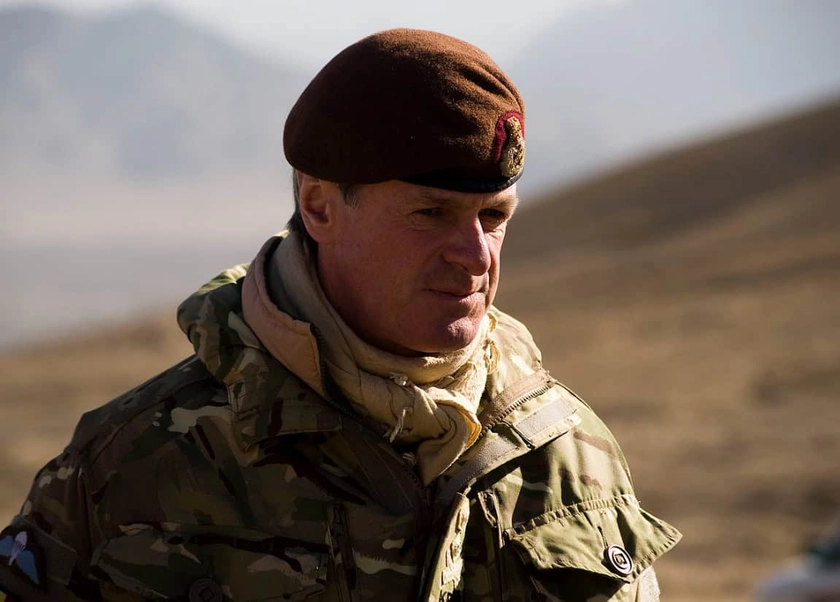
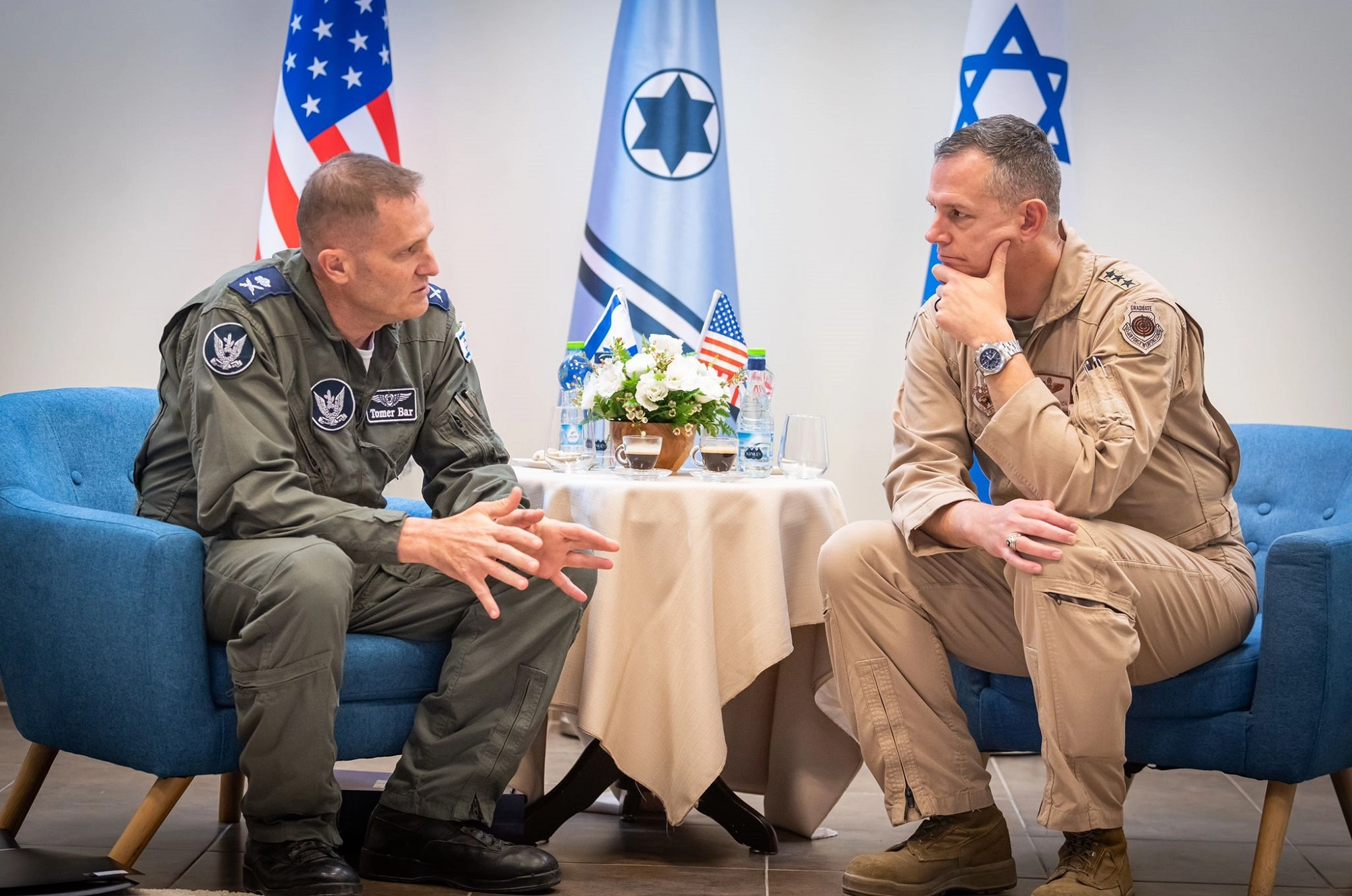
At much the same time, US Air Force Lt. Gen. Alexus Grynkewich, President Donald Trump’s nominee as the next commander of US forces in Europe and the Supreme Allied Commander of Europe (SACEUR) faced questioning, alongside Vice Admiral Charles Cooper, who was nominated to be Commander of US Central Command, during a Senate confirmation hearing.
Many of his responses would be music to the ears of Europe’s military leaders who have feared the US was likely to disengage from the security and safeguarding guarantees it has provided to the continent for almost 80 years.
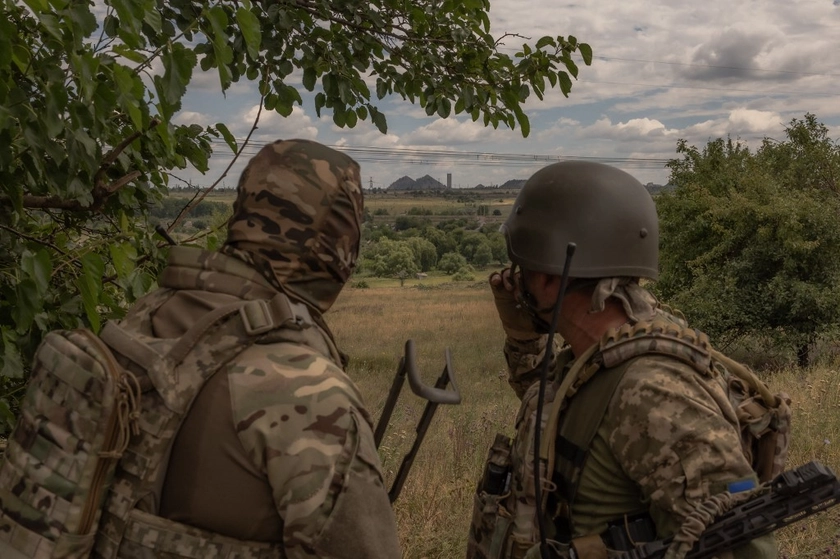
Grynkewich was questioned on a range of US related security issues during which he said that he believed Ukraine could win its war with Russia by saying: “I think any time your own homeland is threatened, you fight with a tenacity that’s difficult for us to conceive of – if we haven’t found ourselves in that same situation.”
He said that if confirmed in post his goal would be “…to work very hard with our allies and partners in the region to bring all of that together in a coherent fashion, to increase the strength of the Alliance.”
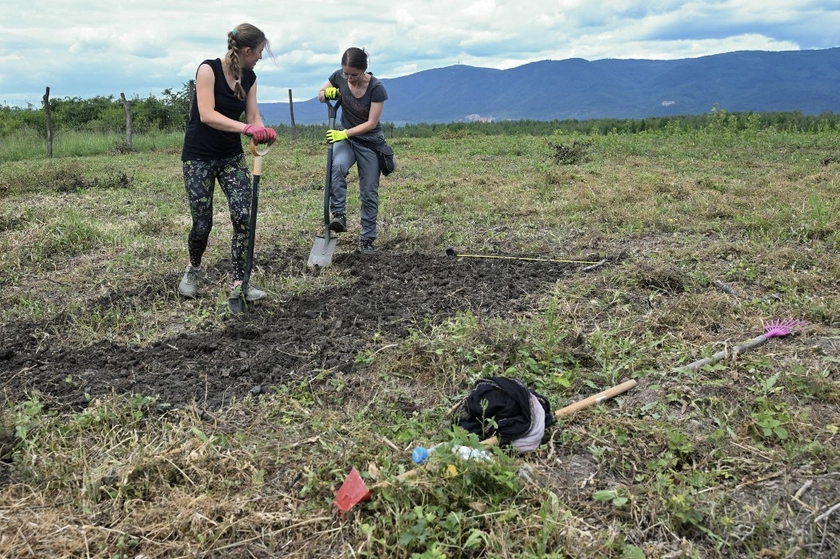
NATO Project Tests Perennial Grass to Clean Ukraine’s War-Hit Soil
He also said that in his role as SACEUR he would see a need to work with NATO’s members and leaders to make best use of the potentially massive increase in defense investments:
“If confirmed… one of my major responsibilities [will be] to ensure that any increased spending was done in a way that benefited the alliance and ensure the achievement of capability targets that the alliance has agreed to.”
Speaking ahead of the summit, NATO Secretary General Mark Rutte said planning on how best to make use of the anticipated uplift in funding was already underway.
“The details of our plans are of course classified but let me give you a few examples of what we will invest in,” he said.
“…a five-fold increase in air defense capabilities, because we see Russia’s deadly terror from the skies over Ukraine every day, and we must be able to defend ourselves from such attacks.”
He continued, “Thousands more tanks and armored vehicles because even though warfare is changing fast, we still need to be able to protect our soldiers on the battlefield, and to maneuver. And millions of rounds of artillery ammunition, because it is by having these stockpiles that we can deter aggression from any threat.”
Gen. Christopher Donahue the head of the US Army Europe and Africa as well as commander of NATO’s Allied Land Command saw this “defense premium,” as European nations prepare to pour billions of dollars into their defense budgets, as being an “incredible opportunity” – for the US defense industry.
Speaking at an Association of the US Army working breakfast on Wednesday, he said that much of the funding would allow US industry to “funnel the majority of foreign military sales to NATO nations.”
“Anytime anyone gets infused with a lot of money, what do they do? They invest in themselves, right? So, we have to make sure, from a co-production perspective … [that] we get together with European industry very quickly.”
Donahue also said that fears of a large-scale reduction of US forces in Europe were unfounded: “I don’t think that our force posture is going to change at all… In fact, the last time we had growth in Europe was actually during the first Trump administration.”
You can also highlight the text and press Ctrl + Enter

OPINION: The New Line Kyiv Quietly Built Into NATO
EU Investigates von der Leyen Over Zelensky Chat