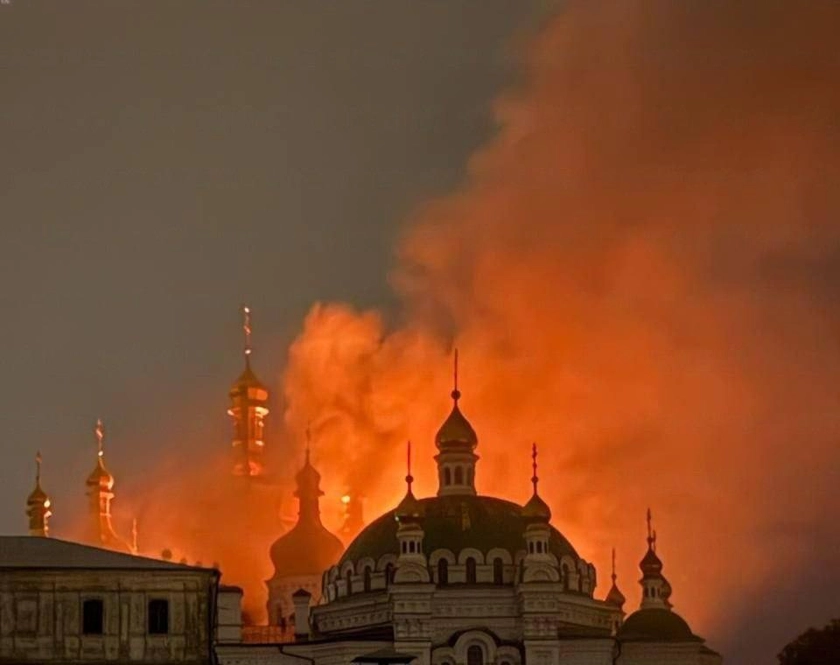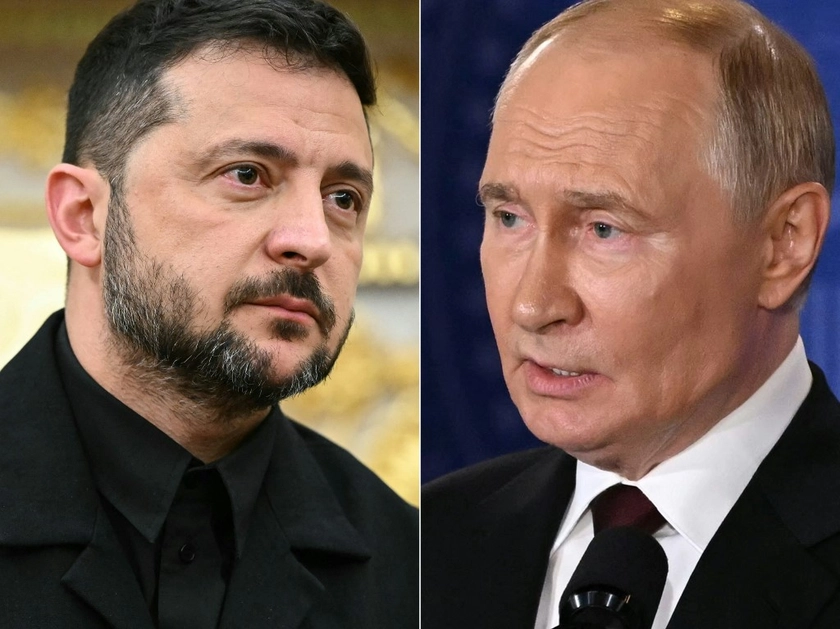
Kyiv and the Council of Europe inked an agreement to establish a Special Tribunal for the Crime of Aggression against Ukraine on Wednesday, June 25.
“Justice takes time, but it must happen,” President Volodymyr Zelensky said at the signing ceremony alongside Alain Berset, secretary-general of the Council of Europe.
JOIN US ON TELEGRAM
Follow our coverage of the war on the @Kyivpost_official.
Wednesday’s ceremony followed the EU’s endorsement of the tribunal a month prior in western Ukraine’s Lviv.
But what is the crime of aggression? What is a Special Tribunal? How is it different from the International Criminal Court (ICC)?
Here are eight things to know about what the Tribunal can – and cannot – do.
What is the crime of aggression?
The ICC defines the crime of aggression as “the use of armed force by a State against the sovereignty, integrity or independence of another State” in its summary.
Therefore, its prosecution targets a country’s leadership for launching an invasion.
It is one of the four main crimes defined by the Rome Statute: genocide, crimes against humanity, war crimes (grave breaches of the Geneva Convention), and finally, the crime of aggression.
What is a Special Tribunal?
A special tribunal is an ad hoc international court that prosecutes individuals for the four main crimes in conflicts when existing courts lack jurisdiction or capacity.
Past examples include the International Criminal Tribunal for the former Yugoslavia (ICTY) formed by the UN for those responsible for war crimes committed during the Balkan Wars of the 1990s, or the International Military Tribunal (IMT) after WWII – commonly known as the Nuremberg trials – responsible for prosecuting key figures of the Nazi regime.
The Illusion of a Peace Deal for Ukraine
Why a new Special Tribunal? What about the ICC?
The new tribunal will focus on trying the Russian leadership for invading Ukraine under the framework of the Council of Europe, with support from other states.
The Council of Europe is a human rights organization that includes non-European Union countries such as the UK, Turkey, Ukraine, and Russia – until it was kicked out in 2022.
The new Special Tribunal intends to fill the gap that existing jurisdictions cannot fill.
In this case, since the ICC lacks jurisdiction over the crime of aggression (though it retains jurisdiction over the three other main crimes), the Special Tribunal is here to fill that gap.
The Special Tribunal is meant to work alongside the ICC, and both are expected to agree on ways to cooperate with each other.
Who does it target?
The Special Tribunal aims to hold the Russian leadership responsible for invading Ukraine.
As such, soldiers or officials committing war crimes, such as the execution of civilians and sexual violence committed during the war, are not within the scope of the tribunal, and they are subject to other jurisdictions, such as the national courts within Ukraine.
Kyiv Post covered the concepts of war crime jurisdictions in an earlier article.
What about Russian allies like Belarus and Iran? And Russia itself?
If individuals from Iran and Belarus – or other Russian allies – are found by the tribunal to be complicit in waging an illegal invasion against Ukraine, then yes, they can also be prosecuted.
However, bear in mind that the crime of aggression targets individuals, not nations, as other mechanisms exist to hold countries accountable through sanctions, political condemnation, and ongoing legal proceedings.
But by holding those responsible for the invasion and tacitly acknowledging that Russia illegally invaded Ukraine, a basis is created for future successes in other arbitration claims – such as Naftogaz’s ongoing cases about assets seized by Russia’s 2014 annexation of Crimea.
Can the tribunal bring Putin to trial?
Yes and no.
While the tribunal targets the Russian leadership, sitting heads of state, heads of governments and foreign ministers (the so-called “troika members”) enjoy political immunity while in office, meaning they are unlikely to be physically detained and stand trial in person.
However, the Special Tribunal can still investigate cases, prepare charges, and, when possible, arrest the accused and bring them to trial.
How can the troika be held accountable?
Either other countries arrest them, or their own country turns them in.
Similar to the ICC’s outstanding arrest warrants for Putin and Russian Children’s Rights Commissioner Maria Lvova-Belova, it is up to the member states to fulfill their obligations and arrest them – if there is an active warrant – should they set foot in their countries.
But countries like Mongolia have refused to honor that obligation in the past, and nothing can technically be done to coerce the country into compliance.
Alternatively, Russia can turn Putin and other leaders in – and similar cases have happened in the past.
Slobodan Milošević, once the former president of Yugoslavia, was arrested and transferred to the ICTY by his own people to stand trial for war crimes.
As such, a regime change in Russia can theoretically hand Putin over to stand trial for the crime of aggression.
Wayne Jordash KC, President of Global Rights Compliance, wrote on Thursday that the tribunal requires the necessary support to function as intended.
“Any step toward justice is a welcome one – and the very fact that the establishment of a Special Tribunal is being discussed is important. But its effectiveness will depend not on the name, but on what stands behind it,” he wrote.
“Along with enduring political will, its international structure, membership, mandate, location, and timeline – these are the elements that will determine its impact,” he added.
Where will the Special Tribunal be?
The location has not been determined at the time of writing, and the Council of Europe said it will be decided “in the coming months.”
You can also highlight the text and press Ctrl + Enter
EU Moves to Ban Entry for Russian Troops
EXPLAINED: More and Better Western Assistance to Ukraine Announced This Week
EXPLAINED: What’s the Deal With Russia’s Frozen Assets in Europe? All You Need to Know