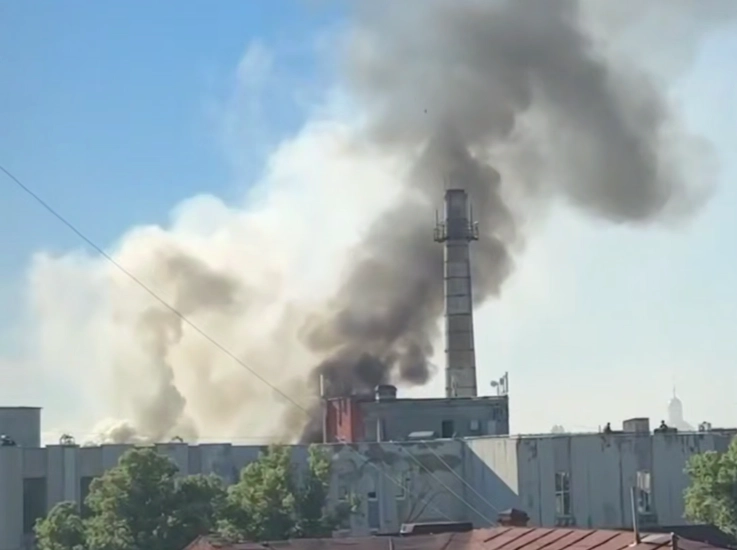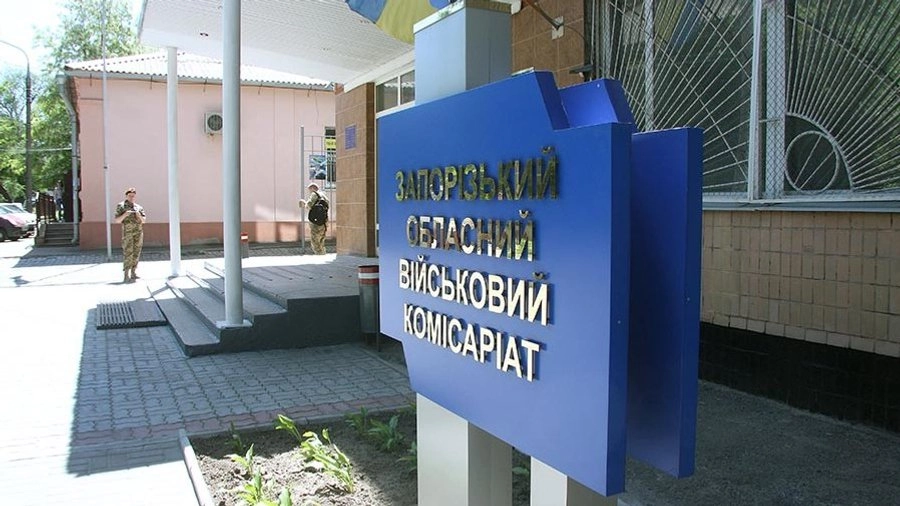
Russian troops struck military recruitment center buildings (TRCs) in Kharkiv and Zaporizhzhia with drones on Monday, July 7, injuring several soldiers, Ukraine’s Ground Forces reported on Telegram.
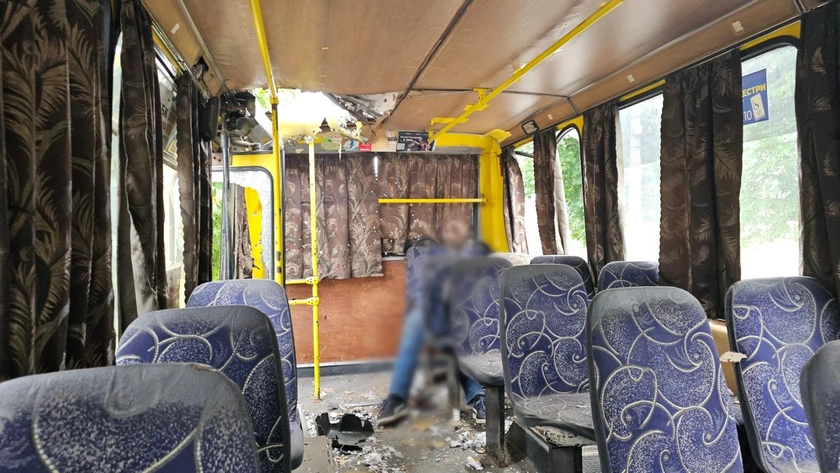
“Today, July 7, the enemy launched air strikes with UAVs on Kharkiv and Zaporizhzhia. As a result, enemy drones hit the building of the Kharkiv regional TRC and the surrounding area, as well as near the Zaporizhzhia regional TRC,” the statement reads.
JOIN US ON TELEGRAM
Follow our coverage of the war on the @Kyivpost_official.
According to preliminary data, three servicemembers were injured in Kharkiv TRC, and one in Zaporizhzhia.
It was reported that emergency services are on-site, and further details on casualties are being clarified.
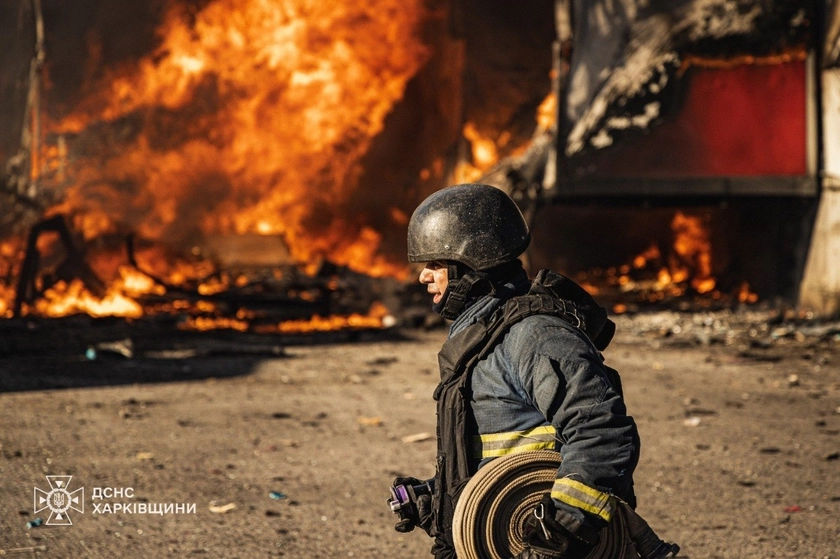
Kharkiv suffered two separate drone attacks on July 7, resulting in injuries to dozens of people, including children, according to local officials.
In the early hours of the morning, Shahed drones struck residential areas and civilian infrastructure in the Shevchenkivskyi and Slobidskyi districts. A kindergarten and several apartment buildings were damaged.
Later in the day, at 10:22 a.m. Mayor Ihor Terekhov reported a second wave of drone attacks. According to him, six Shahed drones targeted residential streets, vehicles, and pedestrians in a concentrated 10-minute assault.
In the Kholodnohirskyi district, the roof of one building caught fire, and nearby homes sustained significant damage. Windows were shattered, building facades were hit, and cars were destroyed. One person was reported injured.
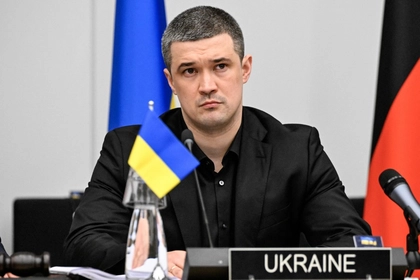
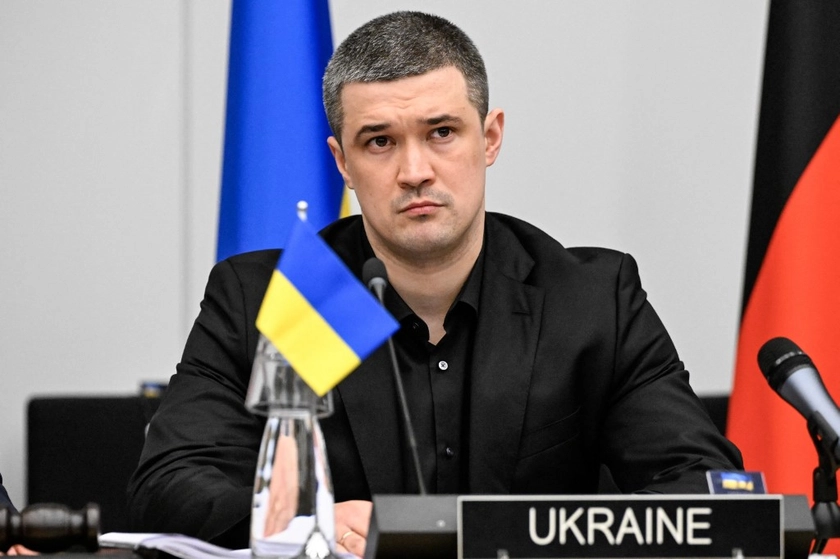
Ukraine Regained Battlefield Initiative but Needs More Aid to Keep It – Fedorov
Elsewhere in the city, drones struck a road near residential buildings, setting cars ablaze and damaging trolleybus lines, utility poles, and traffic lights.
In another location, a drone exploded near a two-story building, destroying more than ten vehicles. Another house caught fire as a result of a direct drone hit.
Later, the head of the Kharkiv Regional Military Administration (OVA), Oleh Synehubov, confirmed that the toll from the latest attacks continue to rise.
“As of now, 11 people are known to be injured. Medical teams are providing prompt assistance. Seven of the injured are hospitalized, and one person is in extremely serious condition,” he wrote on Telegram.
However, later, Terekhov reported 16 injured in the latest drone attack.
Also this morning Russian forces launched a drone attack on Zaporizhzhia and the surrounding region, injuring at least 10 people and damaging civilian infrastructure, including a university building, according to local officials.
The strike began shortly after 10:00 a.m., following an Air Force warning of incoming drones, with explosions soon being reported across the city.
The Zaporizhzhia Regional Military Administration head Ivan Fedorov confirmed the injuries and said the number could rise.
The strike came after a night of heavy drone attacks on Kharkiv, Odesa, and Kyiv. In Odesa, one person was killed, and multiple civilian sites were damaged. Kyiv also sustained damage, but no casualties were immediately reported.
On June 30, a TRC was targeted in Kryvyi Rih then on July 3, another was hit in Poltava. On Sunday, Russian forces attacked the TRC building in Kremenchuk.
Meanwhile, the Suspilne media outlet, citing its own sources, reported that all TRCs in the Lviv region are strengthening security measures in response to Russian attacks on recruitment center buildings.
However, unlike in Vinnytsia, there are currently no plans to relocate institutions. Instead, security checks at the entrances are being tightened.
Earlier, it was reported that the Vinnytsia TRC had suspended operations at its main location due to the tense situation in the country and to ensure the safety of civilians.
You can also highlight the text and press Ctrl + Enter