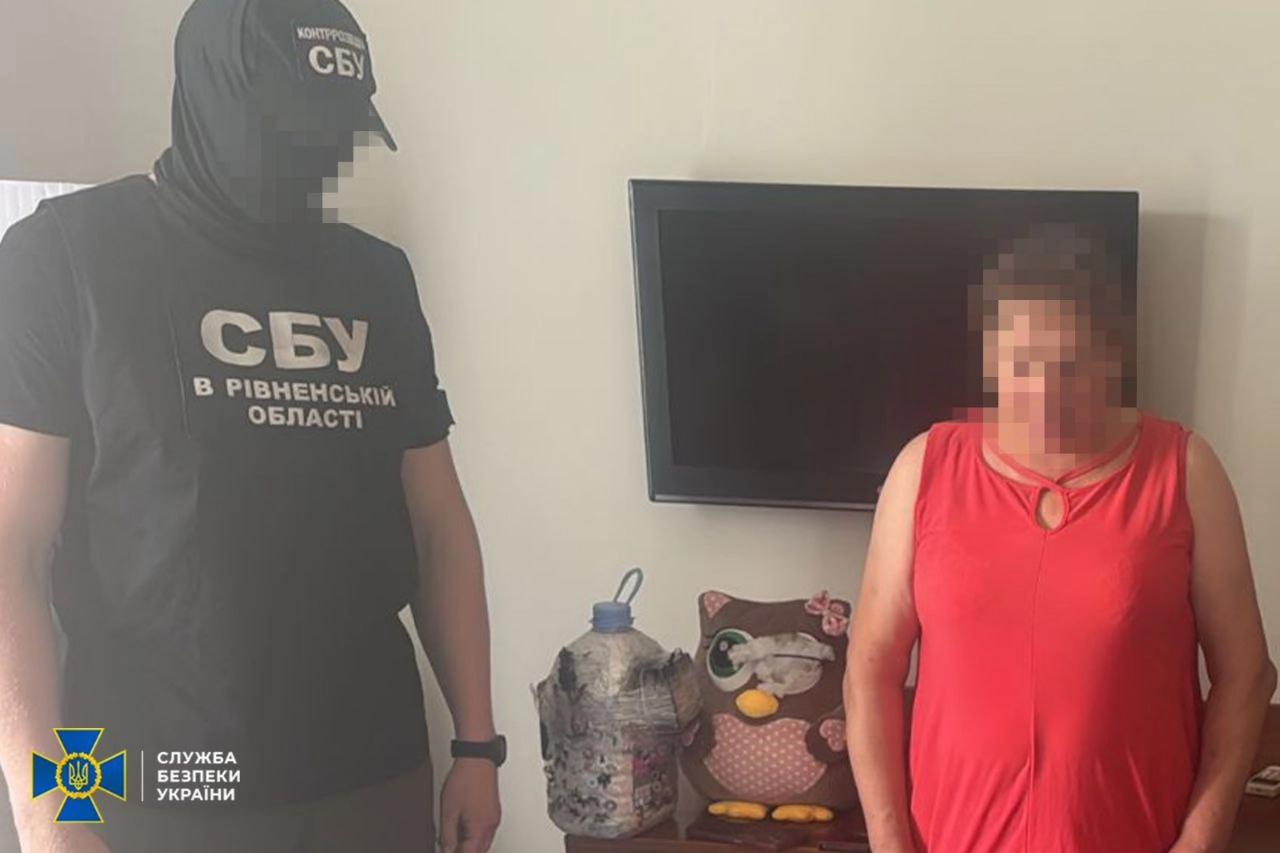
Ukraine said on Tuesday that it had foiled a plot to bomb a hotel in western Ukraine’s Rivne, where the alleged female bomber was tasked to do so via a dating site.
The Security Service of Ukraine (SBU), in a Tuesday press release, said the 49-year-old woman was tasked with delivering an improvised explosive device (IED) to a room at “one of the most popular hotels in the region.”
JOIN US ON TELEGRAM
Follow our coverage of the war on the @Kyivpost_official.
She was recruited by Russian intelligence through an unspecified dating site. The agency involved and her motivation for the act were not stated.
The SBU said that after picking up the bomb from a cache, checking into the hotel room booked under someone else’s name and planting the bomb, the woman placed a camera in the room so that Russian intelligence could trigger the bomb via a phone call.
“To record the explosion on video, the woman installed a mini-camera in the room with remote access for the occupiers. Later, the Russians planned to remotely activate the IED by calling the phone equipped with the explosive,” the press release says.
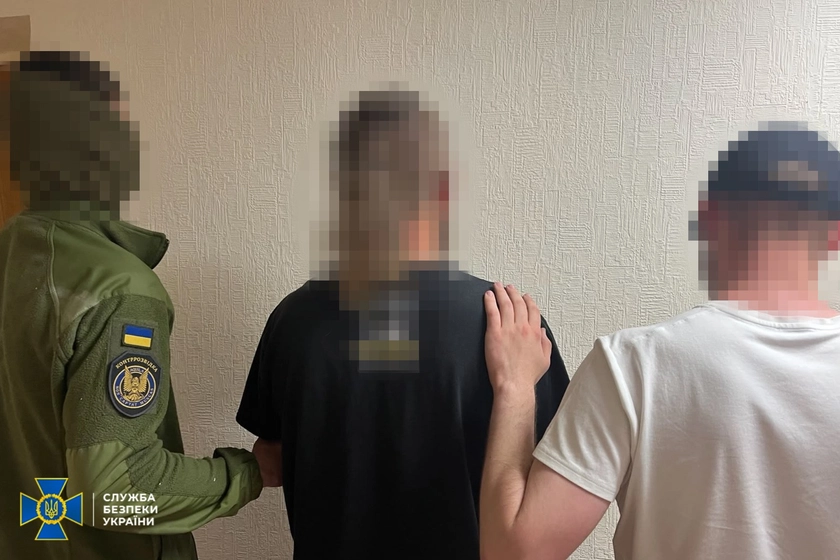
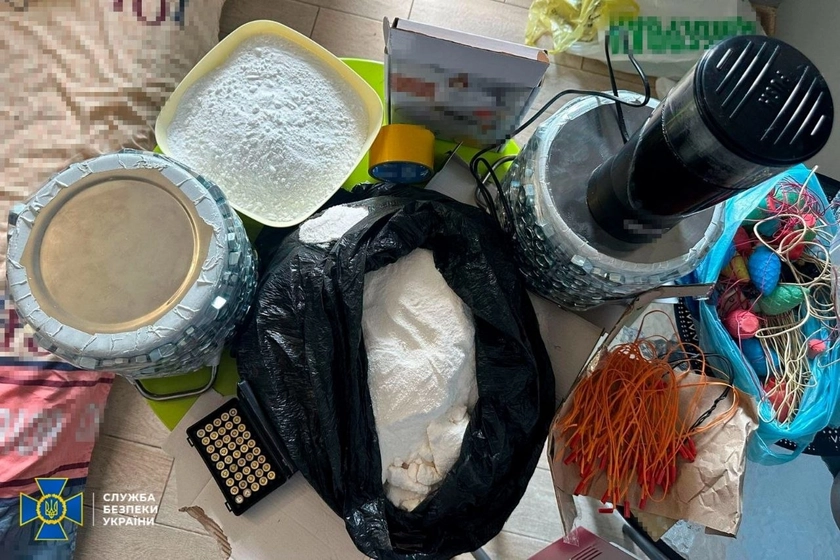
The woman was apprehended “when she was hastily leaving the hotel,” the SBU said, adding that she was also tasked with making another IED by Russian intelligence using commercially available items.
The SBU said it dismantled the IED, and no damage was done.
The phone she used to communicate with Russian intelligence was seized during house searches, presumably following her arrest.
SBU Says It Foiled Planned Terror Attacks in Kharkiv, Detains Alleged FSB Agent
She has been charged with committing a terrorist act and faces 12 years in prison, with full confiscation of property, if convicted.
The plot followed a series of similar cases where suspects were recruited by Russian intelligence services via online platforms to deliver bombs to locations – sometimes unwittingly becoming suicide bombers when they were intentionally blown up in the process by their handlers.
You can also highlight the text and press Ctrl + Enter

Putin’s Worst Nightmare