Civilian casualties reach record levels
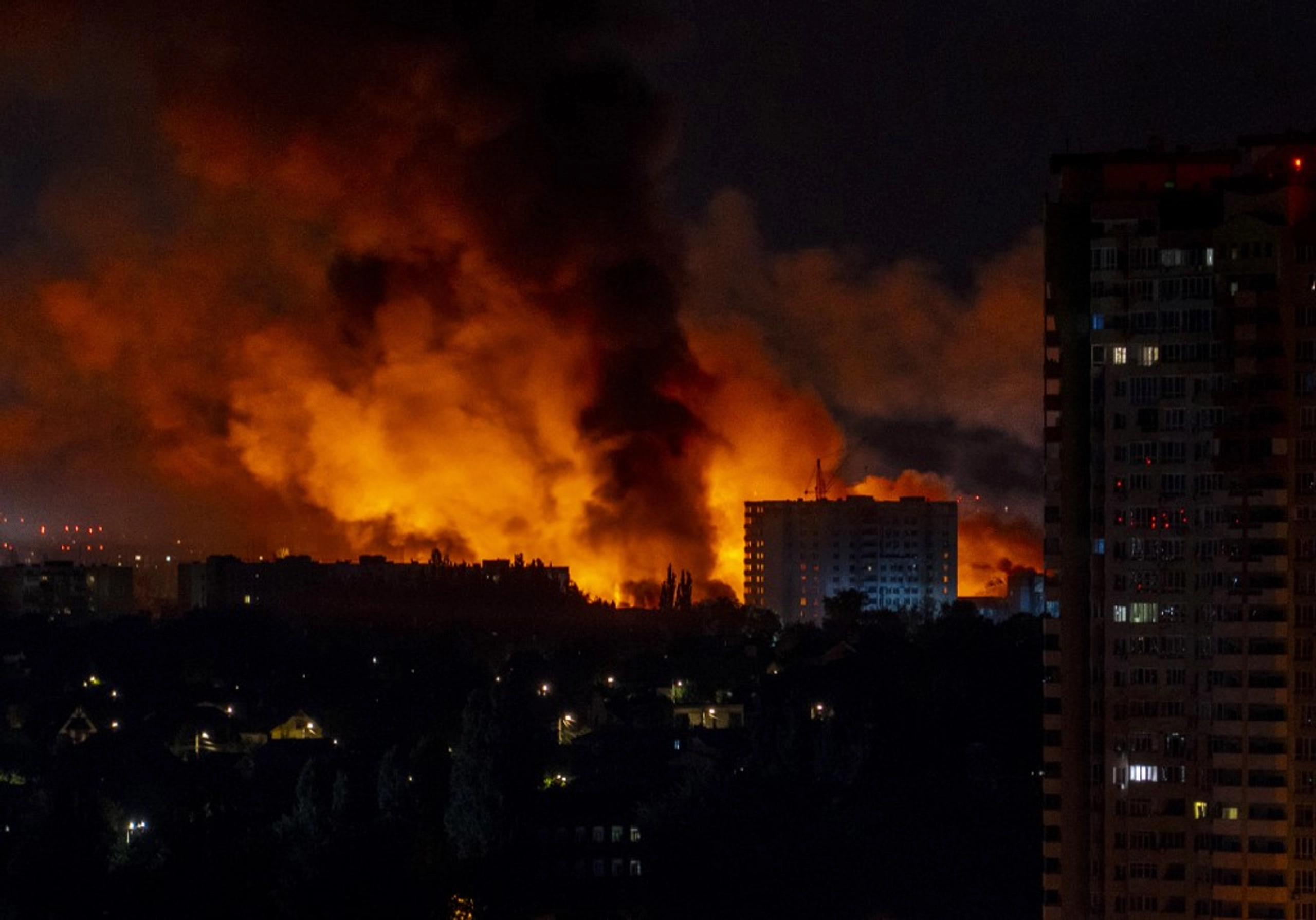
Last month became the deadliest month for civilians since 2022. At least 1,575 people were killed or injured, including 232 fatalities. UN data confirms that long-range strikes with missiles and loitering munitions caused 53 percent of all civilian casualties in June 2025. These figures reflect a sharp rise in combined missile and drone strikes targeting Ukrainian cities and critical infrastructure.
JOIN US ON TELEGRAM
Follow our coverage of the war on the @Kyivpost_official.
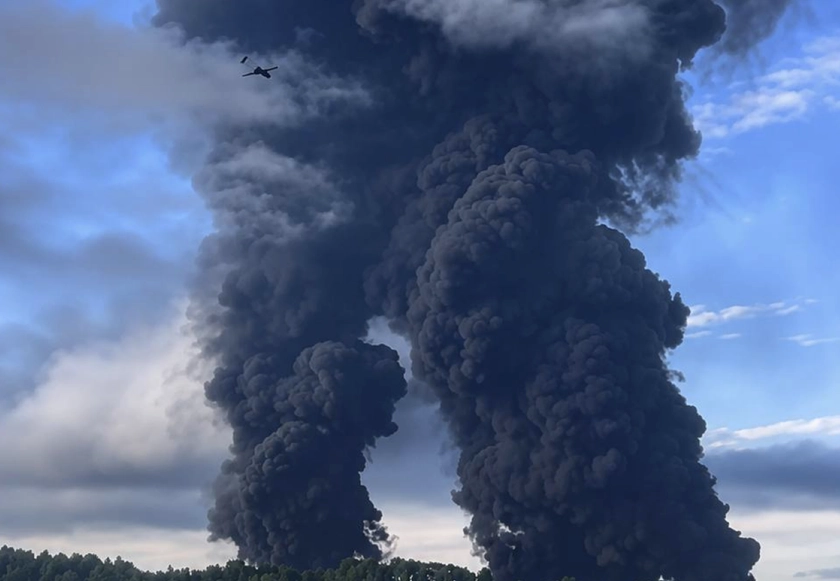
Since May, Russia has broken weekly records in drone attacks, culminating in a tenfold surge in aerial and missile strikes compared to June last year. This pattern continued into July, when Russia launched a record of 728 drones on July 9, just hours after US President Trump pledged new military aid to Ukraine. Overall, since early July, nearly 100 civilians have been killed across nine regions, including Kyiv. The Kremlin continues to step up its brutal drone attacks, causing an increasing number of casualties among civilians and critical infrastructure damage in Ukraine.
New dimension of drone attacks
There have been numerous attacks on recruitment infrastructure that have taken place this year, including shootings, arson, and assaults on personnel. In early July, Russia began a new phase in its drone campaign in Ukraine with intensified attacks on Ukrainian military recruitment centers. Since June 30, drones have targeted territorial military centers in Kharkiv, Zaporizhzhia, Poltava, Kryvyi Rih, and Kremenchuk. On July 7 alone, drone attacks struck several locations in Kharkiv and Zaporizhzhia, including a military recruitment center, killing three and injuring over 100 civilians.
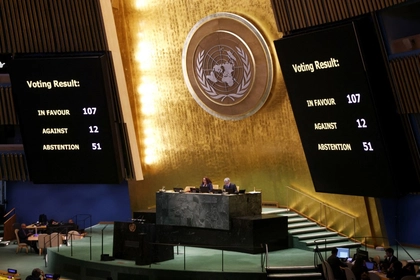
Intent in Plain Sight: the Politics of a UN-Recognized Genocide
These attacks follow earlier incidents in 2025 involving sabotage and bombings at enlistment centers in Rivne, Pavlohrad, and Kamianets-Podilsky. The Kremlin pursues a twofold objective with this new dimension of drone attacks. First, it aims to destroy physical documentation and local records that have not yet been digitized into Ukraine’s unified conscription database. Second, it seeks to intimidate civilians and deter them from participating in the mobilization process.
This is not just about helping Ukraine survive another wave of attacks. It is about ensuring that NATO and EU member states are not caught unprepared.
This tactic represents a hybrid strategy aimed at undermining Ukraine’s mobilization capacity while spreading fear and disinformation across society to undermine social cohesion.
This is not just about helping Ukraine survive another wave of attacks. It is about ensuring that NATO and EU member states are not caught unprepared.
A campaign of attrition
The Kremlin places drone production at the heart of its military campaign in Ukraine. It is now producing thousands of drones monthly, often pairing them with decoys to overload Ukraine’s defenses. In late 2024, the Kremlin set an objective to make between 3 and 4 million drones in 2025, which would triple its earlier targets. In July 2025, Russian Prime Minister Mishustin announced that unmanned aerial systems production had already tripled compared to Russia’s initial targets for this year.
Since early 2023, the Kremlin has almost doubled the production facilities in Russia’s Alabuga Special Economic Zone in Tatarstan, while also recruiting foreign workers from Asia and Africa, accelerating the growth of its drone factories.
Alongside mass production, Russia is deploying increasingly advanced battlefield systems. Russia is fielding new drone types at a rapid pace, including FPV-guided mini-Shaheds, AI-coordinated Shaheds equipped with thermal imaging capabilities, and decoys designed to overwhelm radar systems. The goal is not just destruction, but to impose relentless pressure, drain Ukraine’s air defense systems and ammunition, and destabilize Ukrainian society from within.
Ukraine must strengthen its defense ecosystem and civil protection mechanisms
Ukraine urgently needs to scale affordable, multi-layered defense systems. While long-range assets like Patriots are essential, they cannot match the tempo of daily attacks. The path forward lies in deploying interceptor drones, mobile jamming units, AI-guided turrets, and laser systems to defend both cities and infrastructure.
Simultaneously, the Ukrainian leadership must prioritize civil protection. Most casualties in recent months have not been near active frontlines, but rather in urban areas of major cities, such as Kyiv. Expanding access to shelters, improving emergency communications, and bolstering psychological support must now be treated as integral elements of national defense.
In June alone, 98 percent of casualties occurred in areas under government control, showing the urgent need for better protection far from the frontlines.
Defense industry is a strategic imperative
The Ukrainian leadership should also accelerate its defense-industrial capacity. Recent joint drone initiatives with the UK, Denmark, and the Netherlands are promising. Nevertheless, they may face procurement hurdles and delivery delays. It is crucial to treat Ukraine’s industrial base as a strategic asset not only for Ukraine but for European security as a whole. This requires predictable funding, protection from sabotage, and smoother integration with EU joint production efforts.
Western allies must recognize the growing strategic threat posed by Russia’s drone escalation and step up support through technology transfer, intelligence sharing, and deeper defense-industrial collaboration. Western defense firms should work directly with Ukrainian partners to test and deploy advanced systems under real combat conditions.
Sanctions should also extend beyond drone components to include the labor supply chains, raw material hubs, and logistics networks supporting Russia’s drone buildup.
Ukraine’s frontline experience provides vital insights for NATO and EU planners, not only to help Ukraine withstand ongoing attacks but to strengthen European preparedness for future conflicts. What Russia is testing in Ukraine is an exportable model of hybrid coercion combining drone saturation, infrastructure disruption, and psychological pressure.
This is not just about helping Ukraine survive another wave of attacks. It is about ensuring that NATO and EU member states are not caught unprepared if the same hybrid tactics are used against them in the near future.
The views expressed in this opinion article are the author’s and not necessarily those of Kyiv Post.
You can also highlight the text and press Ctrl + Enter

Putin’s Worst Nightmare