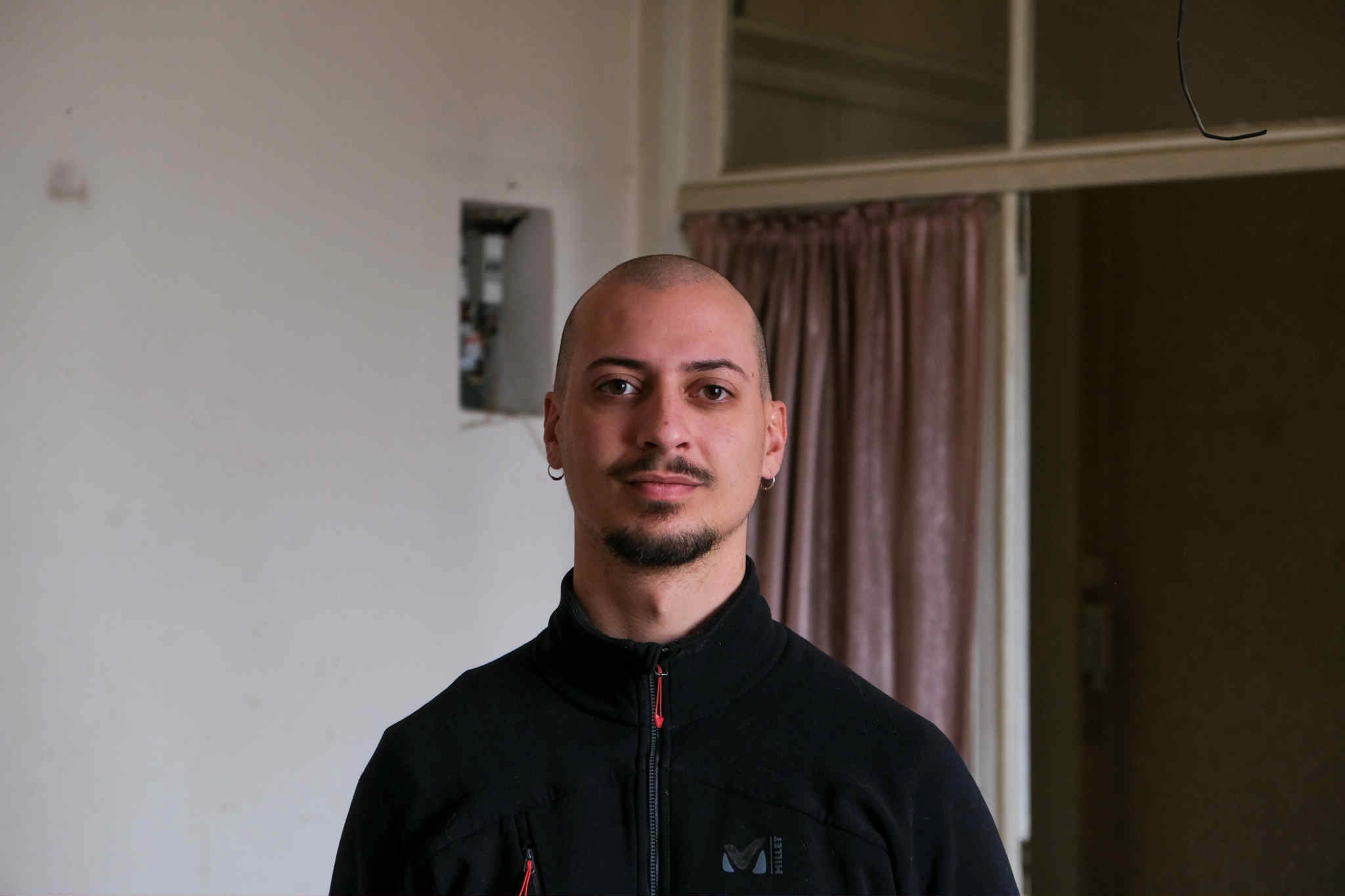
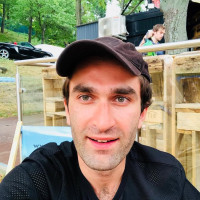
Georgian authorities denied entry to French photojournalist Hicham El Bouhmidi on Aug. 2, as he attempted to return to the country from a reporting trip to Armenia. El Bouhmidi, who had been living in Tbilisi and documenting months of anti-government protests, believes the move was politically motivated and part of a broader pattern of repression targeting foreign journalists.
“I was returning to Georgia via the Armenian-Georgian border at Sadakhlo,” El Bouhmidi told Kyiv Post. “At passport control, a police officer informed me that I had a 5,000-lari [$1,850] penalty connected to a protest in March. I then got interrogated in a separate room by a man in civilian clothes, who asked questions on my identity and job. He took a picture of my professional photojournalist card and called someone on the phone with whom they talked about my photography work. The man asked me to pay the fine without providing any official documentation regarding it, or giving details. I declined as I said I don’t have sufficient funds.”
JOIN US ON TELEGRAM
Follow our coverage of the war on the @Kyivpost_official.
After five hours of waiting, he was handed an official document citing “other cases envisaged by Georgian legislation” as the reason for denial of entry. The police officer advised him to contact the Ministry of Internal Affairs for further details.
El Bouhmidi, who has reported from Georgia regularly since 2024 and was legally staying in the country under France’s 365-day visa-free policy, says he had never encountered any previous problems. His last legal entry was in January 2025, and he left for Armenia on July 21.
Zelensky to Join G7 Summit as Macron Calls to ‘Restore’ Unity on Ukraine
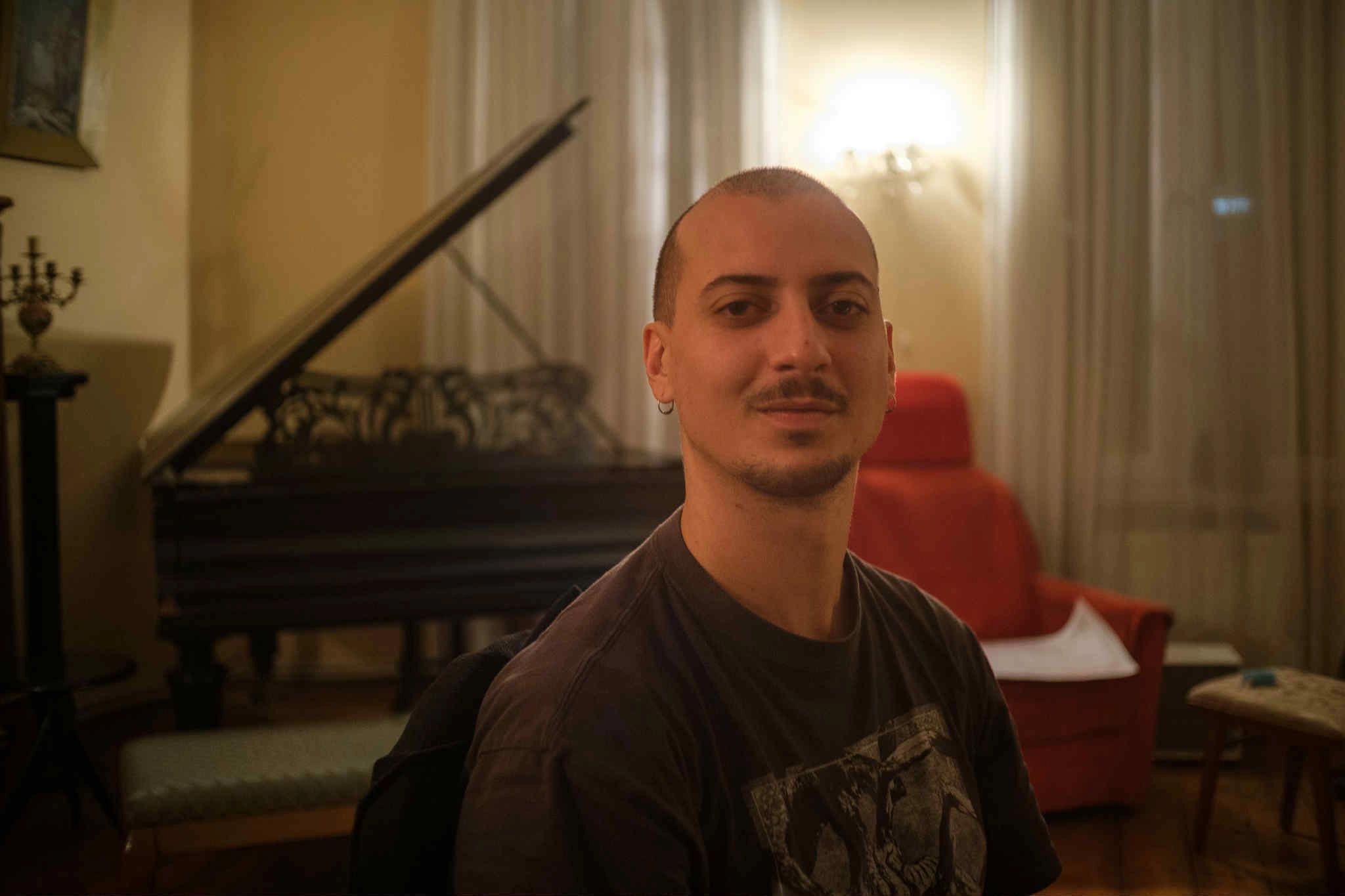
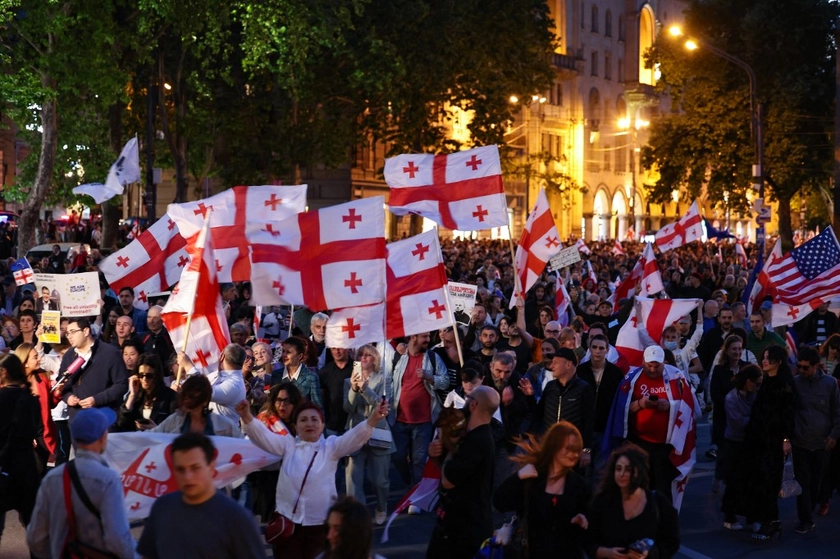
Since October 2024, he had been covering the country’s intensifying civic unrest – photographing both pro- and anti-government rallies, documenting the controversial “Family Purity Day” backed by the ruling Georgian Dream party, and reporting from regional protests in Samegrelo, including Chkhorotsku and Zugdidi.
In addition to political coverage, El Bouhmidi had been working on a long-term documentary project about the Peace Cathedral and the Baptist Church of Georgia, a progressive religious community engaged in interfaith dialogue and refugee advocacy.
“I do believe that I’ve been denied entrance in Georgia due to my coverage of the current events as well as of my job. I’ve been writing mostly on the severe repression that Georgian Dream is conducting against its opponents,” he said. “I’m the fourth French journalist to be denied entry to Georgia since January.”
He is at least the sixth European journalist expelled or denied re-entry in recent months. Others have included German, Italian, and Dutch nationals who had either covered Georgia’s protest movement or expressed support for democratic reforms.
Meanwhile, a Russian state media crew from Kremlin-controlled Rossiya 24 was allowed into Georgia without restriction in July – despite the network’s role in spreading anti-Georgian propaganda and supporting Moscow’s war in Ukraine.
“I am absolutely not surprised that they let them in and not me,” El Bouhmidi said. “Day by day Georgian Dream is unveiling itself more and more as Russia’s vassal. Expected, yes but still sad and infuriating.”
Copying the Belarus and Russia playbook?
The pattern – denying entry to foreign journalists under vague legal justifications – mirrors tactics used by Russia and Belarus. Entry bans are rarely challenged or explained, but are often framed as national security matters.
Georgia’s ruling party appears to be adopting the authoritarian tactics long employed by the regimes in Russia and Belarus. The newly passed “foreign agents” law, aimed at labeling NGOs and independent media as enemies of the state, closely mirrors legislation first introduced by Vladimir Putin’s Kremlin and later expanded by Alexander Lukashenko in Minsk.
These laws are not merely bureaucratic tools – they are political weapons designed to delegitimize civil society, intimidate dissenters, and consolidate one-party rule. Just as in Russia and Belarus, the Georgian government is using “patriotic” rhetoric to justify repressive measures, creating a chilling environment for journalists, activists, and pro-European voices. Critics argue this is not an isolated step, but part of a broader strategy to dismantle democratic checks and shift the country toward autocracy.
Western diplomats have expressed concern over Georgia’s democratic backsliding, particularly after the ruling party passed a controversial “foreign influence” law in June, which sparked massive protests and EU condemnation. Brussels has since frozen accession talks, despite having granted Georgia EU candidate status in 2023.
El Bouhmidi is currently working with a legal team to appeal the decision. He says he has received strong support from Reporters Without Borders and his friends in Georgia.
“It is extremely sad to face an unfair decision such as this one,” he said. “Most likely, I will not be able to work in Georgia for some time, neither to see my friends there or to continue to live in this country that I love.”
You can also highlight the text and press Ctrl + Enter
ANALYSIS: Russia’s Air Defense Problems Are Growing