WASHINGTON DC - The United States has for the first time gained a clear diplomatic roadmap for what Russia would need to end the war in Ukraine, according to Secretary of State Marco Rubio.
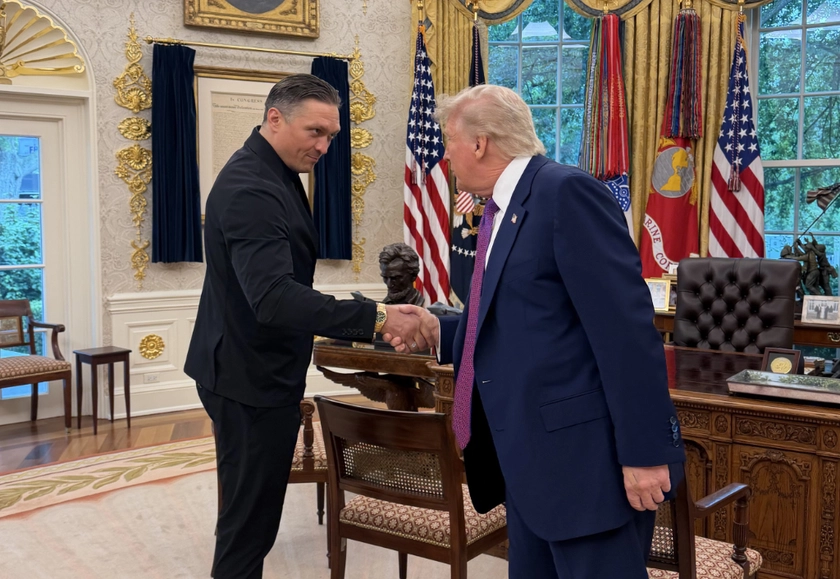
The announcement comes as the administration explores a potential meeting between US President Donald Trump and his Russian counterpart, Vladimir Putin, an idea that critics condemn as a sign of weakness without securing Ukraine’s participation in the room.
JOIN US ON TELEGRAM
Follow our coverage of the war on the @Kyivpost_official.
A Diplomatic “Understanding”
Speaking on EWTN TV on Thursday, Rubio said that US special envoy Steve Witkoff’s meeting with Putin provided new, vital intelligence. “For the first time in this process, there’s at least some understanding of what the Russians would need in order to settle, to stop this war, from a diplomatic standpoint,” Rubio stated, according to the transcription of the interview provided by the State Department.
Rubio was careful to add that this did not mean the US had accepted Russia’s terms. “Now, I’m not claiming that what the Russians would need and what Ukraine would need are the same. There’s a difference, and there’s a gap there,” he said.
The secretary described the current diplomatic focus as an effort to bridge that divide: “The question for us now is can we bridge the gap between the Ukrainian side and the Russian side on this close enough so the President can come in as part of any sort of meeting and maybe be the closer on this deal,” Rubio said.
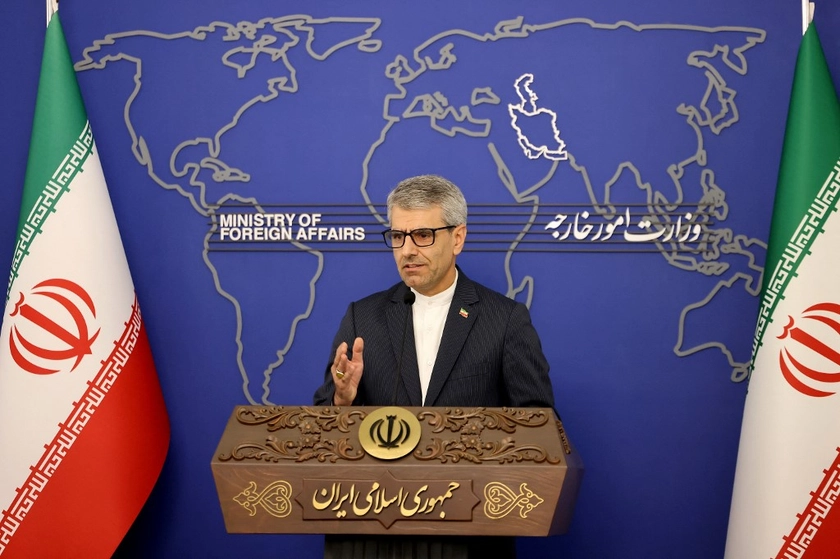
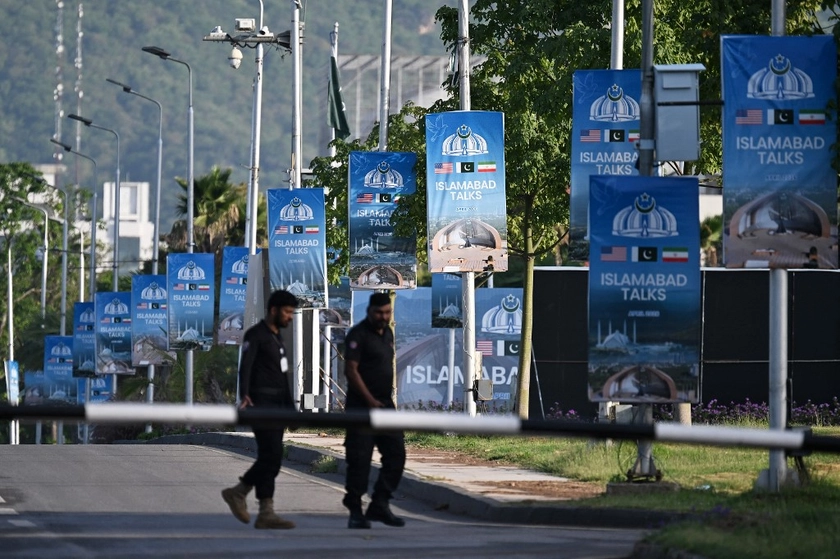
Iran Reveals Details of Upcoming Peace Deal with US
The Role of a Ceasefire
Rubio also stressed the need for a ceasefire, noting the difficulty of negotiating a lasting peace while fighting continues. He cited an example from past talks between Thailand and Cambodia, where an interim ceasefire was a prerequisite for serious negotiations.
“But sometimes you need an interim ceasefire simply to get everybody to the table and to talk,” he said, warning against the risk of talks collapsing due to ongoing violence.
“Sign of Weakness,” Senator Warns
The prospect of a presidential meeting with Putin, however, was met with a stark warning from Senator Jeanne Shaheen (D-NH), the Ranking Member of the Senate Foreign Relations Committee.
Shaheen, who has consistently been a vocal critic of the administration’s policy toward the Kremlin, issued a statement expressing her “real concerns that Putin will see this as a reward and another opportunity to further prolong the war instead of finally seeking peace.”
The senator accused Trump of a pattern of behavior that has emboldened Putin. “It’s time for [Trump] to finally get tough on the Kremlin and use his leverage to end this war,” she said. She specifically criticized the administration for allowing existing sanctions to “atrophy” and for a “reluctance to sanction China for its support of Putin,” which she argued has “weakened our leverage at the negotiating table.”
In her strongly worded statement, Shaheen concluded with a direct challenge to the administration:
“President [Trump] must finally show Putin he means business. Anything short of stiff consequences will be another sign of weakness from this White House.”
You can also highlight the text and press Ctrl + Enter
Putin’s Worst Nightmare