The “Flowers from the Front Line” project is about finding beauty, resilience, and growth amid destruction. It is a creative dialogue between two artists – British artist Phoebe Walsh and Ukrainian artist Olha Morozova – that began in the first days of Russia’s full-scale war against Ukraine.
The project was exhibited at the London Garden Museum (2022), the Palo Gallery in New York, and the British Bedales Memorial Library (2023-2024). Its presentation in Ukraine is part of the Bouquet Kyiv Stage Art Festival – 2025.
JOIN US ON TELEGRAM
Follow our coverage of the war on the @Kyivpost_official.
The opening of the exhibition “Flowers from the Front Line” featuring Olha Morozova, Phoebe Walsh (UK), Philip Norman (UK), and Carmela Corbett (UK) will take place on Aug. 16 at 1 p.m. in the attic of the Metropolitan’s House at St. Sophia Cathedral in Kyiv.
A Story of British-Ukrainian creative dialogue and friendship
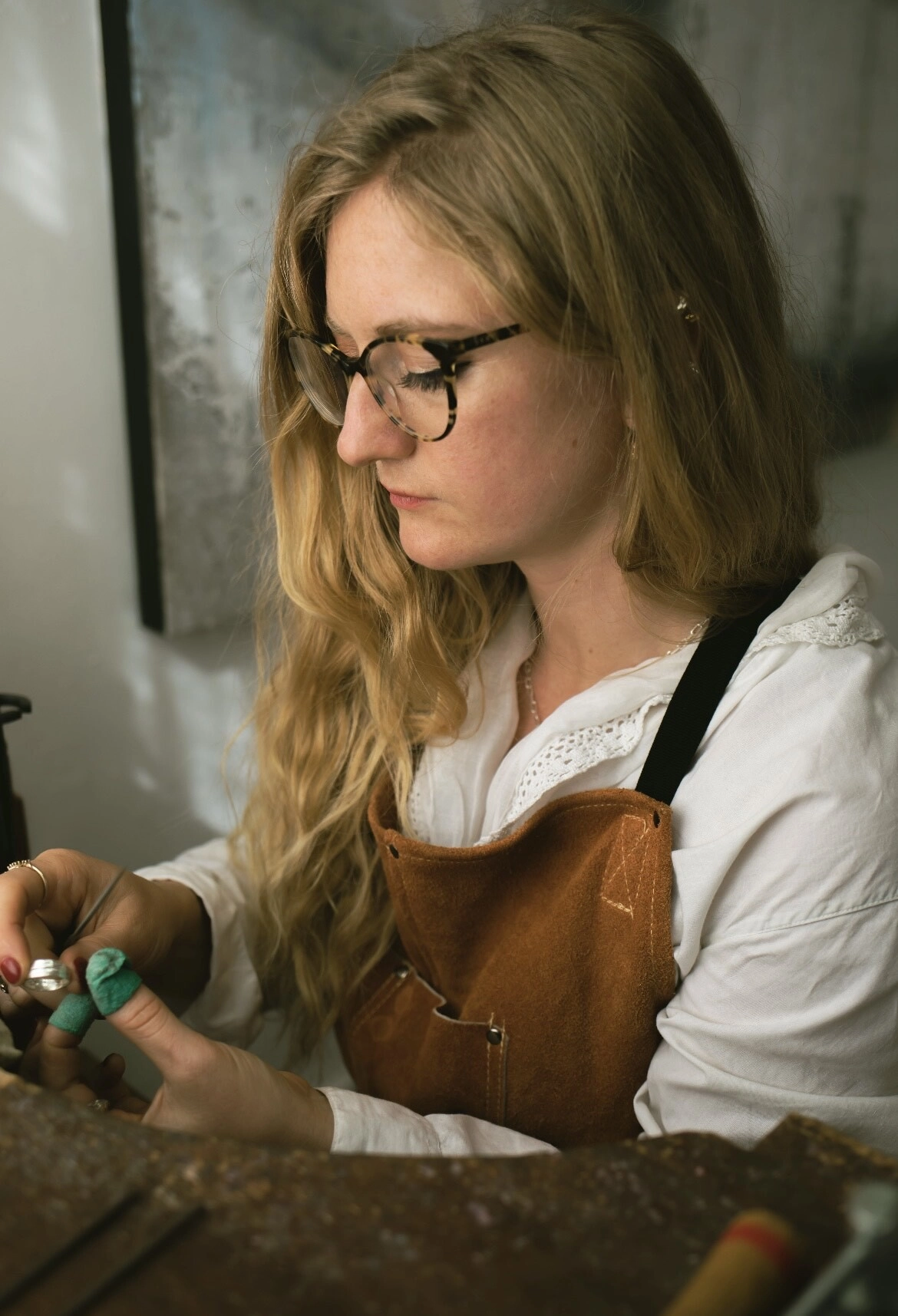
In the early days of Russia’s full-scale war against Ukraine, British artist Phoebe Walsh, who specializes in botanical jewelry made from recycled precious metals, was deeply impressed by the resilience of Ukrainians, especially Kyivans.
‘Die Together’: Ukraine’s LGBTQ Soldiers Fighting Russia – and for Their Rights
Phoebe recalls how in those February days, the civilized world was shaken by a full-scale war in the heart of Europe. The young designer was deeply moved by everything that was happening and continues to happen in Ukraine.
“I wanted to create something that would continue the conversation about the unfolding war, but with faith and hope; to remind people that although life is fragile, it is also resilient,” she says.
Phoebe was inspired by legendary artifacts from London’s Garden Museum that explore nature and war: a herbarium of wildflowers from the battlefields of World War I, collected by soldier George Marr, and a herbarium of flowers from London bombing sites during World War II, preserved by a girl named Jane Lindsay in 1956.
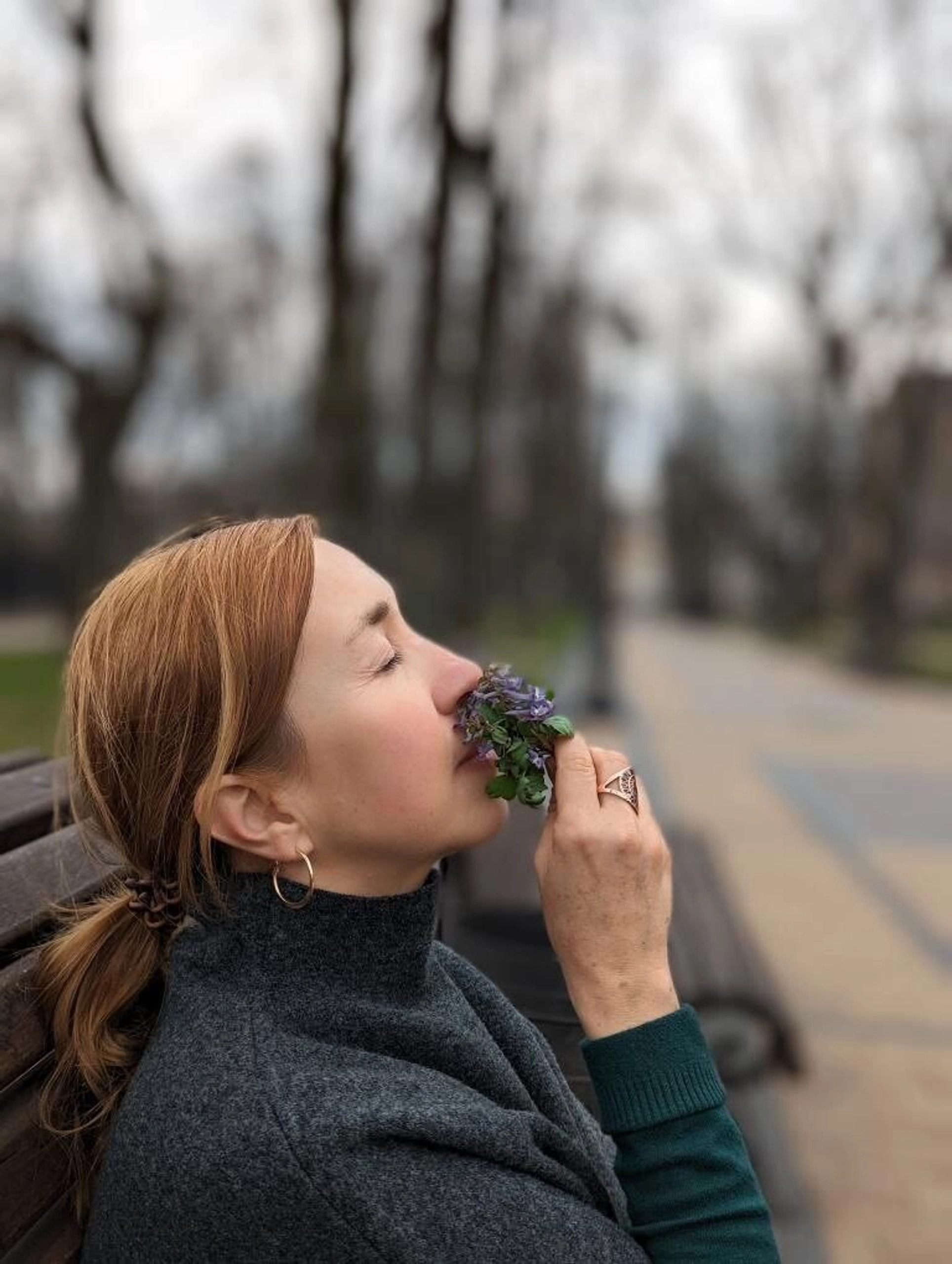
In March 2022, Phoebe began searching for Kyiv-based artists active on social media. Fate connected the British artist with Olha Morozova, a native Kyivan, a renowned artist, and a member of the National Union of Artists of Ukraine. From early March 2022, Olha began working actively on a new art series, posting her work almost daily on Instagram and Facebook. At the time, the artist was in Kyiv with her mother and two teenage sons and had no intention of leaving. Olha immediately agreed to collaborate with the London designer, helping her search for early wildflowers near the fresh trenches in a Kyiv park on the left bank of the Dnipro River. The ground was still frozen then. But Olha hoped that when the wildflowers bloomed, peace would return.
What inspired you to create the “Flowers from the Front Line” project?
Phoebe Walsh: I felt angered by the injustice of war in Ukraine, and a sort of artistic duty to create something to speak about it in my home country of UK. I wanted to create something to bring the discussion of the war home to my country, to share real narratives, through my language as a jeweler – however it came to mean so much more than that. My work as a botanical jeweler is to use and sculpt pressed flowers/plants, and cast them into precious metals. I wondered if I could work with politically charged botanicals, they would have such a powerful meaning, and involve narratives of those living amidst war to outside audiences. The focus for me was to stay close to the power of creativity – an untamable force – in destruction. It is hard and painful to talk of loss and war, yet to an audience far from war, we can all relate to flowers.
The project began as a series of five books, containing flowers picked by Kyiv-based artist Olga Morozova in Popudrenku park. The flowers symbolize a park in transformation – from recreation space, to defensive trenches, to a space of “plain air” art lessons. However, the project grew to contain the paintings of Olga, recording the world through her brushstrokes, and the many incredible individuals who offered their time and energy to help this work evolve. It became a project that recorded many journeys at a challenging time. So many brilliant paintings by Olga of the park, and scrolls recording features like steps that no longer remain. It felt like its own time portal.
How did the idea to artistically use Kyiv flowers that grew on the front line in 2022 come about?
Phoebe Walsh: I visited the archive of the London Garden Museum with a volunteer, Philip Norman, in search of 14th-century medical journals. We discussed the shock and horror of the crimes at the beginning of Russia’s full-scale invasion of Ukraine. The atmosphere was somber and unsettling. Philip led me to a cabinet filled with pressed wildflowers collected by World War I veteran George Marr while he was fighting on the Eastern Front. In this exhibit, I saw evidence of love, strength, and the power of nature. George was a soldier who looked for flowers and thought of his fiancée amidst the pain and suffering of war. This gesture moved me beyond words. I realized I wanted to make a miniature book out of precious metals for pressed flowers, and it was at that moment I understood that I could use flowers collected on Ukraine’s new front lines.
I decided to connect with Ukrainians to collect plants from the new front lines to continue this conversation abroad – about the war, personal stories revealed through plants, and everything else that would unfold along the way. My journey led me to Olha, who reminded me of the resilience of artists and how they seek light and beauty in an unpredictable world; in times filled with pain and destruction. Olha is a true inspiration to me. Without Olha, who answered my request to go searching for flowers when her city was on fire, who saw the potential of the project, nothing would have happened. Her bravery and courage fill me with genuine admiration.
Looking back at the beginning of your creative dialogue with the British designer, what is your main reflection?
Olha Morozova: The “Flowers from the Front Line” project emerged not as an artistic strategy or concept, but as a human reaction to pain, uncertainty, and the need to support each other in the darkest days of the full-scale invasion. Phoebe is not a businesswoman and does not have a large foundation. She is simply a talented artist and a person with a sensitive heart who initiated the “Flowers from the Front Line” project and created the jewelry collection Love Letter to Kyiv, in which 20% of the sales of each piece are donated to a fund supporting creative youth in Ukraine.
What did the invitation to collaborate and co-create mean to you personally in those first anxious days and weeks of the full-scale war?
Olha Morozova: At the beginning of the war, I didn’t think I was participating in any project. I was just helping a London-based jewelry artist, Phoebe Walsh, collect Kyiv flowers. It was her idea to make silver books with flowers to be featured at an auction to help Ukrainian artists. And I wanted to distract myself from the horrible reality we found ourselves in, with complete uncertainty, when Kyiv was almost surrounded...
Our collaboration grew into a deep friendship. We don’t speak each other’s languages and have never met in person, but a genuine trust has formed between us, and we feel a spiritual kinship. Phoebe became a spiritually close person who sincerely supported me in both words and deeds.
You and Phoebe often emphasize that this joint project encourages renewal and growth. What did “Flowers from the Front Line” personally reveal to you?
Olha Morozova: I was walking in the rain, and the grass was covered in droplets, bent under the weight of the water. I looked at it for a long time and suddenly realized that Phoebe had taught me to see the beauty in the small and inconspicuous. Before this, I saw the world in large, colorful, defocused patches. But Phoebe showed me a different perspective – attentiveness to the minute, the fragile, to the beauty that is easy to miss. Learning to see and appreciate even the smallest things gives you the strength to live. This project, for me, is about trust, presence, and humanity. It’s about how art is not just about objects, but about connections. It’s about love, support, and a deep, subtle understanding at the level of soulful and spiritual communication that does not require a perfect knowledge of a foreign language. And for me, it is a great honor to be part of this space of light and warmth that was born in the darkest of times.
As part of the joint “Flowers from the Front Line” project, British jeweler Phoebe Walsh created a series of five miniature books from recycled silver. Each book contains a dried Kyiv flower from the first spring of the full-scale war. Later, the designer presented the Love Letter to Kyiv jewelry collection, created using dried wartime Kyiv flowers.
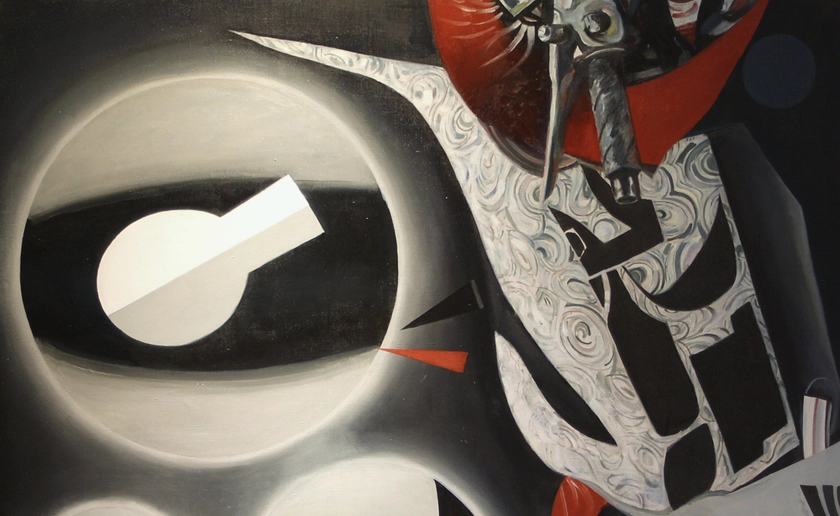
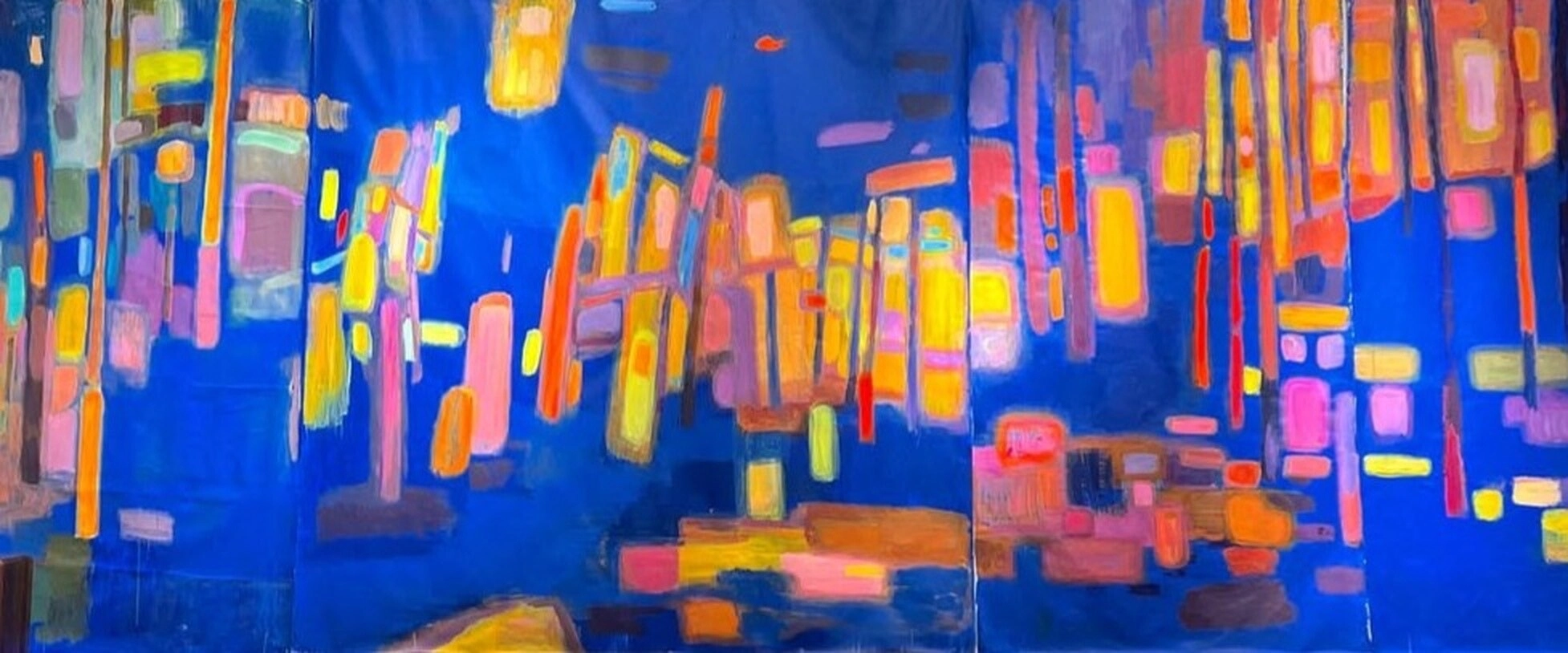
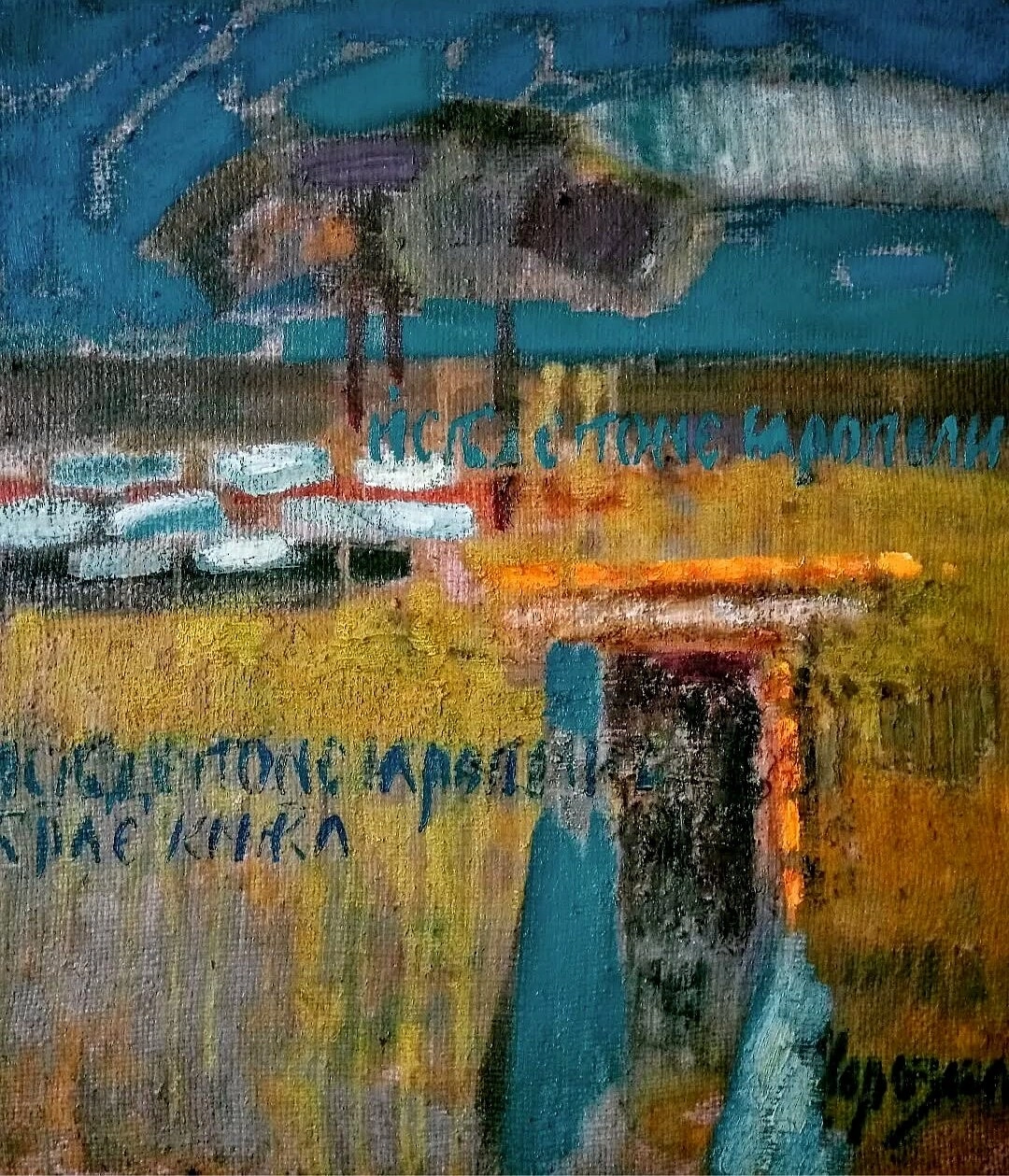
Within the British-Ukrainian project, Olha Morozova painted several new art cycles. The first cycle, “City Fortifications,” which realistically depicts the trenches and dugouts in a park on Kyiv’s left bank, was created during the first months of the great war. The works are supplemented with Kyivan Rus’ texts that intersect with the modern struggle for Kyiv. The second cycle, “Flowers of War” / “Flowers of Hope,” consists of artworks created using dried flowers. And the third cycle, titled “Forest Stained Glass,” features bright, large-scale canvases that became a symbol of escape into a world of beauty. The artist interprets “Forest Stained Glass” as an inner Narnia, a place one wants to escape to when surrounded by pain and destruction.
What important things about Ukrainians and Ukraine did you discover while working on this project?
Phoebe Walsh: I learned about Ukrainian might, and strength... but most of all, I learned about human resilience. I was struck by the desire to create even in times of pain. In fact, meeting Olha, I felt how a creative rage is born out of a state of fear. “I am here, I am staying, you cannot take this from me” – this is a very powerful message. As the project grew, I learned about many inspiring people who helped the project develop. This is their story, too.
You can also highlight the text and press Ctrl + Enter
OPINION: Cutting Off Crimea
Ukrainian Art to Make Landmark Debut at Oxford