WASHINGTON, DC – The diplomatic tightrope US President Donald Trump’s administration is walking on Ukraine’s future security is becoming clearer, as a recent series of high-level talks reveals the profound chasm between what Kyiv and its allies seek and what Russia is willing to accept.
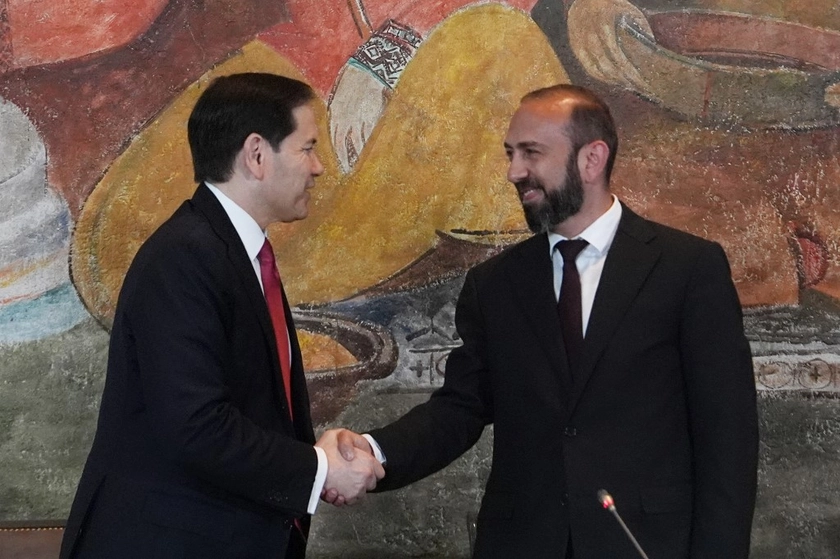
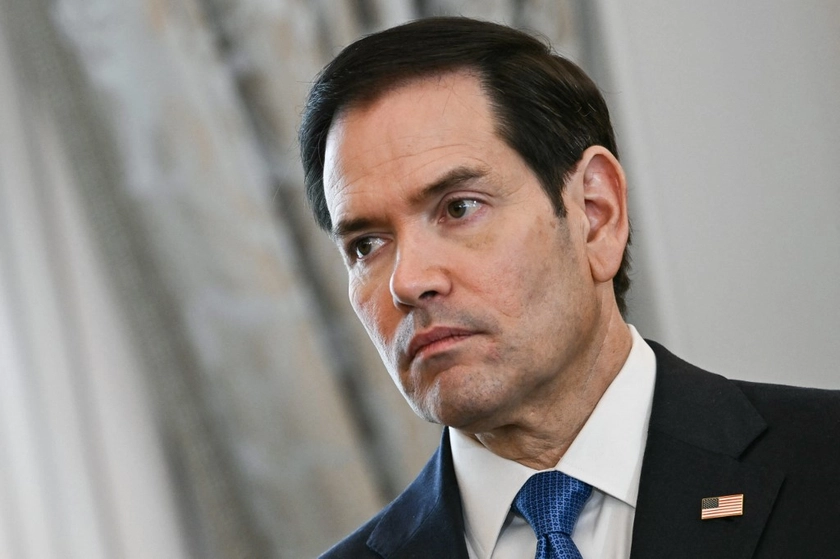
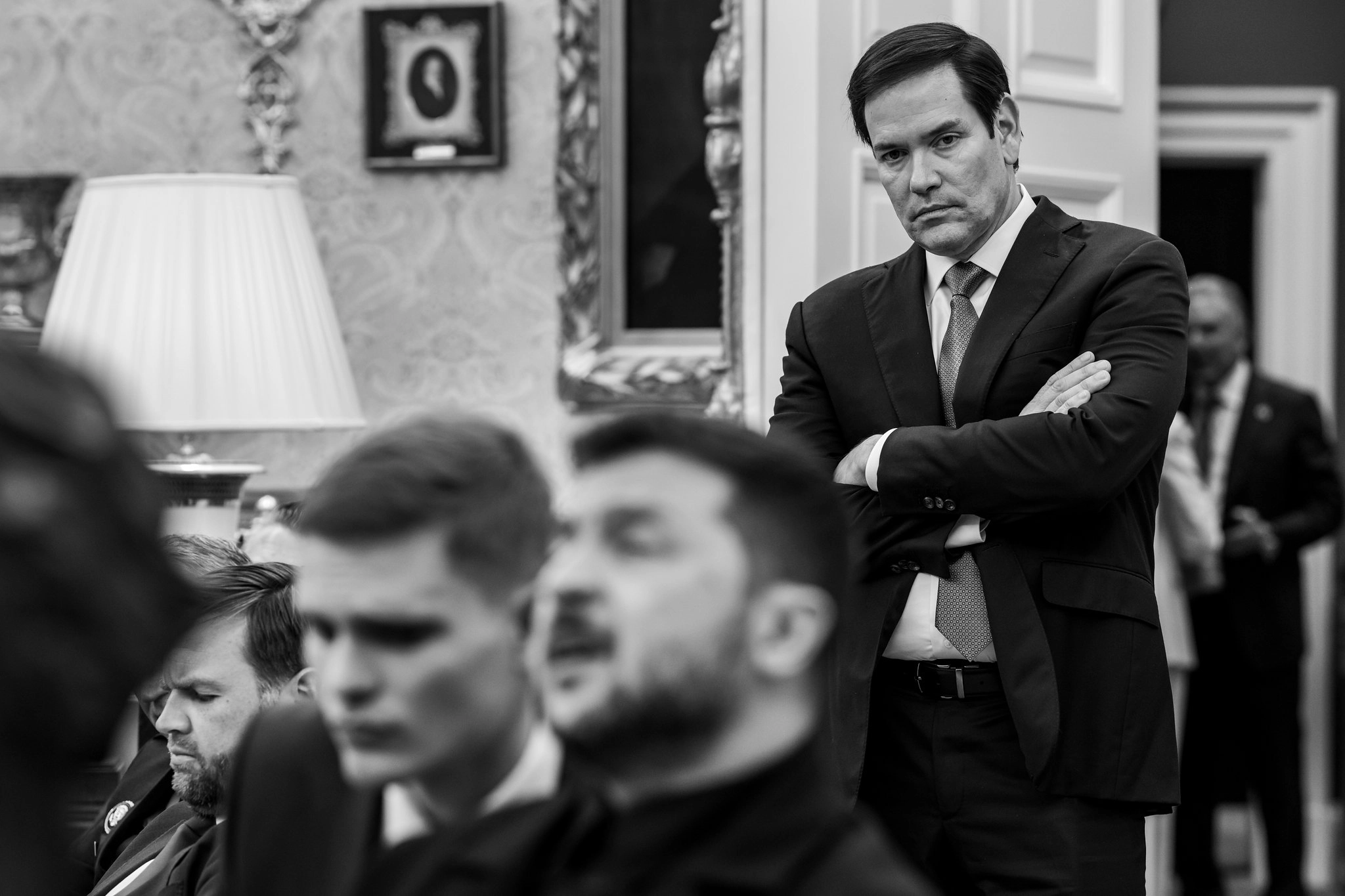
At the heart of this complex negotiation is the question of “security guarantees” – a phrase that means something entirely different to each party and has now been tasked to Secretary of State Marco Rubio to define.
JOIN US ON TELEGRAM
Follow our coverage of the war on the @Kyivpost_official.
Paradox of credible deterrence
According to Dr. Michael Cecire, a defense and security researcher at the RAND Corporation, a Washington think tank, the core problem is that “truly viable security guarantees for Ukraine are likely to be exactly the kind that Russian leadership would reject outright.”
As Cecire explained in an interview with Kyiv Post, the logic is simple but brutal: to be effective, any security arrangement must deter future Russian aggression, and the only proven deterrent is a credible military commitment.
This commitment would, in effect, be “indistinguishable from NATO Article 5 mutual defense clauses – albeit without the institutional and logistical support of the Atlantic Alliance.”
Article 5, the principle that an attack on one member is an attack on all, has long been the gold standard for collective defense. While NATO membership for Ukraine is off the table, as confirmed by President Trump and others, the discussions now center on crafting an “Article 5-like” substitute.
Alaska Deal or No Deal? US, Russia Clash Over Secret Trump-Putin Talks
A senior US official familiar with the discussions confirmed to reporters on Thursday that military chiefs from the US, UK, France, Germany, Italy, Finland, and Ukraine have been developing “new proposals” that will be presented to their respective national security advisers. These plans are designed to determine what would be “both militarily feasible and acceptable to the Kremlin.”
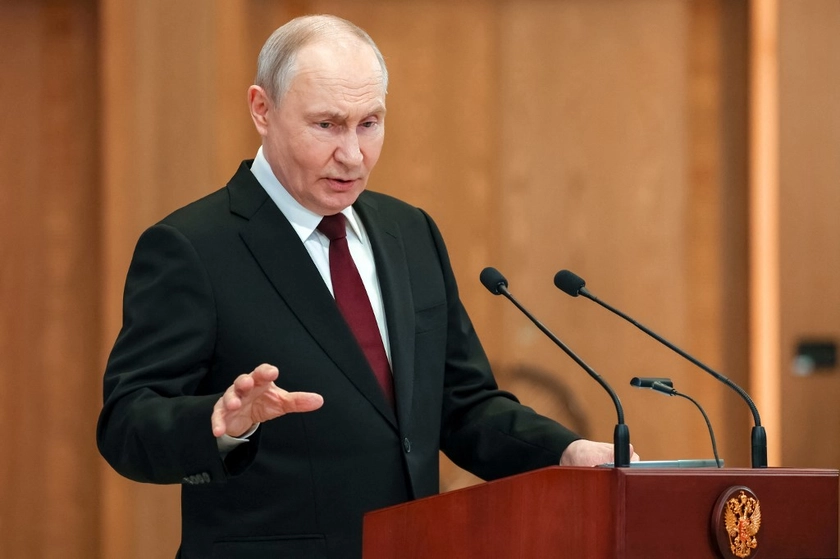
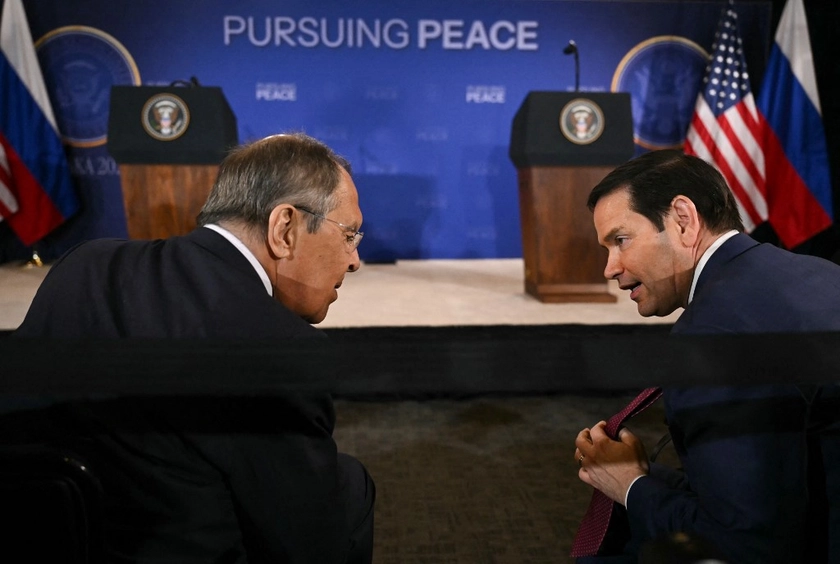
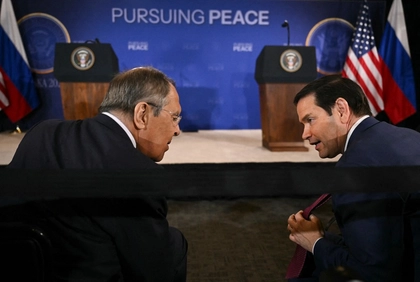
But the Kremlin’s position, as voiced by Foreign Minister Sergey Lavrov, suggests a deal is a “road to nowhere” without Moscow’s participation. Lavrov’s comments, which also questioned President Zelensky’s legitimacy, underscored Russia’s hardline stance. He called Western-proposed guarantees a “hopeless venture,” arguing they are essentially “foreign military intervention of a certain part of the Ukrainian territory.”
Air Power as a ‘powerful deterrent’
A key element of any potential security guarantee, as highlighted by Dr. Cecire, is the role of US and European air power.
“If US and European aircraft and air-defense assets were directly involved, Russia’s operational viability in Ukraine would be severely degraded – if not entirely denied,” he told Kyiv Post. According to him, while US air power lacks the symbolic weight of boots on the ground, it would “nonetheless serve as a powerful deterrent to future Russian aggression.
Despite its scale and ability to regenerate forces, the Russian military has shown that it remains limited in conducting precision-enabled, combined arms maneuver warfare – or even achieving full air dominance, despite its nominally superior air forces and air defense systems.”
The analyst highlighted that Russian military planners have long feared NATO air power, particularly US capabilities, and likely see little reassurance in the idea of the US ‘only’ committing air assets.
This is a point of leverage that military planners believe would get Russia’s attention. Despite its numerical superiority, the Russian military has struggled to achieve full air dominance, and the thought of facing Western air power is a long-standing fear for its military strategists. However, the question of what the US is willing to commit remains a significant point of contention.
The Pentagon’s top policy official, Elbridge Colby, has reportedly told allies that the US would play a “minimal role.” This has caused concern among European leaders who believe a US “backstop” is essential.
A senior administration official, speaking to the Kyiv Post Thursday afternoon, sharply rebuked Colby, stating, “This is the [US] President’s decision only – not Colby’s – to define and decide what role the US will play in Ukraine’s security guarantees.”
As for Colby, he “should keep his mouth shut!” the official insisted.
Europe’s non-negotiables
This internal debate within the Trump administration, coupled with a lack of clear signals from Moscow, makes Rubio’s mission exceptionally difficult.
He must not only craft a proposal that satisfies Kyiv’s existential security needs but also one that is palatable to a coalition of European leaders. Yet, a powerful counterpoint to Russia’s demands for a seat at the table has emerged from a key European partner.
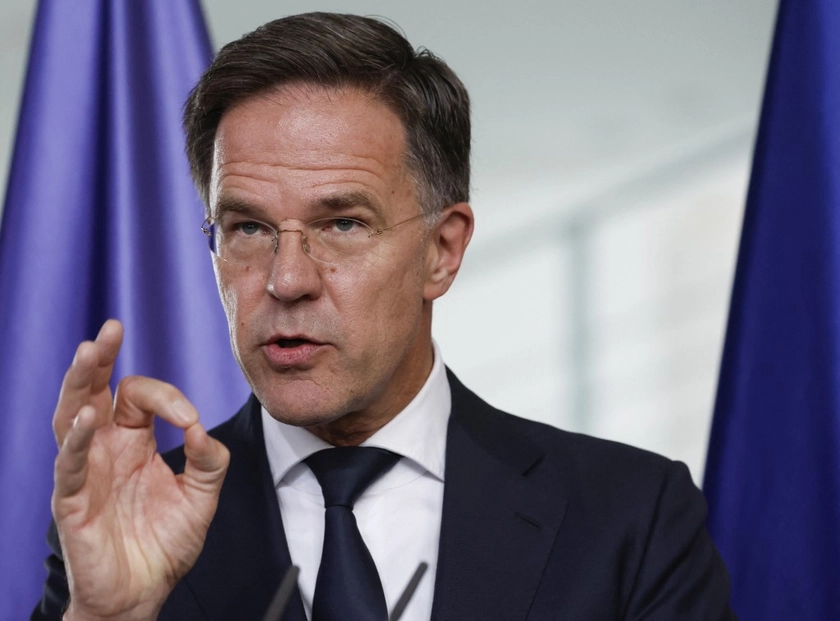
Finnish President Alexander Stubb, whose country shares a long border with Russia and recently joined NATO, has directly challenged the notion that Moscow has a say in Ukraine’s future. Speaking to reporters in Washington early this week, Stubb laid out four key areas that are “completely off the table” for Russia to negotiate: EU membership, NATO membership, Ukraine’s defense, and the broader European security order.
He stated plainly: “It is not Russia who decides on EU membership. It is the European Union who does that. It is not Russia that decides on NATO membership. It is the Alliance itself.”
Stubb’s comments serve as a powerful counterpoint to Russia’s demands for a seat at the table, underscoring that while a peace deal requires negotiation, fundamental principles of sovereignty and security are non-negotiable.
Path to securing US interests
RAND Corporation’s Cecire offers a final perspective on the nature of a strong security guarantee: “From a conventional perspective, any US security guarantee strong enough to end the conflict would, in practice, be functionally similar to a NATO Article 5 commitment, though with the added benefit of a broader pool of allied combat power, organizational and logistical infrastructure, and reciprocal Ukrainian commitments to assist the US and its allies,” he said.
Given Ukraine’s significant capabilities, “that could ultimately make such an arrangement a more straightforward path to securing US interests in Europe,” he concluded.
You can also highlight the text and press Ctrl + Enter