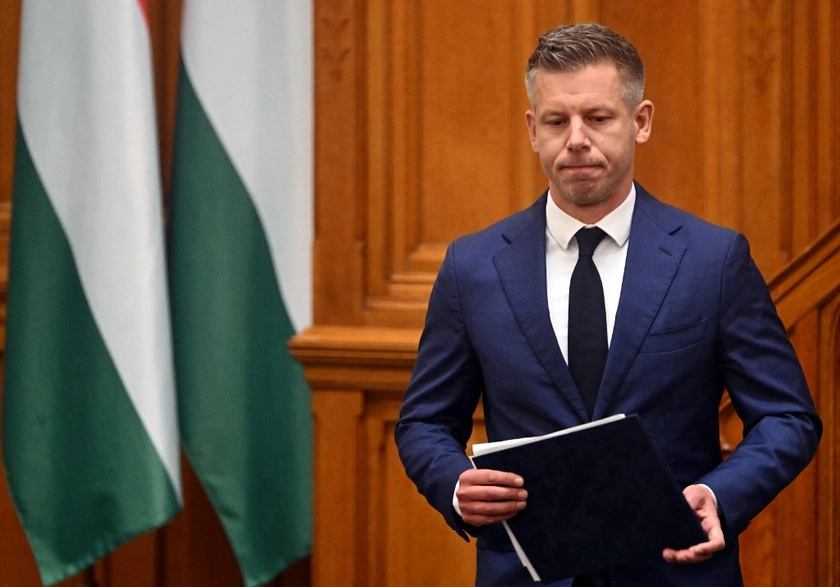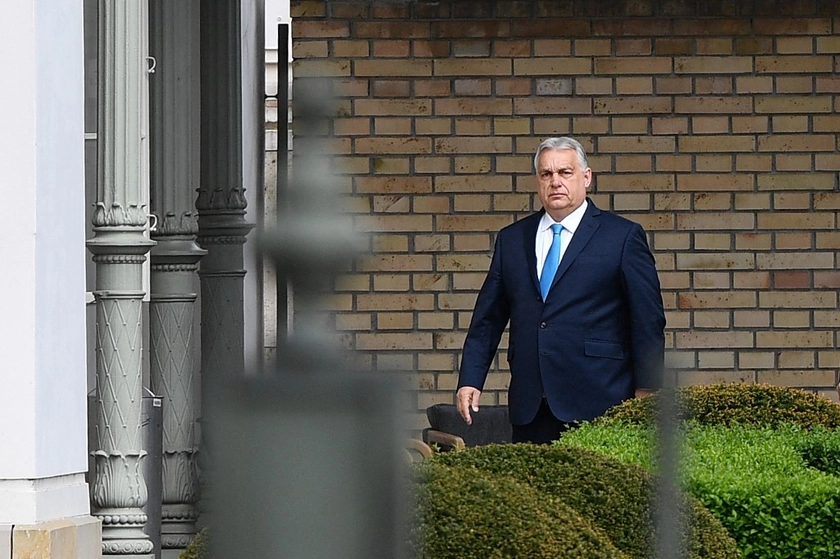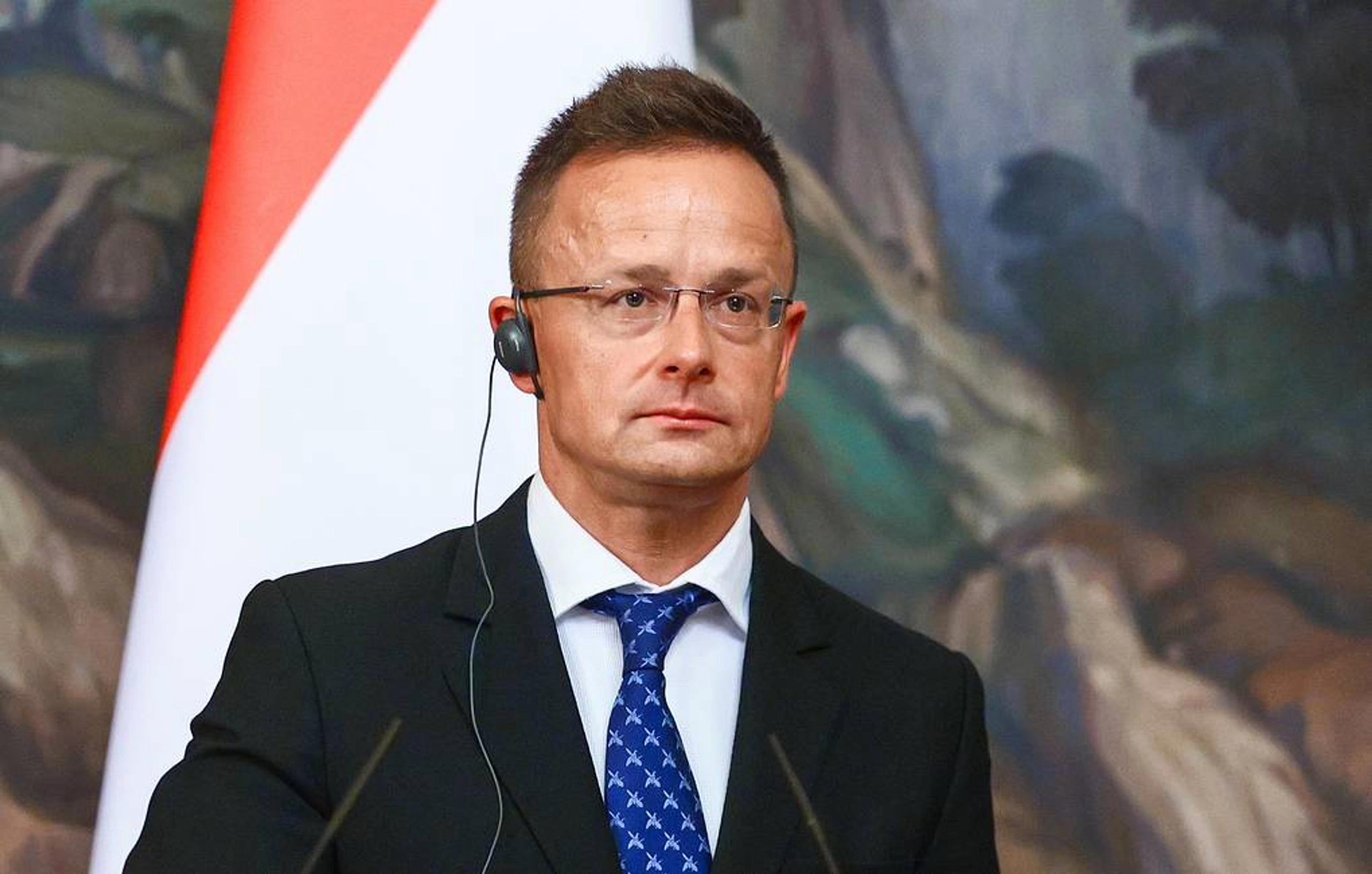
Hungarian Foreign Minister Péter Szijjártó said that his country may reconsider electricity supplies to Ukraine after Ukrainian drone attacks on the “Druzhba” oil pipeline.
Szijjártó accused Ukraine of “open anti-Hungarian policy” and hinted that Budapest could create “difficulties” for Kyiv in the energy sector.
JOIN US ON TELEGRAM
Follow our coverage of the war on the @Kyivpost_official.
“Ukrainians had better keep this in mind when, at various planning tables, they decide whether to bomb the Druzhba oil pipeline or not. So let this be in their thoughts,” the Hungarian minister said.
According to him, Hungary currently provides 30-40% of Ukraine’s electricity imports, and the cessation of these supplies would have serious consequences: “Several types of energy carriers are supplied from Hungary to Ukraine. Among them, electricity stands out in particular, accounting for 30% to 40% of Ukraine’s monthly imports. Let us think about what this will lead to if, for example, 30-40% of electricity imports into the country stop, what consequences this will have?”
He also added that possible restrictions in the energy sector “will affect not the government, not the prime minister, not the ministers, but the people, families, and children living in this country.”
At the same time, he said that “We do not want anything bad for the Ukrainian people and Ukrainian families, we are better than that.”
Hungary Blocks Ukraine, Moldova’s EU Membership Talks
At a press conference in Kyiv on Aug. 24, Zelensky hinted – with a touch of irony – that recent strikes on the pipeline may have been tied to Hungary’s stance on Ukraine’s EU accession.
“We have always maintained friendship [Druzhba in Ukrainian and Russian – ed.]. Now the existence of the Druzhba [pipeline – ed.] depends on Hungary.”
Hungarian Foreign Minister Péter Szijjártó swiftly slammed the remarks, accusing Ukraine in a Facebook post of launching attacks “against the security of Hungary’s energy supply” and warning that the attacks could be interpreted as attacks against Hungary’s “sovereignty.”
“An illegitimate explanation for the violation of our sovereignty is a war we have nothing to do with,” Szijjártó wrote, calling on Zelensky to “stop threatening Hungary” and “stop risking” the country’s energy security.”
Ukraine’s foreign minister, Andriy Sybiha, fired back on social media, insisting that Budapest has no right to dictate Kyiv’s actions.
“You don’t need to tell the Ukrainian President what to do or say, and when,” Sybiha posted on X. “He is the President of Ukraine, not Hungary. Hungary’s energy security is in your own hands. Diversify and become independent from Russia, like the rest of Europe.”
Since early August, Ukrainian drones have struck the Druzhba pipeline several times –on Aug. 13 and Aug. 21 – disrupting deliveries of Russian oil to Hungary and Slovakia, both of which have maintained friendly relations with the Kremlin.
Both countries lodged complaints with the European Commission, and Hungarian Prime Minister Viktor Orbán wrote to US President Donald Trump about the attacks. Hungarian media reported that Trump responded, saying he was “angry” over the situation.
The Druzhba pipeline, one of the world’s longest, has become a flashpoint in the wider energy war between Kyiv and Moscow. While Ukraine argues that Russian oil flowing through its territory finances the Kremlin’s invasion, EU members reliant on the pipeline – particularly Hungary and Slovakia – claim the strikes threaten their economic stability.
Hungary’s government, led by Orbán, has often clashed with EU partners over its close ties to Moscow. Budapest has repeatedly blocked or delayed sanctions on Russia, resisted military aid to Ukraine, and opposed EU efforts to phase out Russian energy.
You can also highlight the text and press Ctrl + Enter