Ukraine has redirected its sugar exports from the EU to other regions following the expiration of trade preferences from the bloc earlier this year.
In the 2024/25 marketing year, Ukraine exported 580,000 tons of sugar, accounting for 32% of its total sugar production. Only 17% of that went to the EU compared to 77% in 2023/24. The remaining 83% were exported to the markets outside the EU.
JOIN US ON TELEGRAM
Follow our coverage of the war on the @Kyivpost_official.
The marketing year is a period that runs from one harvest to the next, between July and August.
Yana Kavushevska, chairman of the National Association of Sugar Producers of Ukraine, called it a “significant shift.”
“This marks a significant shift in Ukraine’s sugar export geography compared to the previous 2023/24 season, when 77% of sugar exports went to the EU and only 23% to non-EU markets,” Kavushevska wrote on her LinkedIn profile.
On June 5, 2025, the Autonomous Trade Measures (ATM) between the EU and Ukraine expired. The ATM, which removed tariff rate quotas on 36 categories of Ukrainian goods, was negotiated with the EU following Russia’s full-scale invasion, as Russia’s navy was blockading Ukraine’s Black Sea ports.
But these measures had led to protests by Ukraine’s European neighbors, who faced new competition with cheap Ukrainian imports.
This marketing year, Bulgaria received the largest EU share, taking 59% of Ukraine’s sugar shipments to the bloc. Turkey became the top non-EU buyer, buying 14% of Ukraine’s sugar exports. According to Kavushevska, Libya accounted for 10% of Ukraine’s sugar exports, North Macedonia 8%, and Lebanon and Somalia 5% each.
Ukraine Among Beneficiaries as US Announces $1B Aid Package for UNICEF, WFP
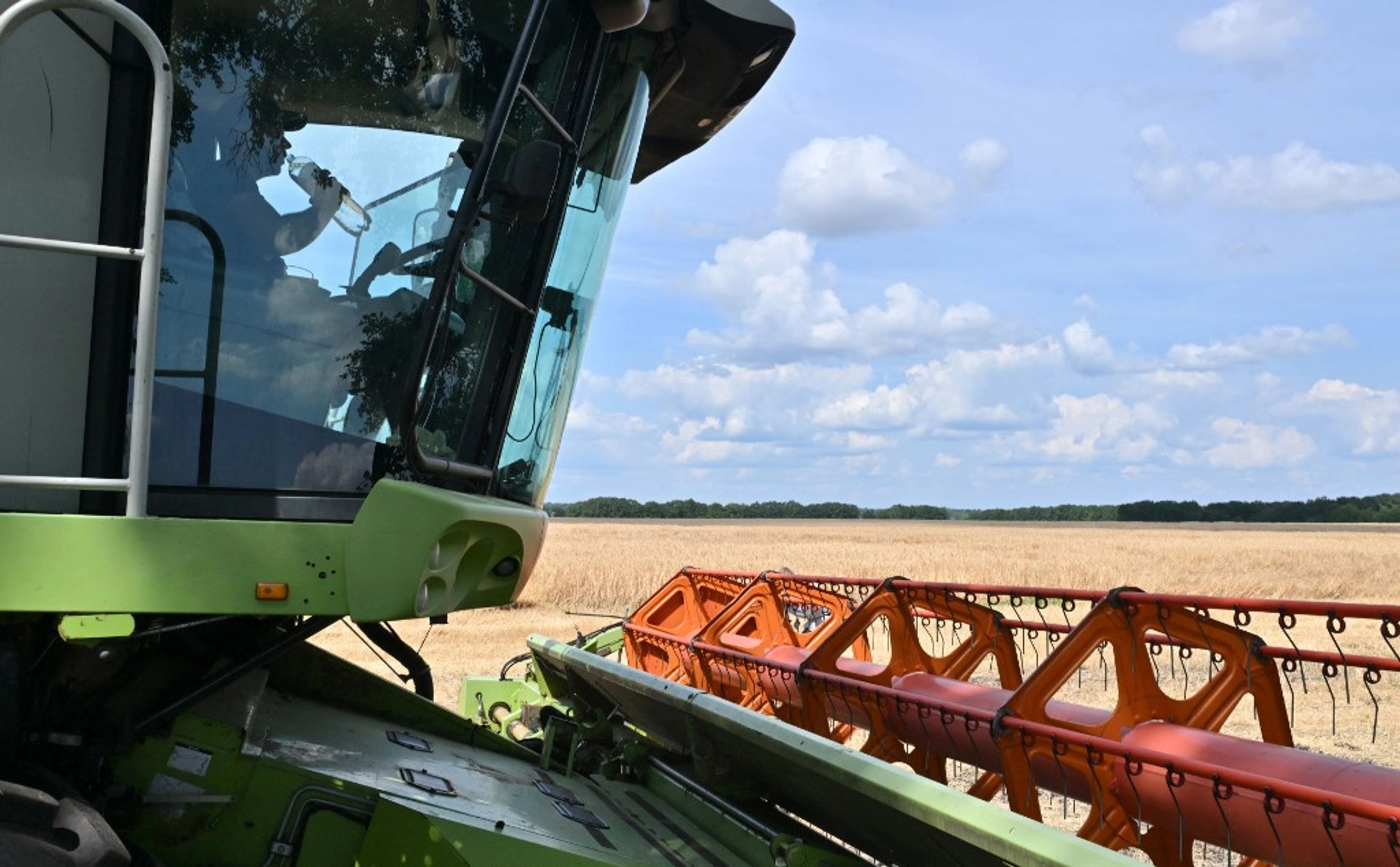
According to her, Ukrainian farmers have already started harvesting sugar beets for the 2025/26 marketing year. They planted sugar beet on 198,000 hectares. Forecasted production for the next season is 1.5 million tons.
“Ukrainian sugar sector remains a strategically important part of Ukraine’s agricultural economy, contributing to export revenues, rural employment, and global food security,” Kavushevska wrote.
Following the suspension of EU preferences, trade between Ukraine and the EU will once again be governed by the Deep and Comprehensive Free Trade Area (DCFTA), a component of the Association Agreement signed in 2014 and effective since 2017.
This month, Ukraine expects to complete the procedure under the new regulations with European governments. The updated agreement will provide predictable trade frameworks.
At the same time, Ukraine’s grain exports are expected to exceed current quotas, Deputy Prime Minister for European Integration Taras Kachka – also Ukraine’s trade representative – said at a Sep. 4 conference hosted by the “Ukrainian Agrarian Business Club,” according to Forbes Ukraine.
“The updated agreement will matter most for exporters of sensitive product groups, such as milk and meat. We have learned certain lessons from 2022-2023 and understood what might have concerned the EU,” Kachka said. “Sometimes, more predictable rules are more advantageous than having no trade restrictions at all.”
Ukraine’s economy is expected to lose revenues by the end of this year due to the EU’s turnaround, which will also reduce real GDP growth.
Kyiv Post previously reported that Poland, Romania and Hungary began lobbying to end barrier-free trade with Ukraine as early as 2023.
Ukraine’s central bank, the National Bank of Ukraine (NBU), estimated that removing the EU trade preferences will cost Ukraine $700 million in revenue by the end of 2025.
“This reflects losses to our exports, taking into account that a significant share of supplies to Europe will continue, though competitiveness will be somewhat reduced due to tariffs that exceed quotas,” NBU Deputy Governor Sergiy Nikolaychuk said during the Centre for Economic Strategy online presentation of the macro forecast for the second half of 2025.
To pressure the EU and Ukraine, Polish farmers physically blocked the roads near the Polish-Ukrainian border during 2023-2024, draining revenues for the war-torn country. Polish farmers blamed Ukraine for the decrease in agricultural prices, arguing that cheap Ukrainian grain had “flooded” the EU market.
You can also highlight the text and press Ctrl + Enter

Iran Reveals Details of Upcoming Peace Deal with US
Iran Rejects Trump’s Sunday Peace Treaty Timeline