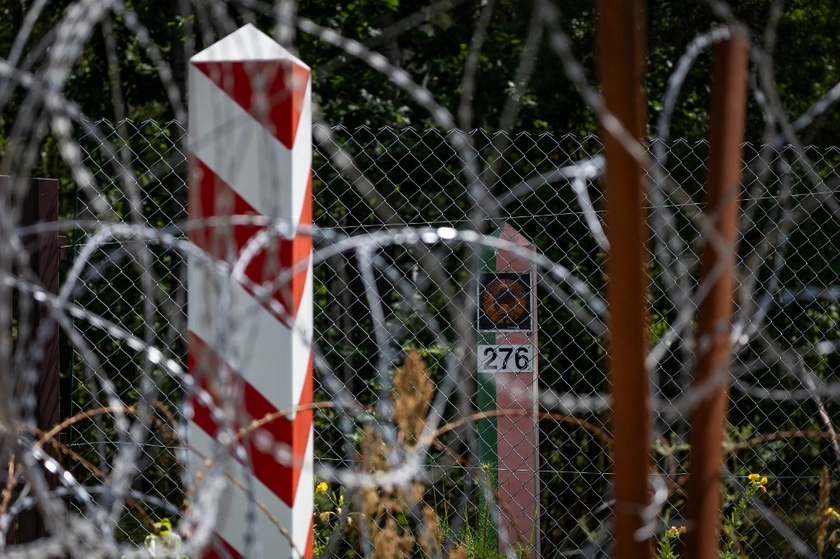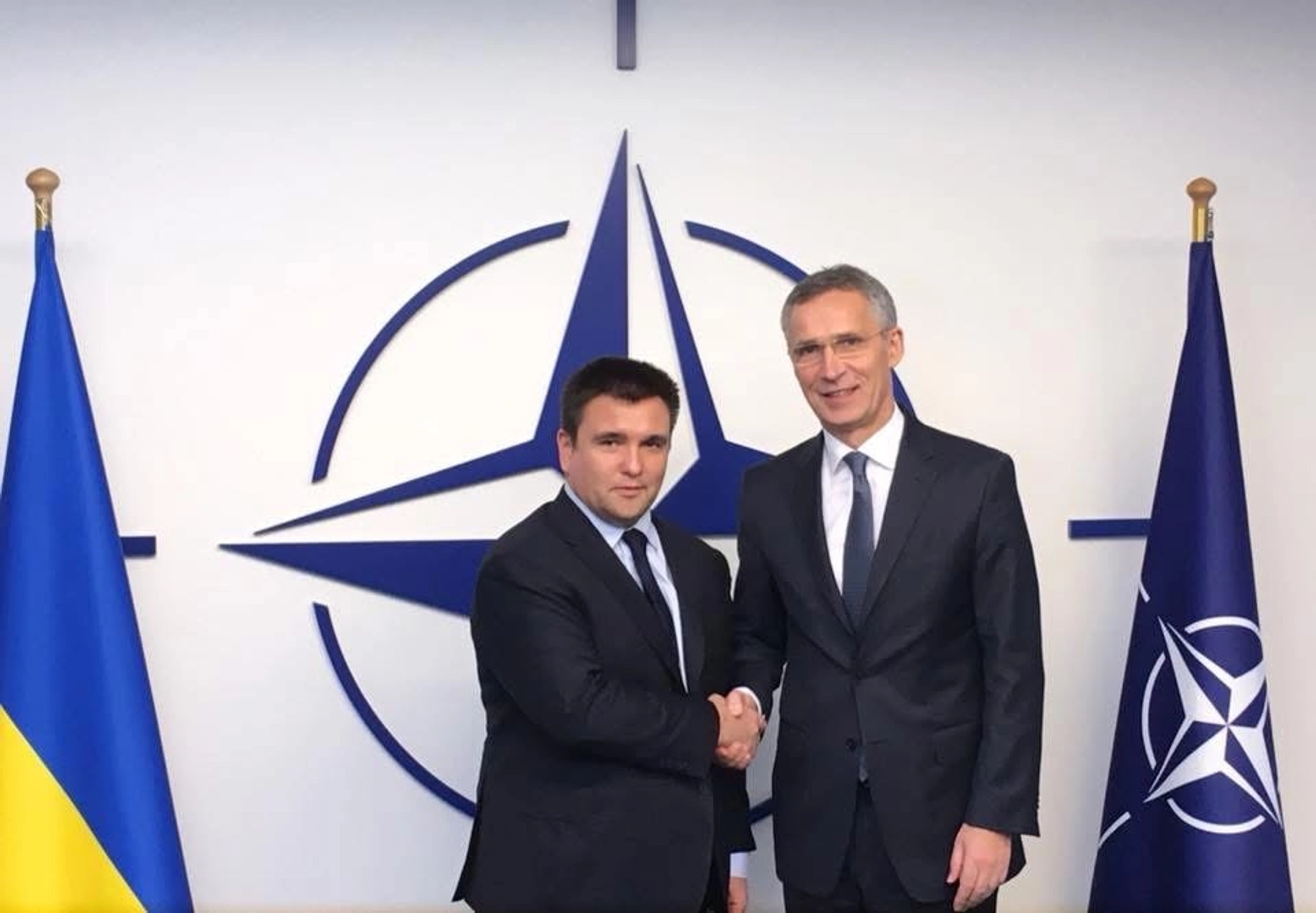
Recently, a large number of Russian drones violated Polish airspace. What was Russia’s objective in doing this?
PK: First of all, it was a pure provocation. Secondly, it should be placed in a broader context, which – in my opinion – is not being noticed either in Poland or in the domestic Ukrainian public debate. The “Zapad” military exercises are starting in Belarus, and Russia must show the world that it can effectively exert pressure and raise the stakes. The Russians are conducting a hybrid and cognitive war, and they also want to demonstrate that the ongoing war can – and in their view probably should – spill over into other countries. I also believe that this event is significant: Russia is testing how far it can go.
Did Poland and NATO pass this test?
PK: On the one hand – yes, on the other – no. Yes, because NATO forces actively participated in the operation against the drones. That’s a very important signal – both for Poland and for the entire Alliance. No, because real strength wasn’t shown. In the opinion of many, what happened demonstrated that NATO and Poland are not prepared for this kind of threat, regardless of the steps taken and signals sent.
The Russian threat has been talked about for years, and if, during that time, procedures for an adequate response to a Russian drone attack have not been developed, then we can talk about a lack of preparedness. Cheap Russian drones were being shot down with expensive, advanced missiles which is, at the very least, a strange practice. Of course, such a situation should not have happened at all, but Poland should also be psychologically prepared for such incidents. I mean here the concept of total – comprehensive – defense, as is the case, for example, in Finland or Sweden. I see discussions in Poland about the lack of such a concept, but not in the military sense – rather in the psychological sense.
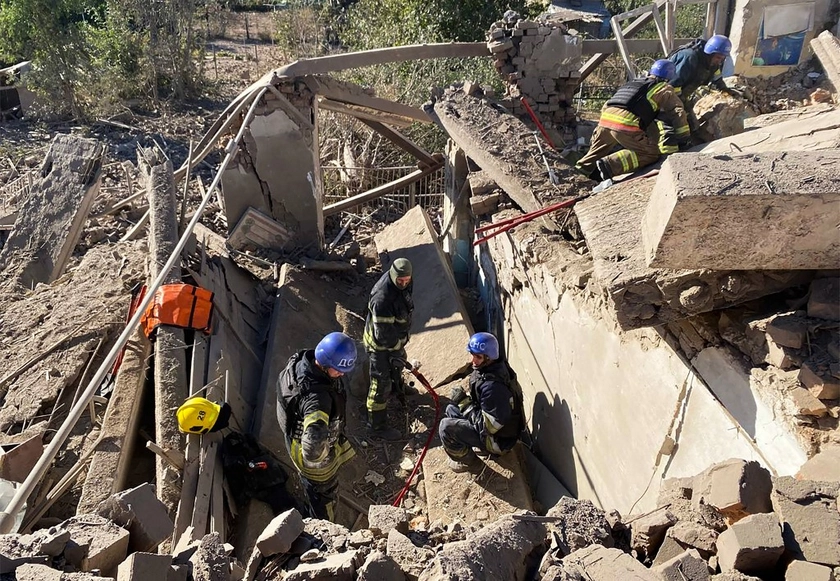
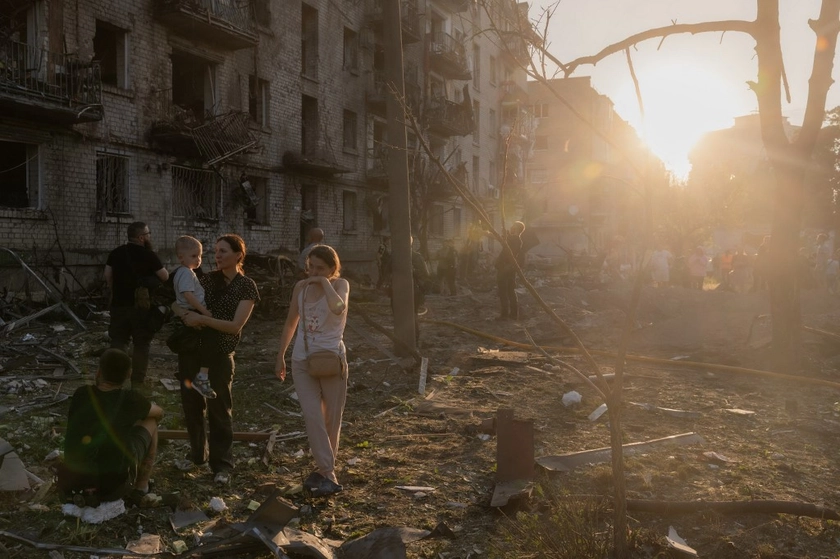
Russian Strike Kills 7-Year-Old Child, Injures Two Other Children in Eastern Ukraine
Are they better prepared? After all, the drones were shot down, and the prime minister and president speak with one voice.
PK: And that’s very good, but it’s still not enough. Poland must do more – both for its own security and for NATO. We must prepare for an effective response today – and an even better one in the future. It’s not just about more armaments and a better army, but about a change in psychological approach. I repeat this in Europe—in Berlin, in Paris. People believe that if they increase defense spending, they will be safe. That’s not true. They won’t be. A change in mentality is key.
Poland is currently in the right place when it comes to the beginning of this change and building resilience. It’s not about no longer being afraid of a potential Russian invasion, but about becoming mentally stronger. Poland had such resilience for many generations. Unfortunately, the time of living in a sense of carefree comfort is over.
I understand it’s about society and the issue of fear?
PK: There needs to be a clear understanding that threats are real and there are many of them. It is necessary to build resilience – including psychological resilience – and to cooperate with allies and partners.
What are we witnessing – talks and negotiations bringing us closer to the end of the war, or rather an escalation? Russian attacks on Ukrainian cities are becoming increasingly intense, and – as we’ve said – Russian drones entered Polish airspace. Where do we stand?
PK: A lot depends on the Polish and European side, but the key player remains the United States. [US President Donald] Trump’s strategy is to lead to an agreement with [Russian President Vladimir] Putin – but on Trump’s terms, not Ukraine’s or Russia’s. It’s about how Trump understands “making deals” and how he perceives power. When he talks about a fair and balanced peace, we must be aware that he means his own interpretation of these terms – not ours. The Ukrainian definition may be fundamentally different.
Does that mean that the interests of America, Europe, and Ukraine are different?
PK: Maybe not fundamentally different, but there are definitely different perspectives and visions. The whole way of perceiving foreign policy, making agreements, definitions of balance and justice – all of that differs. For Europe, the key is maintaining the level of mobilization after the NATO summit in The Hague. I have the impression that many European politicians, after Pete Hegseth’s words during that summit, are trying to return to their previous sense of comfort. In my opinion, this is a serious misjudgment of the situation. We need to work with the United States, even now – when Americans want to impose sanctions on India and China. Many in Europe are trying to ignore this. We must talk to Trump in a different language and on a different level.
There is much talk about a ceasefire, about peace. Are we getting closer to the end of the war?
PK: We are entering a new phase. Trump is directing this process according to his own assessment of the situation and his own understanding of the matter. Concluding a “deal” is necessary for him before the American midterm elections. Otherwise, Americans will perceive his policy as a failure. After all, he himself announced that he would end this war. The Russian economy may not have collapsed, but it is struggling with serious problems. Conducting the war at the current intensity will become increasingly difficult. Say what you will about the Russian mentality – it’s not easy due to demographics and the losses being suffered. Putin wants more because, right now, he has nothing he can present internally as a victory.
Can we say he is desperate?
PK: Definitely. For him, it’s a very personal matter – his place in history. It’s also about the stability of his regime. He really takes this very personally. And he doesn’t believe that the current state of affairs can be considered a victory.
In the Polish public debate, there are voices saying that Ukraine wants to drag Poland into the war, to internationalize the conflict. Is that true?
PK: That’s nonsense. That’s impossible. Of course, we would like more engagement from Poland. Many Ukrainians would like to see the participation of Polish soldiers – for example, as part of a peacekeeping or mediating mission. Regardless of how we name it, such a presence would be met with enthusiasm. This kind of engagement can take many forms – even logistical support.
We are fully aware that these actions are also important from the point of view of Poland’s own security. If we look at Russian public opinion research, Poland – right after Ukraine – is at the top of the list of countries most hated by Russians. In Kyiv, there is a clear understanding that, for Poland, this is also a matter of its own security and a response to threats. Ukraine counts on Poland’s support, but it definitely does not want to drag Poland into the war. There is no debate about that.
You can also highlight the text and press Ctrl + Enter