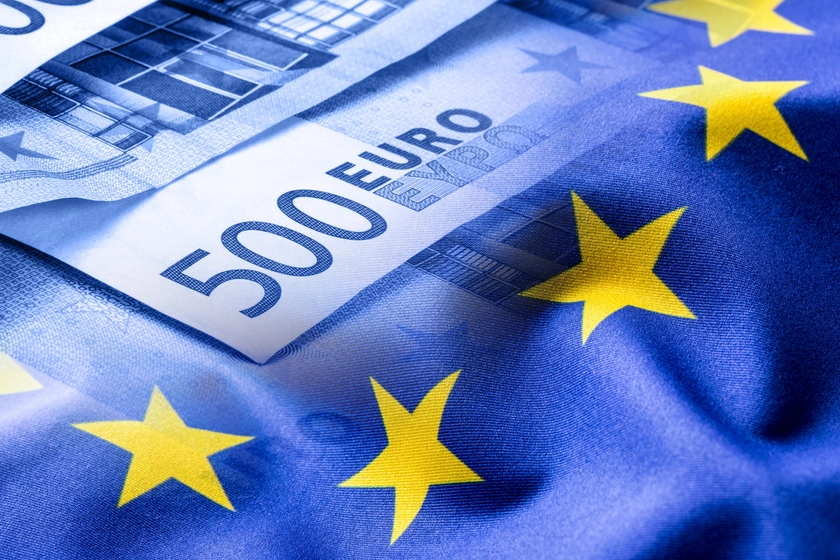
The EU’s proposed “reparation” loan to help Ukraine fund its war effort by drawing on the value of frozen Russian assets could reportedly be as much as €130 billion euros ($153 billion).
Three senior EU officials reportedly provided Reuters with this figure on Wednesday – days after EU Economy Commissioner Valdis Dombrovskis said that member states see the plan as “a possible way forward.”
JOIN US ON TELEGRAM
Follow our coverage of the war on the @Kyivpost_official.
They arrived at the 130 billion euro figure by subtracting last year’s €45 billion ($53 billion) G7 loan (which Europe reportedly wants to repay first) from the roughly €175 billion ($206 billion) of cash accumulated by frozen Russian assets held in European countries.
The exact value of the loan will be finalized after an International Monetary Fund (IMF) assessment of Ukraine’s economic need.
The “reparations” loan gets its name from the fact that Ukraine would not be expected to repay it unless it receives financial reparations from Russia in a peace accord.
Billions of euros in Russian central bank funds have been immobilized in European banks since the full-scale invasion on Feb. 24, 2022. Politicians and lawyers have been debating what to do with them for almost as long.
Several European countries oppose confiscating the frozen funds themselves, as the move would be of debatable legality.
The “reparations loan” would sidestep this issue by using the interest accumulating on the funds while respecting Russia’s legal claim to the funds themselves.
Ukraine's Banks Post Longest Credit Growth in 15 Years as Windfall Tax Threatens to Choke It Off
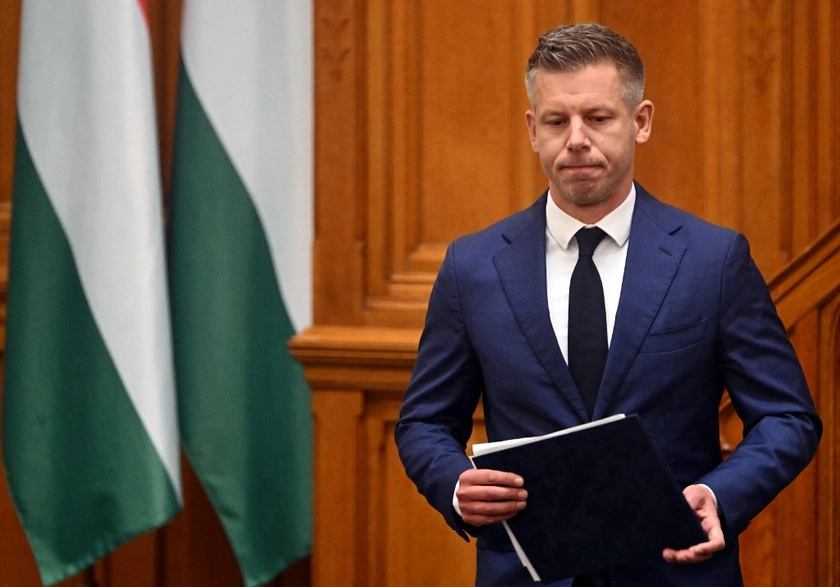
It could also thwart Hungary’s use of its right to veto EU proposals – frequently exercised in Russia’s favor – through the use of bilateral agreements between participating countries.
The plan, which was first floated by European Commission President Ursula Von der Leyen on Sept. 10, appears to be progressing with relative speed.
The UK recently used the proceeds of frozen Russian assets to fund artillery shells and air defense missiles, among other things, for Ukraine’s war effort – though on a much smaller scale.
On Sept. 4, Dmitry Medvedev, deputy chairman of Russia’s Security Council, claimed that Russia could retaliate by seizing British assets in Russia and Ukraine.
You can also highlight the text and press Ctrl + Enter