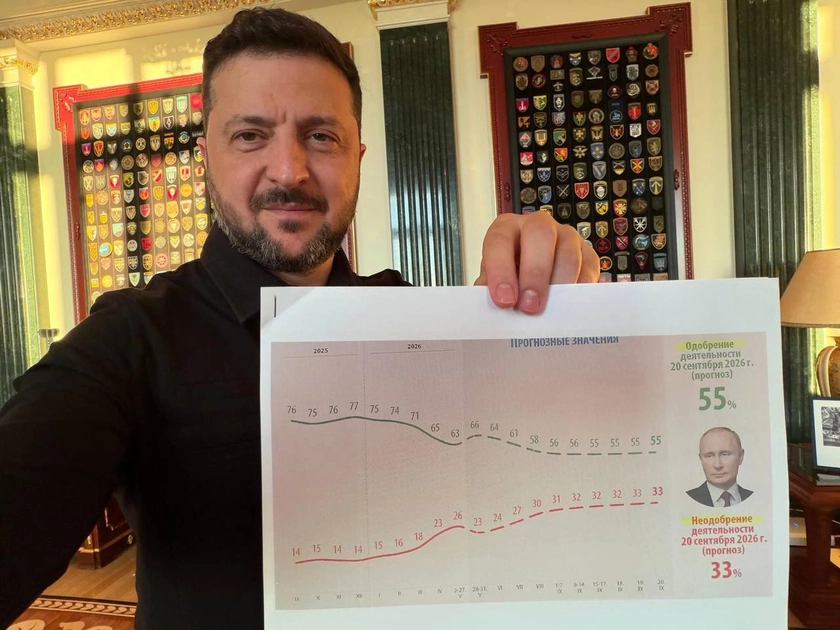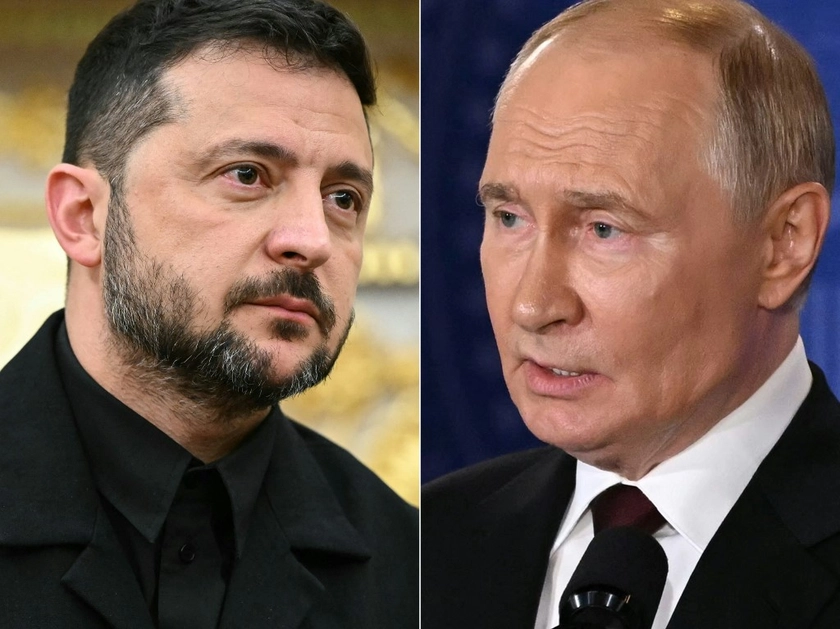
Ukrainian President Volodymyr Zelensky on Monday pitched the idea that Poland and its NATO partners should work with Ukraine for collective protection against Russian air attacks.
Russian missiles and drones have been violating Ukrainian airspace for the last three years, and in September, Russian war weapons flew over Poland, Romania, and Lithuania and crashed. A joint plan to shoot the Russian aircraft is an idea whose time has come.
JOIN US ON TELEGRAM
Follow our coverage of the war on the @Kyivpost_official.
The real, most compelling reason NATO’s eastern tier states at least, and properly the entire Atlantic Alliance, should join forces with the Armed Forces of Ukraine (AFU) and create a no-fly zone to invading Russian drones is moral.
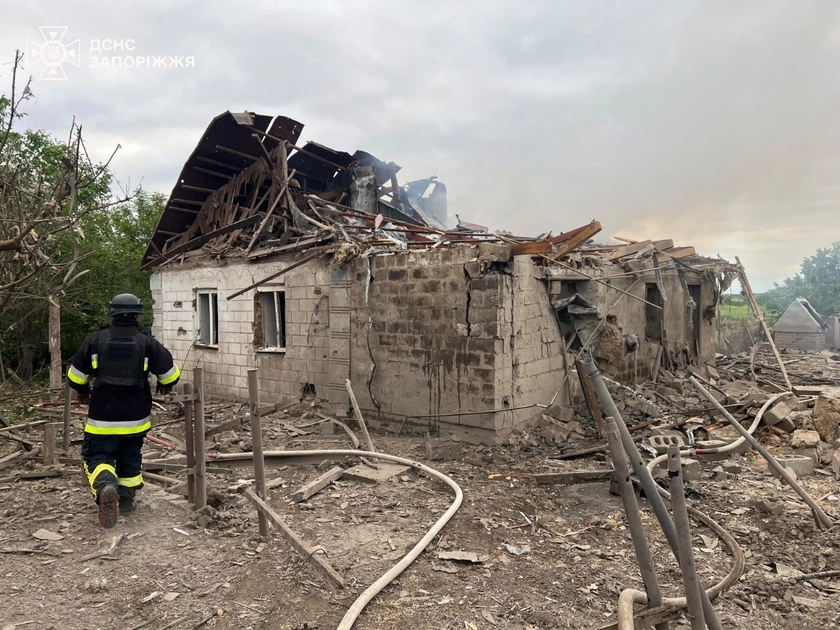
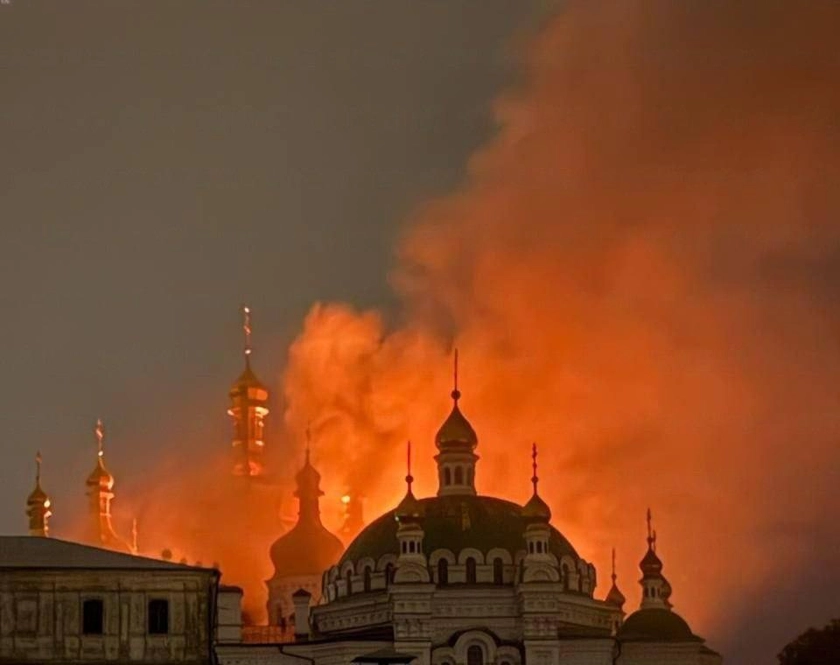
The reality is that Russian cruise missiles and robot aircraft attack Ukrainian homes and businesses, killing and injuring Ukrainian civilians, and it has been going on for years. If they can, neighbors normally help prevent neighbors’ families from being injured.
But more than that, for skies to stay safe on both sides of the NATO-Ukraine border, the Russian air threat can only be contained by a team effort. Europe needs Ukrainian combat experience at least as much as Ukraine needs European money and weaponry to stop Russian war weapons sent by air.
Ukraine’s air watch system is wonderfully complex and very little like NATO. Air wardens scan an assigned sector of sky and report in. Thousands of smartphones jury-rigged as acoustic sensors and tacked onto telephone poles, listen for drone motors and cruise missile engines. Data fusion centers use the data to compute aircraft locations. Civilian air warden apps update about incoming threats nearly in real time. There are also civilian and military radars, and limited intelligence from NATO.
The Illusion of a Peace Deal for Ukraine
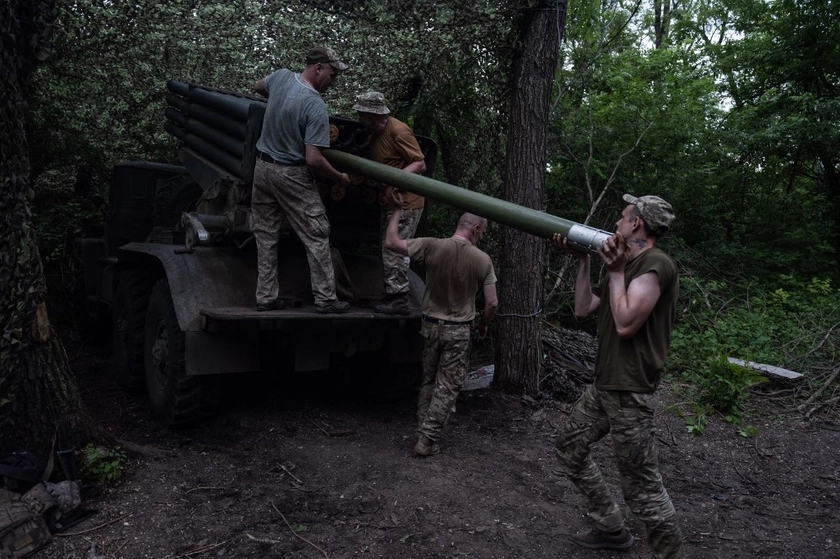
To set up intercepts, command centers delegate engagement areas and target priorities to everything from modern surface-to-air missiles to fighter jets, helicopter gunships, crop dusters with a passenger carrying a shotgun, NATO-trained operators of advanced auto-cannon systems, and squads of usually middle-aged national guardsmen riding in pick-up trucks and armed with hand-held missiles or tripod-mounted heavy machine guns.
On any given night, Ukrainian air defenses usually destroy about 70-85% of killer drones and high-explosive missiles hurled at it by the Kremlin. On the night of Sept. 10, when 19 Russian drones violated Polish airspace, some of them for hours, Ukrainian air defenses shot down or otherwise rendered ineffective 92 Russian drones headed for Ukrainian airspace, Zelensky has said.
Put politely, that night, NATO air defenses were a good deal less efficient at defending NATO airspace from violation by Russian aircraft than the AFU was at the same mission.
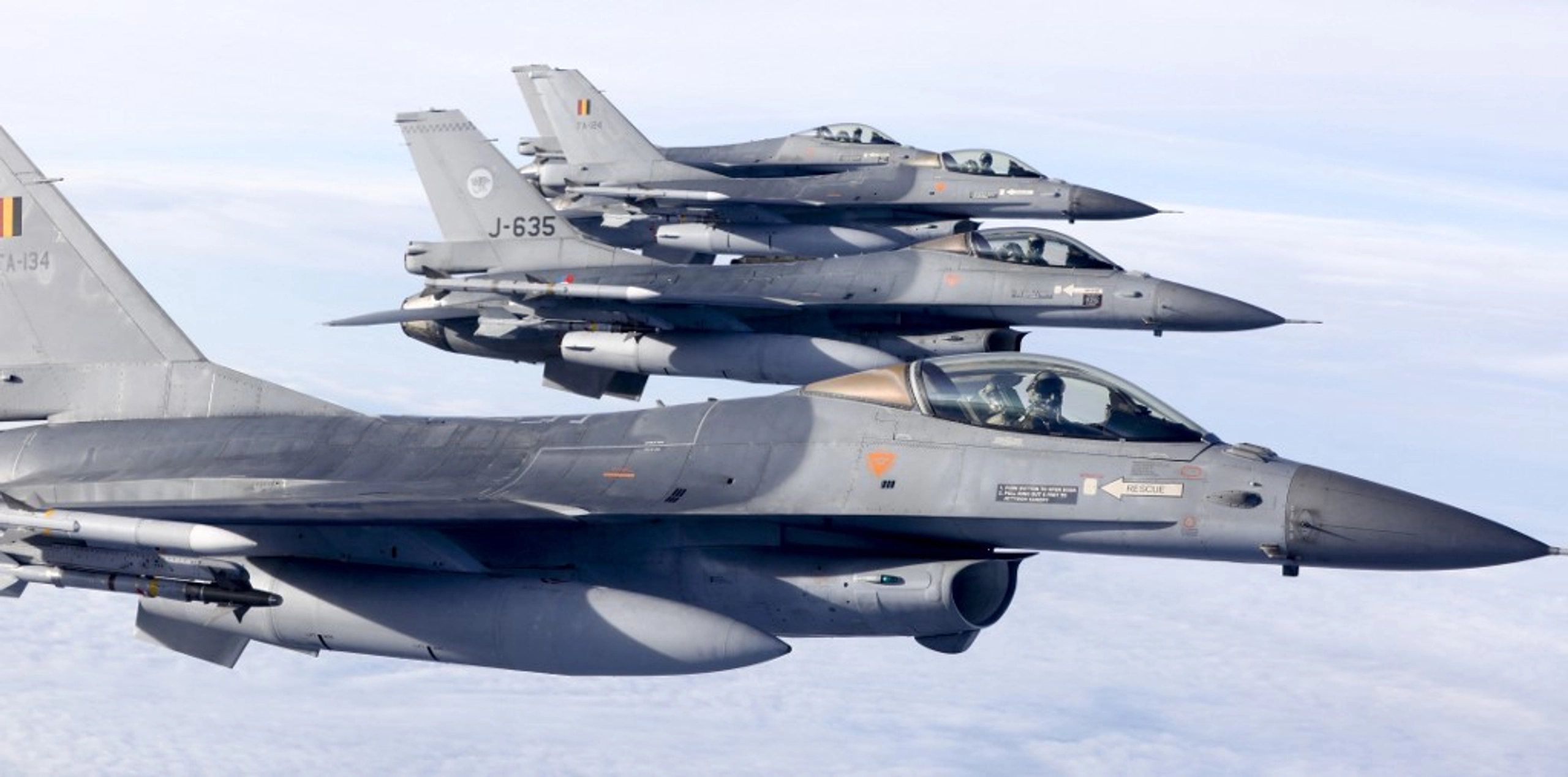
The best way for NATO and Ukraine to move toward the common goal of shooting down as many Russian attack drones and missiles as possible, before they reach Polish or Romanian airspace, is to link the Ukrainian air defense network with the NATO eastern air defense network, with a sense of urgency.
The Ukrainian air defense experience teaches that the best air defense network is layered, a national as opposed to narrow military effort, and critically fed with the most information possible, as fast as possible. NATO operates probably the most advanced air watch systems in the world. At minimum, every iota of air tracking data collected by NATO should be received by the AFU, digitally and automatically, without delays for “security.” A Russian bomber spotted on Tuesday and reported on Wednesday isn’t helpful.
Diplomats must start work on the rules of engagement, now. Warfighters must begin discussions on how deeply NATO air defense surveillance and intercept capacity could extend into Ukrainian airspace, now. Warsaw, Bucharest, and Vilnius must decide, now, whether their sovereign airspace is better protected by a unified NATO effort, or bilaterally and more quickly, directly with the Ukrainians.
These conversations will be complicated and technical, but they must take place for an integrated air defense – the former term for a no-fly zone – to function. The politicians must be adults. Putting off the hard discussion will be acceptance of a status quo that the Kremlin can only interpret as NATO failure to act. Meetings do not stop missiles and drones.
Failure to act will delay construction of a common air defense between Ukraine and NATO and possibly prevent it entirely. It is no longer possible to warn that failure to act might provoke Russian aggression; in fact, it already has. Whether changes of a major war in Ukraine have increased is no longer relevant; the only possible question is “how much more?”
Not taking the Russian air threat and Ukrainian air defenses seriously would make the crash of a Russian drone into a home or family living in one of those countries more, not less likely. The no-fly zone over Ukraine and eastern NATO needs to be set up now; later will be worse.
You can also highlight the text and press Ctrl + Enter