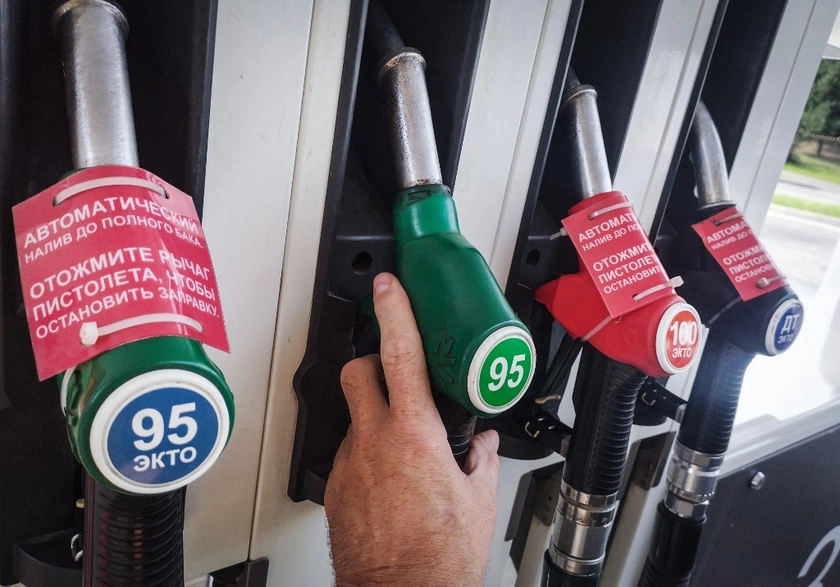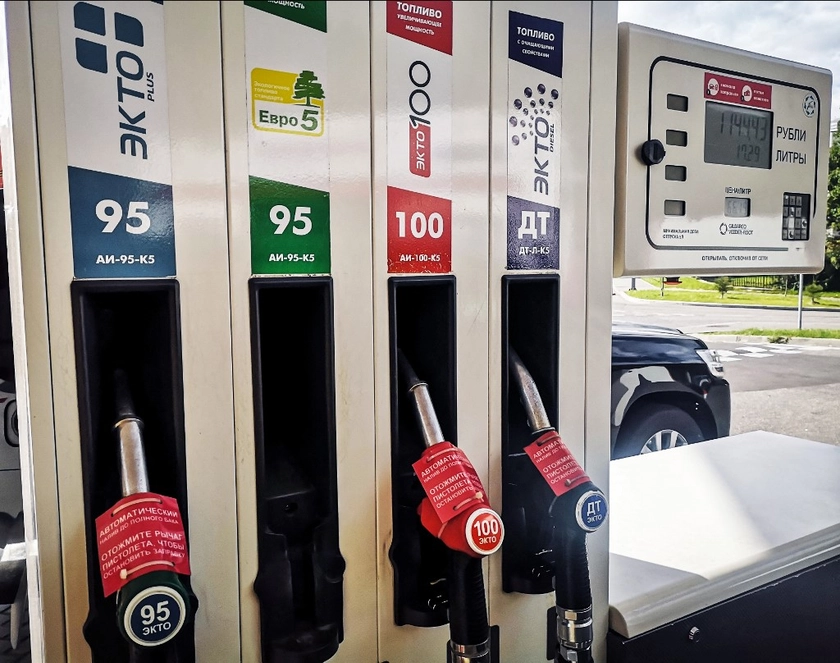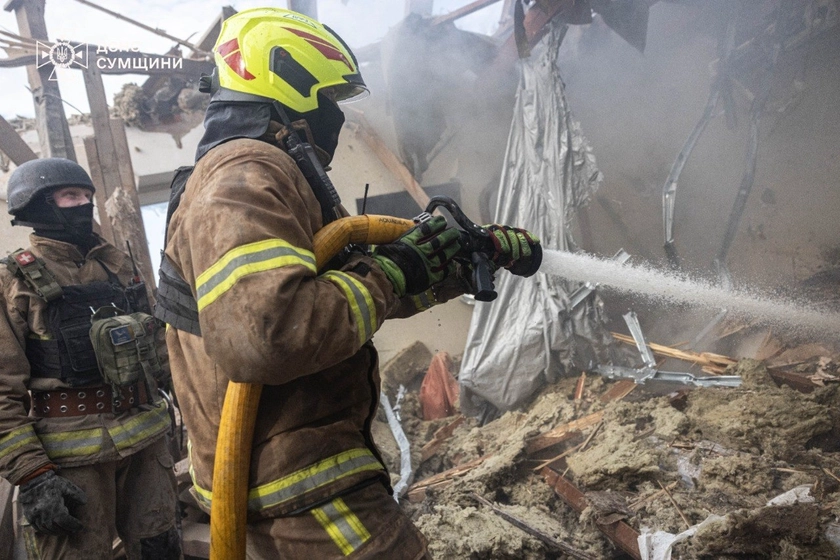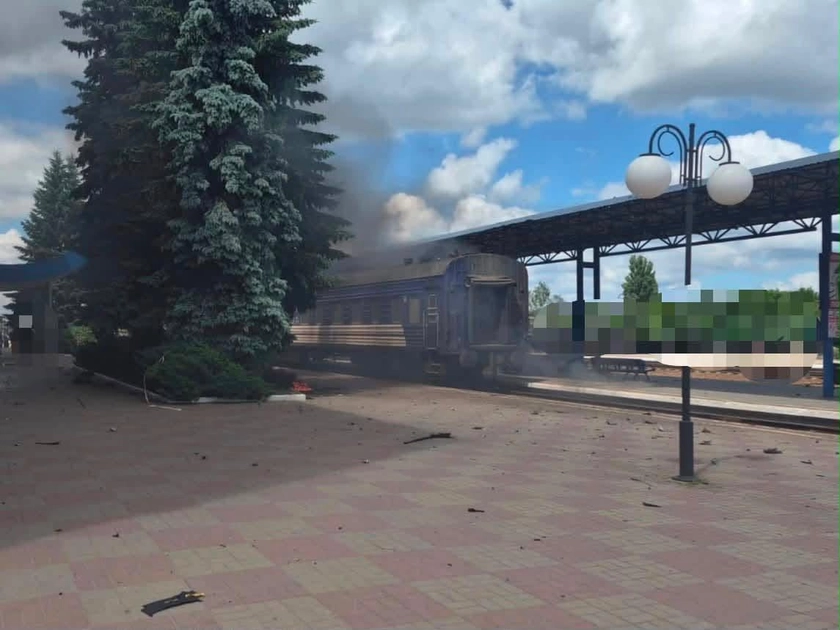
Ukrainian drone attacks have crippled nearly 40% of Russia’s oil refining capacity, triggering the country’s worst fuel shortage in decades.
As of September 28, 38% of primary refining capacity – equal to 338,000 tons per day – was offline, with gasoline output falling by 1 million tons, leaving the domestic market short by roughly 20% of demand, according to data from the market intelligence agency Seala, cited by RBC.
JOIN US ON TELEGRAM
Follow our coverage of the war on the @Kyivpost_official.
The scale of refinery shutdowns has become historically unprecedented. September’s outages surpassed the previous record set in August, when Reuters calculated shutdowns at 6.4 million tons.
In daily terms, September’s peak exceeded August’s 206,000 tons per day, as well as prior monthly records in May 2022 (196,000 tons per day) and May 2020 (164,000 tons per day).
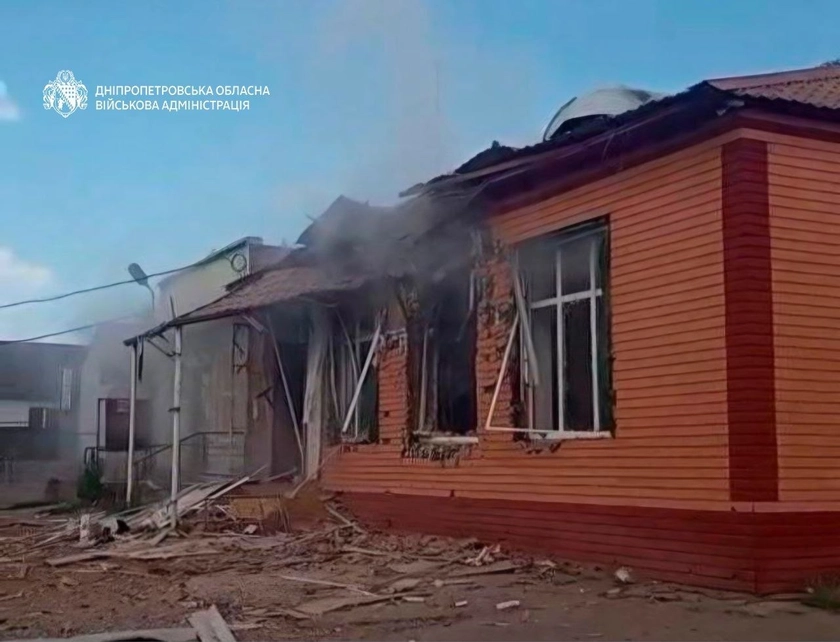
Since early August, according to Seala, more than two dozen major refineries have been hit. About 70% of the outages were caused directly by drone strikes, which have disabled roughly a quarter of Russia’s refining capacity.
A Kyiv Post estimate based on local sources put Ukraine’s long-range drone strike total against Russian energy industry targets, as of Sept.19, at a minimum 21 attacks on Russian oil refineries since Aug. 1, with some facilities having been hit twice or even three times.
According to that data, Ukrainian drones damaged other energy industry infrastructure, such as oil pumping stations, chemical plants and oil tanker terminals, at least seven times.
Russian FPV Strikes Civilians in Nikopol, 3 Dead Including Mother and Son
September saw four major facilities, including Kirishi’s Kinef plant in the Leningrad region — Russia’s second-largest refinery — and Rosneft’s Ryazan refinery, one of the country’s top five, shut down following attacks.
The fuel crisis has spread across more than 20 regions, from Sakhalin in the Far East to Nizhny Novgorod in central Russia.
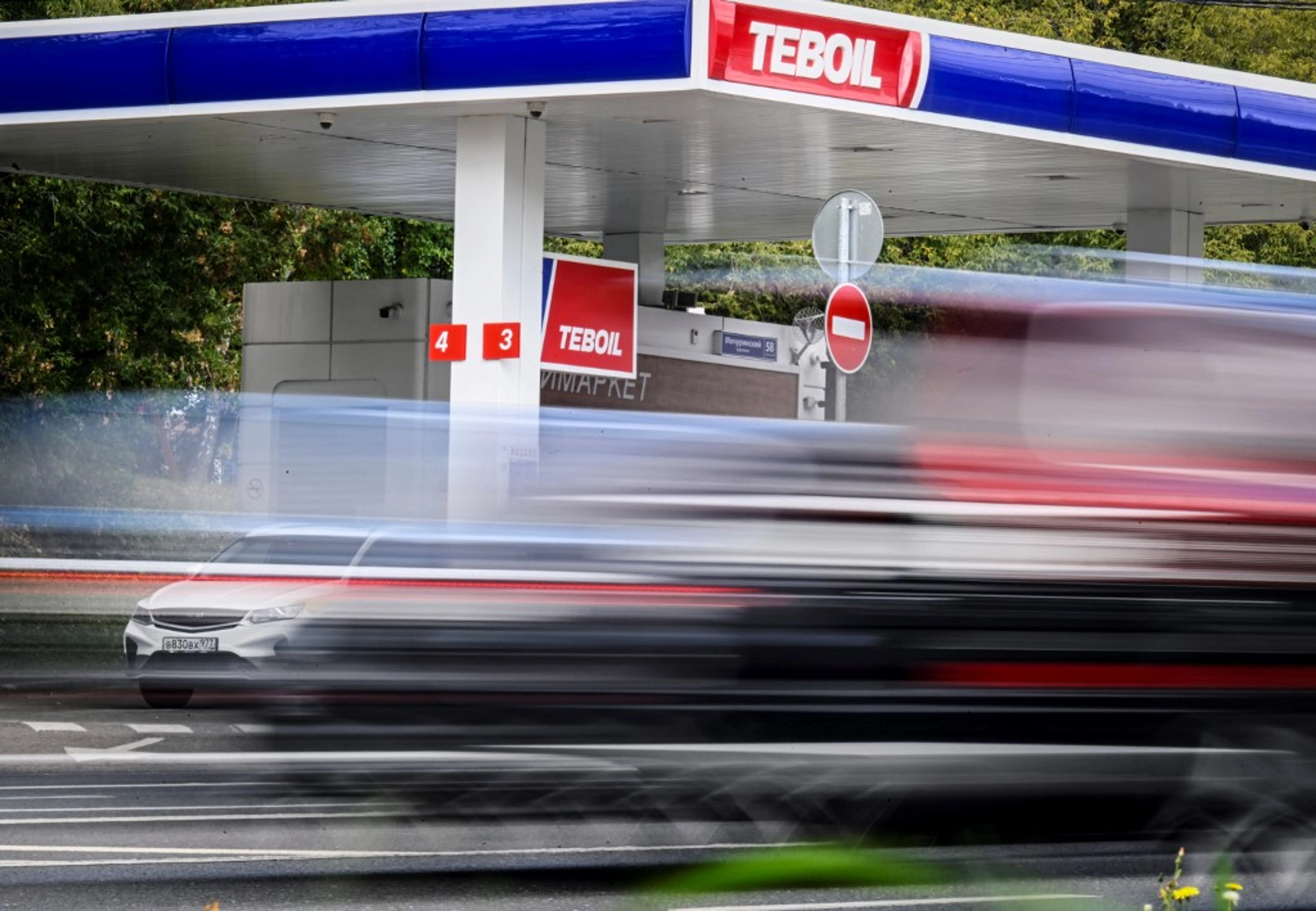
Crimea and parts of the Far East have been hit hardest, with authorities limiting gasoline sales to no more than 30 liters per customer.
“Repairs could take months,” said economist Vladislav Inozemtsev, cited by The Moscow Times.
He noted that sanctions block Western equipment previously used to modernize Russian refineries, and Chinese replacements are not easily substituted.
The Kremlin has banned gasoline exports until the end of the year and dropped import duties on fuel to stabilize the market.
For the uninformed Russian public, this means de facto rationing of limited gasoline supplies, with kilometer-long lines and unprecedented pump prices at civilian [gas(oline), petrol] fueling stations. Moscow’s state-run news media have not offered any explanation linking the situation to Putin’s War against Ukraine and Kyiv’s successful engagement of the Kremlin petrostate.
You can also highlight the text and press Ctrl + Enter

Zelensky Reveals Intercepted Intel From Putin’s Desk
OPINION: The Illusion of a Peace Deal for Ukraine