On Oct. 10, the Recovery Forum South Vector took place in Odesa, organized by the Regional Development Agency “European Integration Office” of Kherson region, with the support of UNHCR Ukraine and Kherson Regional State Administration.
The Kherson region is in direct contact with the frontline along the Dnipro river, and the population is daily targeted by Russian drones attacks and snipers. Notwithstanding the high risk and the fact that 90% of Kherson’s population abandoned the city, many people do not want to leave their houses in remote villages and towns of the region.
JOIN US ON TELEGRAM
Follow our coverage of the war on the @Kyivpost_official.
The purpose of the event was to create a platform for dialogue between the Ukrainian government and local authorities, civil societies and international actors, and define the guidelines to bring not only humanitarian aid but also economic recovery to the southern Ukrainian regions, which are the most affected by the war and have generated the highest number of refugees.
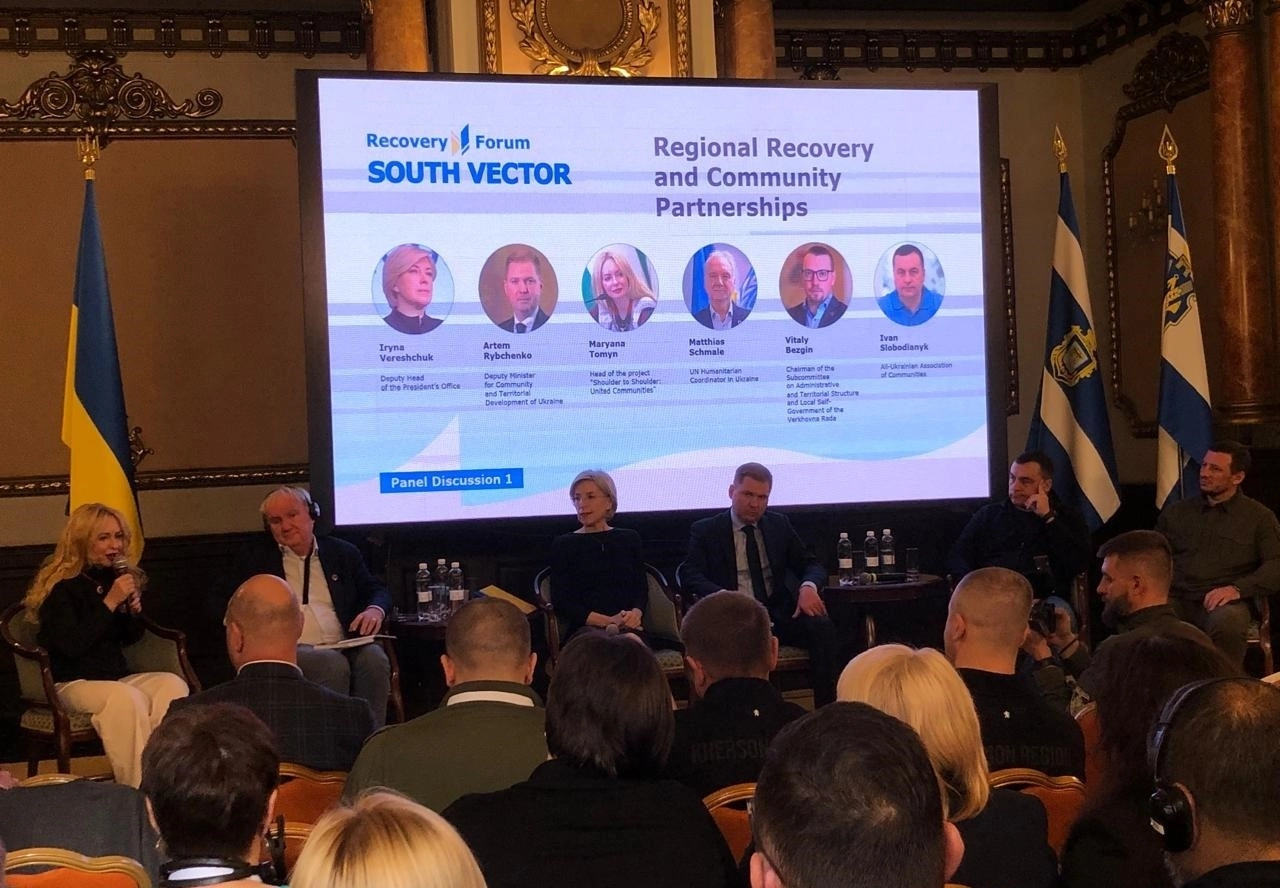
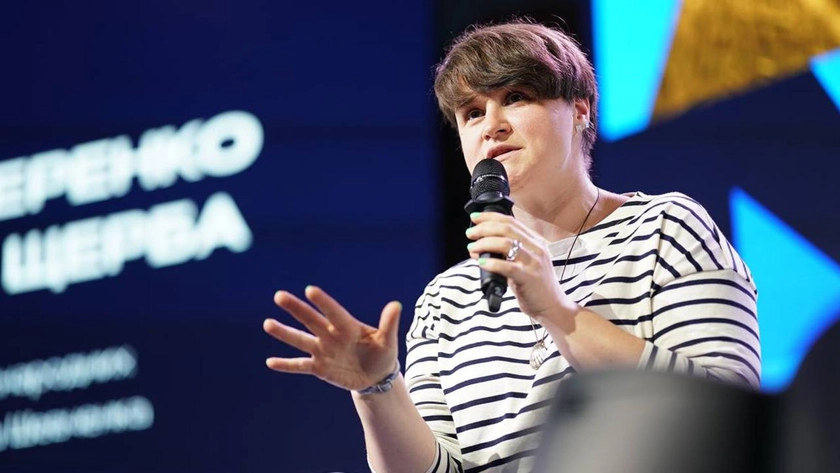
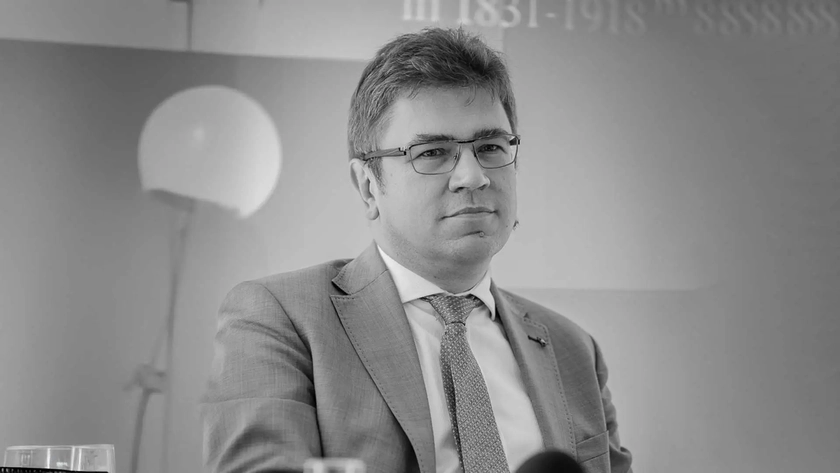
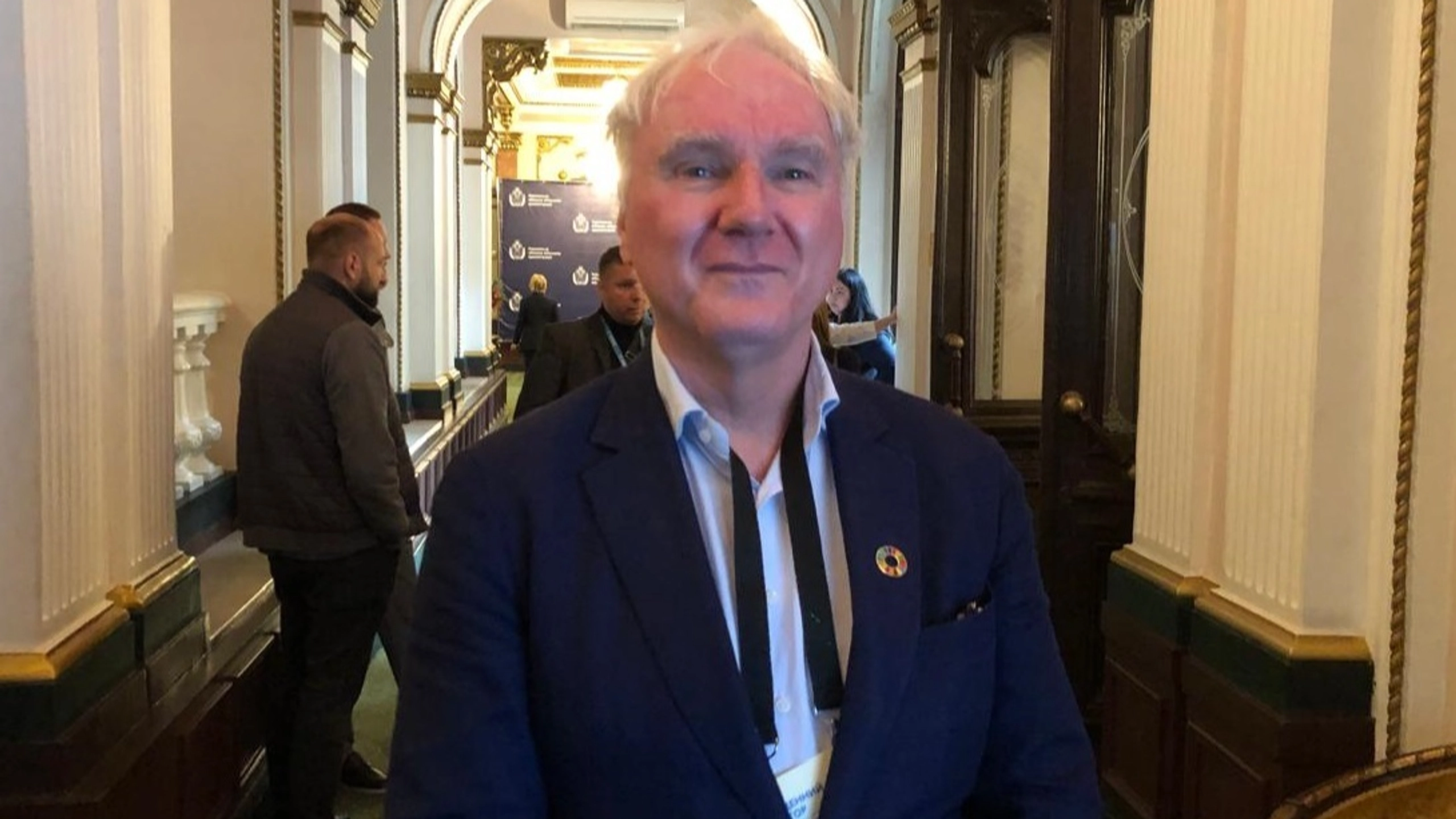
The works were opened by former Minister of Reintegration of Temporarily Occupied Territories of Ukraine and, since Sept. 8, 2024, deputy head of the Office of the President of Ukraine Iryna Vereshchuk and UN Humanitarian Coordinator in Ukraine Matthias Schmale, whom Kyiv Post had the opportunity to interview.

Blackouts Hit Russian-Occupied Parts of Kherson Region as Ukraine Steps Up Pressure in Crimea
You have a long experience in the field of humanitarian aid in war zones, but working in Ukraine is probably more difficult with a conventional war going on and the permanent threat of air attacks. What makes your experience in Ukraine different form the others?
First thing – indeed, I’ve been to many war situations. What makes Ukraine unique is that this is not a failed state, it’s a functioning state. The government at all levels is doing a lot itself. Civil society is strong, so they depend on the international community for support and solidarity, but they can do a lot themselves. So, to adjust to that and really work closely with all parts of society it’s different from what I’ve been used to so far. So that’s one thing.
I think the second thing is: it’s a very technological world. For example, with the civil society actors in Kherson the discussion has been… how do we keep our volunteers safe? And we’ve discussed first the conventional personal protection equipment. Then we discussed armored vehicles. Then during the next big visit, they said we need armored vehicles with armored wheels. Then they started talking about drone detection equipment. And now in recent visits, they said we need scrambling equipment, which is really military equipment. So, it is a very different context that it is so technological.
And then a final thing… the Ukrainians, across all walks of life, are not waiting for the end of the war to recover, but any opportunity they have to rebuild, they take. And that’s different from many other situations. Mostly in other situations, people want the war to end and then they start rebuilding. Here they do it while the war is still going on.
The focus of this conference in Odesa is Southern Ukraine and Kherson. Why focus on this area? Is that because it’s closer to the front line? What are the priority topics of this event?
I think we are really in line with the government’s stated priorities of support to frontline areas and need to make sure that Kherson is not forgotten. During several visits there, they always say, thank you for coming, please don’t forget us. So, I think that’s one important message.
Let’s not forget places that are quite remote, that are constantly attacked. Let’s continue providing humanitarian aid and again also recovery support. As I have seen for myself in visits in Kherson, it’s not just humanitarian urgency. I’ve seen an underground maternity ward which is not only humanitarian aid, but also an investment into health care. That is a long-term view. I think it’s fascinating to see water wells that are solar energy driven pumps, so that they will help provide water while the war is going on. But it’s also an investment into the future, into a greener future.
I remember my first meeting with the governor of the Kherson region. We discussed humanitarian priorities in his bunker office in Kherson City. And then he said let’s discuss recovery. This was last year in August. The bombs were flying, but they were very determined to invest into solar energy. And then just now, in the last session, we heard what they are doing, for example, in establishing a business hub again in the middle of war.
For me that’s the significance of this conference. Let’s not forget Kherson. Let’s continue to provide humanitarian aid because it’s very much needed. But let’s also invest into early recovery to ensure a better future.
Decent housing, jobs and education for children, those are three priority areas
A topic which was debated in the conference is how to bring people back. And this is not just humanitarian aid. It means that you give not only what is urgently needed, but also think what it is needed for the future. Can you elaborate?
It means that inside the country we are looking a lot at internally displaced people (IDP), which is about moving away from danger. But sometimes people come back. In Kherson, people have come back and we are supporting the authorities and civil society to make life bearable for those who have actually moved back already.
And then one of our big partners, who are in fact the sponsor of this event, UNHCR, the High Commissioner for refugees all over the world works with countries to prepare them for return of refugees. There are millions of Ukrainians outside and it is very clear that not all of them, probably, but many will come back. And so UNHCR and other parts of the UN system are helping the country prepare for a return of refugees. And we know, of course, for refugees to return there needs to be security.
Decent housing, jobs and education for children, those are three priority areas that we are trying to work with government because we know how it’s important for citizens who are here, but also for refugees considering coming back at some point.
There are not only foreigners who decide to come here to Ukraine at their own risk, but also many Ukrainians involved in this huge coordinated humanitarian activity with several NGOs. It looks as if this is creating a new professional class, trained with principles of transparency, to work with budgets and delivery tasks. Do you think this would be a further legacy of the humanitarian support in Ukraine?
I think that’s an interesting question and I’d like to think you are right, that an investment into people, training them, involving them in the humanitarian action is also an investment into the future because people get exposed to global norms and standards, including around protection, protection of very vulnerable people, both as a concept but also through services.
Yes, I believe that the humanitarian opportunity is contributing to strengthening the country, because it was there a bit before, supporting civil society also for a future role, not just for now.
You know better than I how much Ukraine is desperate to be part of the global West in terms of norms and standards. And I think that working experience with the international system during this difficult humanitarian crisis is also a preparation for that kind of a future, with a stronger connection with the global community.
You can also highlight the text and press Ctrl + Enter
OPINION: Cutting Off Crimea