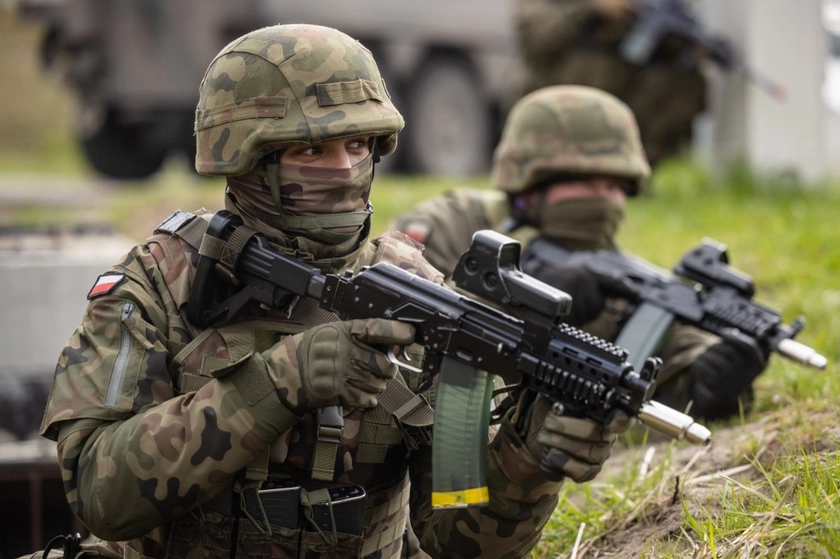
Ukraine’s armed forces are supported by several international units organized from nations and other groups who have suffered at the hands of the Kremlin. This includes the Belarusian “Kastus Kalinowski,” the Russian Volunteer Corps, and the “Freedom of Russia” Legion, the Georgian Legion as well as units from Chechnya and the International Legion – mostly manned by individual volunteers.
There are many volunteers who come from countries far from the fighting – educated professionals who could be living safe, comfortable lives at home, but chose to serve with and under the command of the Armed Forces of Ukraine (AFU).
JOIN US ON TELEGRAM
Follow our coverage of the war on the @Kyivpost_official.
What motivates these foreigners to volunteer?
Each has their own reasons for joining the fight as well as their own views on what their, mainly Western, governments should do to stop the greatest death and destruction Europe has witnessed for 80 years.
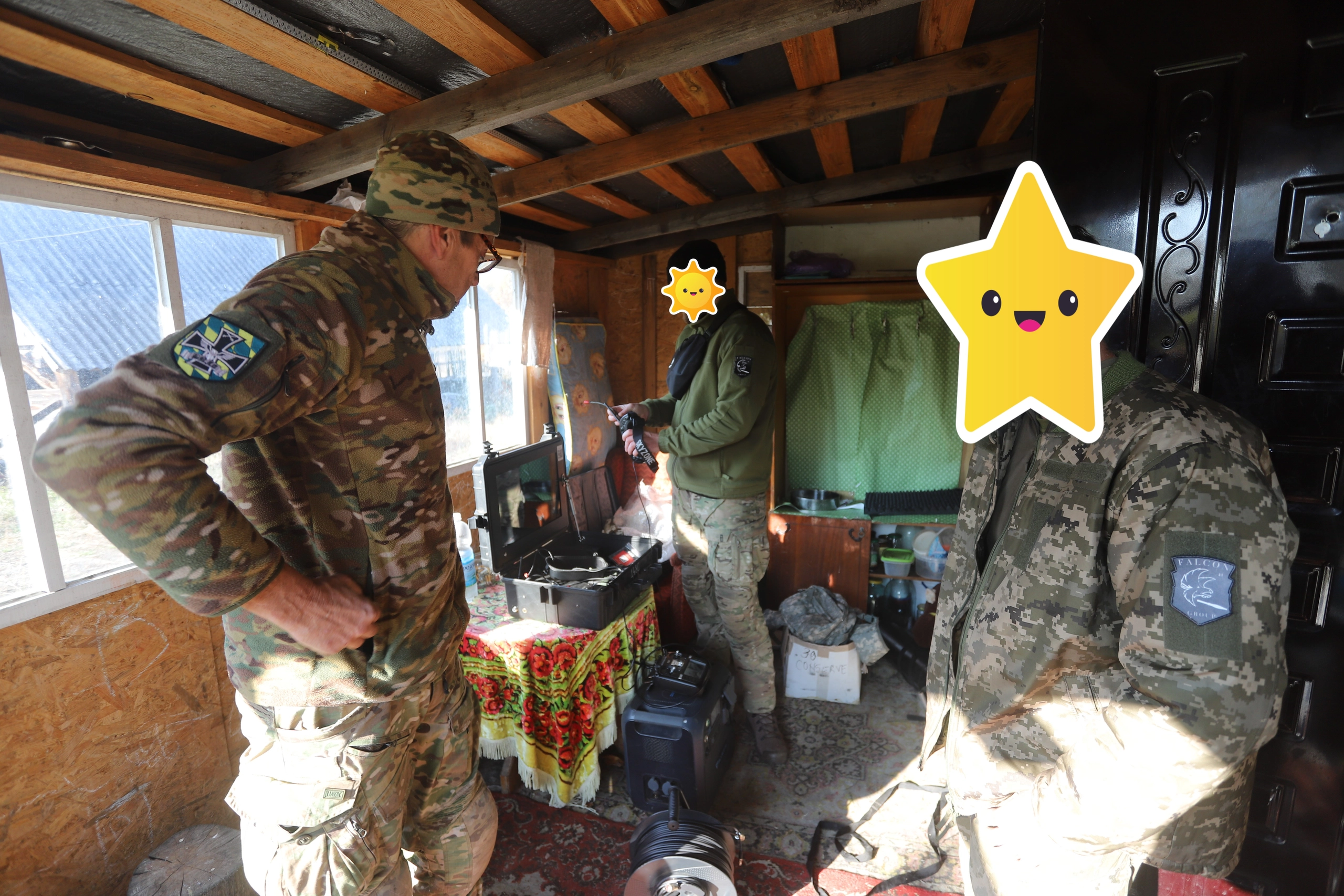
We spoke with three such volunteers – a German, an American, and a Frenchman – all serving in the unmanned aerial vehicle (UAV drone) systems unit of the 41st Separate Mechanized Brigade and who, for security reasons are only referred to by their call signs.
G7 Members Back on the Same Page?
“Opa – Grandpa”
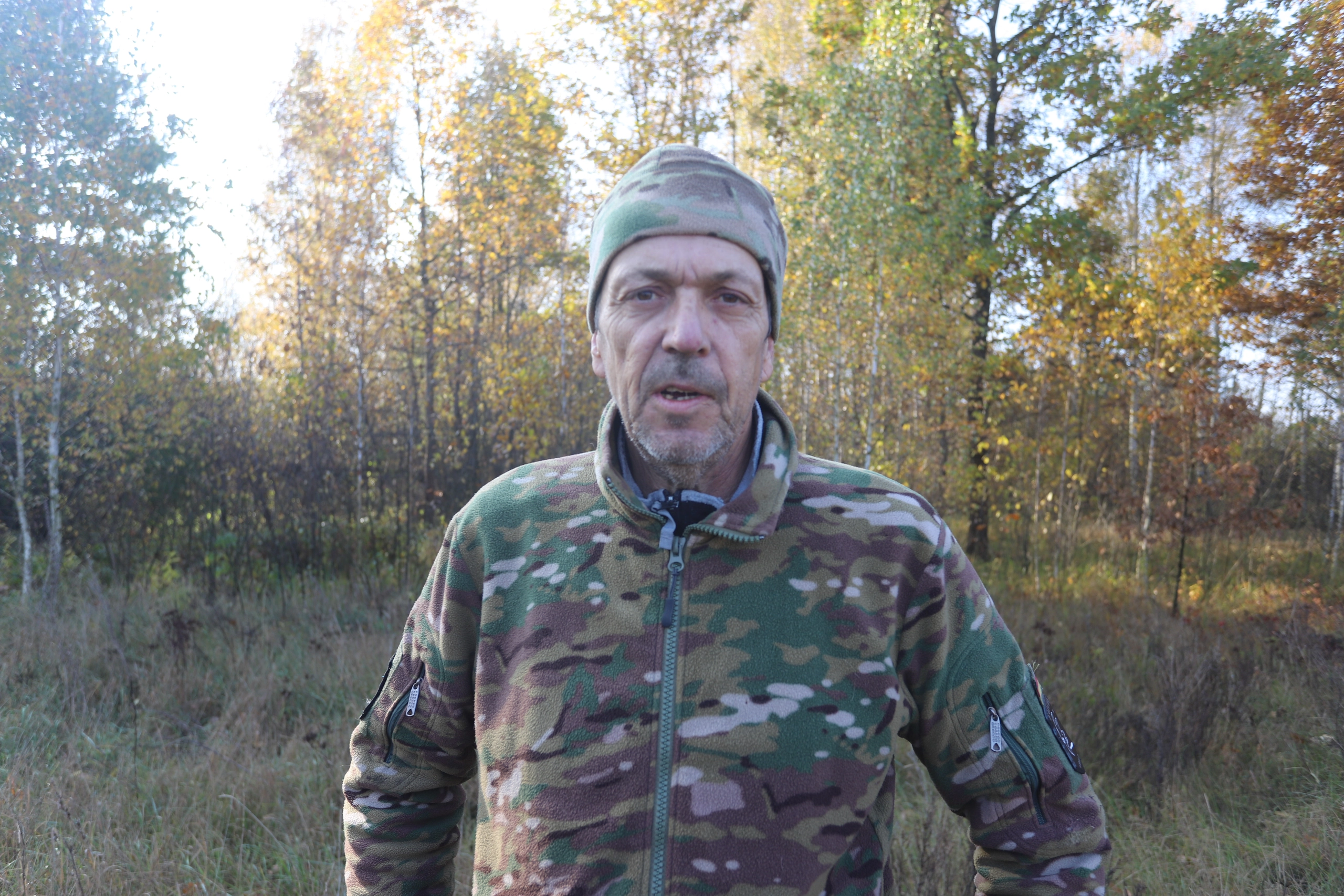
A 56-year-old German, whose call sign marks him as the oldest member of the unit, and for who this is not his first war.
Opa says, “We are growing up with threats to our democracy, liberty, free speech. I come from a military background – I’ve spent my whole life in the army and security work. My first war was in Yugoslavia on the Croatian side 30 years ago. It was for the same reasons.”
“Then it was fighting a “Greater Serbia,” now it’s a “Greater Russia” – the Serbs wanted to recreate the Yugoslavian state, Putin wants to bring back the Soviet Union. It’s all the same to me, there’s no difference. The Serbs and the soviets were always friends and back then we came across Russians in Belgrade’s army, even though Moscow denied it – as they did in Crimea in 2014”
“A lot of people are helping us – they bring supplies or money or materials for the bombs. I help by using my three decades of military experience,” Opa added.
Opa holds three degrees and is a trained military engineer and explosives expert. Within the unit, he manages the UAVs’ detonation systems, testing and developing new ways to arm the drones’ weapons in the air and on the ground.
He said in reference to his service in Ukraine: “In my first year I was an infantryman within a special group – firstly in the Zaporizhzhia region. then in Bakhmut [Donestk region]. I served eight years as a German army engineer where I worked in explosive ordnance disposal (EOD). So, I was asked to train our people in EOD and the use of explosives before switching to drones.”
“I like to learn and to help where it’s possible – which I’ve been doing for the last year helping our small team to build explosive devices.”
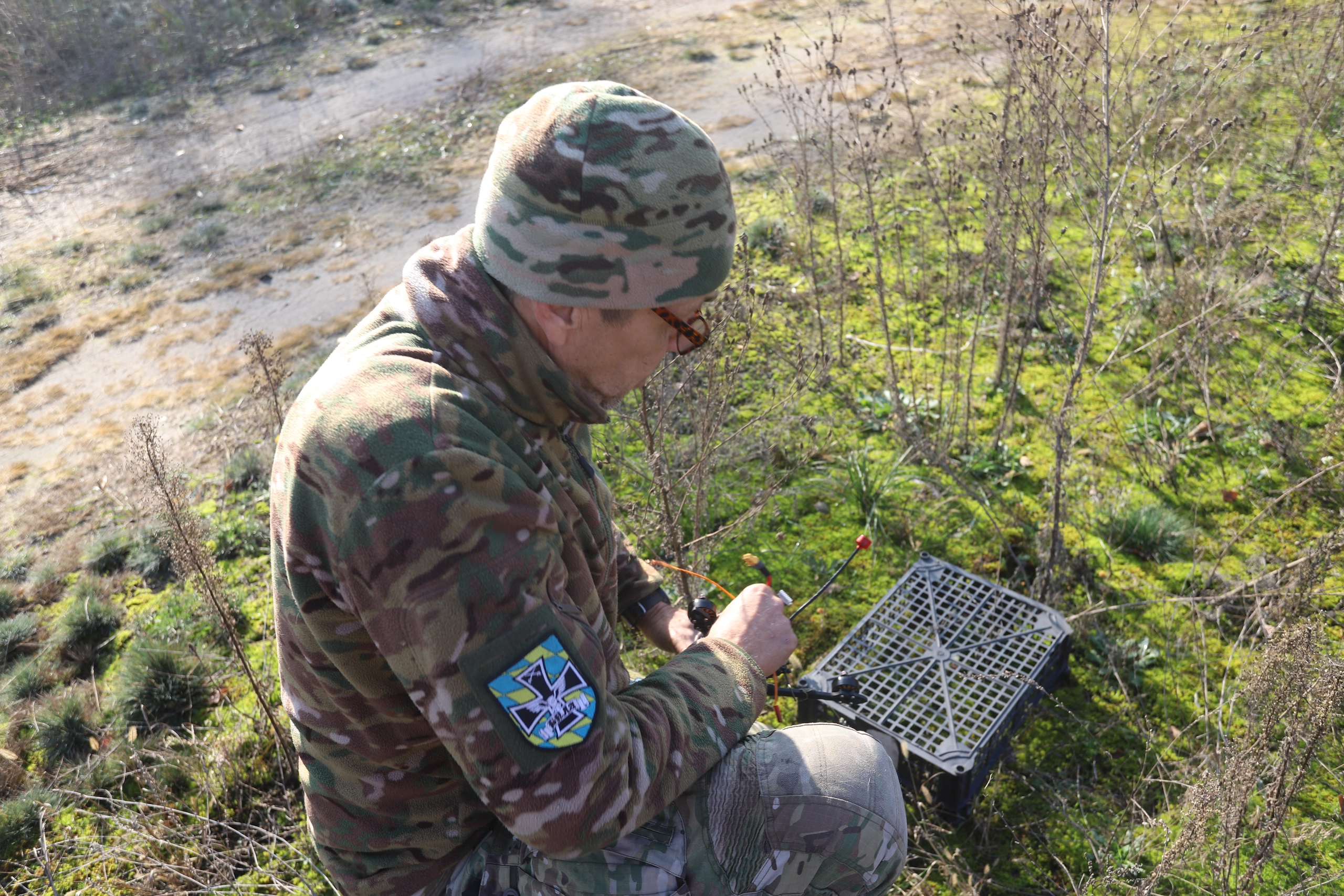
OPa says his family knows where he is. His mother disapproves, but he remains committed. He has been in Ukraine since the first day of the full-scale invasion and believes that stopping Russia here is crucial to keeping the war from spreading to the rest of Europe.
“We have to stop the Russians in Ukraine, even though it’s impossible to recover all the lost territories, we have to fight on. Ukrainians need help from and America. Those who complain about the cost in providing the necessary support have to realize that without it the cost will become even more. When the Russians and Belarusians stand on the Polish border, or in Lithuania, Estonia, or wherever the costs of protecting the West will be much, much higher. At the moment Ukrainians are dying, for Europe and are only asking for weapons not troops– where’s the problem?” – Opa said.
“Denver”
A similar motivation drives his colleague, a 29-year-old American from Colorado – hence his callsign Denver – who also arrived on the first day of the full-scale invasion.
“During the Budapest memorandum we [the US] made some promises, and I knew about that prior to coming here. We made promises – that we haven’t really kept. We’re NATO. We’re allies. We’re supposed to protect our allies, and we’re not doing that, so that’s why I’m here,” Denver said.
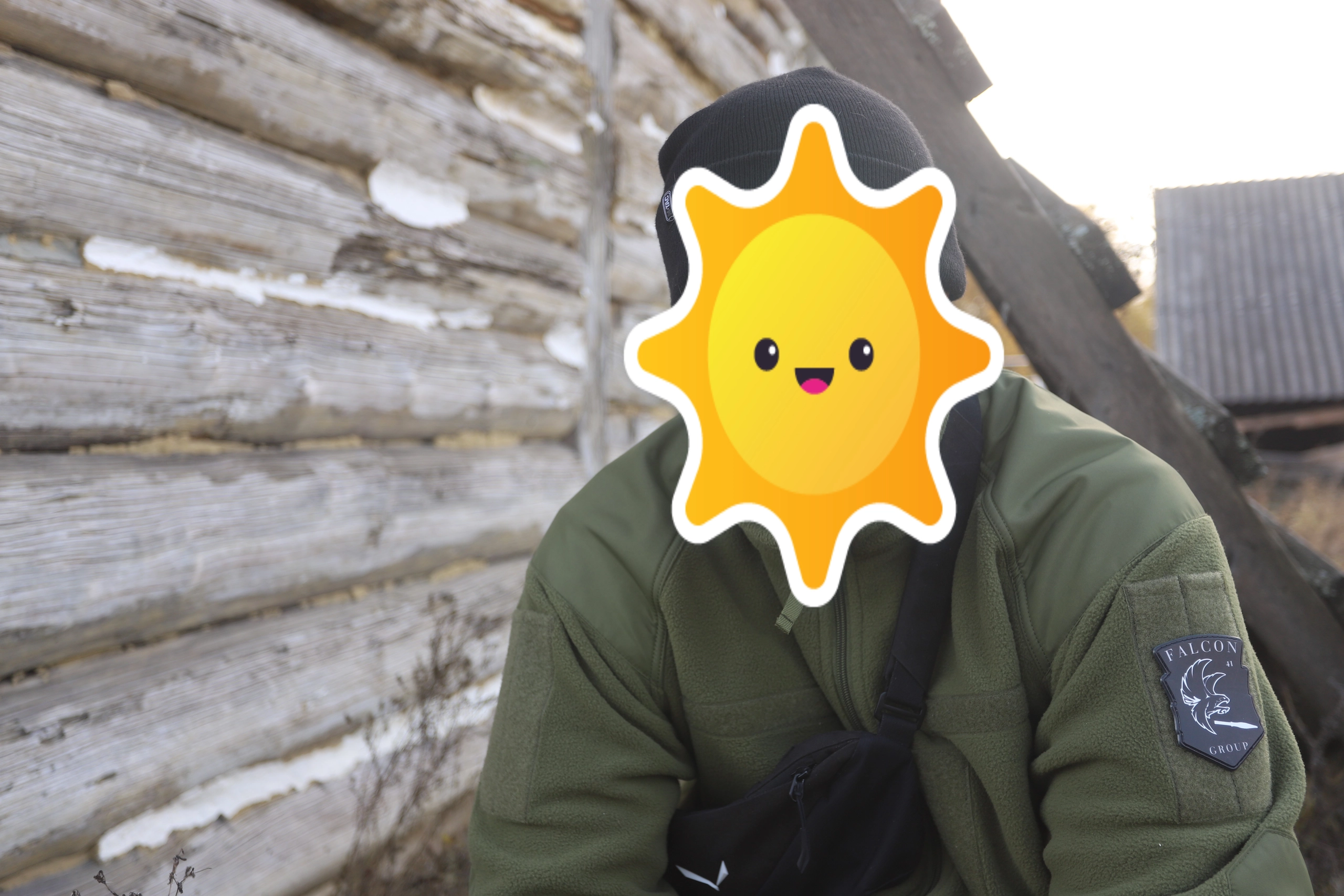
Denver had tried unsuccessfully to join the US Army. When he saw the TV footage of destroyed Ukrainian cities in the spring of 2022, he decided he could not remain on the sidelines.
“I came here because I saw what was gonna happen, I heard all the reports on the news, and I thought to myself I can either sit on my couch and do nothing or do something about it. And so I decided to come here.”
“I arrived in Kyiv in March 2022. I’ve been fighting off and on ever since. Got wounded twice, so I had to take a little bit of break times after that, but yeah, I’ve been here ever since then. Now I’m back again.”
“The first time I got wounded was during the 2022 Kharkiv offensive, near Izium, in the Karpatska Sich. And then I took a little vacation, healed my wounds, and I came back. This time and I fought with the AFU’s International Legion” Denver says.
He ended by saying: “I mean it’s kind of crazy to think about it. If I were to go back like 10 years or so, I wouldn’t have believed that all of these things would’ve happened.”
“Sova – Owl”
A Frenchman with, with no previous military experience before coming to join the AFU where he uses his previous experience of civilian drone production.
“If Ukraine falls tomorrow, then it will be Baltic states, then it could be Poland, and even if France is protected from direct attack by its nuclear weapons, Russia still tries its best to destabilize my country and destabilize the whole of Europe. If we don’t fight here now, we will have to fight later in five, 10, 15 years. So, I’d rather fight right here right now.”
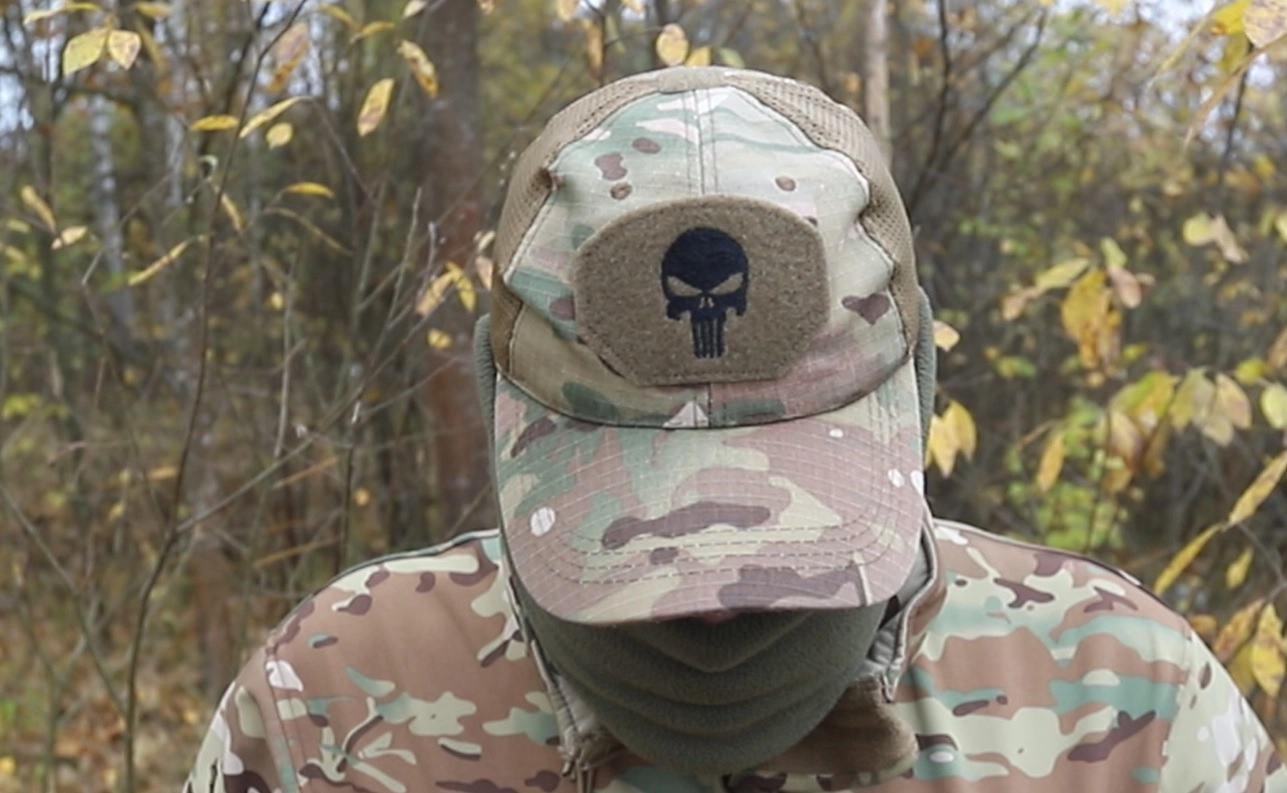
“Personally, my goal is to help Ukraine stay free and independent, that’s the most important, because if it loses it doesn’t mean just Ukraine losing its own sovereignty the whole of Europe – even the USA, even if they don’t want to admit it –will be at risk. It will be a defeat for the entire democracies in the world, and it will allow, like, North Korea or China to continue their imperialistic ambitions,” - Owl said.
The volunteers’ attitudes toward Ukraine (and vice versa)
Owl was previously married to a Ukrainian woman and had visited Ukraine for work before the war, and he knew the country and its people.
“Overall, the Ukrainian people are extremely supportive of us, especially when you go out of Kyiv. If people see that you’re military… they not only say ‘thank you,’ they offer you free meals, or call you a taxi, when I have to go get some military papers, they say ‘Oh, you go there, you don’t pay for the taxi, it’s on us, thank you so much for what you do.’ I knew Ukraine before the war which helped coming here, because I know the country, I know its people, and I admire their bravery against all odds. You know, they not only survived, but they are also fighting back, and they’re winning – in a lot of ways they are winning,” - Owl says.
Opa says that local civilians generally treat foreign volunteers with warmth and respect.
“When they know you are a foreigner, they are very friendly. Helpful. Even if you don’t understand the language and go to buy something we always figure it out. Sometimes I use Google translate, which isn’t always good in Ukrainian so sometimes I have to use Russian, to make myself understood.”
“I had neighbors in Kharkiv. It was a nice neighborhood. They’d invite me to parties, even birthday parties. Some older people, they’re not so happy with us and this war, they look back positively on Soviet times, so it’s normal,” Opa said.
All three volunteers are convinced that Ukraine’s defense is central to Europe’s security. They say Western countries can, and must, do more.
“Putin didn’t stop with Crimea, he kept pushing more and more. So absolutely, I think he is not gonna stop in Ukraine. Western countries have to see that, and they have to realize that it’s happened before and it will happen again,” Denver says.
Owl added, “Right now, what Ukraine needs the most is reliable income – a lot of money for the industry, reliable partners, for example, for defense industry and stuff. But I also think that Western countries need to wake up a bit more. For example, in France, we quadrupled artillery production, but we went from 25,000 to 80,000 a month – which is not even a month’s worth of artillery shooting here.”
You can find the video report of this story here.
You can also highlight the text and press Ctrl + Enter

Poland, Germany Clash Over €6.6B in EU Funds for Ukraine
Germany Warns of Russian Orbital Nuclear Threat