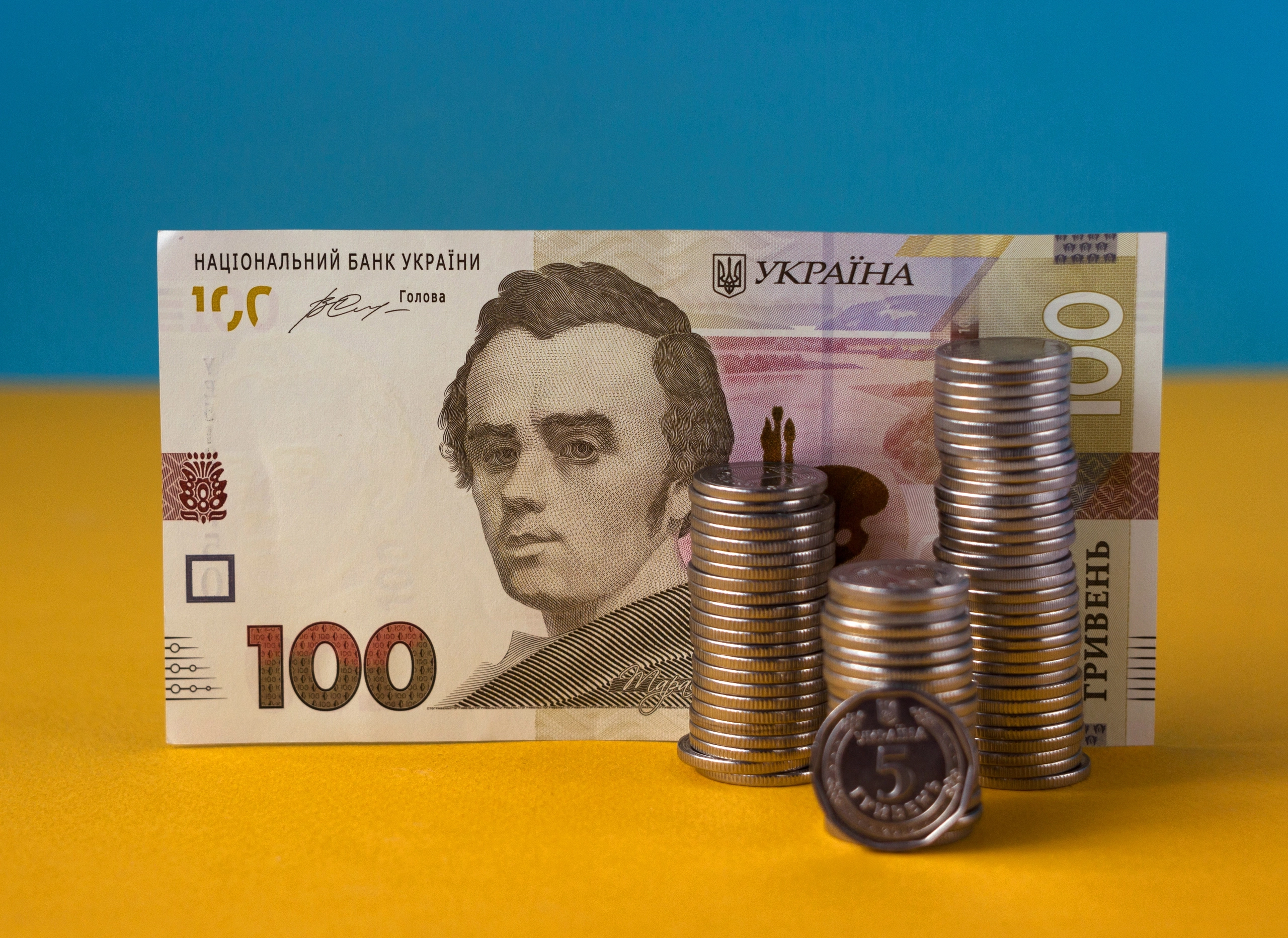
Ukraine has restarted negotiations with holders of its GDP warrants as Ukraine’s government seeks to renegotiate $3.3 billion of the securities, people familiar with the discussions told Bloomberg.
A group of investors, led by hedge funds, signed non-disclosure agreements this week to enter restricted talks, the people told the media outlet, requesting anonymity because the process is confidential.
JOIN US ON TELEGRAM
Follow our coverage of the war on the @Kyivpost_official.
Restricted discussions allow the exchange of non-public information and typically include temporary trading limits due to market-sensitive topics under review, according to Bloomberg.
Hedge funds Aurelius Capital Management LP and VR Capital Group are among the warrant holders. The group is advised by Cleary Gottlieb Steen & Hamilton LLP and PJT Partners Inc. PJT did not immediately respond to a request for comment.
Bloomberg wrote the warrants traded above 91 cents on the dollar on Nov. 25, extending their year-to-date gains to about 20 percent.
Ukraine previously terminated negotiations in early November after the government and an Ad Hoc Committee of institutional holders failed to reach agreement on new terms.
Both sides rejected each other’s proposals and closed the talks on Nov. 5.
In a statement on Nov. 6, the finance ministry wrote that “very limited engagement on economics was achieved” during the restricted discussions and said it could not accept the committee’s final proposal.

Ukraine Receives First €3.9B EU Defense Loan Installment
Ukraine proposed exchanging all outstanding GDP warrants for a mix of cash and new sovereign C bonds, offering $50 in cash, a $10 consent fee and $1,260 in new bonds for every $1,000 of warrants.
The new instruments would mature between 2030 and 2033, include limited compensation for the missed 2025 payment, and carry step-up coupons: 2.5% in 2026-2027, 4% in 2028-2029, and 5.5% (6% in the second proposal) in 2030-2033. They would be paid on a semi-annual basis, on Jan. 30 and July 30.
Creditors rejected the plan and countered with terms that included higher bond compensation, earlier maturities, and higher coupons – plus structural protections such as a “claim reinstatement” clause that would increase the bonds’ face value if Ukraine defaulted again. Their proposal included $12.5 in cash, a $25 consent fee and $1,400 in new bonds per $1,000 of warrants. Ukraine dismissed these demands, saying they undermine debt-sustainability targets and conflict with IMF requirements.
You can also highlight the text and press Ctrl + Enter