The US now sees Ukraine as entering a phase in which it is winning the war against Russia, according to a senior State Department official.
Speaking ahead of the Ukraine Recovery Conference in Gdańsk, US Deputy Secretary of State Jeremy Levin said the conflict has shifted in Kyiv’s favor, Mezha reported.
JOIN US ON TELEGRAM
Follow our coverage of the war on the @Kyivpost_official.
“As of now, we are in a position where Ukraine is winning the war at this moment” Levin said, adding that the situation on the battlefield has shifted in Kyiv’s favor, allowing Washington to speak about Ukraine’s success as a current reality instead of a distant goal.
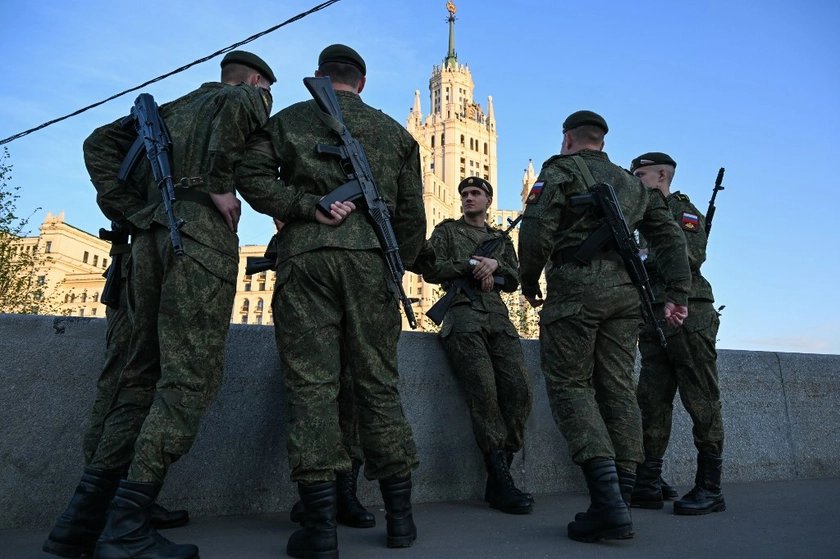
Levin said that the conflict dynamics have reversed, with Ukrainian troops now advancing, while Russian forces are effectively waiting for winter. The shift in dynamics has been made possible by Ukraine’s ongoing strikes on critical oil infrastructure in Russia, essentially increasing the cost of the war for Moscow and forcing it to divert resources away from the front, he said.
Levin described the present moment as an important one for Ukraine to “continue to exert pressure on the battlefield,” adding that maintaining and expanding support is critical to consolidating Kyiv’s gains.
Western pressure intensifies
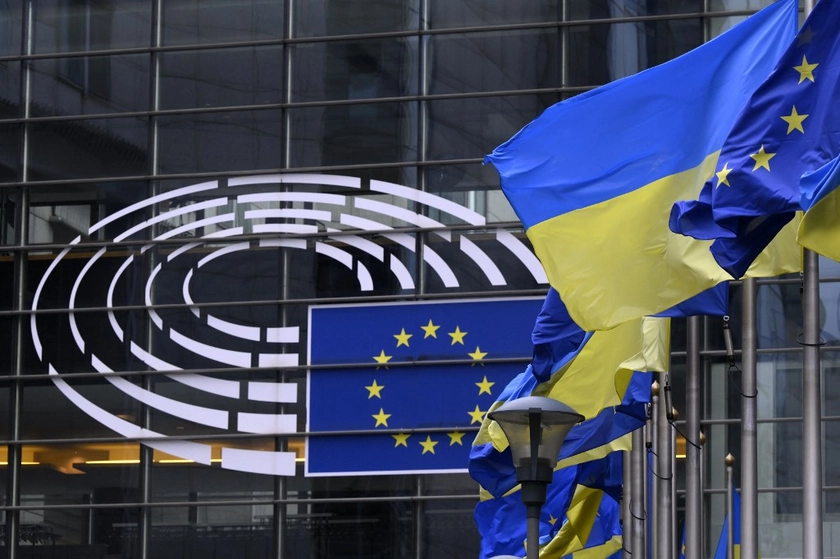
While Ukraine continues to escalate Russia’s fuel crisis by its ongoing drone strikes on critical infrastructure, EU leaders have reinforced that pressure by extending wide-ranging economic sanctions on Moscow for a full 12-month term for the first time.
IMF Clears Ukraine's First Review Under Fire. What Comes Next?
Levin pointed to sanctions against Russia as a key element of pressure. He said Washington is considering revisiting remaining exemptions on sanctions related to Russian oil, signaling the possibility of tightening the measures aimed at Moscow’s energy revenues.
Such steps would be coordinated with European partners to preserve unity and manage the broader economic impact, suggesting rapid decision-making as essential to supporting further Ukrainian advances and increasing diplomatic pressure on Moscow.
Fuel shortages deepen across Russia
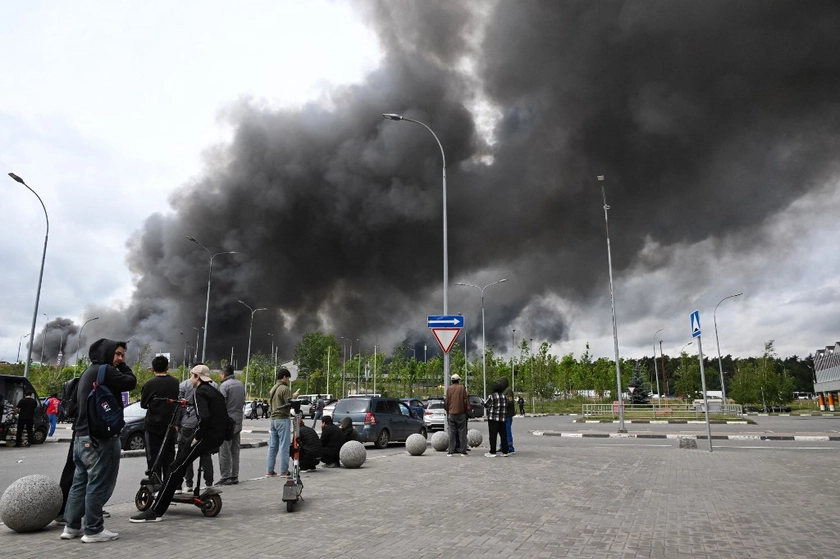
Following recent strikes, Moscow’s largest oil refinery, owned by Gazprom Neft, which supplies most of the capital’s fuel, is expected to halt production for at least six months and possibly until early 2027.
Russia indefinitely extended a government waiver on June 15, allowing refineries to sell gasoline and diesel below Euro-5 environmental standards – permitting sulfur levels up to 15 times the legal limit – as fuel shortages have spread to at least 25 regions as of last week, with the numbers continuously growing.
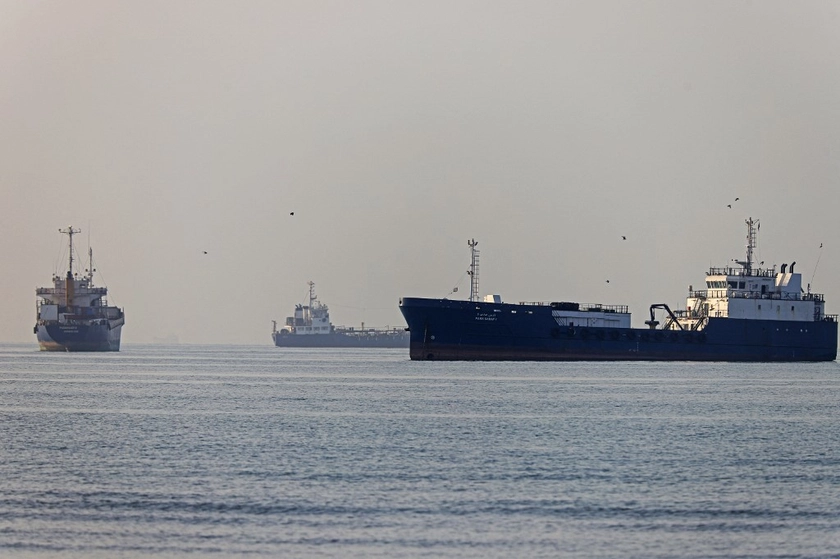
Russian-installed authorities in occupied Crimea and Sevastopol suspended all civilian fuel sales entirely, restricting gasoline and diesel exclusively to emergency and state vehicles, following Ukrainian drone strikes and fires at fuel terminals in Kerch and at Port Kavkaz near the Kerch Strait.
Kremlin spokesman Dmitry Peskov, on Tuesday, claimed that Russia’s macroeconomic stability is “absolutely secured” despite a federal budget shortfall of 2.1 trillion rubles ($20 billion) and surging war-related expenditures.
You can also highlight the text and press Ctrl + Enter