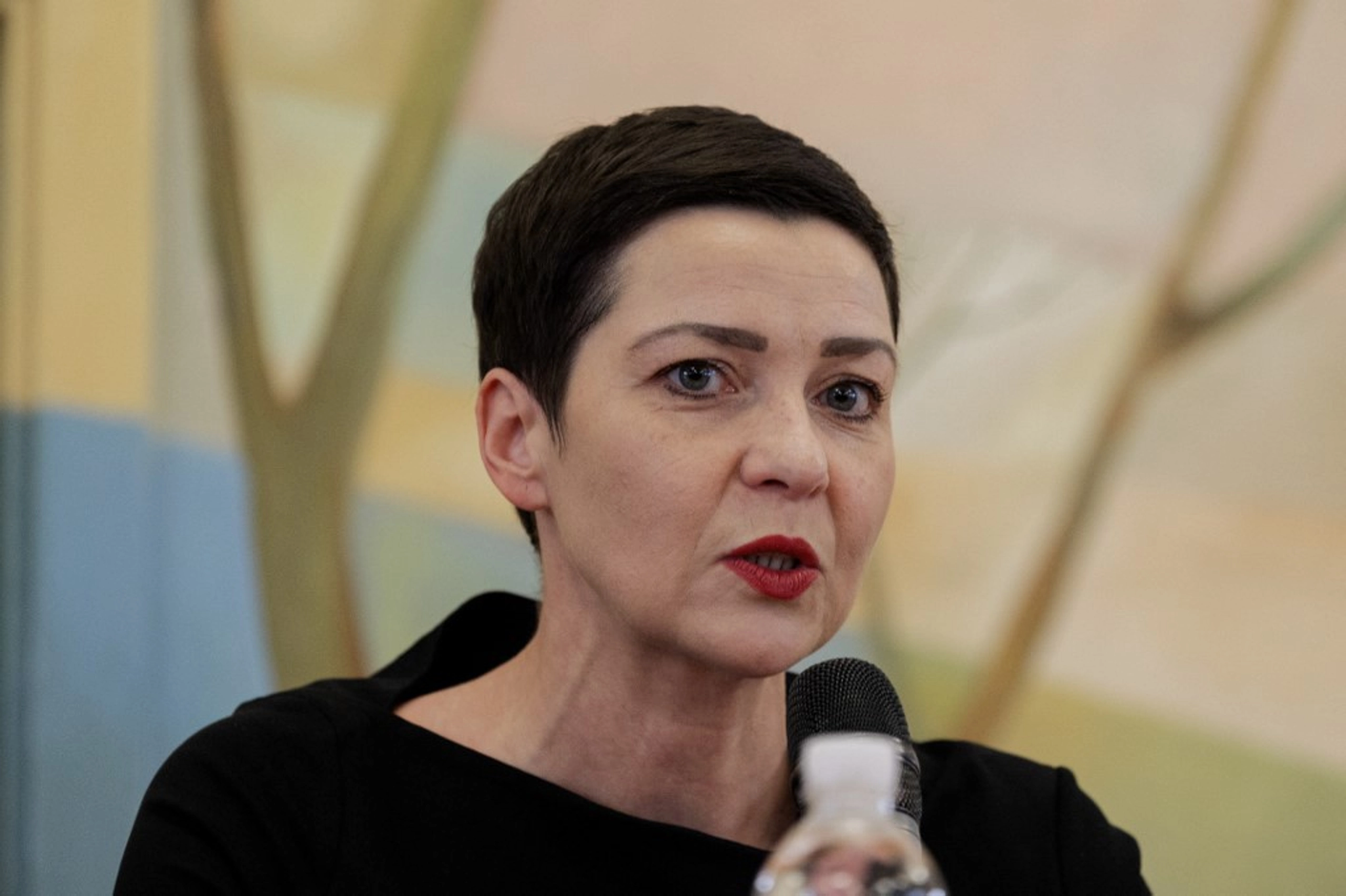
Belarusian protest leader Maria Kolesnikova said she did not regret anything as she spoke to reporters Sunday after her surprise release brokered by the United States.
The 43-year-old was released on Saturday along with 122 other prisoners after more than five years in prison for opposing Belarus’s President Alexander Lukashenko.
JOIN US ON TELEGRAM
Follow our coverage of the war on the @Kyivpost_official.
“I don’t regret anything. I believe that there are times when we face such questions, difficult questions, and we must make difficult choices,” she said during a news conference in Ukraine, where she was taken after her release.
“I made this difficult choice very easily because I was and remain absolutely confident that I supported the right idea.”
Those freed also included Viktor Babariko, a former banker who sought to run against Lukashenko in the 2020 election but was arrested.
At the press conference, Babariko, 62, said detainees in Belarus had access only to state-controlled media and therefore had no objective view of the war between Russia and Ukraine.
“You only know what they show on Belarusian television. And they show almost nothing,” he said.
The 123 people, who included prominent opposition figures and activists, were freed under a deal with US President Donald Trump that includes Washington lifting US economic sanctions on Minsk.
A total of 114 of those freed were transferred to Ukraine.
Kolesnikova thanked the United States, Ukraine and also Lukashenko himself.
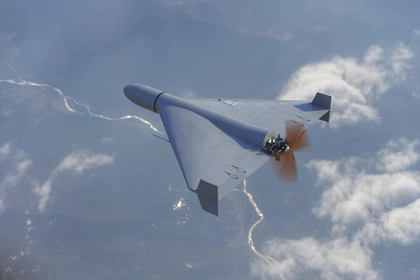
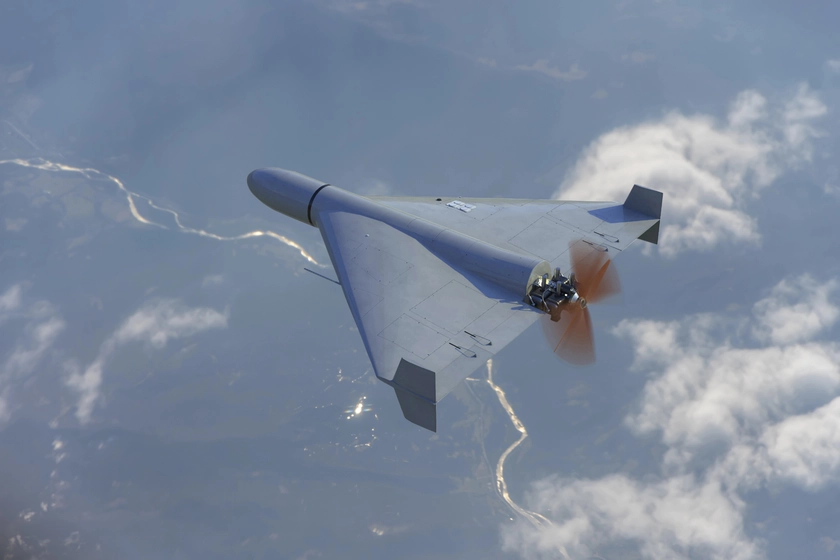
Belarus Relay Shutdown Limits Russia’s Real-Time Control of Shahed Drones, Ukraine Says
A trained musician, she was one of the leaders of protests against Lukashenko’s disputed re-election in 2020.
In September that year, she was abducted by Belarusian security services and taken to the Ukrainian border for expulsion.
She tore up her passport, making her deportation legally impossible and turning herself into a symbol of resistance against the president, in power since 1994.
Babariko lost a lot of weight in prison and said his priority now was his health.
But he added: “Belarus needs me, I will try to do something.”
He urged people not to forget the more than 1,200 political prisoners who rights group Viasna says are still held in Belarus, including his own son, Eduard.
“We must not forget those whose surnames we have never heard... That would be a great betrayal.”
You can also highlight the text and press Ctrl + Enter