It is the diplomat’s dream – and the nightmare waiting to happen.
After two and a half days of intensive talks, American, Ukrainian, and European officials say they are 90 percent done on a framework to end Russia’s war in Ukraine. But the remaining 10 percent is a landmine, threatening to detonate the entire effort.
JOIN US ON TELEGRAM
Follow our coverage of the war on the @Kyivpost_official.
The dividing line is simple: Washington is offering Kyiv the strongest de facto security guarantee yet – a commitment “like Article 5, but without NATO” – but key voices are warning the West cannot afford to legitimize Russia’s territorial grabs.
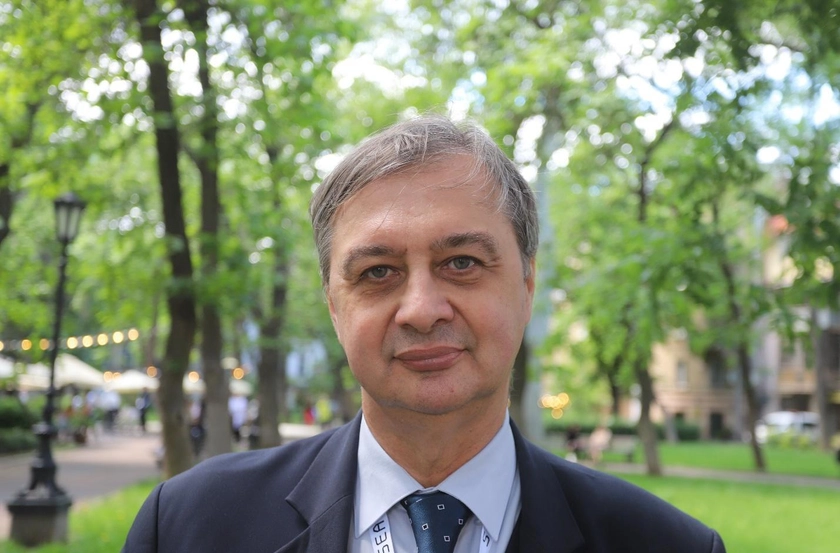
“I think Ukraine’s partners should be supportive of Ukraine’s position on the occupied territories,” said Steven Pifer, a former US ambassador to Ukraine, who told Kyiv Post in an interview Monday that the West must “not agree to recognize that territory is Russian territory.”
It’s a blunt, insider warning that captures the defining tension: a deal may be close, but the price for peace could be legitimizing a land heist that simply postpones the next war.
Ten percent on fire
Senior US officials said Monday that the US, Ukraine, and major European countries have reached consensus on about 90 percent of the terms of a settlement.
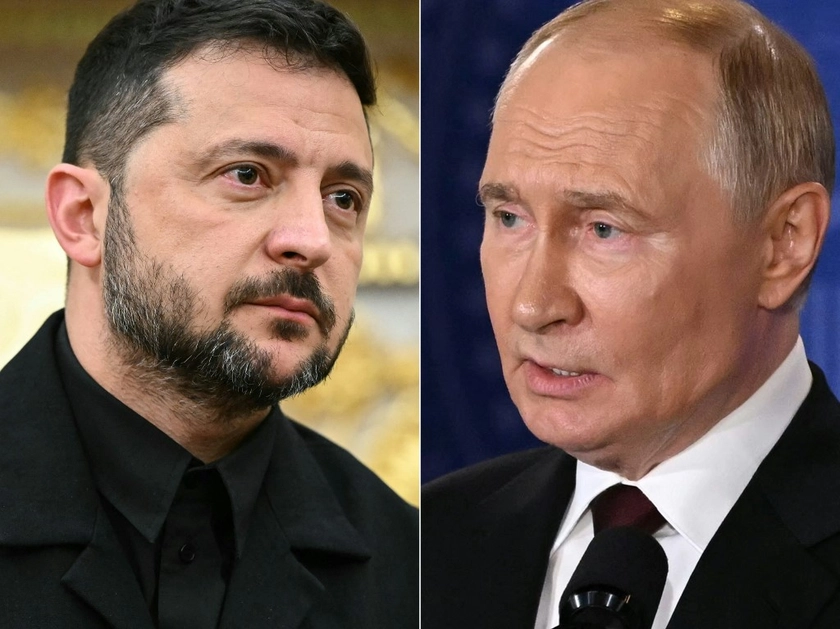
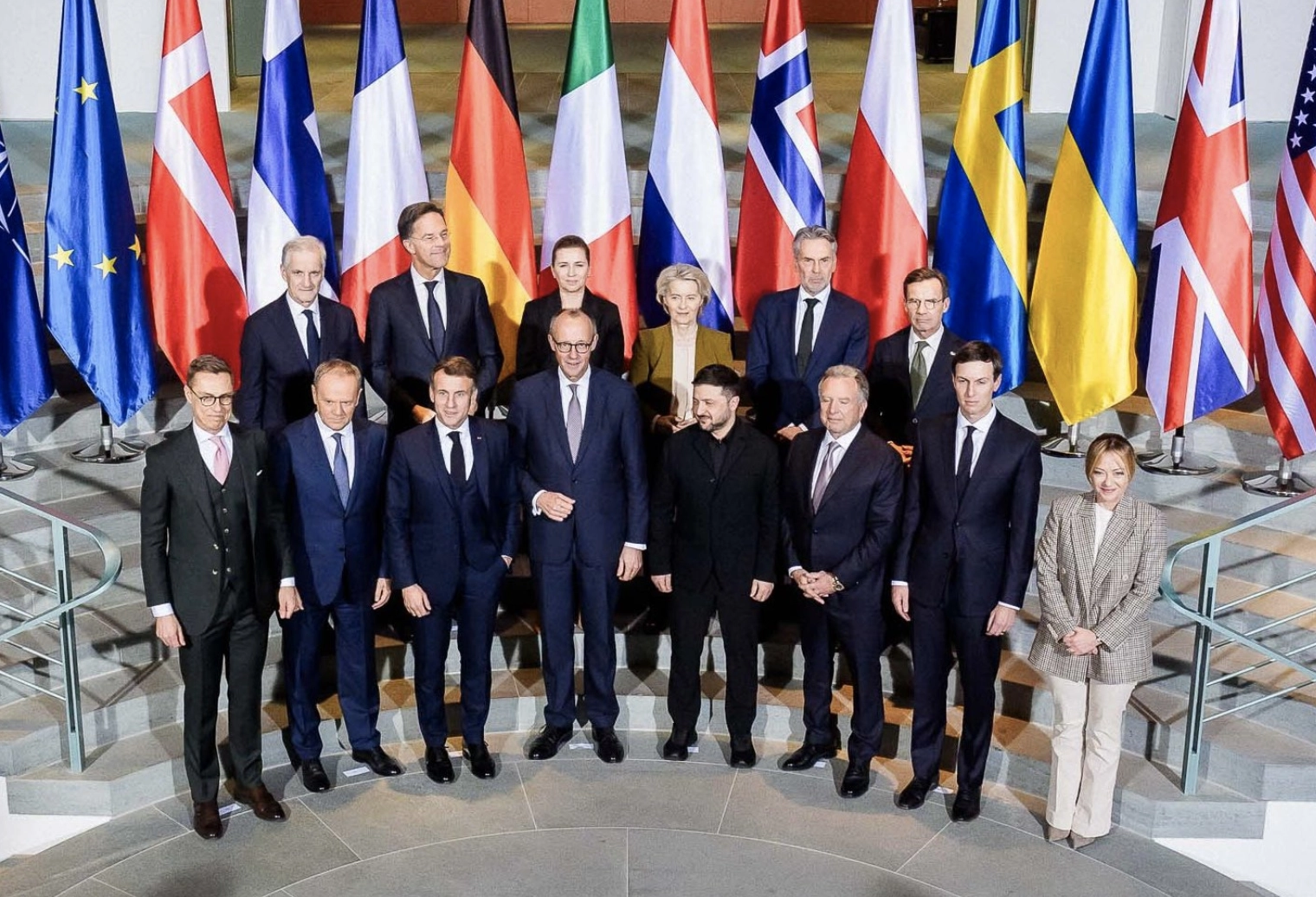
The talks involved President Trump’s special envoy Steve Witkoff, senior adviser Jared Kushner, President Volodymyr Zelensky, and top European leaders, all meeting behind closed doors in Berlin.
Intent in Plain Sight: the Politics of a UN-Recognized Genocide
Zelensky described the result as a “first draft,” praising the progress while signaling unresolved dangers.
“The military part looks quite solid,” he noted, saying the sides “worked very well together,” but warning that “destructive” elements still need to be removed. “This matters, because dignity matters.”
A follow-up meeting in Miami this weekend will bring together working groups and military planners to pore over maps and technical details, according to a senior US official. When Russia might formally reengage remains unclear.
Article 5 without NATO
At the core of the negotiations is a major shift from Washington: Article 5-like security guarantees for Ukraine without formal NATO membership.
The proposal would commit the US and key European allies to Ukraine’s defense if Russia attacks again – the most explicit pledge the Trump administration has offered so far.
The guarantees are designed to answer Kyiv’s central fear: that any ceasefire without a credible US backstop would simply give Moscow time to regroup.
Trump underscored that urgency Monday from the Oval Office, saying he has had “numerous conversations with President Putin” and believes the sides are closer to a deal than ever before.
“We want to save a lot of lives,” Trump said, citing casualty figures he compared to losses unseen since World War II. “We’re getting tremendous support from European leaders. They want to get it ended also.”
But Trump was equally candid about the limits of the talks.
“They’ve already lost the territory, to be honest,” he said. “Territory is lost.”
On security, he added: “We’re working with Europe on it … so the war doesn’t start up again.”
Pifer: What actually makes guarantees credible
Pifer argues the emerging security framework is far stronger than critics suggest – if it is implemented as a package.
He pointed to what he described as four pillars of credible deterrence. The first, and most important, is a long-term commitment to build a modern, well-armed Ukrainian military.
“Ideally, Ukraine has such a strong military that, on its own, can do a lot to deter the Russians,” Pifer said, referencing discussions of a force approaching 800,000 troops.
The second pillar is a European-led multinational force – a “coalition of the willing” – operating inside Ukraine with US backing.
“That’s the important point the Europeans have been waiting for,” Pifer said.
Third would be a US-led ceasefire monitoring and verification mechanism. The fourth is a binding political commitment that “sounds like Article 5 at the end of the day,” dependent on whether leaders are willing to act if deterrence fails.
“As a package,” Pifer said, “this set of security guarantees looks fairly good.”
No US troops – but a US backstop
The absence of US troops on the ground has fueled skepticism, but Pifer said that alone does not weaken the guarantees.
He pointed to earlier comments by Trump suggesting US air power could support a European force if it were attacked.
“If the Europeans had a commitment of American air power,” Pifer said, “that would be fairly strong.”
What matters most, he added, is that Washington appears ready to provide the backstop European leaders have been seeking for months – even if the precise contours remain undefined.
Not the end of NATO
Pifer also pushed back on the idea that Article 5-like guarantees would permanently sideline Ukraine from NATO.
European leaders, he noted, continue to emphasize Ukraine’s long-term European and transatlantic future.
The current framework, in his view, “doesn’t seem to rule out NATO membership at some point.”
In the meantime, commitments from the US, Britain, France, Germany, and other major NATO powers should not be dismissed.
“I don’t think you can dismiss that as nothing,” he said.
Last test: Pressure on Russia
For Pifer, the biggest unanswered question is not Kyiv – but Moscow.
He expects Russia to resist the Berlin framework, especially on security guarantees. That resistance, he argued, will test whether Trump is prepared to back diplomacy with pressure.
“If he wants his diplomacy to work, he has to back it with leverage,” Pifer said.
That leverage could include tougher sanctions, expanded arms deliveries, and even seizing Russian central bank assets to fund Ukraine’s defense and reconstruction – sending a message that Ukraine can fight and rebuild for years if necessary.
“We’ve got to dissuade him of that notion” that Russia can win on the battlefield, Pifer said. Only then, he argued, will the Kremlin negotiate seriously.
The final decision – whether to fund Ukraine’s long-term defense with seized Russian assets and ramp up sanctions until Moscow feels “real pain” – will be the ultimate test of President Trump’s commitment.
Without it, Pifer warns, the elegant Berlin framework is just a piece of paper, and the 90 percent-complete peace deal will instead be a 100 percent guarantee of future conflict.
You can also highlight the text and press Ctrl + Enter
Putin’s Worst Nightmare