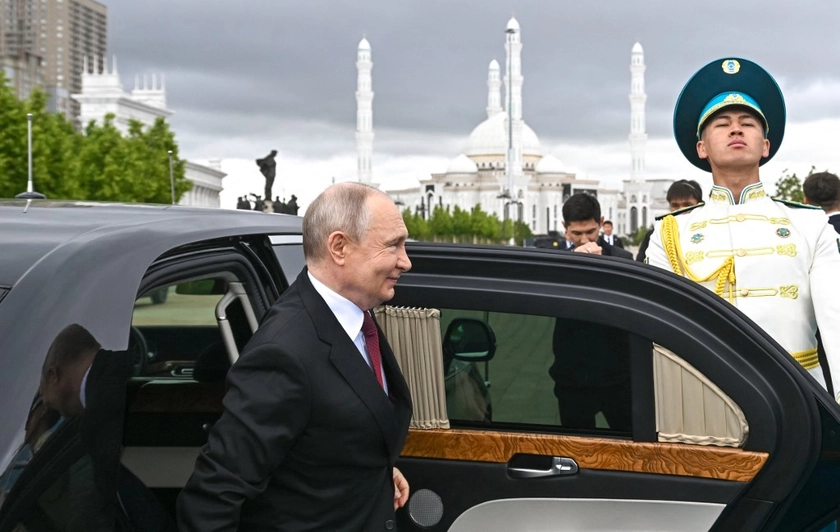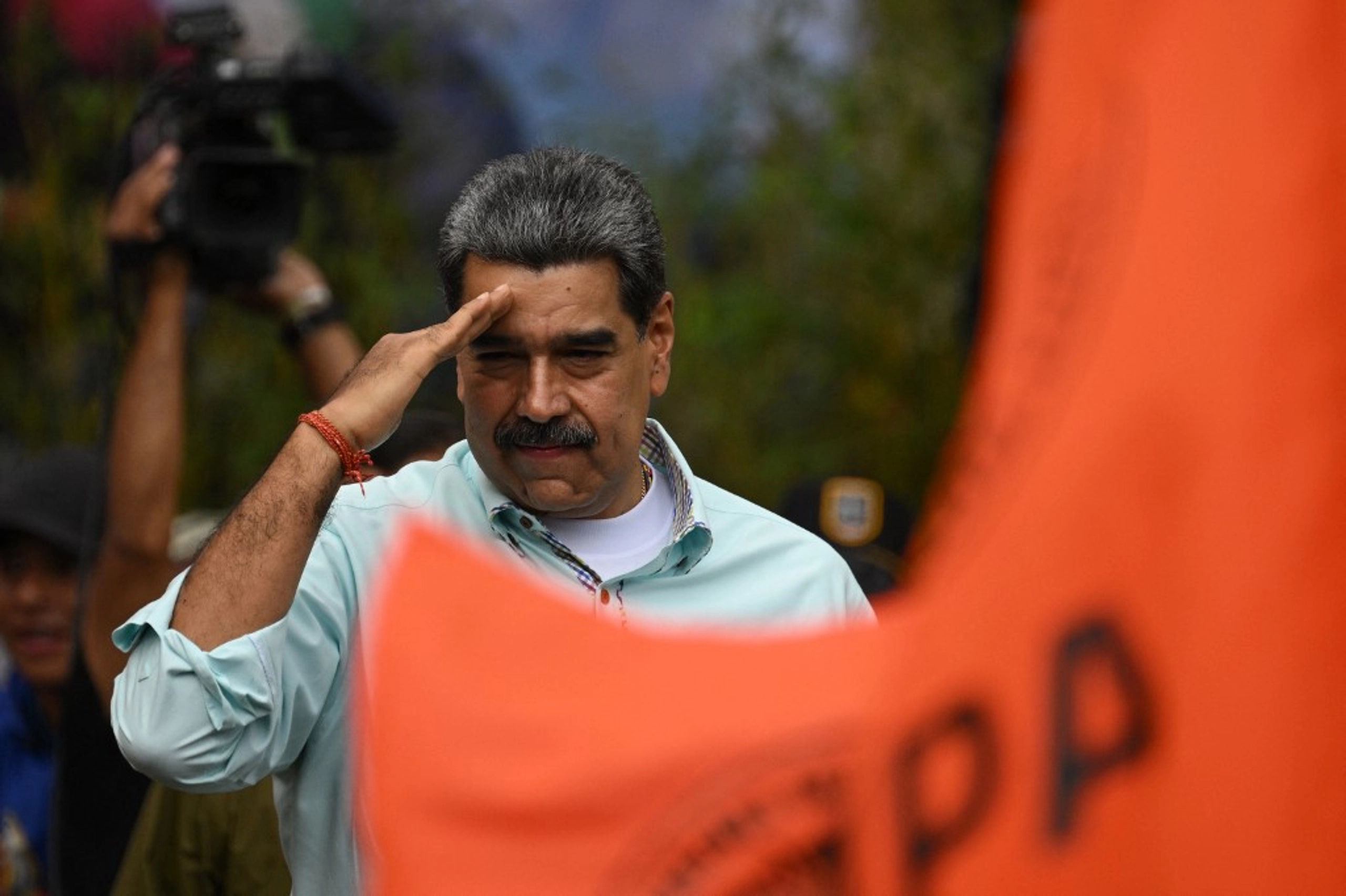
The US military struck Venezuela on Jan. 3, 2026, capturing President Nicolás Maduro and flying him to New York to face narcoterrorism and other charges. President Donald Trump announced the US would “run” Venezuela until a “proper transition” could be arranged.
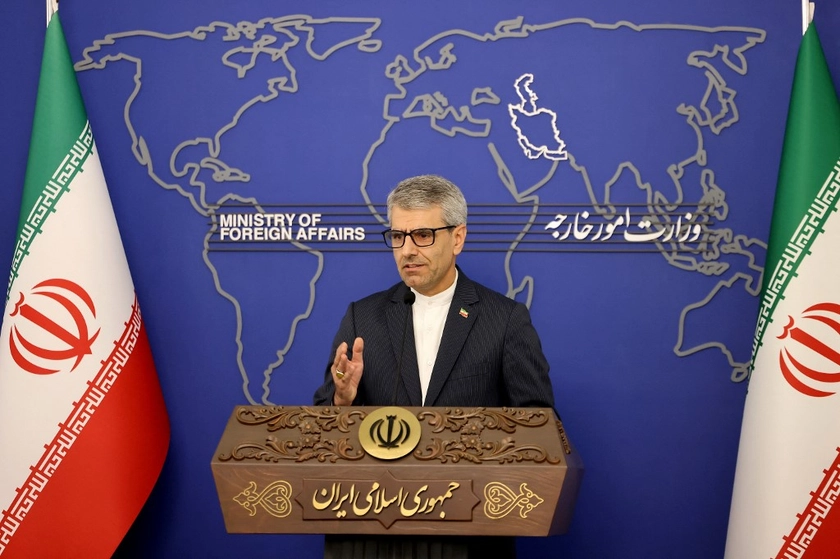
Within hours, Russia’s Foreign Ministry condemned what it called “an act of armed aggression” and an “unacceptable assault” on Venezuelan sovereignty, calling for dialogue and respect for territorial integrity.
JOIN US ON TELEGRAM
Follow our coverage of the war on the @Kyivpost_official.
Russia, now in its fifth year of a full-scale invasion of Ukraine, is lecturing the world about respecting borders and resolving disputes through dialogue. Moscow’s statement emphasized that “ideological animosity has prevailed over business pragmatism and the willingness to build relationships based on trust and predictability.”
The legal argument, however cynical its source, creates a genuine problem for Ukraine.
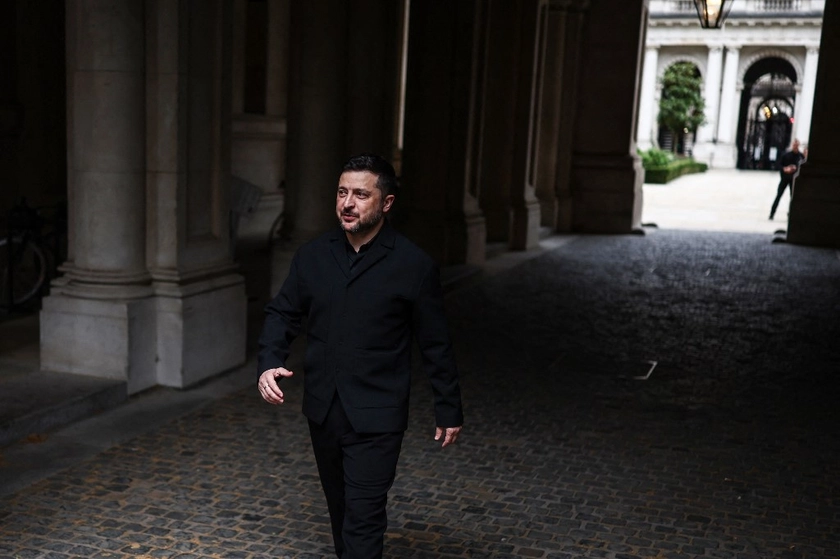
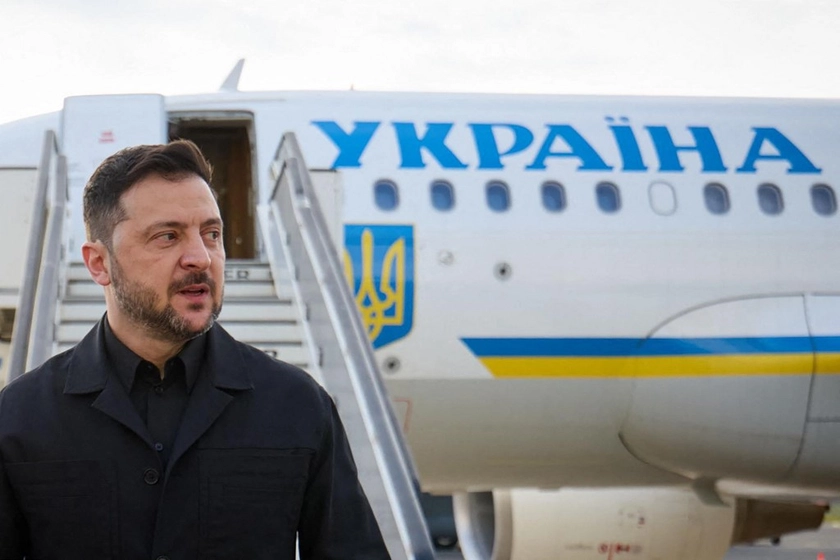
Ukraine’s response to the Venezuela strikes was notably measured. Foreign Minister Andriy Sybiha condemned the Maduro regime’s human rights violations and authoritarianism while emphasizing that “further developments” should proceed “in accordance with the principles of international law.”
It’s a careful positioning. Ukraine will not back Maduro, a dictator who supported Russia’s war effort. But it is also reluctant to endorse unilateral military action against sovereign states.
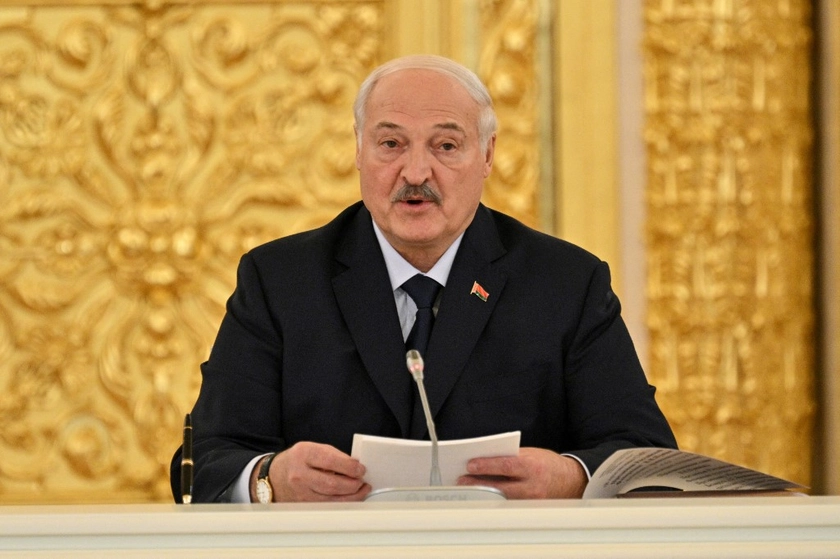
Lukashenko: ‘No Military Action Should Be Expected From Belarus’
Because that precedent is precisely what Ukraine has been fighting against for nearly three years.
Ukraine’s argument against Russia has rested on basic propositions: borders matter, disputes get resolved peacefully, and military force doesn’t give you the right to redraw maps.
The timing could hardly be worse. Just days before the Venezuela operation, Trump met President Volodymyr Zelensky at Mar-a-Lago to discuss a peace plan and spoke with Putin about ending the war. Now those negotiations must proceed in the shadow of an American military action that fundamentally undermines the legal case Ukraine relies on.
Ukraine’s argument against Russia has rested on basic propositions: borders matter, disputes get resolved peacefully, and military force doesn’t give you the right to redraw maps. The UN Charter prohibits what Russia has done.
If the US can launch strikes on another country, capture its proclaimed head of state, and announce plans to “run” that nation indefinitely, what becomes of those propositions? Ukraine has insisted the rules matter. The Trump administration has shown that they are optional.
Russia will exploit this contradiction. Moscow’s propaganda machine is already working overtime, drawing explicit parallels and accusing the West of selective application. Russian whataboutism is usually cynical deflection, but this time they have ammunition.
The danger extends beyond rhetorical point-scoring. Smaller nations like Ukraine exist because of international law. When great powers treat sovereignty as conditional, whether Russia or the US, it is countries like Ukraine that pay the price. The rules-based order, for all its flaws and inconsistencies, has been the only real protection for nations lacking the military might of their larger neighbors.
UN Secretary-General António Guterres called the Venezuela operation “a dangerous precedent,” and he’s right. The precedent isn’t just dangerous for Venezuela. It threatens every nation that relies on law rather than raw power for its security.
Ukraine faces an impossible choice. Supporting the US action unreservedly would directly contradict everything it has argued over the past four years. Russia would seize on Ukrainian support as proof of Western hypocrisy, claiming Kyiv only cares about borders when they are their own. Ukraine’s moral authority, one of its most valuable assets in maintaining international support, would be severely compromised.
Antagonizing Trump over Venezuela could have serious consequences.
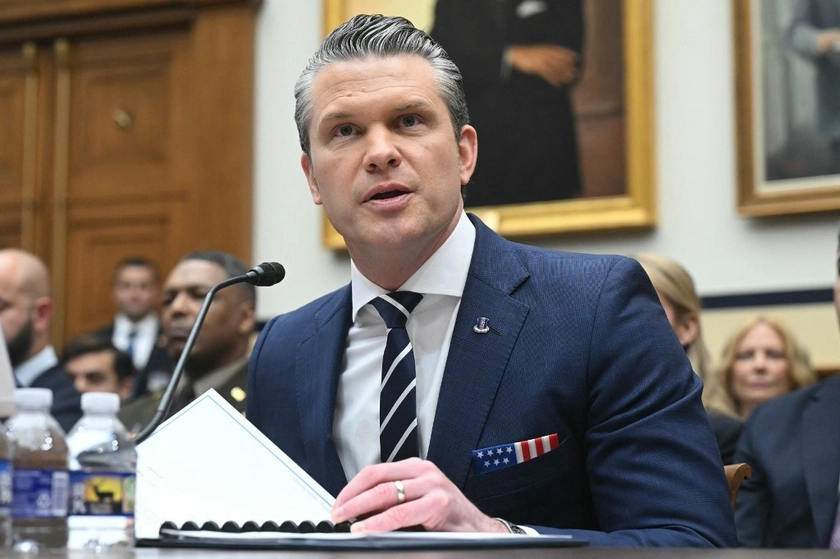
Opposing or even gently criticizing the US action is equally unwise. Ukraine depends on American military aid. The flow of weapons, intelligence, and financial support from Washington keeps the country alive. The current US president is transactional and thin-skinned. Antagonizing Trump over Venezuela could have serious consequences.
So, Ukraine adopted the only realistic stance: a carefully worded statement condemning Maduro’s regime while calling for respect for the Venezuelan people’s interests. The statement allows Ukraine to maintain its position on paper without directly criticizing its vital patron.
Despite fighting heroically for its independence, Ukraine’s fate rests not on legal arguments or moral authority, but on the continued goodwill of a superpower that may not share those commitments.
Ukraine can advocate for a rules-based order, but it has no power to enforce one. It will not risk alienating a power, keeping it going, even when that ally breaks the very rules Ukraine is fighting to uphold.
Europe’s response
Europe’s response also gives Ukraine something to think about.
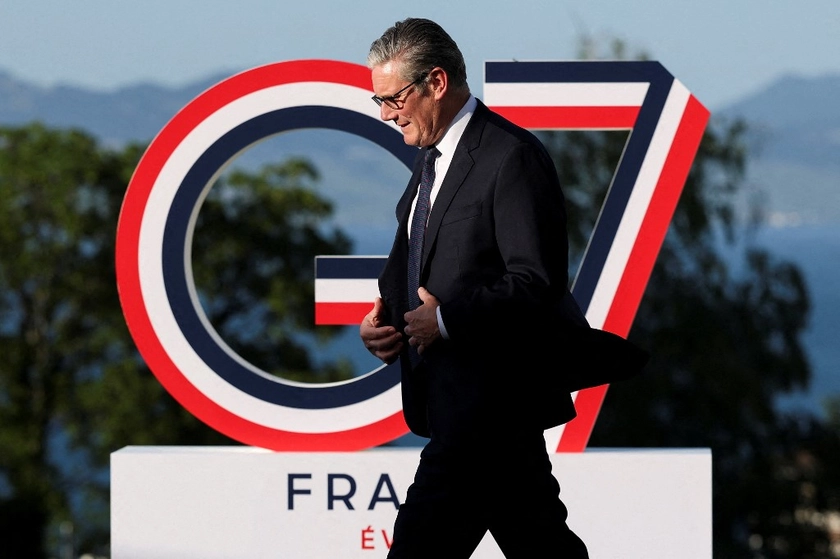
UK Prime Minister Keir Starmer said Britain “shed no tears” about the end of Maduro’s regime while insisting on respect for international law. France’s foreign minister called Maduro “an unscrupulous dictator” but noted the operation violated established norms. EU foreign policy chief Kaja Kallas emphasized that Maduro lacks legitimacy yet called for restraint. Ukraine’s stance aligns with its partners across the continent.
The difference is that Britain, France, and Germany can afford their measured criticism. They have economic and political independence from Washington. They can gently chide American methods while maintaining the transatlantic relationship.
Ukraine has no such luxury. It needs American weapons to survive and support from Brussels to rebuild. Where others speak from conviction, Ukraine speaks from necessity.
For Ukraine, the Venezuela strikes reveal something more fundamental than hypocrisy: the gap between how the international order is supposed to work and how it actually does.
The Venezuela operation doesn’t stand alone. For over a year, the US has defended Israel’s military campaign in Gaza – involving actions that much of the world, allies included, views as violations of humanitarian law.
Washington has repeatedly blocked UN Security Council resolutions on Gaza while demanding UN action against Russia’s invasion of Ukraine. Each instance of selective enforcement chips away at the legal architecture Ukraine relies on.
Ukraine stays silent. Criticizing American support for Israel risks the aid that keeps Ukrainian soldiers armed and fed.
The “rules-based order” increasingly looks like it has an asterisk: rules apply unless American interests dictate otherwise. For smaller nations caught between great powers, that asterisk might as well be a death sentence.
What happens next in Venezuela will matter enormously. If the operation produces a swift transition to democratic governance and regional stability, it may be remembered as an exception, messy but ultimately justified by results.
If it descends into prolonged external control, a refugee crisis, or regional conflict, the precedent becomes far more dangerous. Russia will be watching to see whether American unilateralism faces meaningful consequences or only rhetorical disapproval.
For Ukraine, the Venezuela strikes reveal something more fundamental than hypocrisy: the gap between how the international order is supposed to work and how it actually does. That gap has always existed. Major powers no longer bother to maintain the pretense. Whether this is temporary or permanent remains unclear.
The implications extend beyond rhetoric. If bilateral security guarantees prove unreliable, subject to revision when inconvenient, then Ukraine’s post-war security rests entirely on institutional membership: NATO, the EU, structures with treaty obligations and collective decision-making. Any peace settlement built on American or Western promises alone looks much less credible.
Ukraine is not the only country drawing that conclusion. Taiwan, the Baltics, Poland, any nation relying on external protection rather than its own strength must now recalculate what those commitments actually mean when tested against other priorities.
Trump’s declaration that American companies would be “very strongly involved” in Venezuela’s oil industry, that the US would essentially be reimbursed through resource revenues, adds another layer of concern. The language echoes his demands regarding Greenland and Panama, as well as his proposals for mineral rights deals with Ukraine.
For Kyiv, already navigating discussions over Ukrainian resources as part of American support packages, the pattern is unmistakable: Trump views assistance as a transaction, with access to resources as the price of protection. That Venezuela’s president was removed and its sovereignty subordinated to American commercial interests suggests what “support” might ultimately cost.
Ukraine’s fate may hinge less on legal arguments than on whether its patron’s interests continue to align with its survival. Not the world order Ukraine is fighting for, but possibly the one it has to navigate.
The views expressed in this opinion article are the author’s and not necessarily those of Kyiv Post.
You can also highlight the text and press Ctrl + Enter