As US support for Ukraine remains uncertain amid stalled peace efforts and growing political fatigue, a lobbying campaign with an unfamiliar cast and a familiar message has arrived on Capitol Hill.
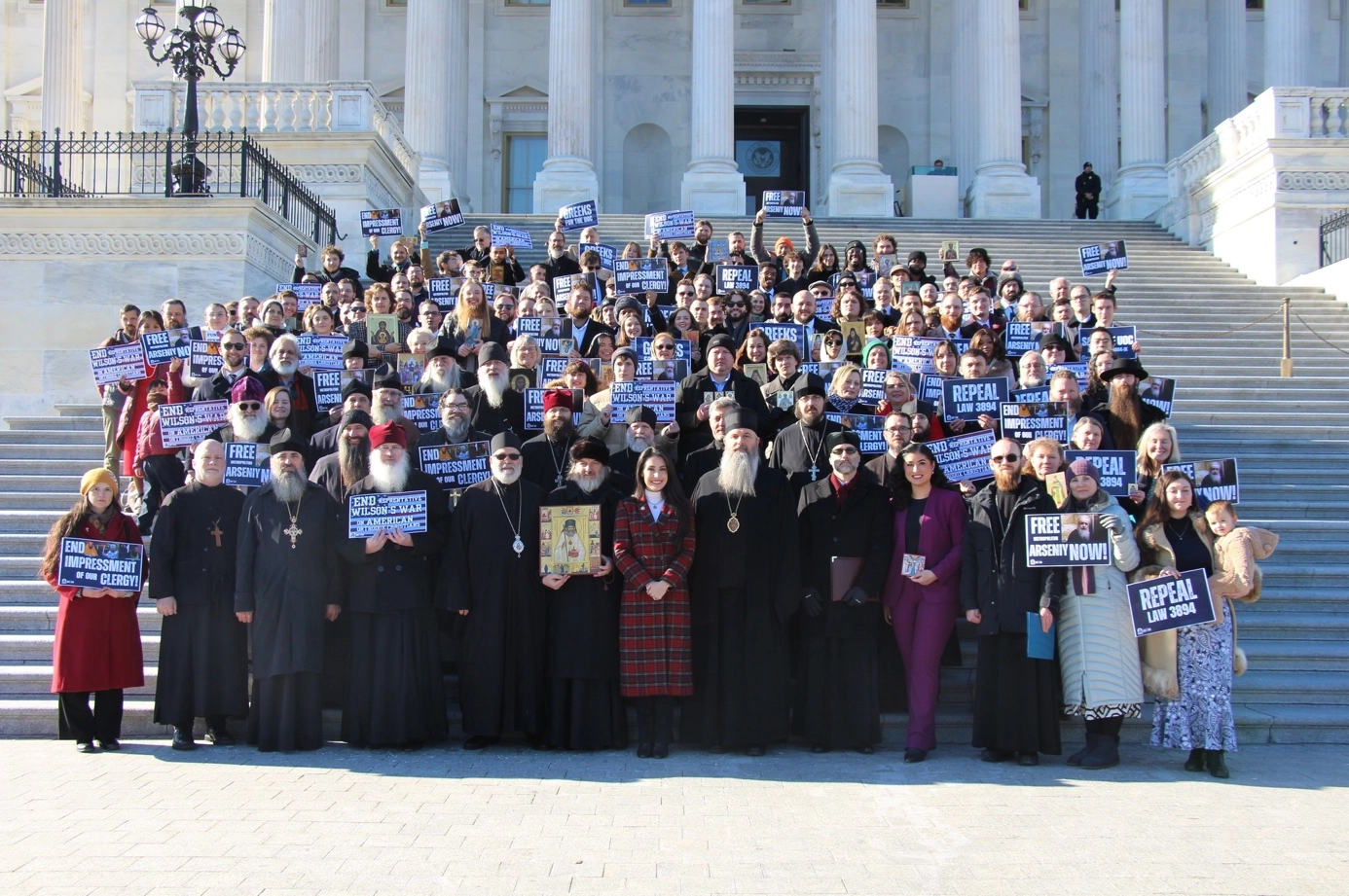
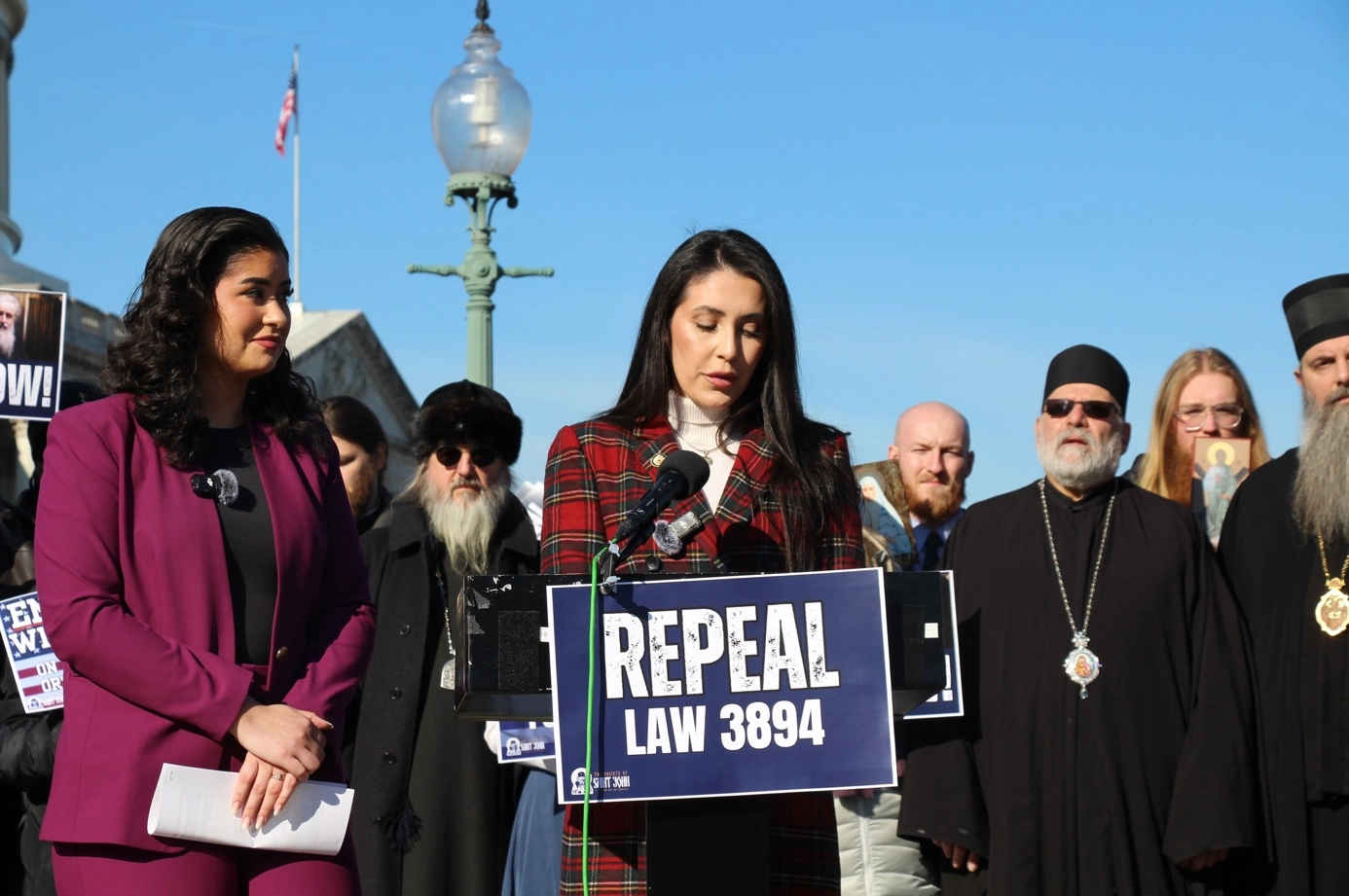
In mid-December, a delegation of Orthodox Christian clergy and advocates fanned out across congressional offices to protest a Ukrainian law they say persecutes churches affiliated with the Moscow Patriarchate. The advocacy day included appearances by Representatives Anna Paulina Luna of Florida, Eli Crane of Arizona, and Derrick Van Orden of Wisconsin, according to organizers.
JOIN US ON TELEGRAM
Follow our coverage of the war on the @Kyivpost_official.
The effort was coordinated by a US-based pan-Orthodox group that describes itself as independent and focused on religious liberty. But to analysts who track Russian influence operations, the campaign raised concerns. They say its messaging reflects themes long promoted by Moscow, repackaged for American lawmakers with limited familiarity with Ukraine’s religious landscape.
Ukraine Hits Targets 1,300 km Inside Russia, Striking Ufa Oil Refinery and Penza Missile-Linked Plant
The Archons of the Ecumenical Patriarch, a group of Orthodox leaders under Patriarch Bartholomew dedicated to preserving Orthodox religious freedom, also condemned the lobbying trip to Washington, calling the group “deceptive,” “misleading,” and “boosters of Vladimir Putin’s unjust, immoral and monstrous war against Ukraine.”
A December 2025 investigative report by researchers Olga Lautman and Andrii Luchkov found that claims of “religious persecution” in Ukraine follow a repeatable pipeline: narratives originating in Russian state propaganda are repackaged through Moscow-aligned church networks, laundered through Western legal and media channels, and ultimately reintroduced into US political space as faith-based advocacy.
According to the Lautman-Luchkov investigation, the contemporary strategy relies less on overt state messaging and more on intermediaries that give Kremlin narratives institutional credibility abroad. Church authority, oligarch patronage, Western legal advocacy, and sympathetic media platforms function as successive filters, allowing Russian state disinformation to reach Washington stripped of its origins and reframed as a dispute over religious freedom rather than national security.
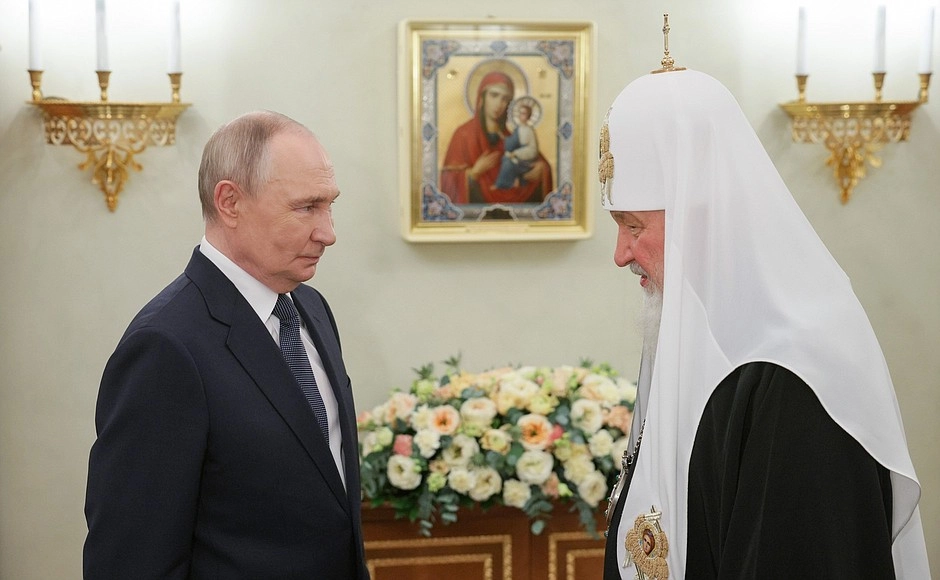
The Capitol Hill campaign
The lobbying effort, organized by the New York Young Republican Club and a pan-Orthodox coalition including the Russian Orthodox Church Outside Russia, focused on what they characterized as persecution of the Moscow-patriarchate-aligned Ukrainian Orthodox Church (UOC-MP) by the Ukrainian government.
Some participants in the delegation were affiliated with the church, known as ROCOR, which restored canonical ties with the Moscow Patriarchate in 2007 – a relationship that has drawn heightened scrutiny since Russia’s full-scale invasion of Ukraine.
Claims that Ukraine is broadly hostile to Christianity sit uneasily with the country’s religious demographics. Pew Research Center has found that Ukraine is an overwhelmingly Orthodox Christian society. In a 2015 nationwide survey, nearly eight in ten Ukrainian adults, or 78 percent, identified as Orthodox, a higher share than in Russia itself, where 71 percent did.
More recent polling underscores how limited the Moscow-aligned church’s footprint has become. A nationally representative survey conducted in late 2024 by the Kyiv International Institute of Sociology found that only about 6 percent of Orthodox believers in Ukraine said they belong to the UOC-MP.
Public opinion has also strongly favored state action: a nationwide Kyiv International Institute of Sociology survey conducted in October 2024 found that 80 percent of Ukrainians support a law banning the activities of religious organizations linked to Russia.
“At the core of these meetings is deception,” said Lautman. “Ukraine’s actions are deliberately misframed as a ‘ban on Orthodoxy,’ when they are in fact national security measures targeting a Moscow-subordinated institution embedded in Russia’s war and intelligence apparatus.”
The Russian Orthodox Church has played a central role in dismantling religious pluralism both inside Russia and in the territories Moscow occupies.
Lautman added that “false framing is then recast as a ‘religious freedom’ issue and presented to Western audiences unfamiliar with Ukraine’s church structures.”
Ukraine is not alone in taking such steps. In 2024, Estonia expelled the head of the Estonian Orthodox Church, citing national security concerns over the church’s ties to Moscow and what officials described as its role in Russian influence operations. The church, which until March 2025 was known as the Estonian Orthodox Church of the Moscow Patriarchate, later changed its name amid mounting scrutiny.
According to organizers, one of the delegation’s central aims was the repeal of Ukraine’s Law 3894-IX, which requires religious organizations operating in Ukraine to sever institutional ties with religious authorities in Moscow.
United Nations human rights experts have warned that Ukraine’s recent legislation regulating religious organizations risks infringing on freedom of worship if applied on vague or ideological grounds, particularly during wartime. In an October statement, independent UN special rapporteurs expressed concern that Law 3894-IX, which permits the dissolution of religious bodies affiliated with the Russian Orthodox Church, could amount to collective punishment and undermine protections guaranteed under international human rights law, even as they stopped short of issuing a judicial determination.
But experts who have closely documented religious life under Russian occupation say such concerns are routinely stripped of context. Lucy Ash, a journalist and the author of “The Baton and the Cross,” said outlets such as the Union of Orthodox Journalists (UOJ) present “an exceedingly distorted picture of what is going on in Ukraine,” one in which Russian aggression is “barely mentioned at all.”
She called it “grossly hypocritical” for Kremlin officials to accuse Kyiv of persecuting Christianity, noting that in Russian-occupied territories, authorities treat religious communities without Russian state registration as illegal. Evangelical and other non-Orthodox believers, she said, have faced threats, abductions, torture and killings, often branded as “American spies.”
“So much then for freedom of worship,” Ash said, arguing that the Russian Orthodox Church has played a central role in dismantling religious pluralism both inside Russia and in the territories Moscow occupies.
Those concerns became central to how the delegation framed its case on Capitol Hill.
Benjamin Dixon, director of operations at the Society of Saint John of Shanghai and San Francisco (SSJ), said that the group’s goal was “to meet with Members of Congress and their staff to raise concerns about ongoing violations of religious freedom in Ukraine, specifically the persecution of the Ukrainian Orthodox Church.”
According to the delegation, it held more than 80 scheduled meetings with congressional offices and staged a public press conference on Capitol Hill. Attendees included hierarchs from the Antiochian, Serbian, and ROCOR, as well as representatives of the Orthodox Church in America (OCA), alongside lay delegates from multiple Orthodox jurisdictions.
In November, members of the delegation also met with lawmakers from both parties, including Representatives Darrell Issa, a Republican from California, and Raja Krishnamoorthi, a Democrat from Illinois. Neither Issa’s nor Krishnamoorthi’s office responded to requests for comment.
Several of the churches represented in the delegation have senior leadership that has maintained visible ties to Moscow since the start of the war.
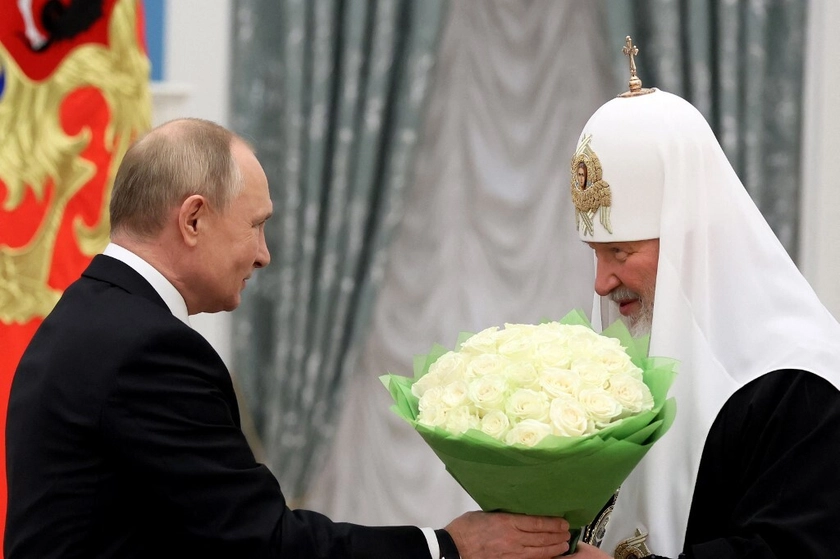
The head of the Serbian Orthodox Church, Patriarch Porfirije, was in Moscow in April, where he met with Putin and Patriarch Kirill. The Antiochian Patriarchate has taken a position broadly aligned with Moscow on the war. In a March 2022 statement, the church expressed sympathy for the Ukrainian Orthodox Church-Moscow Patriarchate led by Metropolitan Onufriy while avoiding any reference to Russia’s invasion or responsibility for the conflict.
In August, an OCA bishop met with Putin at a military cemetery and presented him with icons, an encounter that was publicly staged and carefully choreographed, said Ash.
Senator Chuck Grassley of Iowa offered a sharp rebuke to the delegation’s claims. “I understand that representatives of the Russian Orthodox Church are on Capitol Hill this week falsely claiming persecution by the Ukrainian Government,” Grassley said. “Two years ago, I met with Ukrainian faith leaders in my office, about 30 of them, from many backgrounds, including Orthodox, Catholic, Evangelical, Jewish and Muslim. They told me everyone in Ukraine can freely practice their religion.”
Grassley emphasized the contrast with occupied territories: “But in occupied Ukraine, Russians have turned churches into a secular Russian ‘Ministry of Culture.’ They’ve also tortured pastors, and the faithful are forced to worship in secret.”
The Lautman-Luchkov investigation found that Russian state and proxy media routinely cite US political engagement – meetings, photographs, and public acknowledgments – as independent confirmation of claims that originated in Kremlin propaganda. In this way, routine democratic access in Washington becomes a validation loop, recycled abroad as evidence that Ukraine is losing Western support.
The network behind the messaging
The Capitol Hill meetings were supported by an advocacy group and a media outlet that researchers say emerged in the months leading up to the lobbying effort. “The delegation was organized by the Society of Saint John of Shanghai and San Francisco, a pan-Orthodox, extra-ecclesial organization composed entirely of American Orthodox Christians. The delegation numbered just over 180 individuals, all US citizens,” said Dixon.
The SSJ, established in 2025, presents itself as a pan-Orthodox fraternity advocating for religious liberty. Corporate records from North Carolina show that the Society of Saint John of Shanghai and San Francisco LLC was registered on November 18, 2025 – the same day the delegation held its first set of congressional meetings.
North Carolina allows limited liability companies to be formed quickly. According to the state’s Secretary of State, standard LLC filings are typically processed within a few business days, with expedited options – including same-day approval – available for an additional fee and requiring little more than basic organizational paperwork.
Dixon said the organizations were registered as limited liability companies rather than nonprofits for practical reasons, citing cost and administrative constraints.
Following the November advocacy day, promotional materials for the group’s December lobbying effort told participants that hotel accommodations would be covered and that travel stipends were available for “those traveling from afar.”
Dixon wrote that the SSJ “has a six-person board of directors,” although that information is not available on the SSJ website.
The main tab of the website is “Save the UOC,” which claims to address “the persecution of the Ukrainian Orthodox Church.” Catherine Whiteford is the director of government affairs at the organization and according to her father’s blog, she is married to Benjamin Dixon.
In a statement given to The Hill, Whiteford said: “To begin plainly: any suggestion that the Society of Saint John is linked to the Kremlin or the Moscow Patriarchate is not only inaccurate – it is defamatory.”
While Whiteford rejected any connection to Moscow, the same narrative advanced by the group was publicly echoed by the Russian state. In a June 2025 statement, Russia’s Foreign Ministry praised materials published by Whiteford and the Young Republican National Federation, citing them as evidence of alleged “mass violations” of religious freedom in Ukraine and urging Western audiences to adopt Moscow’s framing of the issue.
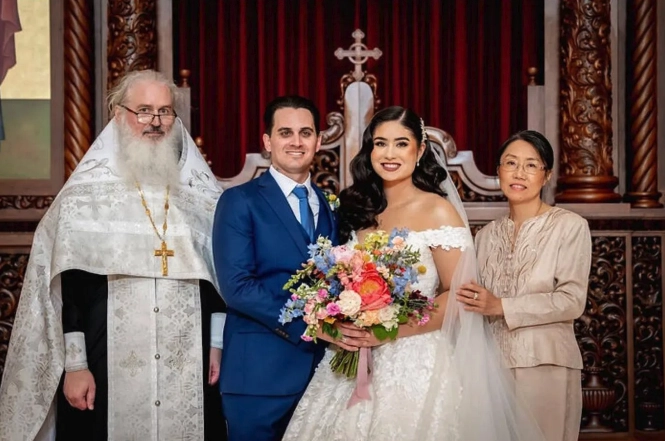
Dixon is also the editor-in-chief of the Union of Orthodox Journalists of America (UOJ-America), which was established in March 2025, according to their website. The original Union of Orthodox Journalists was founded in 2014, during what the organization has described as a “church-political crisis” in Ukraine.
The Lautman-Luchkov investigation describes the UOJ not as a loose faith-based media collective, but as a coordinated information platform that emerged alongside Russia’s 2014 invasion of Ukraine and consistently amplified narratives aligned with Moscow. Assets linked to Viktor Vishnevetsky, a coal industry figure associated with oligarch networks close to the Kremlin, continued operating in Russian-occupied territory after 2014, the report found, connecting UOJ’s early funding to those networks.
In Bulgaria, the site’s growing reach prompted an investigation by the journalist Maya Dmitrova of Bulgarian National Television, working with the civic group BG Elves. That reporting found that the outlet operates without publicly listing an address, editorial board, or bylines, while producing large volumes of original content in Bulgarian and maintaining an extensive presence across social media platforms – a scale of activity that researchers said suggested significant organizational backing.
Several months later, the outlet ceased publishing. Its final post, dated Sept. 30, was attributed to an editorial board that appeared to be the same across all articles, although the website does not disclose who serves on it.
In the countries where it operates, the network uses different website names. In Germany, it publishes as orthodoxnews.de; in Georgia, as mzk.ge; and in Greece, as eeod.gr. The Serbian and Czech/Slovak sites use closely aligned domain names – savezpn.rs and svazpn.cz. Across most of the network’s country-specific outlets, no editors or staff members are named; the sole exception is UOJ-America, which lists an editorial team of 3 individuals, including Dixon.
Corporate records reviewed by the researchers show that UOJ and its successor entities operated as commercial media organizations, underwent repeated re-registration as scrutiny increased in Ukraine, and later expanded into the United States through a newly incorporated US entity in June, months before the Capitol Hill lobbying effort began in November and December 2025.
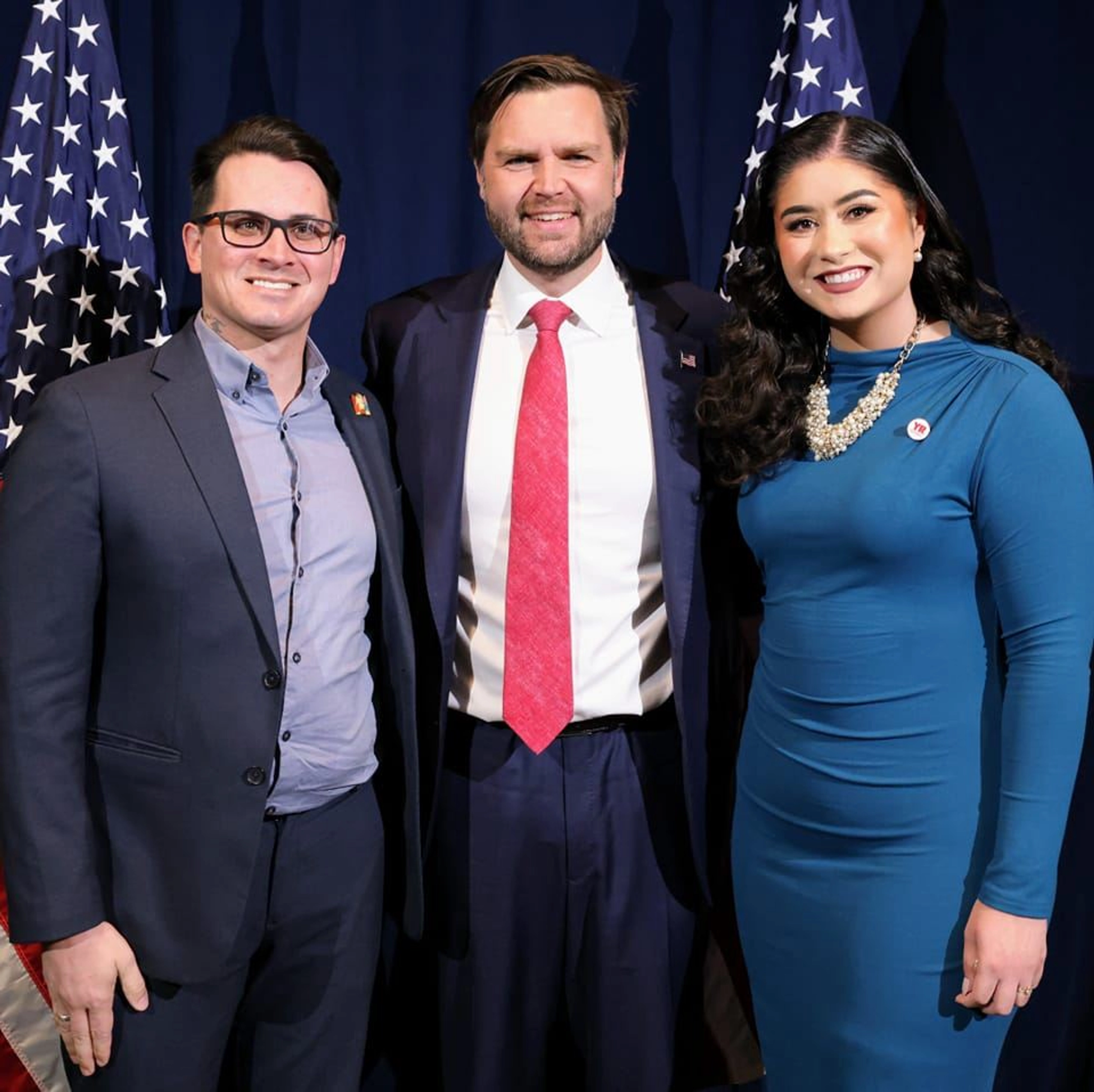
Dixon said that UOJ-America is independently registered and managed in the United States and is not a subsidiary of the original Union of Orthodox Journalists or its European successor entities. He described the relationship as one of informal cooperation, noting that the outlets share branding and editorial standards and occasionally amplify one another’s reporting, but do not operate under direct institutional control.
A report by the Texas Monthly notes that Whiteford’s father, Archpriest John Whiteford, leads Saint Jonah Orthodox Church in Spring, Texas, which is a part of ROCOR. Church materials list Patriarch Kirill of Moscow among its senior ecclesiastical leadership. “After Russia invaded Ukraine in 2022, ROCOR leaders refused to allow individual parishes to stop commemorating Patriarch Kirill of Moscow,” the report said.
In February 2019, Whiteford traveled to Moscow, where he delivered a speech titled “The American Perspective on the Ukrainian Crisis” at an international conference dedicated to Ukraine, hosted by Moscow’s key Orthodox institution.
In 2023, the Federal Bureau of Investigation privately warned members of the Orthodox community in the United States that Russian intelligence services were likely exploiting church networks abroad, including in the US, as part of broader influence and recruitment efforts, according to reporting by Foreign Affairs.
Responding to that reporting, Serafim Gan, the chancellor of the Synod of Bishops of the Russian Orthodox Church Outside Russia, said that while ecclesiastical communion with the Moscow Patriarchate was restored in 2007, “our institutional links remain very limited, and we are proud to be a self-governing church.”
More recently, Joe Wilson, a Republican from South Carolina, asked Attorney General Pam Bondi to review whether the Kremlin or Russian intelligence services have compromised the independence of Russian Orthodox institutions operating in the United States, including ROCOR. In response, John Whiteford, writing for the UOJ, stated that “Rep. Joe Wilson Declares War on the Orthodox Church.”
That concern echoes findings by the Robert Lansing Institute, a research group that has tracked Moscow’s use of Orthodox institutions as channels for political influence and intelligence access in the United States.
In a November 2025 report, the institute warned that Russian Orthodox structures, including those operating under nominally autonomous jurisdictions, have increasingly functioned as platforms for what it described as “hybrid influence operations,” blending religious outreach with political lobbying and narrative shaping.
In 2023, the FBI warned members of the Orthodox community in the US that Russian intelligence services were likely exploiting church networks abroad, including in the US, as part of broader influence and recruitment efforts.
Oleksandr Taran of the Ukrainian-American nonprofit Svitanok NYC warned that religious cover is being used to shield foreign influence activity and also urged civic groups to submit letters to the FBI requesting a review of potential links between ROCOR and Russian influence operations on US soil.
Dixon rejected accusations that the organization functions as a conduit for Russian influence and said the UOJ was prepared to pursue legal action against those who claim it is “working for the Kremlin.”
As Ukrainian authorities intensified investigations into Moscow-linked religious and media networks after the full-scale invasion, several figures associated with UOJ and Moscow-aligned Orthodox advocacy relocated abroad rather than disengaging. The Lautman-Luchkov investigation documents how key actors regrouped in Cyprus, a jurisdiction frequently used by Russian oligarch networks, where successor organizations continued publishing, fundraising, and coordinating messaging aimed at Western audiences.
Independent reporting suggests the Washington lobbying effort is embedded within a broader expansion of Moscow-aligned Orthodox networks in the United States.
A May 2025 BBC report documented rapid growth within ROCOR parishes in Texas and other states, driven largely by young male converts recruited through online media that blends religious authority with rejection of liberal social norms and skepticism toward US policy on Ukraine.
Enforcing the line inside the Church
One former member of ROCOR described sustained internal pressure to conform to positions aligned with Moscow.
Before Russia’s full-scale invasion of Ukraine in 2022, Sister Vassa Larin was a widely followed Orthodox educator and commentator. After she publicly criticized the invasion, ROCOR bishops revoked her status as a nun, citing “disobedience.” Larin said the decision followed repeated efforts by church leaders to curb her criticism of Patriarch Kirill and Russia’s war.
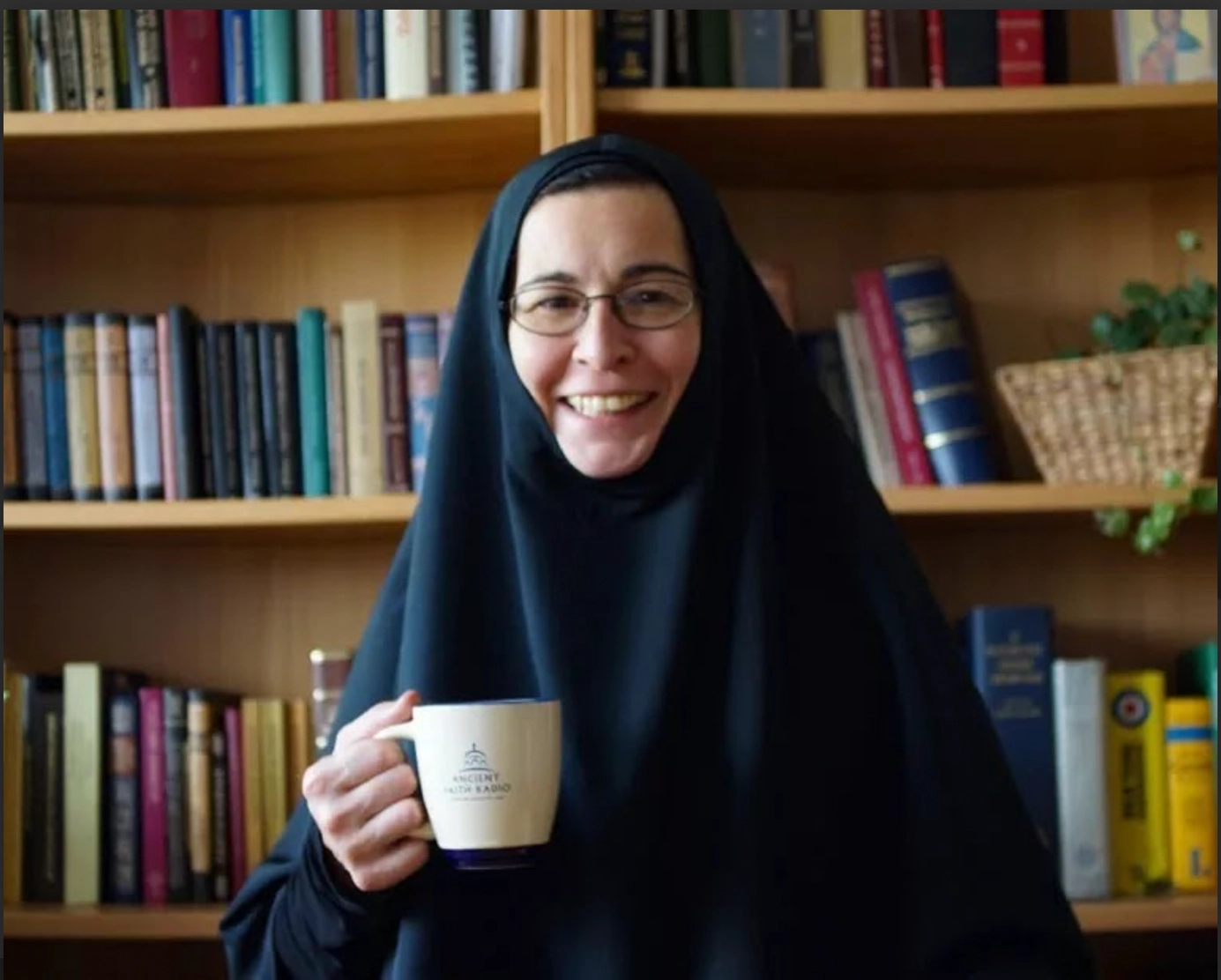
“I know that ROCOR removed me for speaking out against Patriarch Kirill’s support for the war and against ROCOR’s own anti-Ukrainian position,” said Larin. “Before issuing the decree, bishops repeatedly pressured me to modify what I was saying publicly.”
She described a private meeting with senior ROCOR clergy that left little doubt, she said, about the church’s political posture. “During a private meeting, a ROCOR bishop told me that I had ‘misunderstood Patriarch Kirill’ and described Vladimir Putin as a ‘great political leader,’” Larin said. “I was instructed not to speak publicly on these issues without consulting ROCOR bishops.”
Larin said the Washington lobbying effort reflects that same alignment, even if participants view their actions as religious advocacy. “Whether they realize it or not, the aim of this lobbying mirrors the Kremlin’s objective: to discredit President [Volodymyr] Zelensky and undermine Ukrainian statehood, including support for US military assistance,” she said.
Dixon rejected that characterization, saying the delegation “did not advocate for a reduction, suspension, or halt of US military assistance to Ukraine,” and arguing that “support for Ukraine must not come at the expense of fundamental human rights, including freedom of religion.”
There is no public evidence that the delegation or its organizers coordinated with any foreign government. However, their public statements, lobbying efforts, and internal church dynamics reflect positions that closely align with narratives advanced by Moscow.
Dixon’s own social media posts reflect skepticism toward US support for Ukraine’s defense and statements defending Russia.
In March 2022, weeks after Russia’s full-scale invasion, he wrote, “It’s pretty funny to watch the media try desperately to keep Americans focused on Ukraine.” In a March 2023 Facebook post, he urged followers to contact lawmakers to oppose US military aid, writing, “NOT ONE MORE PENNY in military aid.” Dixon has also posted in defense of the Russian military and argued that Russia does not pose a threat.
In May 2025, the editorial staff of UOJ-America published a commentary accusing Sister Vassa of having “betrayed the UOC” by endorsing what it described as “Kyiv’s narrative.”
Dixon has also publicly criticized Larin. In a Facebook post that same month, he wrote that it was “absolutely disgusting” that she would travel to Ukraine and “support the very people persecuting our Church.”
Larin disputed claims that ROCOR operates independently from Moscow. “Since 2007, no ROCOR bishop can be ordained without approval from the Moscow Patriarchate,” she said. “That requirement is written into the canonical agreement ROCOR signed with Moscow.”
That authority remains active. In late December, the Synod of the Russian Orthodox Church Outside of Russia announced three new auxiliary bishops in North America – including in Boston – explicitly stating that the appointments were approved by Patriarch Kirill and the Moscow Holy Synod.
Larin said that while some ROCOR parishioners in the United States privately oppose the church’s position, they are few. Most of the lobbyists, she said, sincerely believe they are defending Metropolitan Onufry, a figure widely respected within ROCOR. “They consume media that reinforces those views,” she added, citing outlets such as the UOJ and other platforms she described as aligned with Kremlin narratives.
From legal advocacy to media amplification
Whiteford has been publicly endorsed by Robert Amsterdam, the US-based attorney representing the UOC-MP in its campaign portraying Kyiv as a religious oppressor. Amsterdam has also appeared as a guest on Tucker Carlson’s podcast, which frequently features criticism of US policy toward Ukraine.
Carlson most recently claimed that President Zelensky was “methodically trying to eliminate traditional Christianity from Ukraine.” Amsterdam amplified the assertion on X, writing: “Thank you Tucker for speaking about the insane persecution of the Ukrainian Orthodox Church!”
Researchers say Amsterdam’s role fits a broader pattern in which Western legal advocacy is used to reframe Kremlin narratives as human-rights claims. According to the Lautman-Luchkov investigation, the hiring of Amsterdam & Partners by oligarch Vadym Novinsky in 2023 marked a turning point, when claims previously circulated by Russian state media were repackaged for US policymakers and media outlets, including through Foreign Agents Registration Act-disclosed commentary.
Amsterdam did not respond to a request for comment.
Novinsky, a Russian-Ukrainian tycoon, has documented ties to senior leadership within the Russian Orthodox Church, a relationship previously reported by The Washington Post. Novinsky, a former member of Ukraine’s pro-Russia Party of Regions, fled the country in 2022 and has since served as a deacon of the Russian Orthodox Church in Zurich.
Ukrainska Pravda has reported that since the start of Russia’s full-scale invasion, Ukraine’s security services have opened 180 criminal cases against priests affiliated with the UOC. Ukrainian authorities say some clergy provided material support to Russian forces, including during Moscow’s initial occupation of Crimea and parts of eastern Ukraine in 2014.
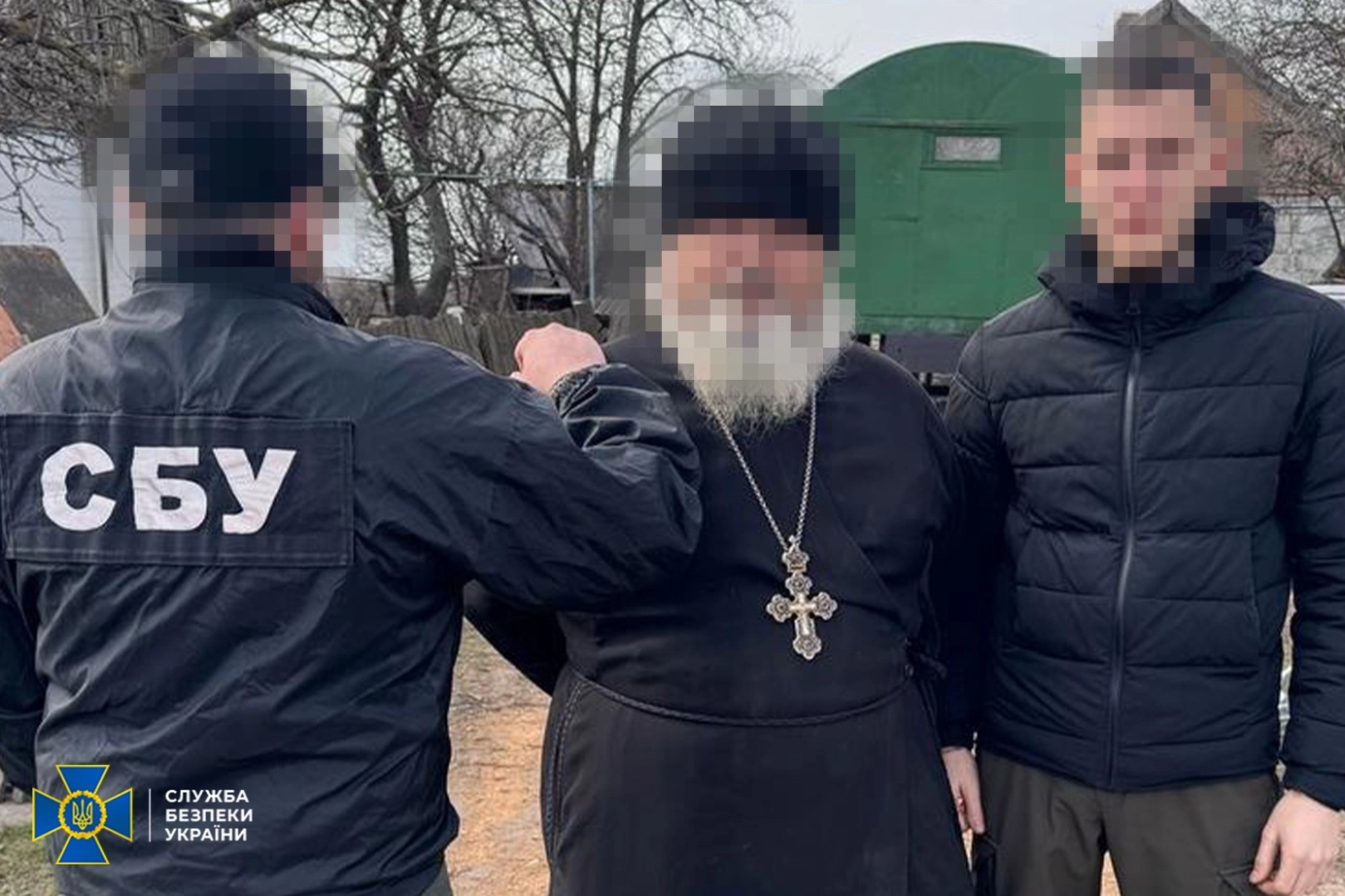
Following the full-scale invasion, Ukrainian officials have accused Russian troops of using churches affiliated with the Moscow Patriarchate as storage facilities, barracks, field hospitals and, in some cases, firing positions. In one case cited by Ukrainian investigators, a priest in the eastern city of Lysychansk was accused of collecting information on rival clergy and directing Russian soldiers to kill a Ukrainian priest.
Ukrainian security officials say similar cases have continued since the invasion. In April 2025, the Security Service of Ukraine (SBU) announced the detention of a senior cleric affiliated with the Ukrainian Orthodox Church of the Moscow Patriarchate in Donetsk region on suspicion of spying for Russia.
In response to accusations that the church acts as a Russian proxy, Amsterdam has rejected the characterization. In a social media post, he dismissed the claims as “nonsense,” arguing that the delegation consists of Orthodox leaders from multiple denominations who oppose what they describe as persecution by the Zelensky administration.
Religion as a weapon in Russia’s war
Russia’s use of the Orthodox Church as a wartime messaging tool has clear precedent. During World War II, Joseph Stalin revived the Moscow Patriarchate after years of repression to mobilize nationalism and legitimize the Soviet war effort, with church leaders framing the conflict as a “holy war.” Patriarch Kirill’s alignment with the Kremlin reflects a modern version of the same strategy, adapted to contemporary information warfare.
“This is a throwback to Soviet propaganda – accuse your enemies of what you are doing,” said Steven Moore, founder of the Ukraine Freedom Project. “This is not surprising as Russian Orthodox Patriarch Kirill was a KGB agent in Soviet times,” a claim supported by declassified archives reported by Swiss newspapers in 2023.
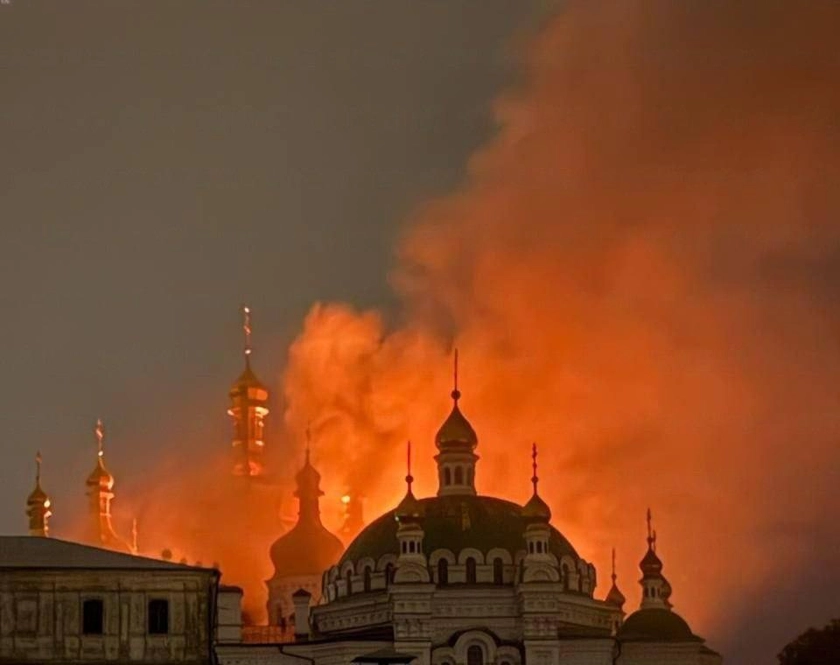
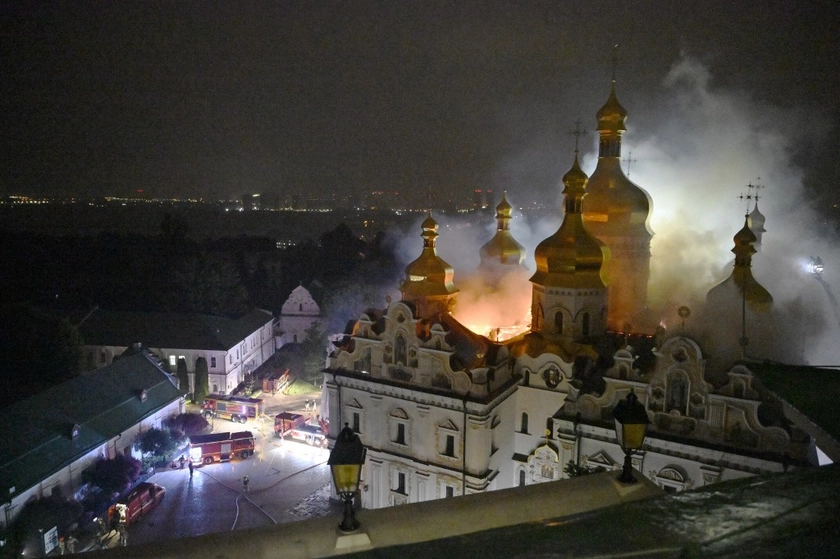
Independent research supports accounts of widespread repression. Research from the Center for Strategic and International Studies found that Russian forces have damaged or destroyed at least 660 churches and other religious structures, including 206 Protestant ones. In Luhansk Oblast under Russian occupation, not a single Protestant church remains open for worship. In Zaporizhzhia Oblast, all Greek Catholic churches have been banned.
Maksym Vasin, the executive director of the Institute for Religious Freedom, said that clergy and believers have frequently been targeted by Russian occupation authorities for expressing Ukrainian identity, using the Ukrainian language, or belonging to denominations not aligned with the Moscow Patriarchate.
Evangelical Christians, including Pentecostals, Baptists, Adventists and Charismatics, have been particularly vulnerable, he said. Russian soldiers, according to Vasin, have threatened evangelical believers with physical violence and accused them of being “American spies,” “sectarians,” and enemies of the Russian Orthodox people.
Mark Toth, a foreign policy analyst, said that the Russian Orthodox Church and its US affiliates have become effective conduits for Kremlin messaging, using ecclesiastical networks to push pro-Moscow narratives to parishioners, government officials, and lawmakers, including on Capitol Hill. “Moscow is playing political culture war games disguised as religious principles and many in the DC establishment appear to be buying into it, including most notably Tucker Carlson,” says Toth.
That influence campaign now overlaps with evidence of the church’s direct involvement in Russia’s war effort. In 2023, media reports linked church-associated figures to the formation of a mercenary unit known as St. Andrew’s Cross, which one coordinator described as the first private military company under the Russian Orthodox Church, a characterization later disputed by church officials.
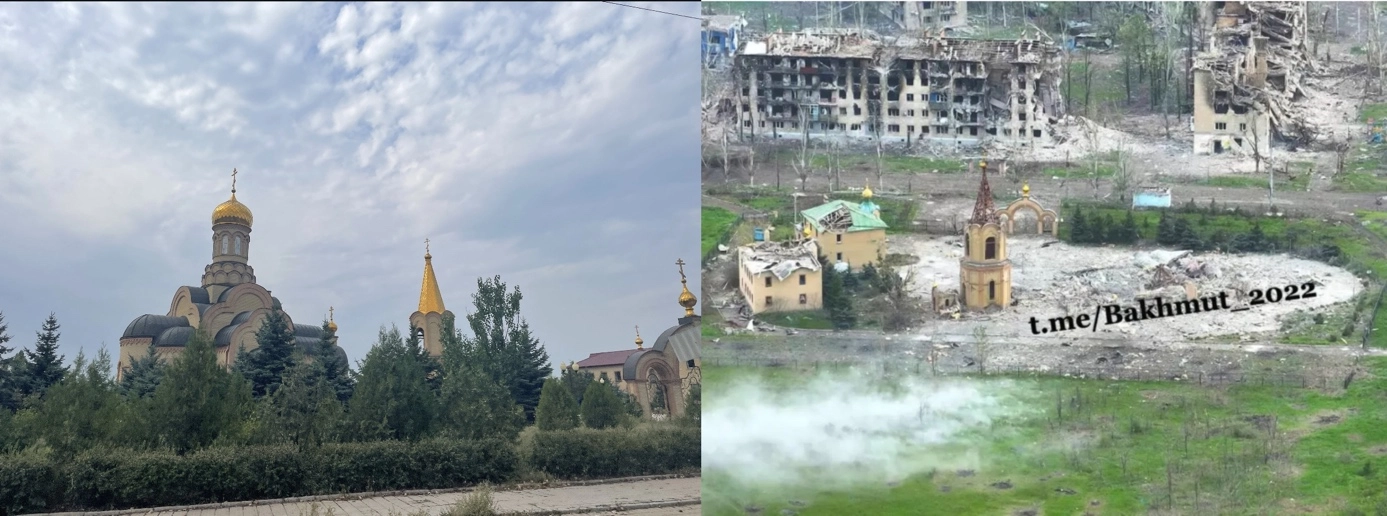
A 2025 report by Mission Eurasia documented at least 47 Ukrainian Christian leaders of different denominations killed as a result of Russia’s full-scale aggression from 2022 to 2024. The report detailed torture by Russian troops, imprisonment in inhumane conditions and targeted shootings of clergy and civilians.
Analysts describe the use of religious institutions as a long-standing Kremlin tactic, one that allows state narratives to circulate under the protective cover of faith-based legitimacy.
Orthodox networks, they say, can offer unusually effective access to political elites and conservative constituencies, particularly in countries where religious lobbying benefits from strong legal protections and limited scrutiny.
“Control the language and you control the narrative. That’s a classic Kremlin playbook,” Toth said. “In the US, that’s ROC’s mission but on an indirect basis by meeting one-on-one with influential Americans.”
Oleksii Plastun, a professor at Sumy State University, said Russian influence distorts US debates on Ukraine by amplifying false complexity and sidelining credible Ukrainian and European voices with direct knowledge of the war.
“Russian disinformation has had a significant impact on American politics when it comes to supporting Ukraine,” said Sarah Ann Oates, a professor at the University of Maryland, noting that its effectiveness lies less in overt manipulation than in embedding false premises that often go unchallenged.
That narrative dominance is reinforced by scale and resources, according to Sophia Yushchenko, co-founder of Code for Ukraine. “The Kremlin invests heavily in shaping debate – funding academia and cultural events, influencing think tanks, buying influencers, and deploying bots and trolls to flood the information space,” she said.
Toth pointed to Putin’s use of religious cover for his invasion. “Putin has long tried to disguise his war of aggression against Ukraine as a holy war against Western moral decay, Kirill declared it as much in a 2024 proclamation giving Vladimir religious cover, and now the same tactic is being used in the US save in a different way.”
US policymakers face a structural challenge, as the Russian Orthodox Church and its US affiliates are exempt from Foreign Agents Registration Act requirements due to their religious status. Toth said the exemption leaves Moscow-aligned Orthodox institutions beyond routine oversight, raising the risk of foreign influence operations.
Limited congressional reception
The lobbying delegation’s effectiveness on Capitol Hill appears mixed. “Republicans are highly attuned to Christian persecution,” Moore said. “We made a film, ‘A Faith Under Siege,’ which details the impact of the Russian Orthodox Holy War on Ukraine’s Christians and briefed more than 120 members of Congress and their staff since 2023. They did not get many meetings.”
According to Dixon, the delegation held more than 80 scheduled meetings with congressional offices and staged a public press conference on Capitol Hill.
Representative Don Bacon (R-Neb.) confirmed that his office was approached by the lobbyists and said he pushed back on their framing. “I told their lobbyist that when they visited our office,” Bacon said. “The lobbyist did not like hearing the truth.”
Eddie Priymak, an analyst, said that “members of Congress who are strong Ukraine hawks are unlikely to be swayed by these arguments, whereas ‘America First’ politicians appear more receptive to their message.”
Representative Luna has emerged as the most vocal congressional defender of the pro-Russia church position, according to analysts. On Dec. 8, Luna posted on X: “Reports confirm church raids, clergy detentions, and state pressure on certain Christian denominations in Ukraine. Yes, the same Ukraine that Congress keeps writing blank checks to.”
On Jan. 7, 2026, Luna disclosed that she had received authorization from the State Department to invite four members of Russia’s State Duma to Washington for meetings with members of Congress, framing the visit as related to “peace talks.”
Ash said the framing mirrors the language used by the Kremlin at the highest levels. During talks with President Donald Trump in Alaska last summer, she noted, President Putin did not refer to the Ukrainian Orthodox Church historically linked to Moscow at all. Instead, he spoke only of the “Russian Church in Ukraine,” describing guarantees for the rights and security of the Russian Orthodox Church as a prerequisite for any peace settlement.
Luna’s stance has also been reinforced through direct engagement with Kremlin-linked figures. In October, she met with Kirill Dmitriev, the head of Russia’s sovereign wealth fund who is also an economic envoy for Putin. The Lautman-Luchkov investigation found that US corporate filings reveal overlapping management structures and control between entities linked to the UOJ and companies associated with Dmitriev.
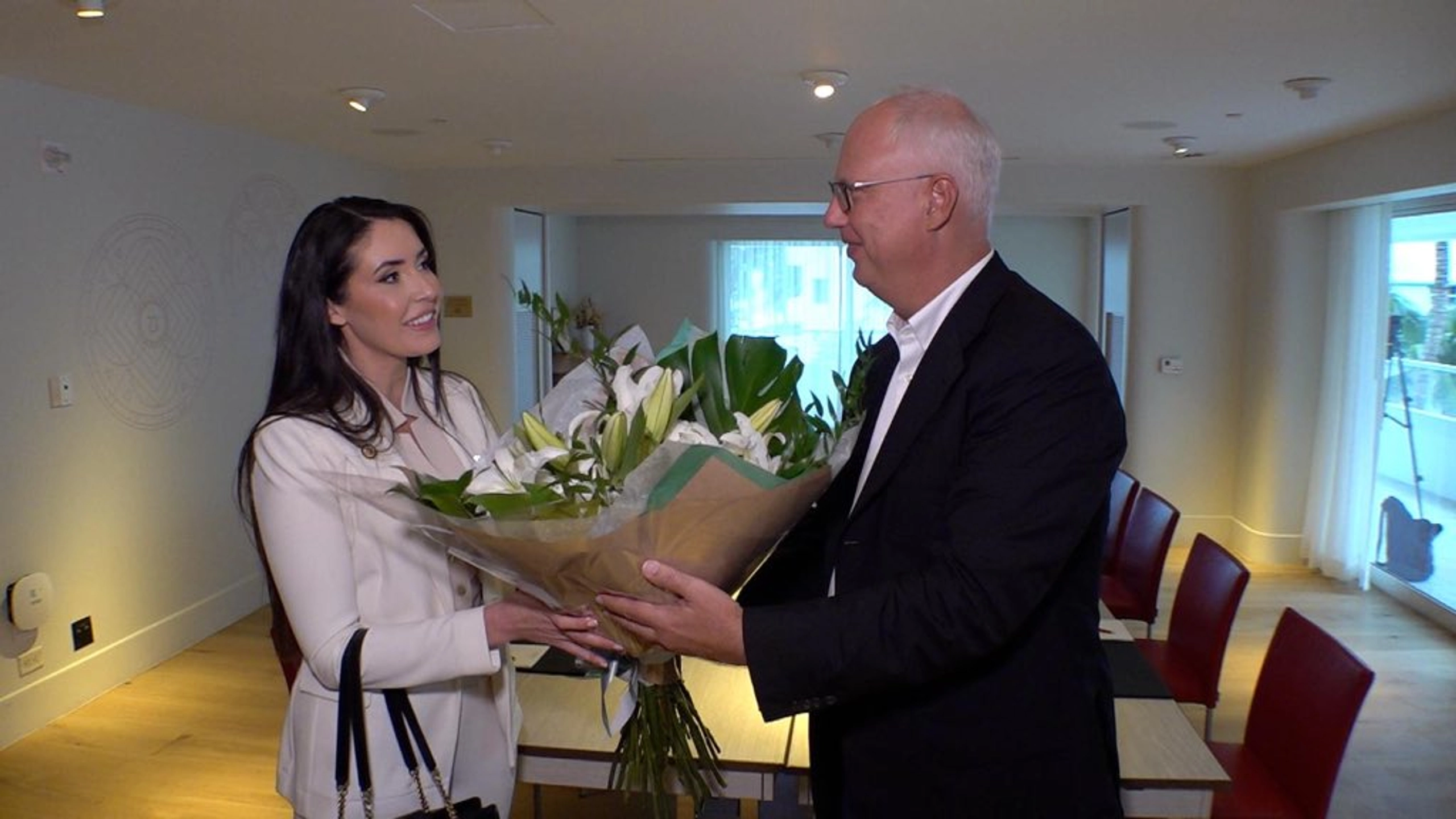
Yuriy Tymoshenko, a constituent from Luna’s Florida district, said that he has made repeated attempts to engage with the congresswoman’s office on the issue. Based on multiple discussions with Samuel Luna, Anna Pulina Luna’s legislative director, Tymoshenko documented the office’s rationale for her engagement with Russian officials.
The congresswoman’s position is framed by her staff as being “consistently for peace with Russians,” according to Tymoshenko. The legislative director characterizes strong US support for Ukraine as driven by “outdated Cold War mentality” and portrays advocates of continued military assistance as “warmongers.”
The legislative director has also stated that Representative Luna believes historical efforts at the US-Russia détente were undermined, citing the view that President John F. Kennedy was assassinated because he pursued peace with Russia. Tymoshenko noted that the office describes Luna’s perspective as one that challenges what they refer to as a “deep state” that allegedly benefits from sustained confrontation with Russia and seeks to draw the United States into prolonged conflict.
Tymoshenko’s experience reflects broader patterns in constituent engagement with Luna’s office. “Most written communications have not received responses,” he said, noting that while there have been professional interactions with legislative staff during public policy forums and summits, “these engagements have not led to ongoing dialogue.”
The disconnect appears significant given the makeup of Luna’s district. Public demonstrations in support of Ukraine have drawn approximately 1,000 participants, and informal observation suggests general local support for Ukraine. However, public awareness of the congresswoman’s views on Russia and Ukraine appears limited, with constituents primarily focused on local issues, particularly cost of living concerns and unresolved insurance claims following the 2024 hurricane season.
After the December lobbying effort, John Whiteford publicly thanked Rep. Luna on X, writing, “Without your help, the rally we had today would not have been possible.”
You can also highlight the text and press Ctrl + Enter
Russia Hit by 660-Drone Overnight Barrage Targeting Moscow, Crimea and Key Military Sites