WASHINGTON, DC – Depending on whom you ask in the Beltway, the Russian war in Ukraine is either on the verge of a historic pivot or trapped in a hall of Kremlin mirrors.
The White House spent Monday insisting the peace process is alive and well, even if the president’s call log is empty.
JOIN US ON TELEGRAM
Follow our coverage of the war on the @Kyivpost_official.
But behind the “constructive” readouts from Abu Dhabi, a grimmer consensus is forming: Vladimir Putin is playing for time, not peace.
“President Trump continues to be deeply involved,” White House Press Secretary Karoline Leavitt told reporters Monday, adding that she was not tracking any upcoming calls with either Russian President Vladimir Putin or Ukrainian President Volodymyr Zelensky.
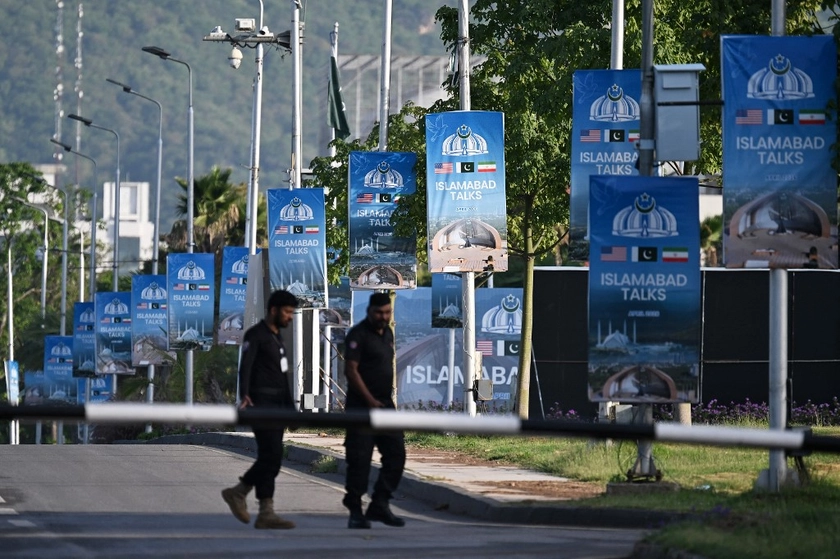
The reassurance came just days after rare three-way negotiations between US, Ukrainian, and Russian officials in Abu Dhabi – talks American officials described on background as “constructive” and “unexpectedly fluid.”
For a conflict that has been diplomatically frozen for months, the mere fact of face-to-face trilateral talks was enough to prompt guarded optimism.
Zelensky himself hinted at progress, suggesting the war’s diplomatic permafrost may finally be cracking.
But behind the hopeful headlines, skepticism is hardening.
Herbst: Russia “pretending to be reasonable”
In an exclusive interview with Kyiv Post on Monday, former US Ambassador to Ukraine John Herbst offered a cooler, more surgical reading of what is really happening.
Iran Rebuilds Missile Arsenal During US Truce, Stockpiling Fresh Russian Munitions
“There is literally no public indication of Russia’s willingness to compromise,” said Herbst, now a senior director at the Atlantic Council’s Eurasia Center.
While Zelensky, he noted, “has said yes to every single Trump proposal put on the table since March,” Russia “has said yes to none of those proposals.”
For Herbst, the Abu Dhabi meeting itself was less a breakthrough than a tactical maneuver by the Kremlin.
“I interpret their willingness to hold these talks as a tactical decision by Putin to avoid annoying Trump,” he said, after months in which Moscow had rejected bilateral or trilateral formats outright.
Putin’s goal, Herbst suggested, is not peace – but appearances.
“He’s trying to seem reasonable, even as he’s not being reasonable at all.”
Testing the red lines – and the map
When officials speak vaguely about “testing the elasticity of red lines,” Herbst believes the real question is territory – specifically the western part of the Donbas.
“Can you make a deal without Ukraine handing over the territory you’ve been unable to conquer?” he asked rhetorically, describing what he believes Moscow is probing.
The pressure, he suspects, is aimed primarily at Kyiv.
“If they were pushing just one side… that would be the Ukrainian side,” Herbst said, adding that Ukraine’s silence suggests the conversations are uncomfortable – but not decisive.
Bombs during talks: a message, not a coincidence
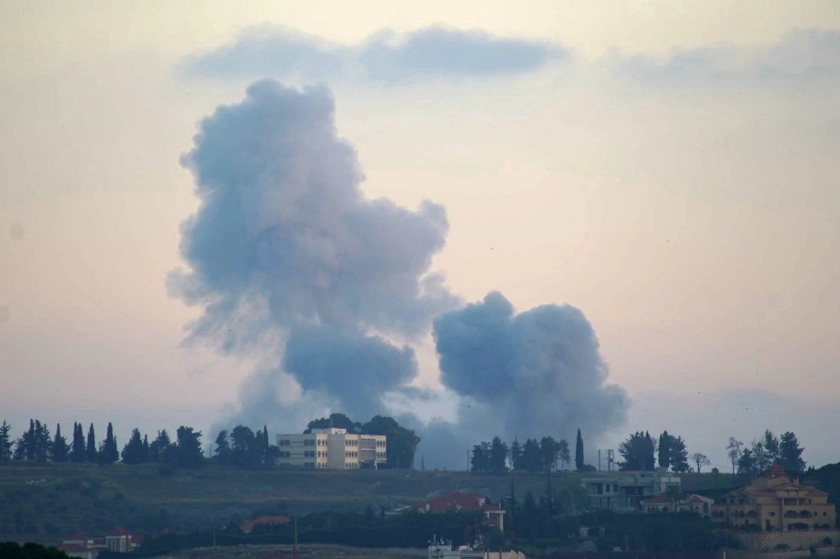
The timing of Russian strikes on Kyiv – launched as negotiators sat in Abu Dhabi – was no accident, Herbst argued.
“Putin’s been doing this for months,” he said. “‘We can talk… Unless you agree to my surrender terms, I’m going to bomb the hell out of you.’ That’s what this is all about.”
The message, he added, is also aimed squarely at Washington: Russia will escalate, and the US will do nothing.
Still, Herbst credited Trump with one moment of real pressure: sanctions on Rosneft and Lukoil last October.
“If one side is an obstacle… he will put pressure on,” Herbst said. “And he in fact put serious pressure on the Kremlin.”
Whether Trump is willing to do so again may determine whether the talks survive.
Little momentum, less patience
Despite reports that another round of talks is scheduled for the coming weekend, Herbst expects almost nothing.
“I was not expecting much from those talks, and I’m still not expecting much,” he said.
“Those talks… have even less momentum now than they did a week ago.”
His diagnosis is blunt: Putin still believes he can win. “He wants political control of Ukraine… he thinks he’s making progress… and he doesn’t want to in a clear way say no to Trump because he’s afraid of annoying Trump.”
The only solution, Herbst warned, is leverage.
“The only way… to negotiate a durable peace, you’re going to have to make it very unpleasant for Putin to continue the war.”
Europe’s quiet survival – and Washington’s view
Amid fears that Washington and Moscow could sideline European allies, Herbst sees a subtler reality.
“There’s a clear effort by the Kremlin to sideline Europe,” he said.
But the Europeans, he added, “have been skillful in dealing with Trump” and have managed to preserve real influence.
Putin, he noted, has been surprised – both by Europe’s staying power and by Zelensky’s continued ability to shape Trump’s thinking.
The math is simple, even if the diplomacy is not: Putin still thinks he can win. Until the cost of war becomes more “unpleasant” than the cost of a deal, the meetings in Abu Dhabi are just a tactical smoke screen.
Washington may be ready for the finale, but Moscow is still rewriting the script – one missile strike at a time.
For now, the White House insists Trump remains engaged – even without phone calls, summits, or public ultimatums.
But the contrast between hopeful readouts and Herbst’s grim assessment underscores a central tension: diplomacy may be moving, but the war is not.
In Washington, they’re calling it progress. In Kyiv, they’re still counting the craters.
And in Moscow, John Herbst suspects, the talks are just another front in a war that Vladimir Putin has no intention of ending.
You can also highlight the text and press Ctrl + Enter