Iran has reconstructed the vast majority of its long-range strike arsenal. Tehran effectively used a brief diplomatic truce with the US to nullify months of Western airstrikes and integrate freshly manufactured Russian weapons.
Defying the 90% degradation narrative
According to Bloomberg, intelligence agencies estimate that Tehran currently holds approximately 75% of its pre-war missile and drone reserves. Furthermore, the country maintains the domestic industrial capacity to rapidly accelerate production if full-scale hostilities resume.
JOIN US ON TELEGRAM
Follow our coverage of the war on the @Kyivpost_official.
The data contradicts triumphant public declarations made by Western military leaders during the initial phases of the war. Following an air campaign designed to permanently cripple Tehran’s offensive infrastructure, US and Israeli forces claimed to have obliterated two-thirds of Iran’s mobile launch platforms. By mid-March, US Defense Secretary Pete Hegseth confidently asserted that Iran’s long-range strike capabilities had been diminished by 90%.
However, intelligence files indicate that the bulk of Iran’s sophisticated ballistic missile technology remained safely insulated inside deeply buried underground bunkers. While heavy Western bunker-busters successfully collapsed the exits of these subterranean complexes, the structural cores remained entirely intact.
Once the temporary truce took effect on April 8, Iranian engineering corps cleared the debris, excavated the buried transit tubes, and began overhauling their launcher networks.
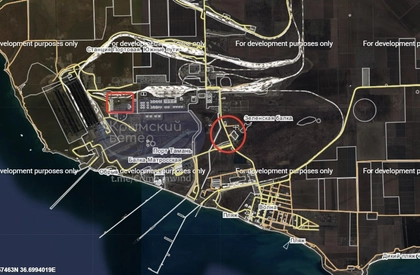
SBU, HUR, and SSO Joint Drone Strike Cripples Tamanneftegas Terminal
Despite expending thousands of munitions while operating under an allied blockade, Iran’s stockpile has bounced back from hovering at 60% capacity in March to its current three-quarters strength.
The industrial base and the Russian connection
A significant factor accelerating Iran’s military recovery is the injection of foreign military hardware. Intelligence sources note that Tehran’s refreshed inventory likely includes Russian-made missiles manufactured within the last 12 months, highlighting an active defense-industrial pipeline between Moscow and Tehran.
Concurrently, Iran’s domestic defense manufacturing base has proven highly adaptable. Kelly Grieco, an expert at the Stimson Center, noted that Iran’s baseline industrial infrastructure can seamlessly transition to assembling next-generation drone variants even under wartime strain.
While sustained Western embargoes have made sourcing high-grade military explosives and tracking components more difficult, the regime continues to churn out Shahed-type loitering munitions using widely available commercial fiberglass, localized guidance software, and civilian-grade internal combustion engines.
A steep hurdle for the Trump administration
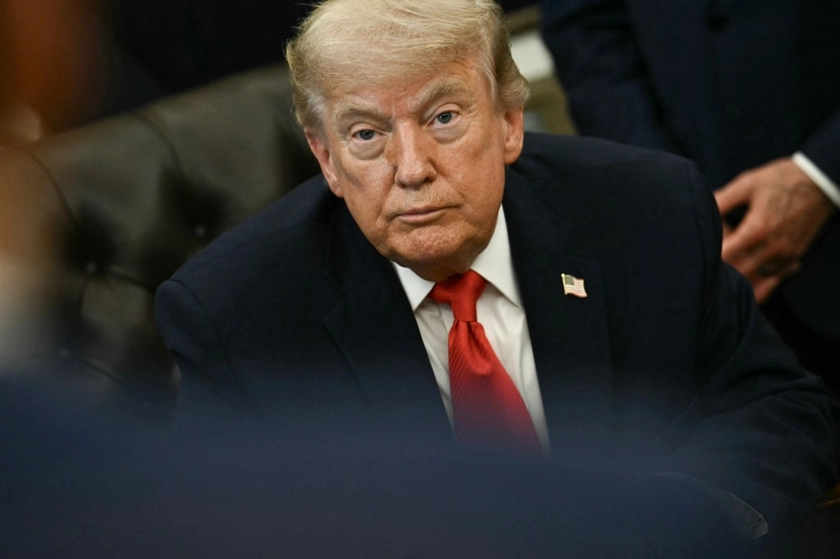
The revitalization of Iran’s military capabilities creates a profound strategic dilemma for US President Donald Trump, who recently claimed a public victory by declaring that a White House memorandum of understanding had permanently “ended the war” and frozen Iran’s nuclear ambitions.
Becca Wasser, head of defense at Bloomberg Economics, suggests that the tactical successes advertised by the Pentagon failed to achieve their primary strategic goals:
“Despite all the tactical successes claimed by the US, they have not achieved their goals of paralyzing Iran’s defense industrial base or significantly weakening the Iranian missile program. Iran has demonstrated extraordinary resilience and an ability to rebuild its missile arsenal.”
This military readiness severely complicates Washington’s leverage as backchannel peace talks show signs of fracturing. Relations have deteriorated following the recent downing of an American military helicopter in the Gulf, prompting US Treasury Secretary Scott Bessent to warn that Washington may liquidate $24 billion in frozen Iranian funds to compensate its regional allies.
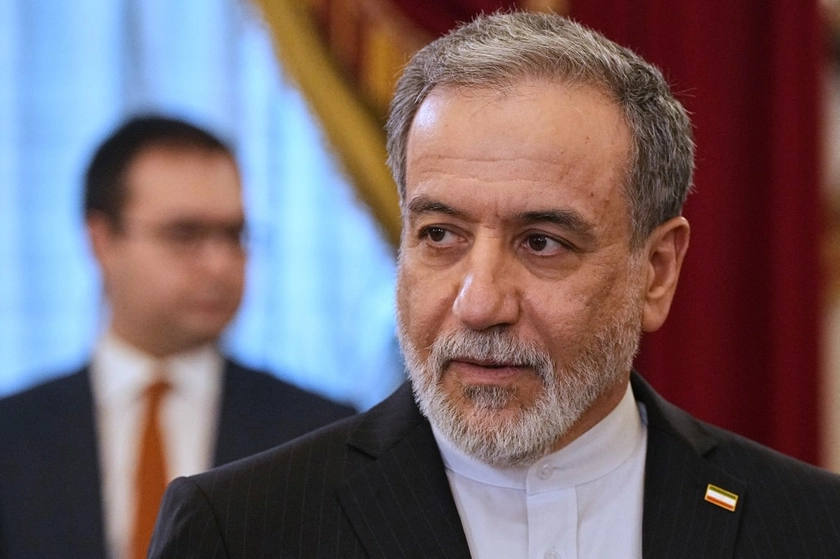
Iran’s Deputy Foreign Minister Kazem Gharibabadi fiercely rejected the asset threat, while the US Navy continues to deploy armed carrier strike groups to escort 7 million barrels of oil per day through the volatile Strait of Hormuz.
You can also highlight the text and press Ctrl + Enter

US Loses First Apache Helicopter in Iran War
CARTOON: Who Has the Cards Now?