WASHINGTON DC – US President Donald Trump says “very good things” are happening on Ukraine. In Kyiv, Kharkiv and Odesa, people are burning furniture to stay warm.
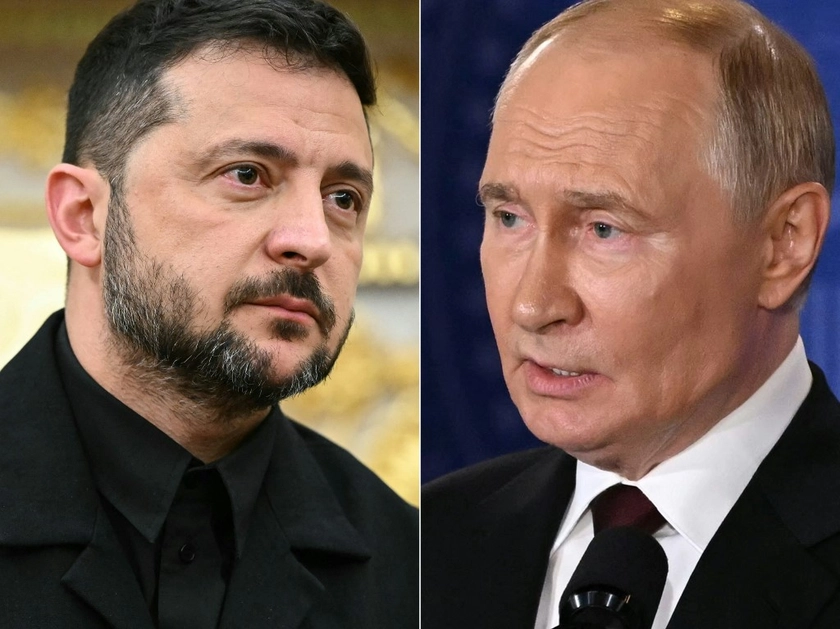
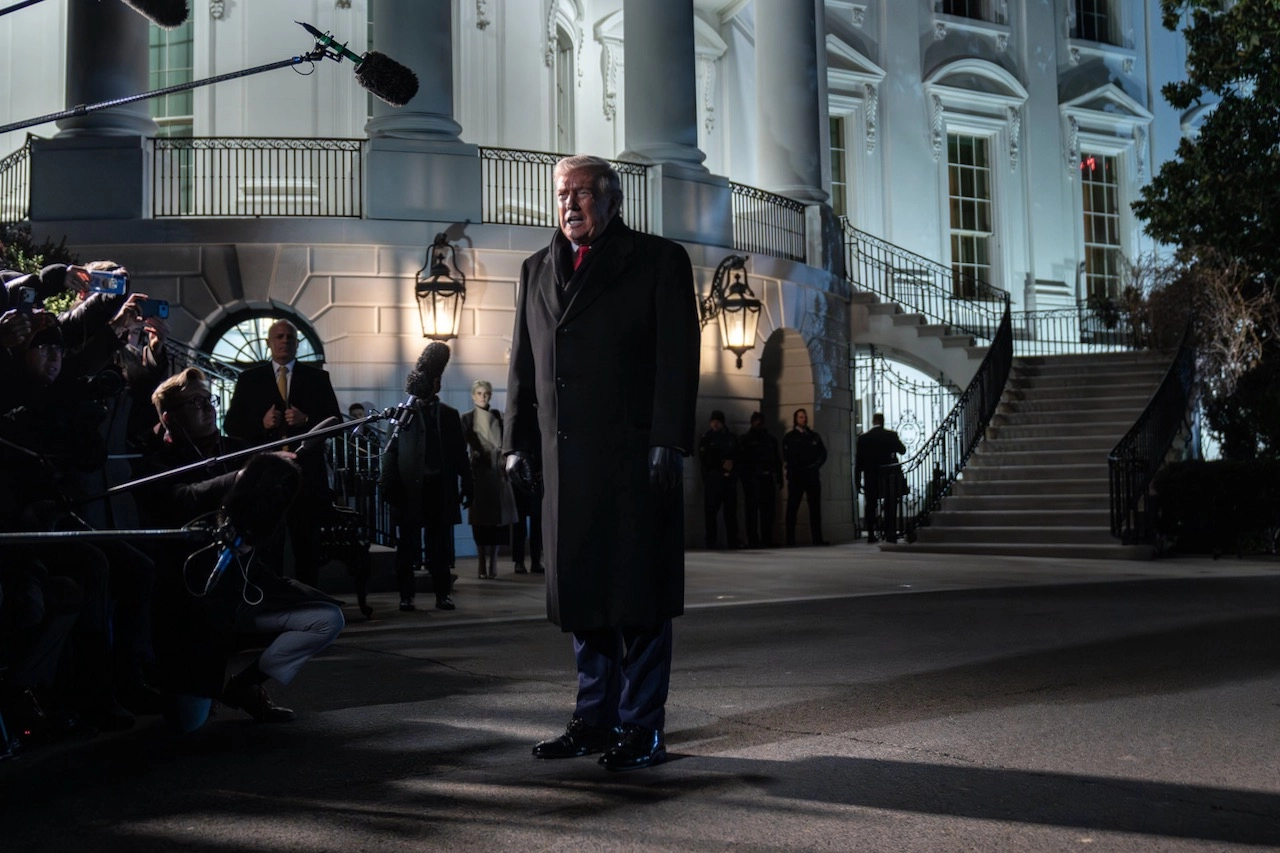
Trump struck an optimistic note Tuesday, telling reporters that “very good things are happening on Ukraine and Russia,” as US-brokered peace talks prepare to resume this Sunday in Abu Dhabi.
JOIN US ON TELEGRAM
Follow our coverage of the war on the @Kyivpost_official.
The White House, eager to showcase diplomatic momentum, has framed the renewed talks as evidence that pressure – and dealmaking – are beginning to pay off.
The negotiations follow a round of trilateral discussions last weekend that President Volodymyr Zelensky described as “constructive,” fueling cautious hope inside diplomatic circles that a ceasefire – or at least a framework toward one – may be taking shape.
US officials familiar with the talks said envoys Steve Witkoff and Jared Kushner left Abu Dhabi encouraged, believing a deal could be reached sooner rather than later.
But even as negotiators talk peace, Russia’s war grinds on – loudly, violently and with near-daily civilian casualties.
Missiles during meetings
While diplomats were conferring, Russia was attacking.
The Trump administration has not publicly commented on last weekend’s strikes on Kyiv, which came as negotiators were still in discussions. For Ukrainians, the timing was grimly familiar: diplomacy unfolding abroad, missiles landing at home.
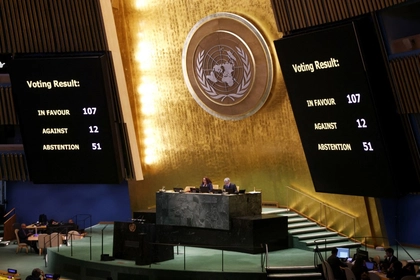
Intent in Plain Sight: the Politics of a UN-Recognized Genocide
On Tuesday, Ukraine’s Prime Minister Yulia Svyrydenko described what she called a deliberate attack on civilians in the Kharkiv region.
“In Ukraine’s Kharkiv region, Russians have targeted a passenger train with Shahed drones,” Svyrydenko wrote, labeling the incident “pure terrorism” and a “conscious crime against peaceful people.”
More than 200 people were on board at the time, she said, adding that “the world must not become accustomed to this terror.”
Hours earlier, Ukraine’s ambassador to the US, Olga Stefanishyna, reported another wave of strikes – this time on Odesa. More than 50 drones hit the port city, damaging homes, energy infrastructure, and an Evangelical Christian prayer house.
“Genuine peace requires tougher sanctions on Russia,” Stefanishyna said, calling for a blockade of Russia’s tanker fleet and the “faster implementation of existing agreements.”
“Millions are freezing”
Beyond the immediate toll of airstrikes, another crisis is deepening – one measured not only in explosions, but also in falling temperatures.
Yuriy Boyechko, CEO of the US-based charity Hope For Ukraine, described a citywide emergency in Kyiv as winter tightens its grip.
Speaking to Kyiv Post on Tuesday, Boyechko cited a stark warning from Ukraine’s Interior Minister Ihor Klymenko, who said “millions are freezing” and that immediate intervention is required.
With more than 1,300 so-called “Points of Invincibility” activated across the capital, officials say civilian infrastructure is stretched to the breaking point.
“This is no longer a technical issue involving the power grid,” Boyechko said. “It is a humanitarian crisis unfolding in real time.”
Thousands of high-rise apartment buildings in Kyiv have been without heat or electricity for more than a month.
Indoor temperatures have dropped below freezing, pipes are bursting, and once-livable apartments are becoming uninhabitable.
Winter front: Energy aid stuck in neutral
As Russia continues to batter Ukraine’s power grid, the country faces a brutal winter energy shortage – one Washington has the capacity to ease, but so far has not.
Roughly $250 million in US emergency energy funding, approved by Congress last year to help Ukraine import liquefied natural gas (LNG), remains unused, according to multiple sources familiar with the discussions.
The money was previously managed through USAID – an agency that no longer exists – and bureaucratic uncertainty over who now controls the funds has effectively frozen their release.
While senior administration officials admit the money is sitting there, they declined to provide a roadmap for its release.
Ukraine is short at least $100 million for its anticipated gas import needs over the coming year, Economy Minister Oleksiy Sobolev has said – a fraction of the estimated $60 billion required to rebuild the country’s energy system after repeated Russian strikes.
European development banks have stepped in with billions. The US has not.
Congressional frustration boils over
On Capitol Hill, patience is wearing thin.
“The administration needs to make a decision on how to spend about $250 million in emergency energy assistance funding that is already available,” a senior Senate Republican aide told Kyiv Post. “This is emergency support, and we need to get it right.”
Other congressional aides were more blunt in private conversations, describing a sense that Ukraine energy assistance has fallen into an administrative blind spot – overshadowed by peace talks, but no less urgent.
One House aide involved in foreign aid oversight called the delay “indefensible,” arguing that Congress approved the funds specifically to prevent a winter humanitarian crisis.
Negotiations continue between Ukrainian energy firms, including Naftogaz, and US institutions such as the Export-Import Bank and the Development Finance Corporation.
But logistics remain a hurdle: LNG deliveries require costly transfers through ports in Greece or Poland.
Ideas for building a new LNG terminal on the Black Sea have also surfaced, though experts say the plan faces steep political and logistical barriers – including Turkey’s approval for tanker passage through the Bosphorus.
For now, the disconnect remains stark.
In Washington, officials speak of momentum and “very good things.”
In Ukraine, the lights are still out, the radiators are cold – and winter is winning the race against diplomacy.
You can also highlight the text and press Ctrl + Enter