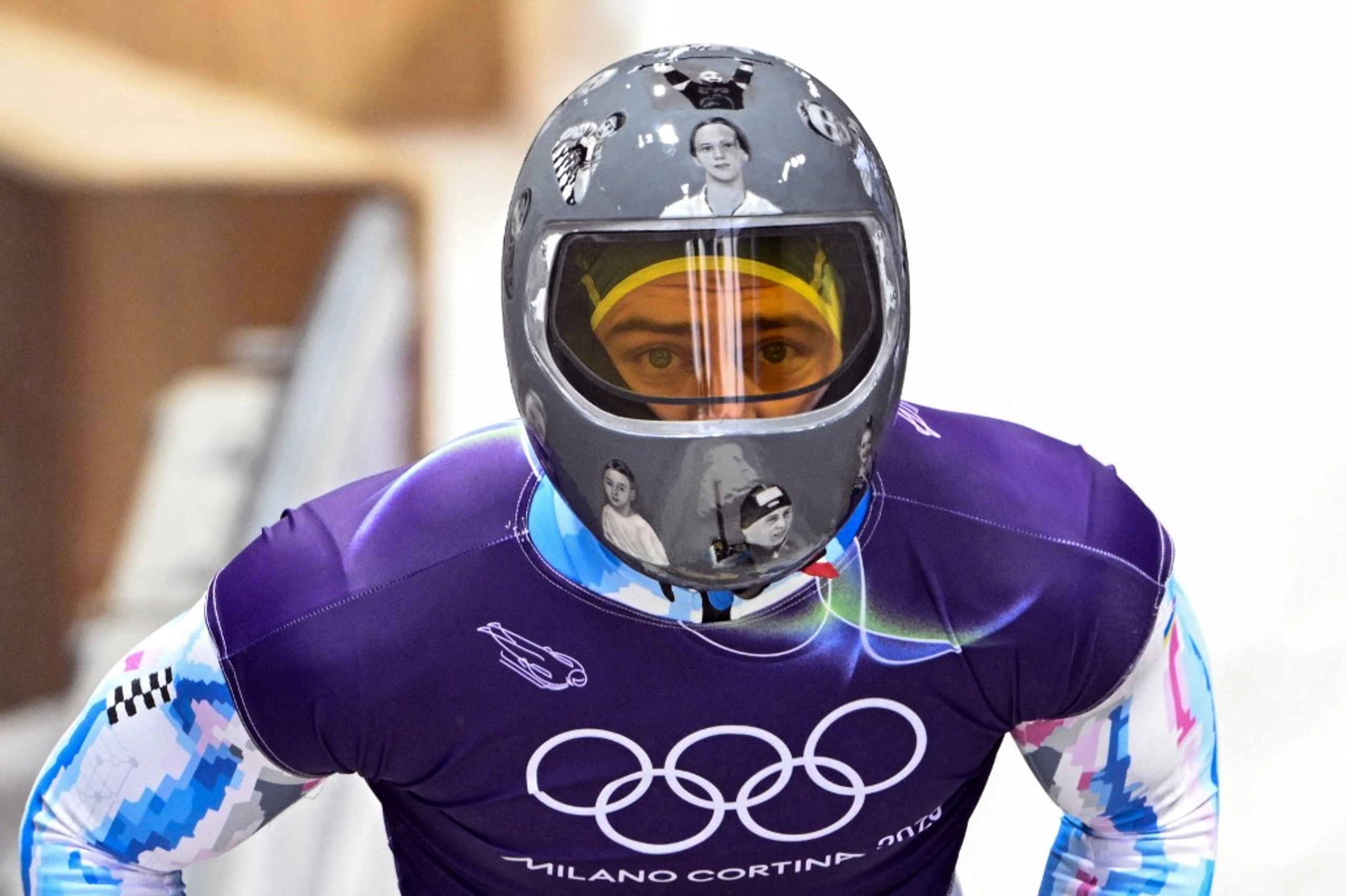
Ukrainian skeleton racer Vladyslav Heraskevych was disqualified from the 2026 Winter Olympics on Thursday after refusing to remove a helmet depicting athletes killed in Russia’s war on Ukraine.
The 27-year-old, one of Ukraine’s flag bearers at the Games, had insisted he would compete wearing the headgear, which features portraits of more than 20 Ukrainian athletes, including children, who have died since Russia’s 2022 invasion.
JOIN US ON TELEGRAM
Follow our coverage of the war on the @Kyivpost_official.
The International Olympic Committee said Heraskevych was barred for failing “to adhere to the IOC athlete expression guidelines,” and his accreditation was withdrawn. The IOC offered him a compromise: wear a plain black armband during competition and display the helmet afterwards in the mixed zone. Heraskevych rejected the offer.
🚨IOC statement 1/3
— IOC MEDIA (@iocmedia) February 12, 2026
Skeleton pilot Vladylsav Heraskevych not allowed to participate at Milano Cortina 2026 after refusing to adhere to the IOC athlete expression guidelines
Having been given one final opportunity, skeleton pilot Vladylsav Heraskevych from Ukraine will not be…
“This is totally wrong,” he told reporters at the Cortina Sliding Centre. “Other athletes in similar situations faced no sanctions. I believe this also plays into Russian propaganda.”
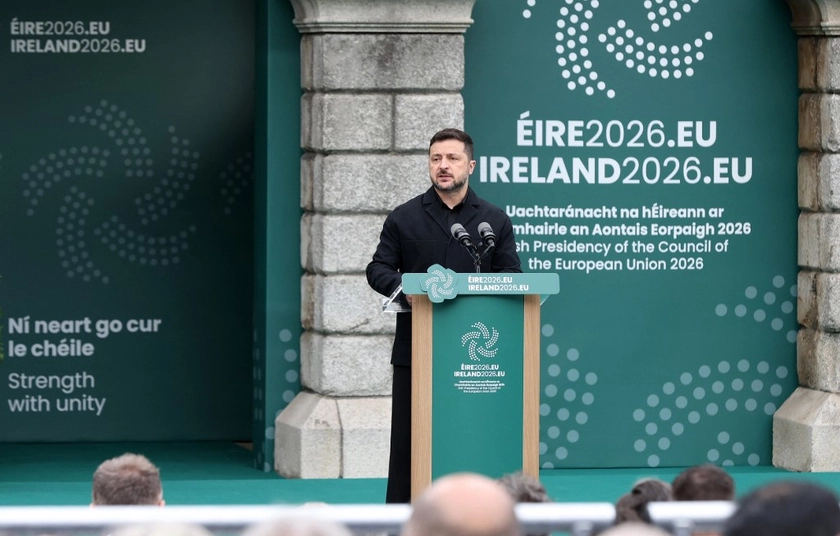
Ukrainian President Volodymyr Zelensky defended Heraskevych, saying he reminded the world “of the price of our struggle.”
Ukrainian Foreign Minister Andriy Sybiha called the IOC’s decision a “moment of shame,” while Sports Minister Matviy Bidnyi threatened legal action.
“He simply wanted to commemorate fellow athletes killed in war. There is nothing wrong with that under any rules or ethics,” Sybiha wrote on X.
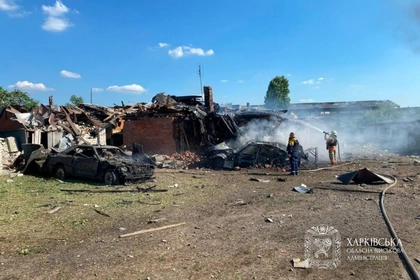
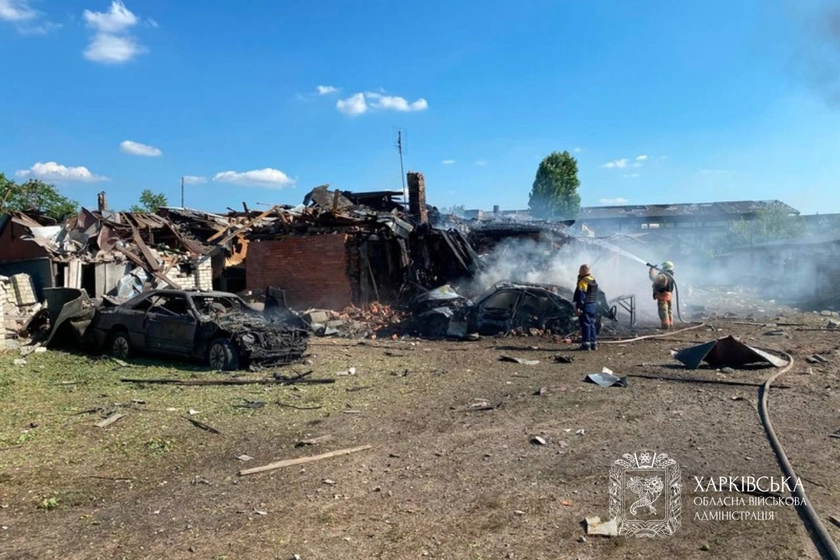
Russian Guided Bombs in Kharkiv Kill Teen, Wound 32, Including Children
“The IOC intimidated, disrespected, and even lectured our athlete and other Ukrainians on how they should keep quiet about “one of 130 conflicts in the world”,” he added.
IOC President Kirsty Coventry met Heraskevych Thursday morning in a last-ditch attempt to convince him to change his mind. Video images showed Coventry in tears after the meeting, AFP reporetd.
“The president was quite emotional because she invested a great deal of time in getting the athletes’ expression guidelines over the line,” IOC spokesperson Mark Adams said during the news conference.
Heraskevych previously made headlines at the 2022 Beijing Winter Olympics by displaying a banner reading “No War in Ukraine” just days before Russia’s full-scale invasion.
“This is the price of our dignity,” Heraskevych wrote on X, posting a photo of his memorial helmet.
Heraskevych, competing at his third Winter Games, has since lodged an appeal to the Court of Arbitration for Sport (CAS) over his disqualification, according to AFP.
CAS said that Heraskevych’s appeal challenges the jury’s decision that his intention to wear a helmet displaying portraits of Ukrainian athletes who lost their lives in the war was inconsistent with the Olympic Charter.
Це ціна нашої гідності.
— Vladyslav Heraskevych OLY (@heraskevych) February 12, 2026
This is price of our dignity. pic.twitter.com/00h3hlZs6i
You can also highlight the text and press Ctrl + Enter