Russia’s ambassador to Chișinău was presented with a bottle of contaminated water after Moscow struck a Ukrainian facility, causing petroleum products to spill in the Dniester river.
Moldova’s Ministry of Foreign Affairs summoned the ambassador to issue a note of protest following the March 7 strike, which it said created “major risks” for the local environment.
JOIN US ON TELEGRAM
Follow our coverage of the war on the @Kyivpost_official.
The Dniester river, which runs first through Ukraine, then Moldova, before discharging into the Black Sea on Ukrainian territory, provides about 80% of water supplies to Moldova and 98% of the water received by the capital, Chișinău.
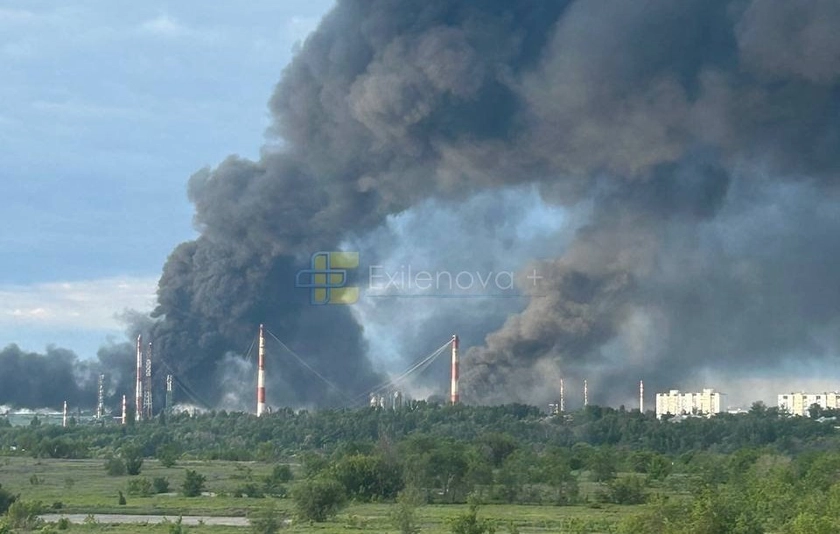
The strike on Ukraine’s Novodnistrovsk hydropower facility in the Chernivtsi region earlier this month sent a wave of oil pollution flowing into the vital body of water, triggering alarm among authorities.
Maia Sandu, Moldova’s president, declared a 15-day environmental alert in the Dniester river basin from March 16.
Alexandru Munteanu, the country’s prime minister, warned: “In the Naslavcea–Soroca area, there are levels above permitted limits for oil products and aromatic hydrocarbons in the water.”
“Even if, in some points, the values may temporarily return to acceptable limits, the substance keeps coming in waves,” Munteanu continued.
The Moldovan Foreign Ministry on Tuesday said that it “strongly condemns” the strike which “caused leaks of petroleum products in the Nistru River [Moldova’s name for creating major risks to the environment and the security of the water supply of the Republic of Moldova.”

Head of Poltava District Court Sentenced to 15 Years for Spying for Russian FSB
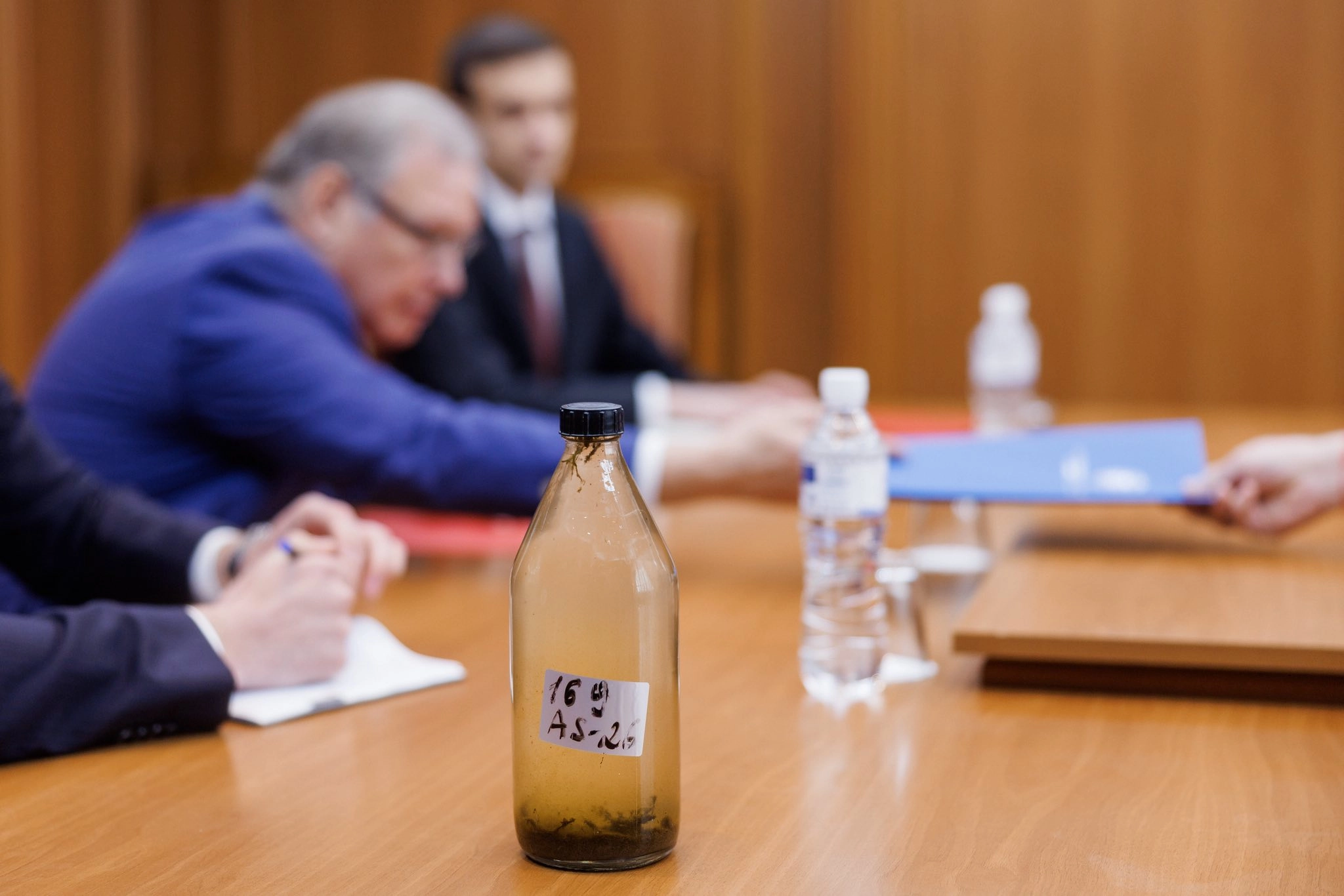
In a bilateral officials’ meeting, Oleg Ozorov, the Russian ambassador, was handed a bottle of water taken from the Dniester as proof of contamination.
A picture released by the ministry showed a bottle filled to the brim with murky, unappealing brown liquid.
“The Ministry of Foreign Affairs emphasizes that such actions with major cross-border impact endanger the environment, the security of water supply and the health of the citizens of the Republic of Moldova and they cannot be accepted,” the ministry added.
Gheorghe Hajder, Moldova’s environment minister, had said on Sunday that “Russia’s aggression is hitting us harder and harder.”
He told local TV channels that while initial information had suggested the spill amounted to around 1.5 tons of petroleum products, recent estimates had shown the real volume could very well be several times more.
You can also highlight the text and press Ctrl + Enter