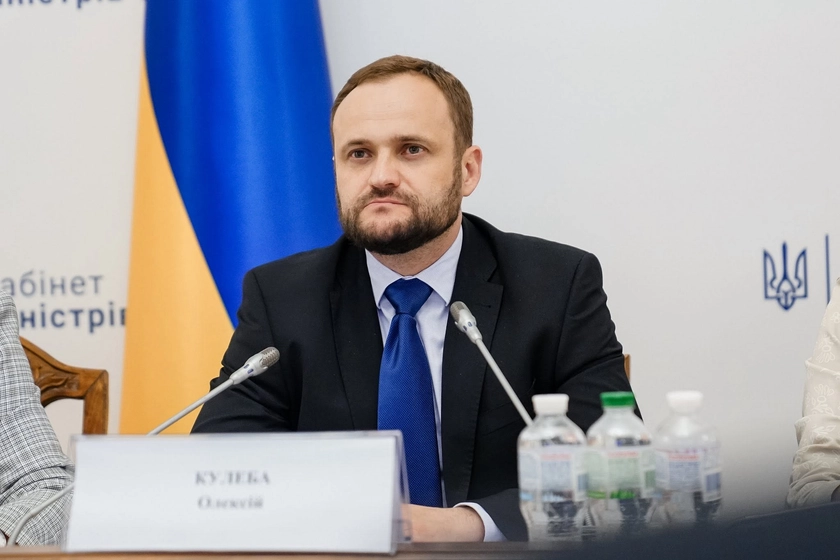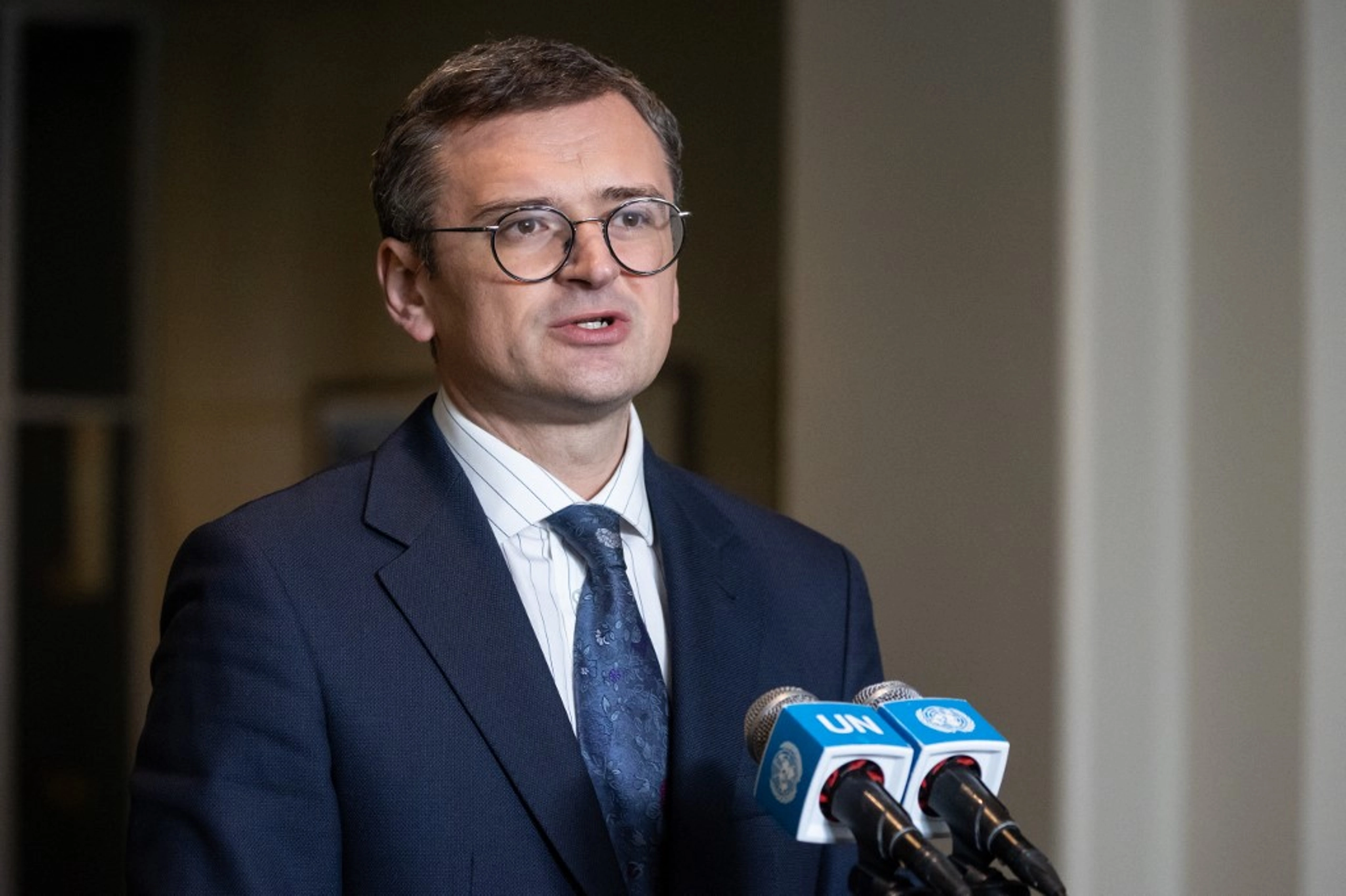
Former Foreign Minister Dmytro Kuleba said President Volodymyr Zelensky’s recent open letter to Russian President Vladimir Putin was “a strong unconventional move” designed to send a broader political message rather than simply propose negotiations.
Speaking on his TikTok channel on Friday, June 5, Kuleba argued that the letter, published by Zelensky on June 4, had four distinct audiences and should not be viewed solely as an appeal to the Kremlin.
JOIN US ON TELEGRAM
Follow our coverage of the war on the @Kyivpost_official.
“The fact that we saw this open letter today is a strong unconventional move,” Kuleba said.
According to the former foreign minister, the first audience was Putin himself.
“Stop now, or we will stop you. Ukraine will outlast you,” Kuleba summarized the message directed at the Russian leader.
The second audience was Ukrainian society, which he said was meant to see a demonstration of the state’s confidence and resilience.
The third was US President Donald Trump. Kuleba suggested the letter contained subtle references to Trump’s meeting with Putin in Anchorage last year, where the Russian leader and his American counterpart had reportedly agreed to pressure Ukraine into ceding all of the Donbas.
The fourth audience was Europe.
“For the first time in 35 years of independence, Ukraine is defending the political subjectivity of the European Union, not the other way around,” Kuleba said.
“In short, we are now defending Europe’s right to be heard.”
Ukraine Says Strikes on Russia’s Shadow Fleet Are Legal
“This letter is not about negotiations”
Kuleba said the letter was published openly precisely because all four audiences were intended to read it.
While acknowledging that Zelensky remains willing to negotiate, he argued that the letter’s central purpose was different.
“I am convinced that Zelensky is ready for negotiations, but this letter is not about negotiations,” Kuleba said.
“This letter contains one signal, and that signal is Ukraine’s confidence in victory.”
According to Kuleba, that confidence is based in part on Ukraine’s growing military capabilities and weapons programs currently under development.
He pointed to Zelensky’s reference in the letter to Ukrainian drones reaching St. Petersburg, arguing it was not intended as boasting but as a reflection of Ukraine’s expanding strike capabilities.
“The letter was written from a position of strength, not from a position of asking for something,” Kuleba said.
Zelensky proposed direct talks with Putin
On Thursday, Zelensky published a rare open letter addressed directly to Putin, proposing a face-to-face meeting and calling for a full ceasefire during negotiations.
“Ukraine proposes ending this war through direct engagement between us – and you. I am proposing a meeting,” Zelensky wrote.
The president also suggested an all-for-all prisoner exchange, the return of civilians and children taken during the war, and a summit hosted by a neutral country such as Switzerland, Türkiye or an Arab state.
The letter portrayed Russia as facing mounting military, economic and political pressures, while arguing that international support for Ukraine remains strong.
Kremlin spokesperson Dmitry Peskov later confirmed that Moscow had received the letter and said the Kremlin would respond at a later date.
You can also highlight the text and press Ctrl + Enter

Russia Hit by 660-Drone Overnight Barrage Targeting Moscow, Crimea and Key Military Sites