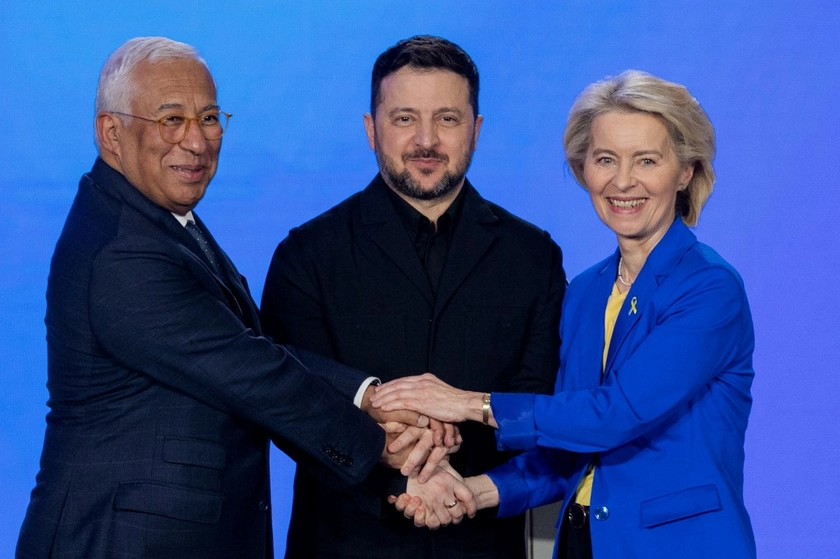
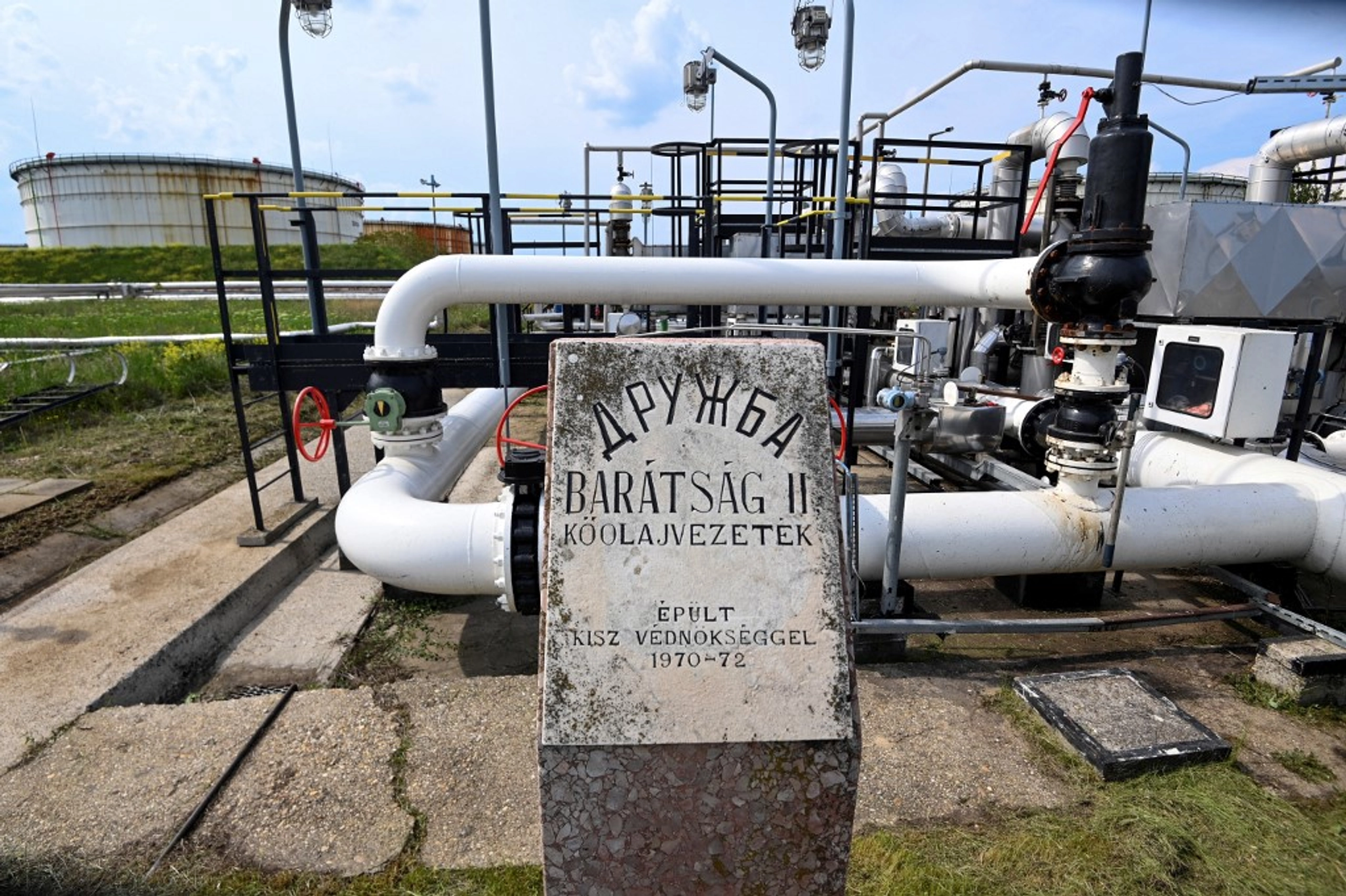
The EU has backed Hungary and Slovakia in demanding that Ukraine fixes the Druzhba pipeline, as Kyiv accepted the bloc’s offer of technical support and funding to restore the Soviet-era link.
A senior Brussels official said on Tuesday that the EU supports the continued operation of the pipeline, which carries Russian crude oil to central Europe, under the existing rules.
JOIN US ON TELEGRAM
Follow our coverage of the war on the @Kyivpost_official.
Earlier, Ukrainian President Volodymyr Zelenskyy moved to deescalate mounting tensions by accepting the EU’s help, although he signalled that any resumption of supplies was still weeks away.
Tensions between Kyiv and two of its neighbours, Hungary and Slovakia, have grown over the outage on the pipeline, which crosses Ukrainian territory and supplies both countries — the only EU member states still importing Russian oil.
The clash has left officials in Brussels in the strange position of having to defend the renewed use of the pipeline, at the same time as it is advocating a definite phase-out of Russian energy imports.
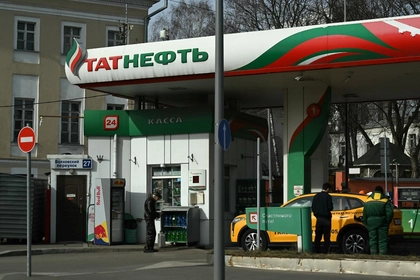
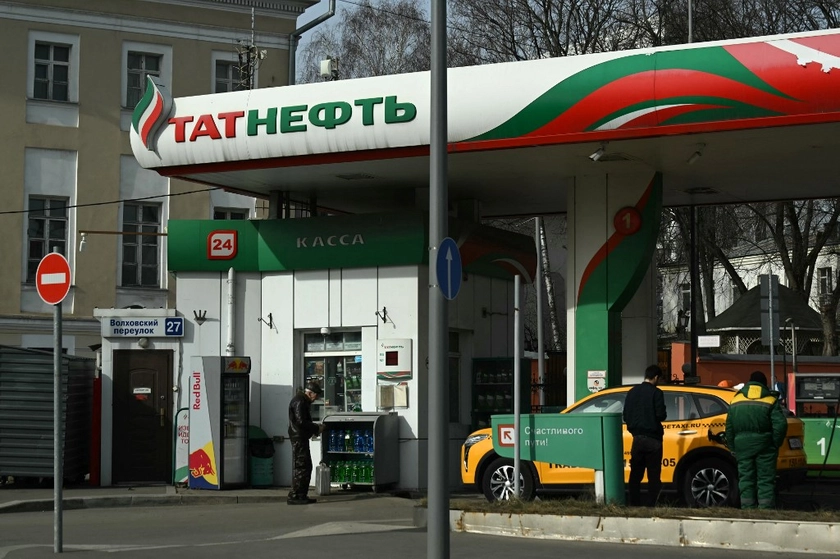
Russian Oil Giant Limits Fuel Sales Nationwide After Ukrainian Strikes
The issue has become especially sensitive in Hungary, where the Moscow-sympathetic Prime Minister Viktor Orbán has made anti-Ukrainian rhetoric a pillar of his campaign ahead of a challenging general election in April.
EU: ‘Normal’ to defend repairs
Although the EU is often at loggerheads with both Hungary and Slovakia – and is regularly criticized by both – the senior official said on Tuesday that imports remain legal under current EU rules, and indicated it was natural that the bloc would defend the restoration of Druzhba.
Hungary and Slovakia are exempt from the bloc’s sanctions on Russian crude delivered by this one pipeline, although such imports are meant to be phased out by 2027.
“It is normal that the institutions of the European Union defend the fact that that pipeline should continue to work,” the official told reporters at a press briefing. “We understand that within our legal framework, this is allowed, because member states requested it.”
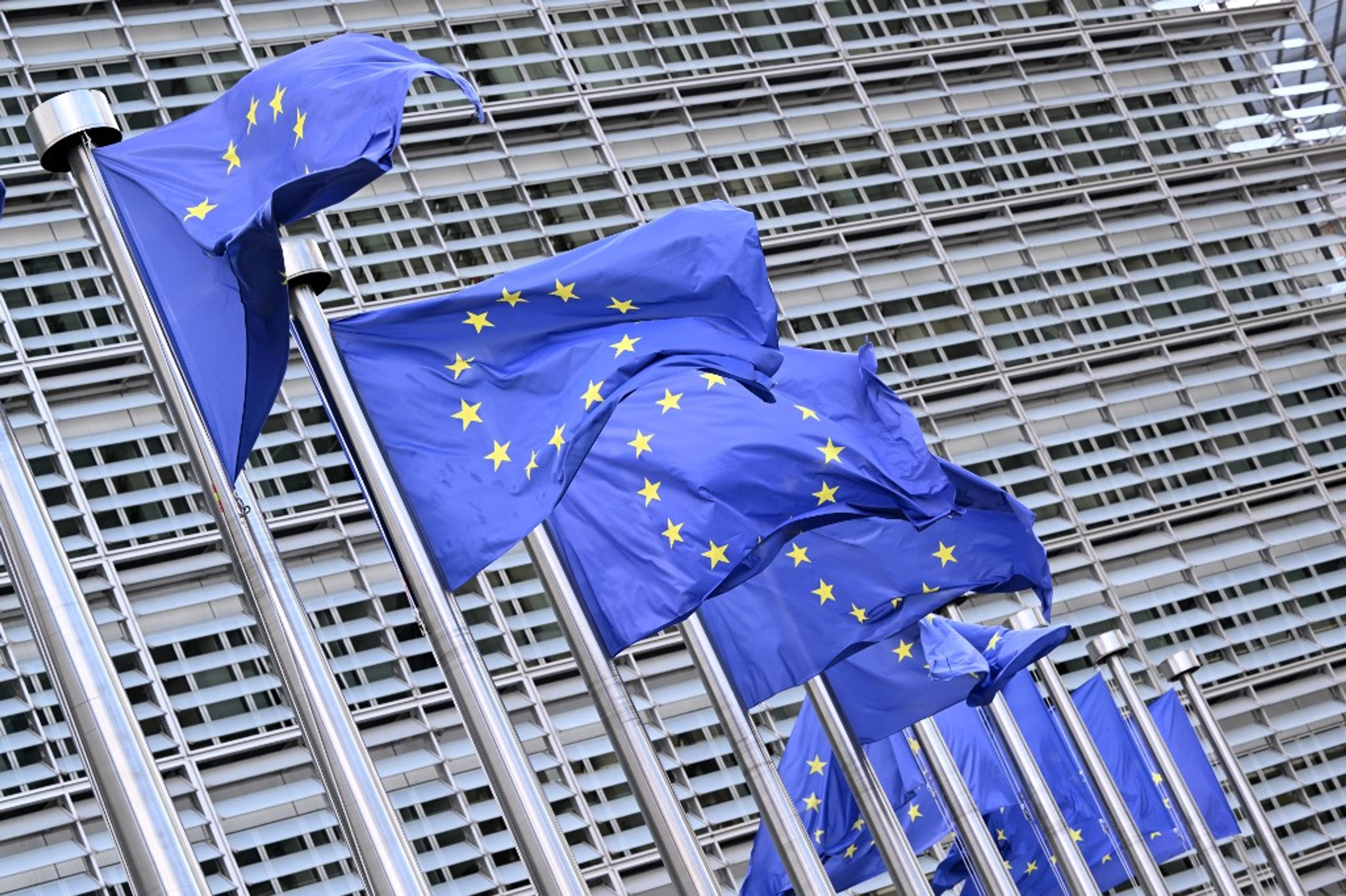
The official added that Zelenskyy had sent a “very clear message” that the pipeline would be repaired, adding that the work has been slowed by ongoing Russian attacks on Ukraine’s energy infrastructure.
“We understand that this would not be perhaps the first priority for Ukraine to allocate their resources in terms of repairs,” he said.
‘Don’t be fooled’
However, Zelenskyy’s acceptance of EU support drew a tepid response from Budapest, with Hungary’s Foreign Minister Péter Szijjártó calling it a “political game.”
The diplomat suggested that the latest development was part of a wider plan that the Ukrainian leadership and European Commission President Von der Leyen are engaged in.
“Don’t be fooled. This is a political game. Every step was coordinated between Kyiv and Brussels,” Szijjártó wrote on X. “Let’s not pretend that [Von der Leyen] is solving a problem she was previously unaware of.”
Good morning, Ursula von der Leyen! After nearly 50 days, the @EU_Commission has noticed that two member states are under an oil blockade by Ukraine, now promising to resolve the situation.
— Péter Szijjártó (@FM_Szijjarto) March 17, 2026
Don’t be fooled. This is a political game. Every step was coordinated between Kyiv and… https://t.co/lLtMGKozEc
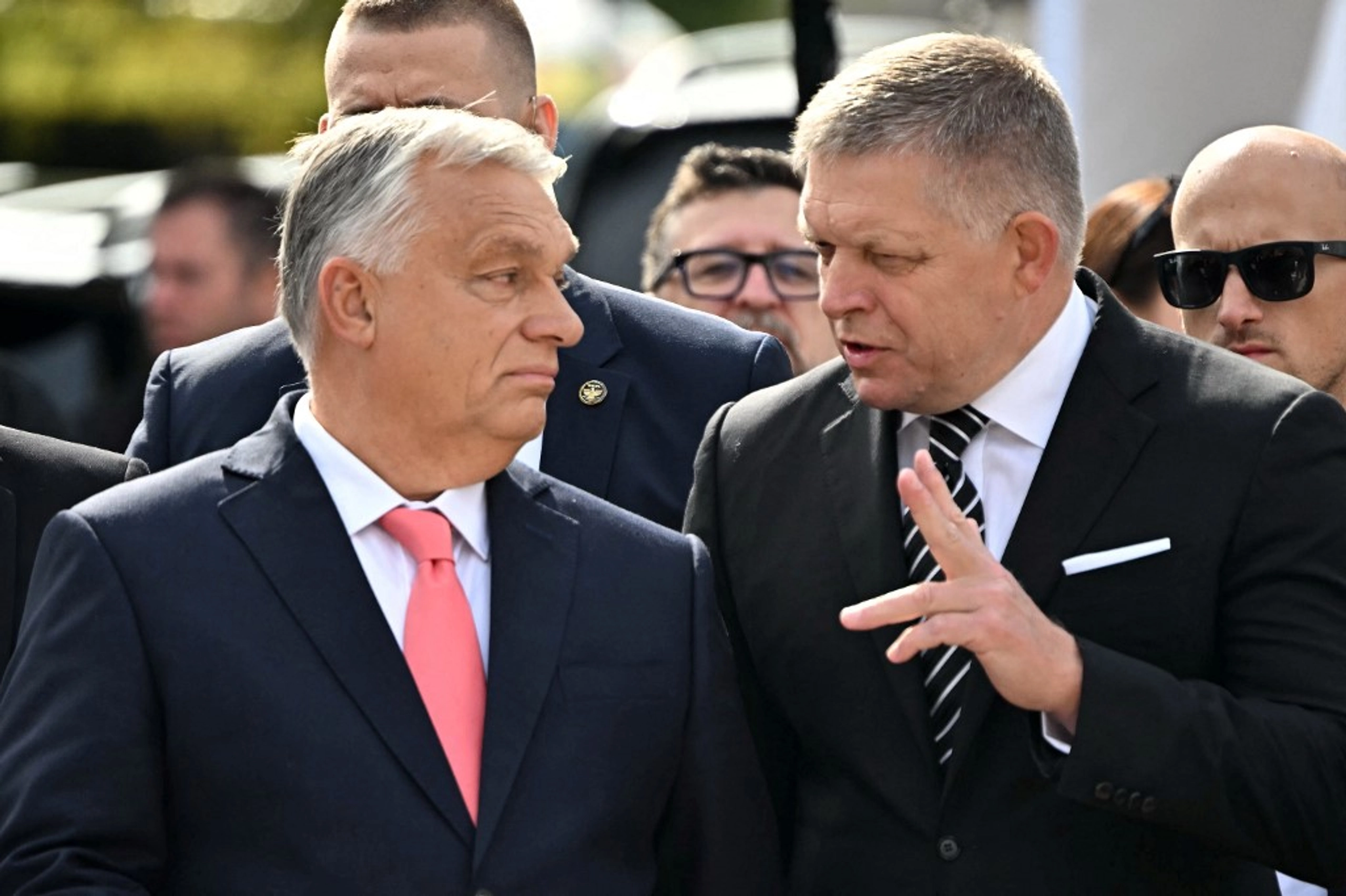
Hungary’s right-wing Prime Minister Viktor Orbán and his Slovak counterpart Robert Fico, both of whom are friendly to the Kremlin, accuse the Ukrainian leadership of deliberately delaying the resumption of oil flows through the pipeline for political reasons.
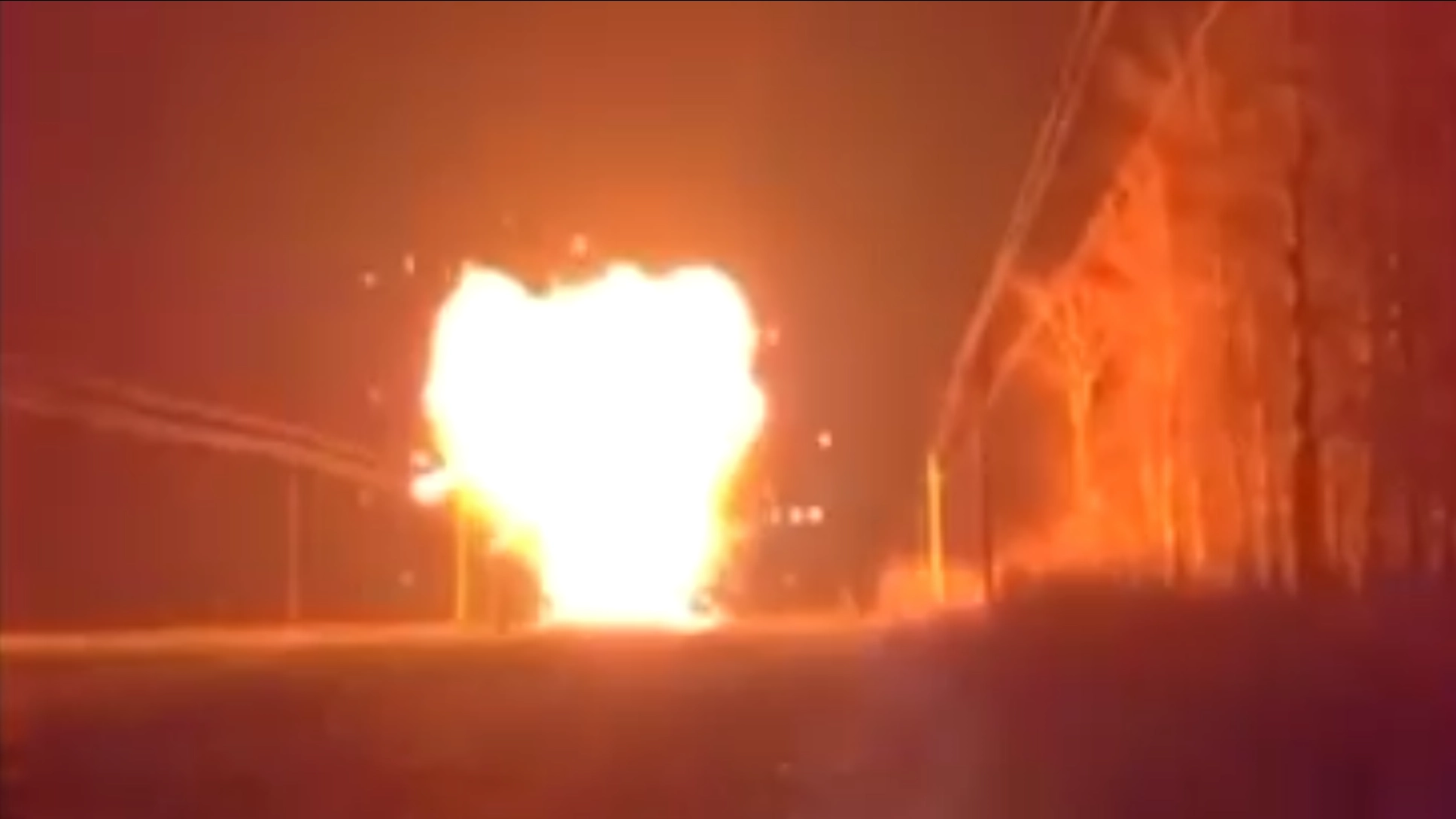
Kyiv denies the charge, saying it needs time to repair damage to the pipeline caused by a Russian drone strike in late January.
‘No oil, no money’
Although Zelenskyy has now indicated willingness to repair the damaged pipeline, he had earlier shown little enthusiasm for the move. Some observers interpret the shift in tone as an attempt to reduce Hungary’s opposition to a new EU loan package to Ukraine worth €90 billion.
In a video message on Tuesday, Orbán suggested that the oil must start flowing before Budapest changes its mind.
“If President Zelenskyy wants to receive his money from Bussels, then he must open the [Druzhba] oil pipeline. If there is no oil, there is no money,” the Hungarian PM said.
EU leaders are set to meet for a major summit in Brussels later this week, which could lead to a showdown over the plans to provide Ukraine with the loan. While Orbán keeps threatening to block the funds, others argue that Hungary has already committed to the plan at a previous meeting.
You can also highlight the text and press Ctrl + Enter

Only 11% of Europeans Now See US as Ally, Poll Finds