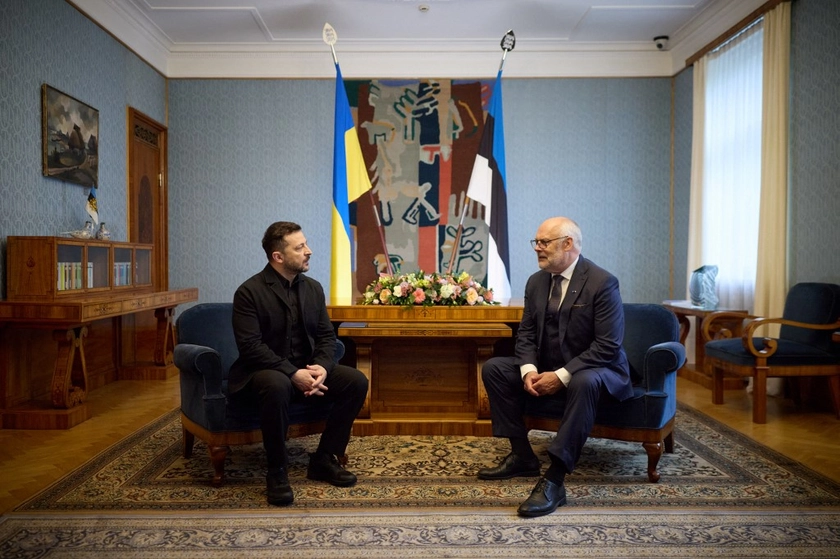
Estonia has launched a diplomatic push within the EU to tighten economic pressure on Moscow. Capitalizing on ongoing negotiations for the EU’s 21st sanctions package, Tallinn is targeting the raw materials feeding Russia’s aviation sector and the maritime services keeping its energy revenues afloat.
Closing the alumina loophole
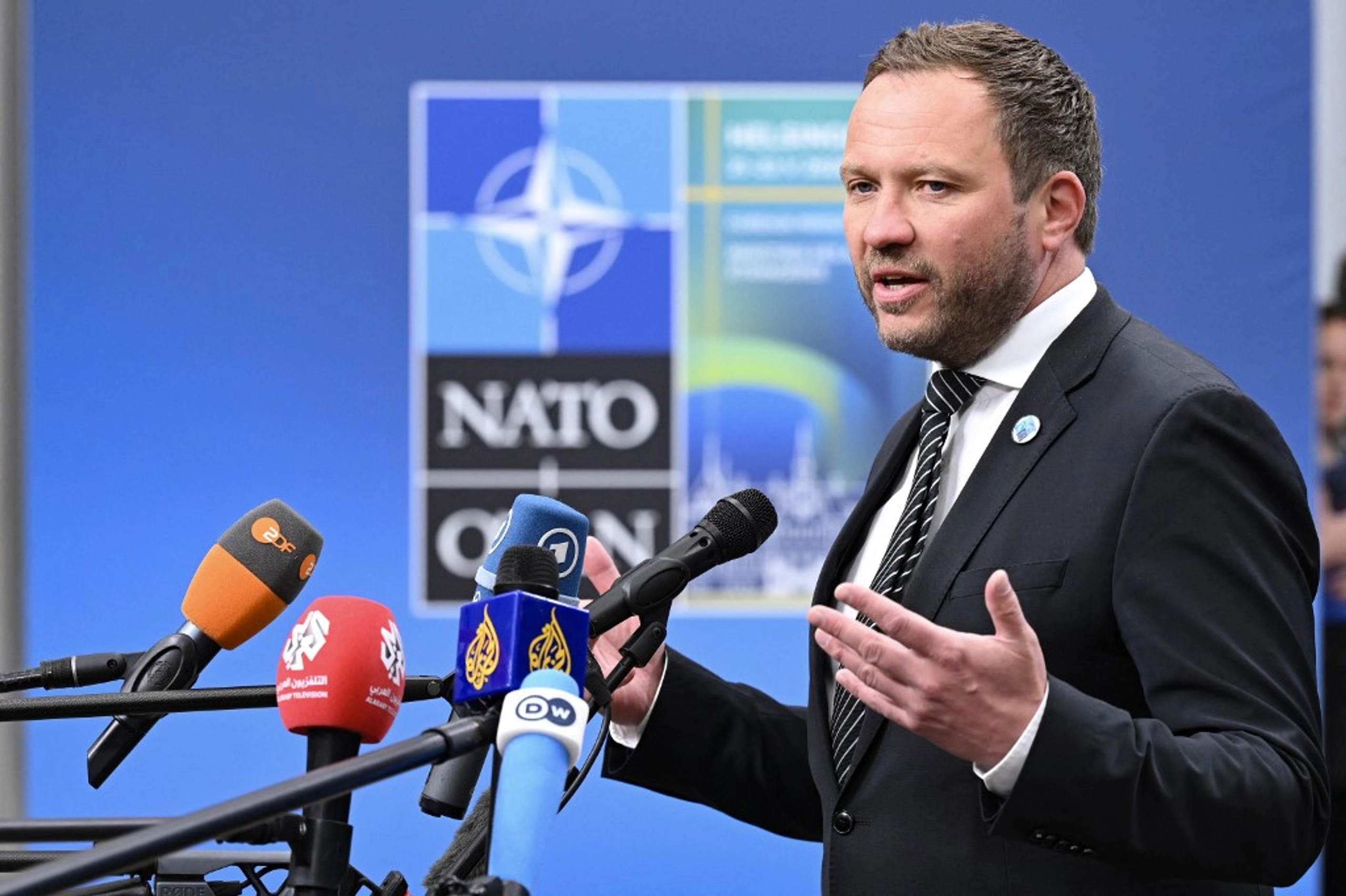
Estonian Foreign Minister Margus Tsahkna announced on X that Tallinn has formally submitted a proposal to outlaw all EU exports of alumina to Russia. Alumina serves as the foundational chemical input required to smelt aluminum, a metal of immense strategic value to the Kremlin’s contemporary defense grid.
JOIN US ON TELEGRAM
Follow our coverage of the war on the @Kyivpost_official.
“Russia’s defense industry depends on aluminum, and aluminum depends on alumina,” Tsahkna stated. “Estonia has proposed introducing an EU export ban on alumina to Russia. If we truly intend to raise the price of aggression, we must eliminate this loophole.”
By embedding this embargo within the 21st sanctions package, Estonia aims to directly choke the supply chains feeding Russia’s state aerospace corporations, missile production facilities, and heavy armor manufacturing plants.
Targeting maritime services and the oil cap
While raw materials represent a new front in the sanctions regime, Tsahkna emphasized that energy exports remain the primary financial artery sustaining the Russian military machine. To paralyze this cash flow, Estonia is advocating for a maritime blockade.
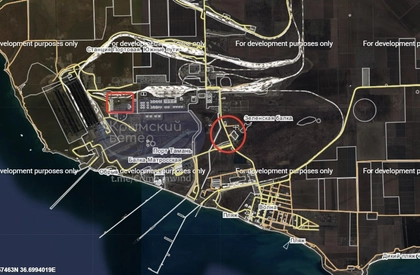
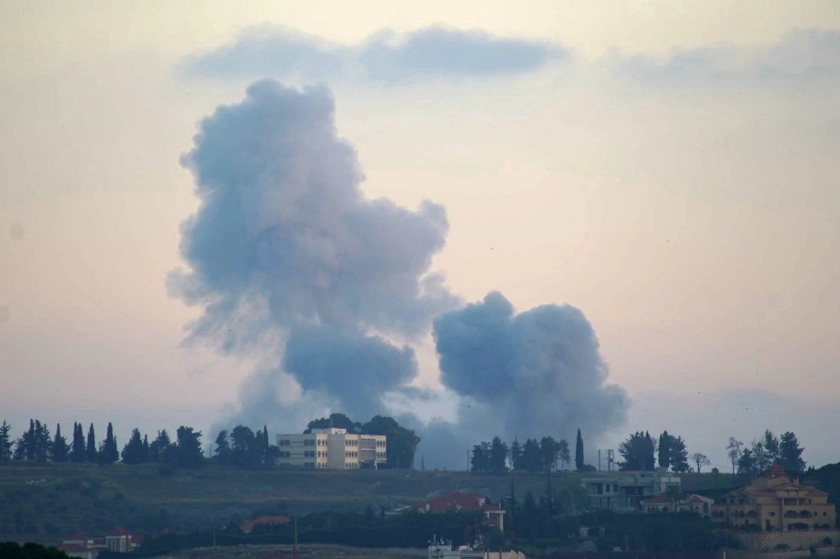
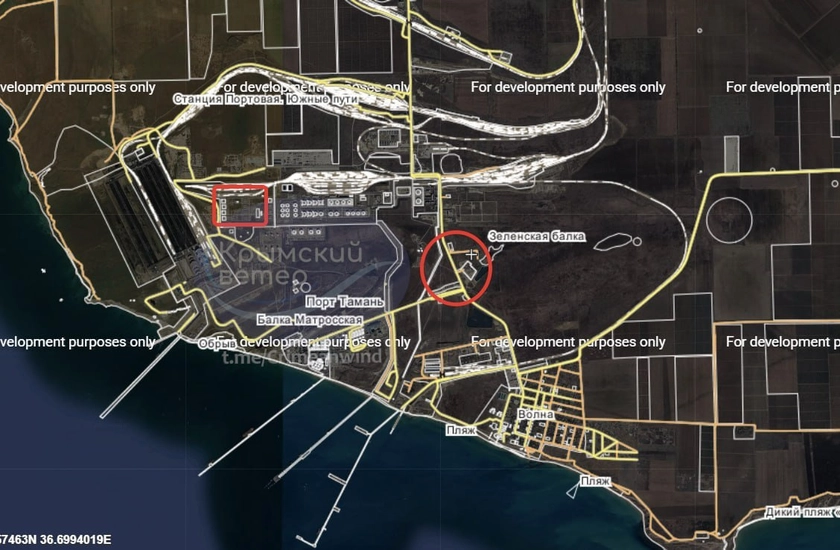
SBU, HUR, and SSO Joint Drone Strike Cripples Tamanneftegas Terminal
Tallinn’s strategic objective is the implementation of a full ban on providing maritime services to any vessel transporting Russian energy exports. While Tsahkna acknowledged that a consensus on this absolute restriction has not yet been solidified among G7 nations, he insisted it must remain a core benchmark for the EU.
Until a maritime service ban is achieved, Estonia is backing a European Commission proposal to firmly enforce the existing oil price cap at $44.1 per barrel, adamantly rejecting any regulatory adjustments that could artificially inflate Moscow’s fossil fuel profits.
Russia's defense industry depends on aluminum. Aluminum depends on alumina.
— Margus Tsahkna (@Tsahkna) June 12, 2026
Estonia has proposed an EU ban on alumina exports to Russia. If we are serious about raising the cost of aggression, we must close this loophole.
My op-ed @ERRNews.https://t.co/vAwSMg1z3i
Schengen bans for Russian combatants
The diplomatic package also includes a border security initiative. Estonia is spearheading an EU-wide entry ban targeting any individual who has served within the Russian Armed Forces or Kremlin-affiliated private military companies since the full-scale invasion began on Feb. 24, 2022.
Tallinn has already utilized its domestic authority to blacklist more than 2,000 Russian fighters from entering the Schengen Area, and is now pushing to scale this policy across the entire bloc. Tsahkna warned that Europe faces a generational subversion risk once the war concludes.
Fortifying the Baltic defense line
Estonia’s diplomatic posture is mirrored by an intensive militarization and civil defense effort along its home borders.
In response to a series of recent airspace violations – where Russian electronic warfare (EW) arrays successfully jammed and diverted incoming drones toward NATO territory – the Baltic states have transitioned to an active defensive footing.
In May, Estonian Interior Minister Igor Taro confirmed the activation of Estonia’s first stationary drone detection and monitoring radar network across three key land border sectors in the southeastern region, laying the groundwork for a nationwide anti-drone shield.
Both Estonia and Latvia have begun deploying heavy concrete “dragon’s teeth” and anti-tank fortifications along their frontiers as part of the unified Baltic Defense Line.
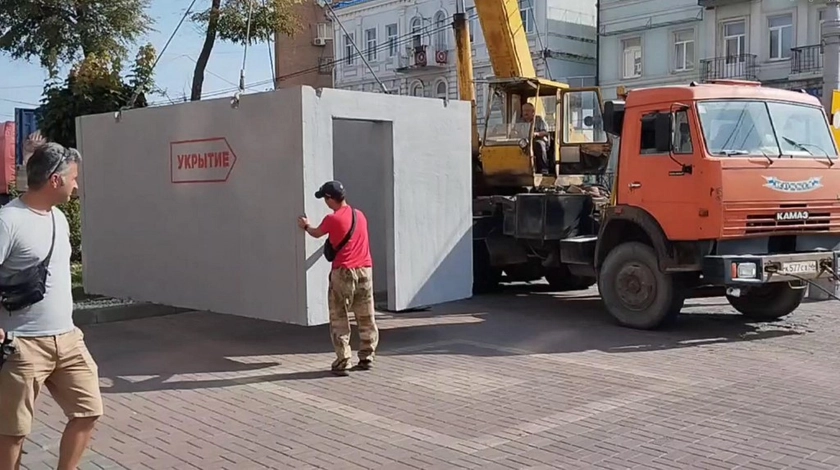
The security overhaul has extended deep into civilian municipal planning. This week, city authorities in Tallinn installed the country’s first modular concrete public bomb shelter in the city center at Juhkentali 10. Manufactured by Citysec Industry, the reinforced concrete layout is based on standardized designs heavily field-tested against blast waves and fragmentation in Ukraine.
You can also highlight the text and press Ctrl + Enter