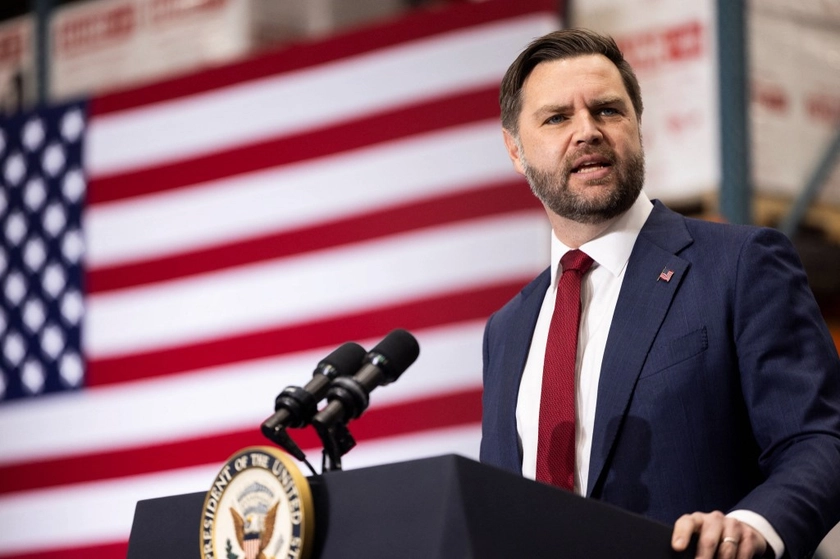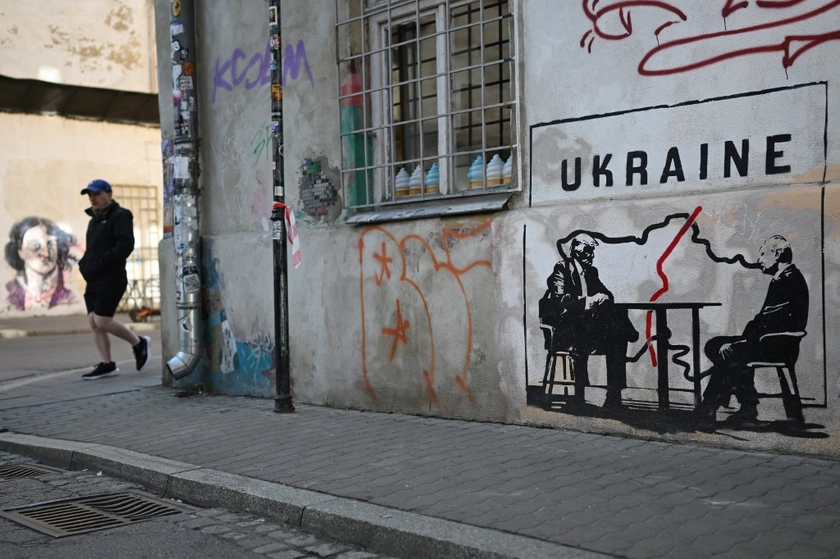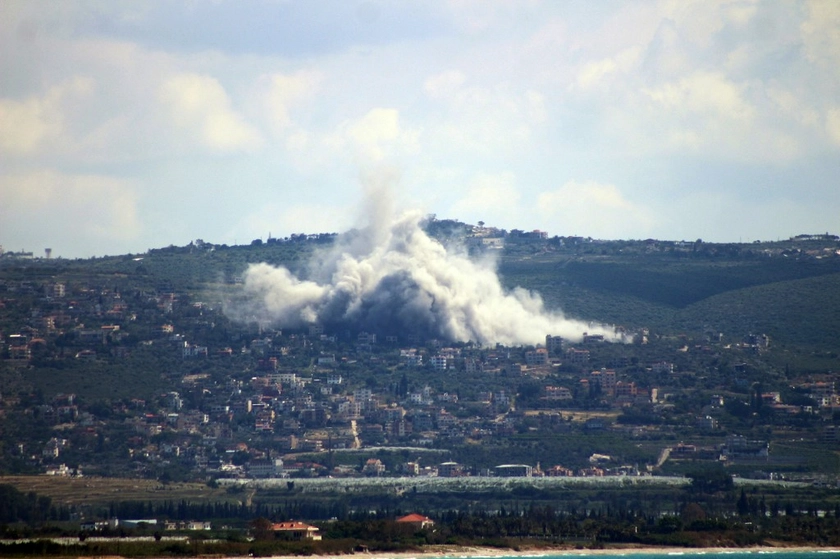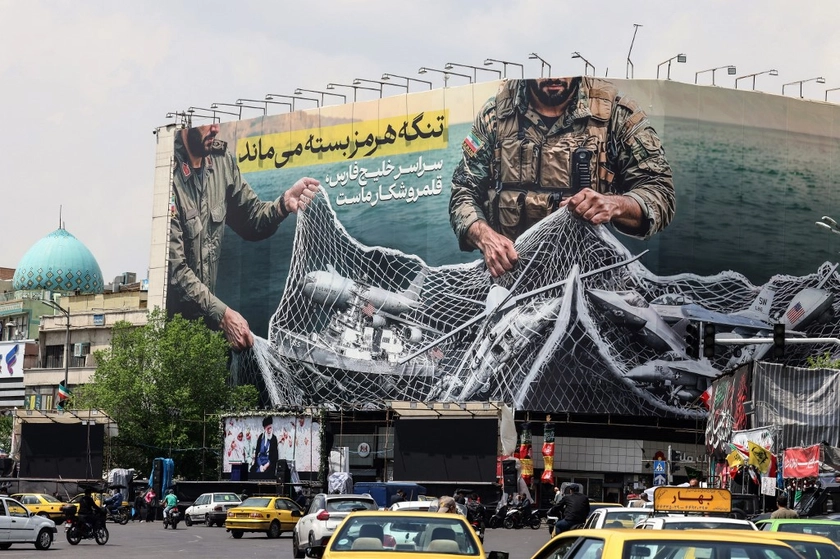
US President Donald Trump backed away from plans to strike Iran’s energy infrastructure and moved to open talks with Tehran after allies warned the conflict risked spiraling into a broader disaster, Bloomberg reported on Monday, March 23.
According to the report, US partners – including Gulf countries – cautioned that attacks on Iran’s power infrastructure could destabilize the country and potentially lead to long-term regional consequences.
JOIN US ON TELEGRAM
Follow our coverage of the war on the @Kyivpost_official.
Trump announced a five-day pause on potential strikes, saying new negotiations with Iran could help resolve the conflict.
Allies warn of escalation, market risks
Regional partners warned Washington that destroying critical infrastructure in Iran could result in a failed state after the war, according to Bloomberg.
The decision to pull back also aligned with concerns over global markets, which had been rattled by escalation fears. Oil prices fell and US markets rebounded following the announcement.
Talks begin amid uncertainty
Trump said Iran had reached out to begin negotiations, though Iranian officials publicly denied that talks were taking place.
According to the report, intermediaries including Egypt, Turkey and Pakistan have been involved in passing messages between the two sides.
Despite the diplomatic push, uncertainty remains over whether the talks will lead to a lasting agreement, with both US allies and analysts expressing skepticism.
Trump also said on Monday that Iran has agreed not to pursue nuclear weapons as part of ongoing discussions over a potential deal.
Putin Says Expecting US Negotiators Once US Less Busy With Iran
Speaking about a possible agreement, Trump said there are “many points of agreement” between Washington and Tehran.
Earlier, Trump said he is postponing threatened military strikes against Iranian energy infrastructure for five days, citing what he described as “very good and productive conversations” with Tehran over the weekend.
However, Clash Report media, citing Iranian officials, reported that Tehran appeared to reject Trump’s account of diplomatic progress.
Tehran has shown no public sign of complying with US demands to reopen the Strait of Hormuz. Instead, Iranian officials on Monday escalated their rhetoric, warning they could deploy naval mines in the Gulf – a tactic used during the Iran-Iraq war in the 1980s – and target energy infrastructure across the region if attacked.
You can also highlight the text and press Ctrl + Enter