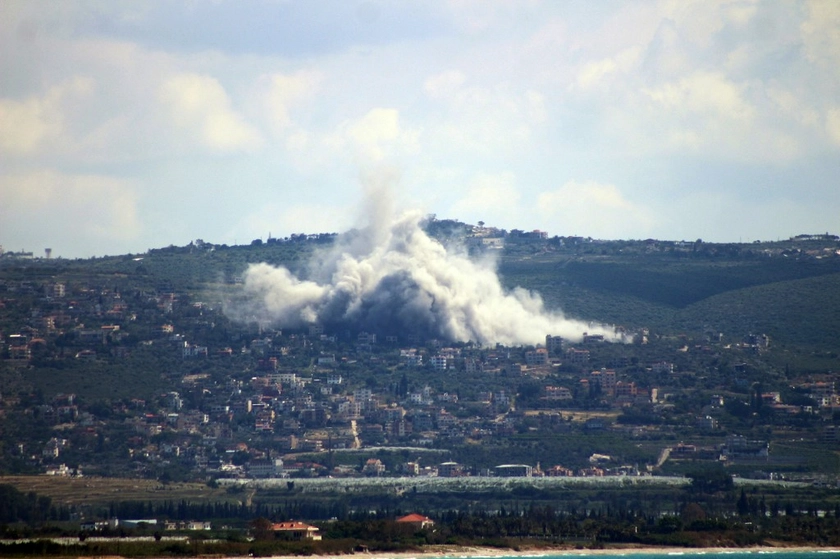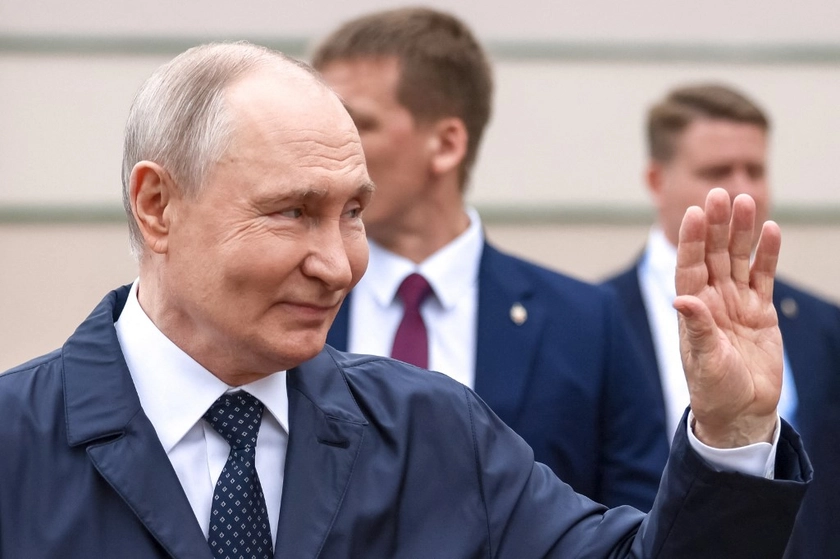
The United States has sent Iran a 15-point proposal to end the war, in what could become the basis for a ceasefire and a broader diplomatic settlement, AFP reported.
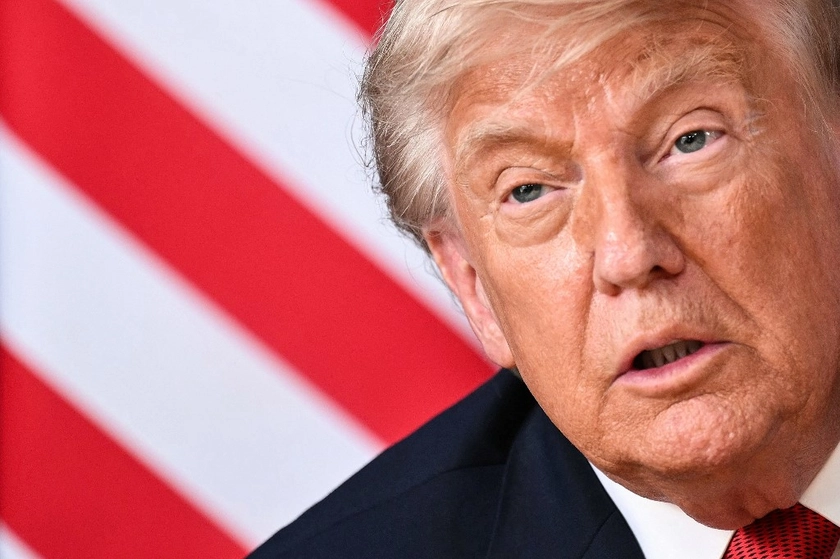
Speaking to reporters on Monday, President Donald Trump said the first three articles of the proposed agreement dealt with Iran’s nuclear program.
JOIN US ON TELEGRAM
Follow our coverage of the war on the @Kyivpost_official.
The New York Times, citing two anonymous officials, reported that the proposal was sent to Iran through Pakistan, which has offered to mediate.
Israel’s Channel 12 reported that the United States and Iran would declare a month-long ceasefire, during which they would negotiate on the basis of the proposal.
It remains unclear whether Israel supports the plan.
The White House and State Department did not immediately comment on the reports.
Trump says talks are happening “right now”
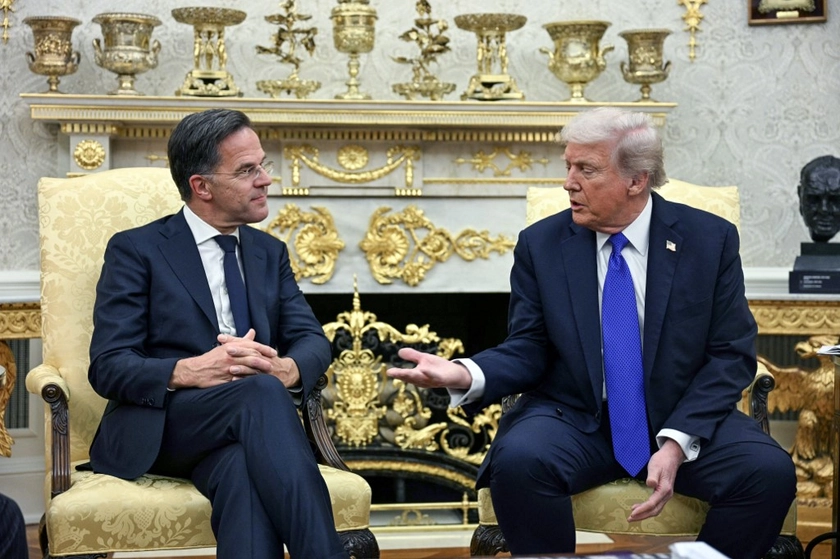
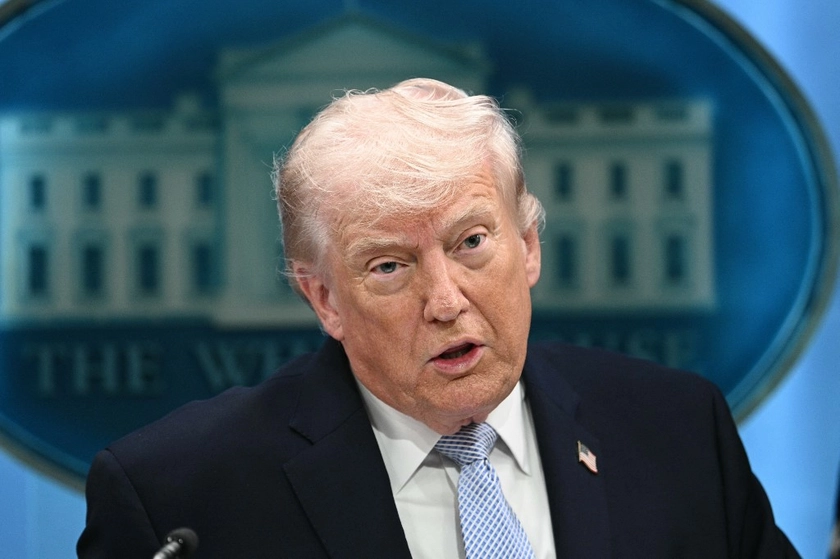
Speaking to reporters in the Oval Office on Tuesday, Trump said negotiations to end the war were underway “right now” and claimed Tehran had agreed to “never” have a nuclear weapon.
“We can say this is regime change,” Trump said, adding: “We’ve won this war.”
Who could Trump be speaking to?
Trump said members of his administration were negotiating with “the right people” in Iran, but declined to identify the “top person” involved, saying he did not want that person to be killed.
That immediately raised the question of who exactly Washington may be talking to.
Abbas Araghchi
The most obvious possibility is Iranian Foreign Minister Abbas Araghchi, one of Tehran’s main diplomatic figures and a central player in indirect contacts with US officials. If there is a serious negotiating channel open, Araghchi is a logical participant, even if he is not necessarily the ultimate decision-maker in Iran’s system.
Trump Hints at Scrapping ‘Anchorage Understandings’ on Donbas at G7 Summit
Mohammad Bagher Ghalibaf
Another possible channel is Mohammad Bagher Ghalibaf, the speaker of Iran’s parliament. His name has surfaced in reporting as a figure some in Washington may see as influential enough to discuss a ceasefire or a broader political arrangement, although there has been no public confirmation that he is involved in negotiations.
The unnamed “top person”
Trump has also suggested that his administration may be speaking to someone more senior. But he refused to identify that person, arguing that disclosure could put him in danger. That leaves open the possibility that Washington is dealing either with a powerful insider or with an intermediary speaking on behalf of Iran’s leadership.
Why Trump says they are the “right people”
Trump suggested his confidence in the talks stemmed from what he called a “very big present” from Iran that was “oil and gas related” and worth “a tremendous amount of money.”
He did not explain what he meant. But the remark appeared to point to shipping, energy flows or tanker access connected to the Strait of Hormuz – a central issue in the reported 15-point proposal.
Who is negotiating for the United States?
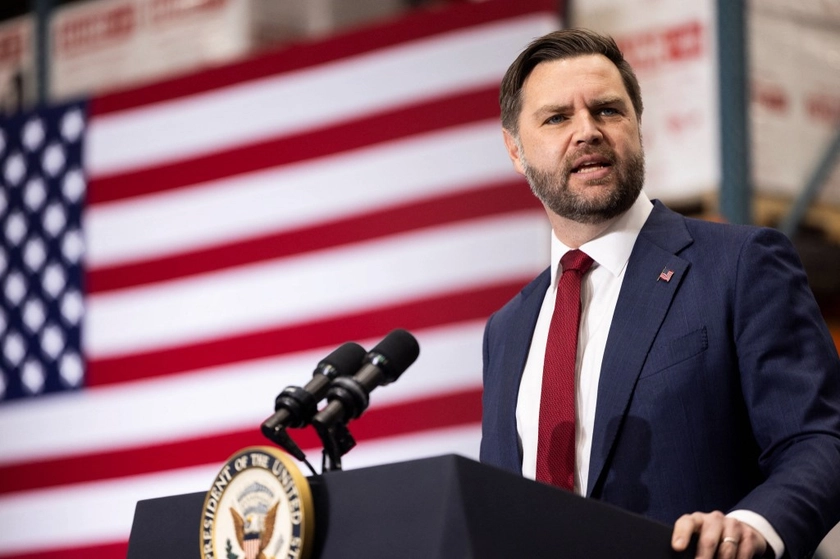
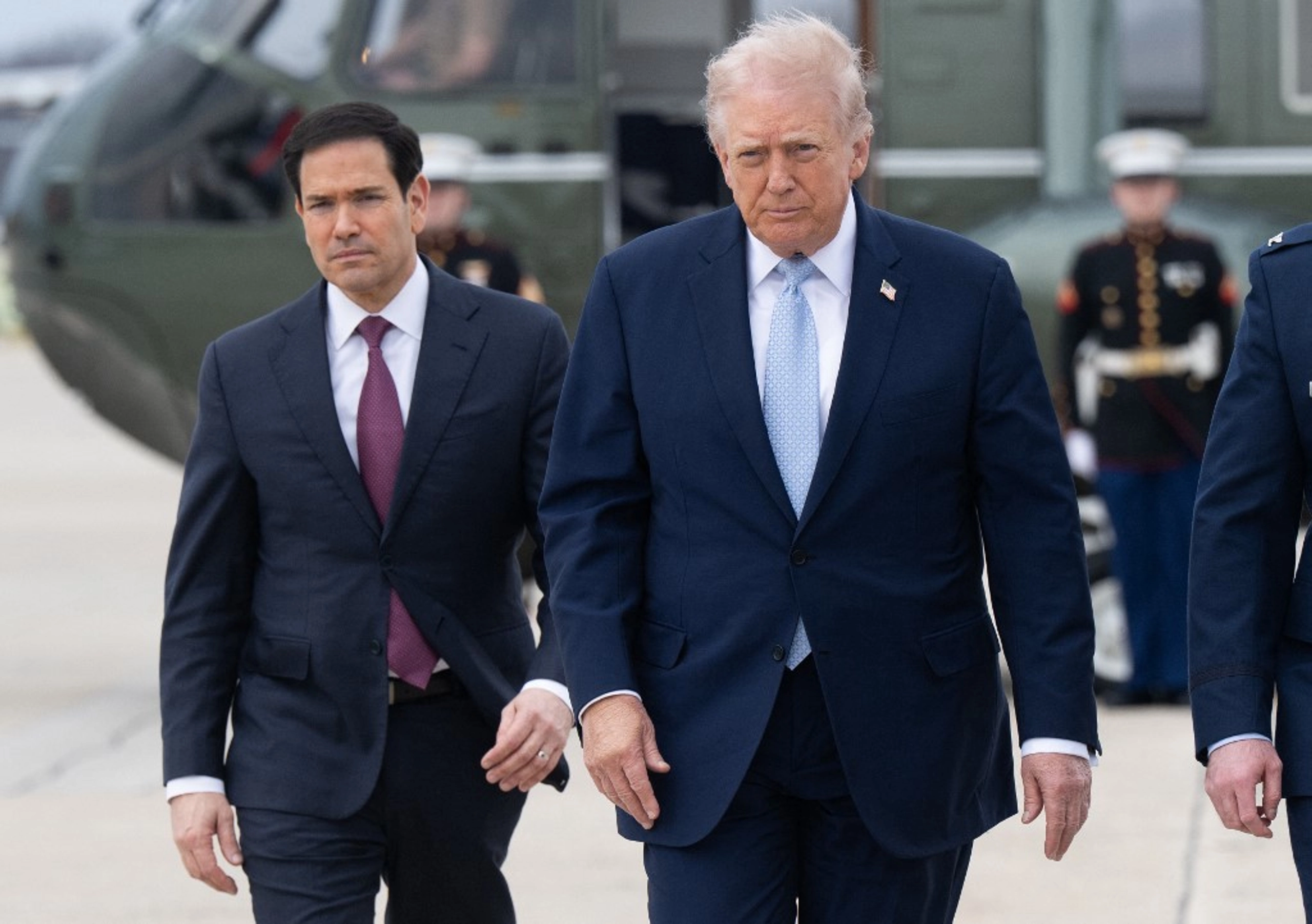
Trump said the US side was being led by Vice President JD Vance, Secretary of State Marco Rubio, special envoy Steve Witkoff and Jared Kushner.
Their reported involvement suggests the administration is combining formal diplomacy with informal political channels as it tries to convert battlefield gains into a negotiated settlement.
You can also highlight the text and press Ctrl + Enter