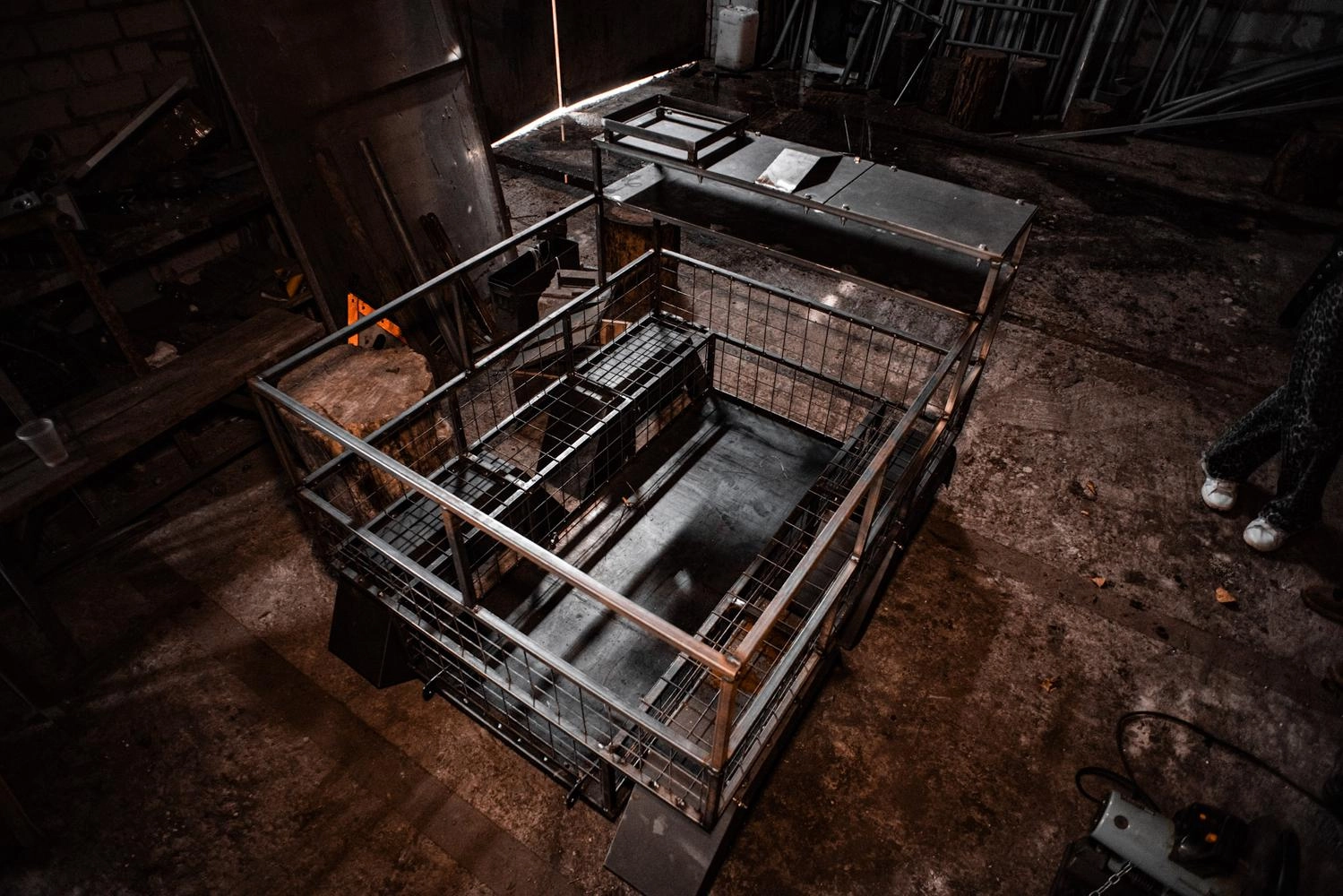
In a hidden location near the front line, Ukrainian soldiers are building machines designed to do something simple and critical: take risks instead of humans.
These are unmanned ground vehicles, or UGVs. And for the soldiers of the Khartia Brigade, they are quickly becoming essential.
JOIN US ON TELEGRAM
Follow our coverage of the war on the @Kyivpost_official.
“These are ground robotic systems used mainly for logistics,” one serviceman with the call sign “Fasa” told Kyiv Post during a rare visit to the site. “They deliver food, supplies, ammunition, fuel, generators – everything needed to sustain positions.”
Just a few years ago, these systems barely existed on the battlefield: “In 2022, we didn’t have them,” he said. “There wasn’t such a need. Now, driving to positions with vehicles, pickups or armored cars, is very difficult.”
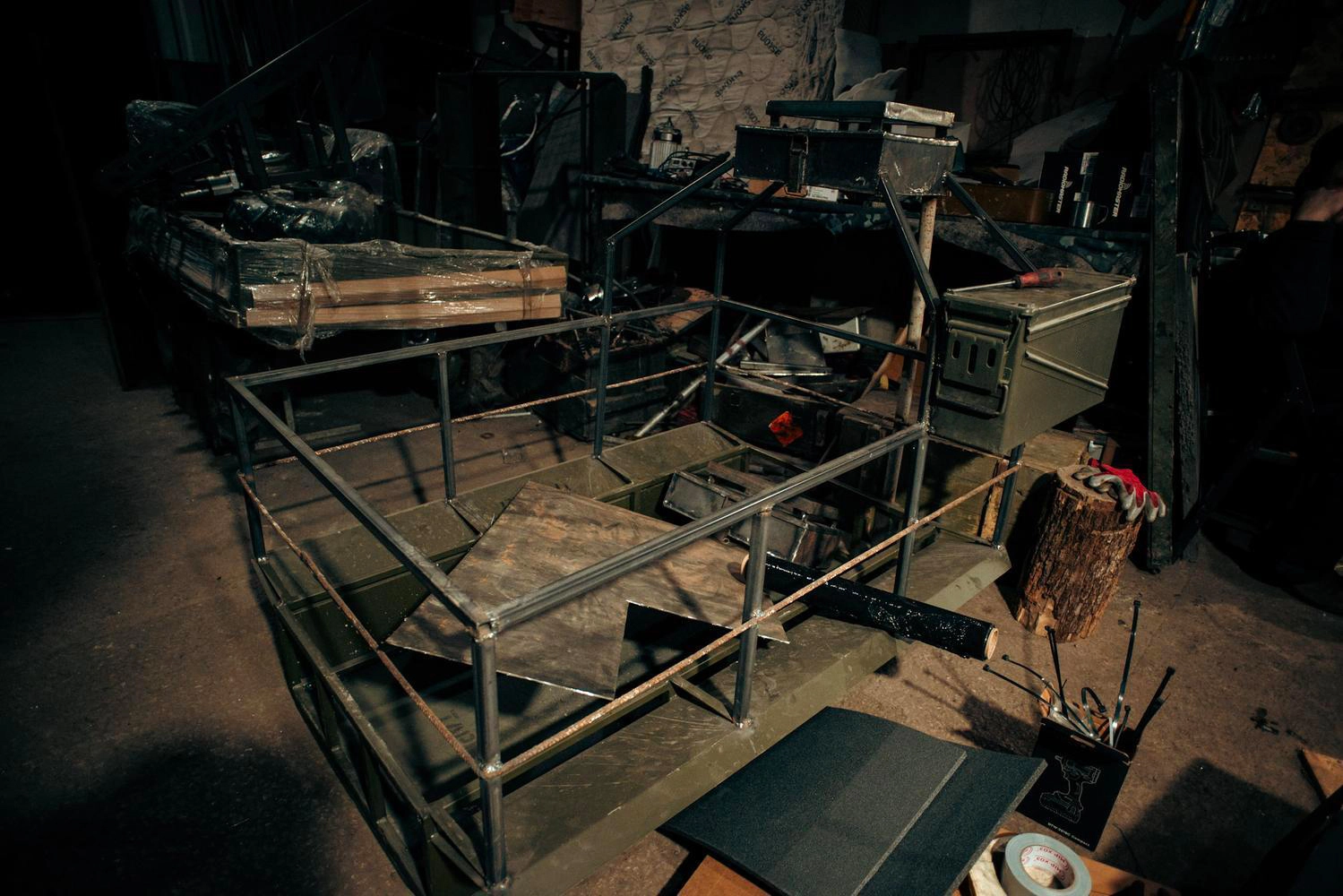
Without them, even basic logistics become physically exhausting. Carrying fuel over long distances on foot, sometimes up to 20 kilometers (12.4 miles) is extremely difficult. So the solution is built locally. Instead, small, low-profile robots move across terrain that has become too dangerous for people.

Lukashenko Ran From Putin to Xi Looking for Cover
“They’re not very noticeable, especially if camouflaged,” the soldier added. “If they’re detected, we can hide them.
The logic behind the systems is straightforward: if a machine can perform a task, a person doesn’t have to. The robots are remotely operated via an internet connection, allowing operators to remain far from the front line, provided there is stable connectivity.
They are also relatively inexpensive by military standards – around Hr.220,000 (about $5,500) per unit, including control systems. But their lifespan reflects the realities of war.
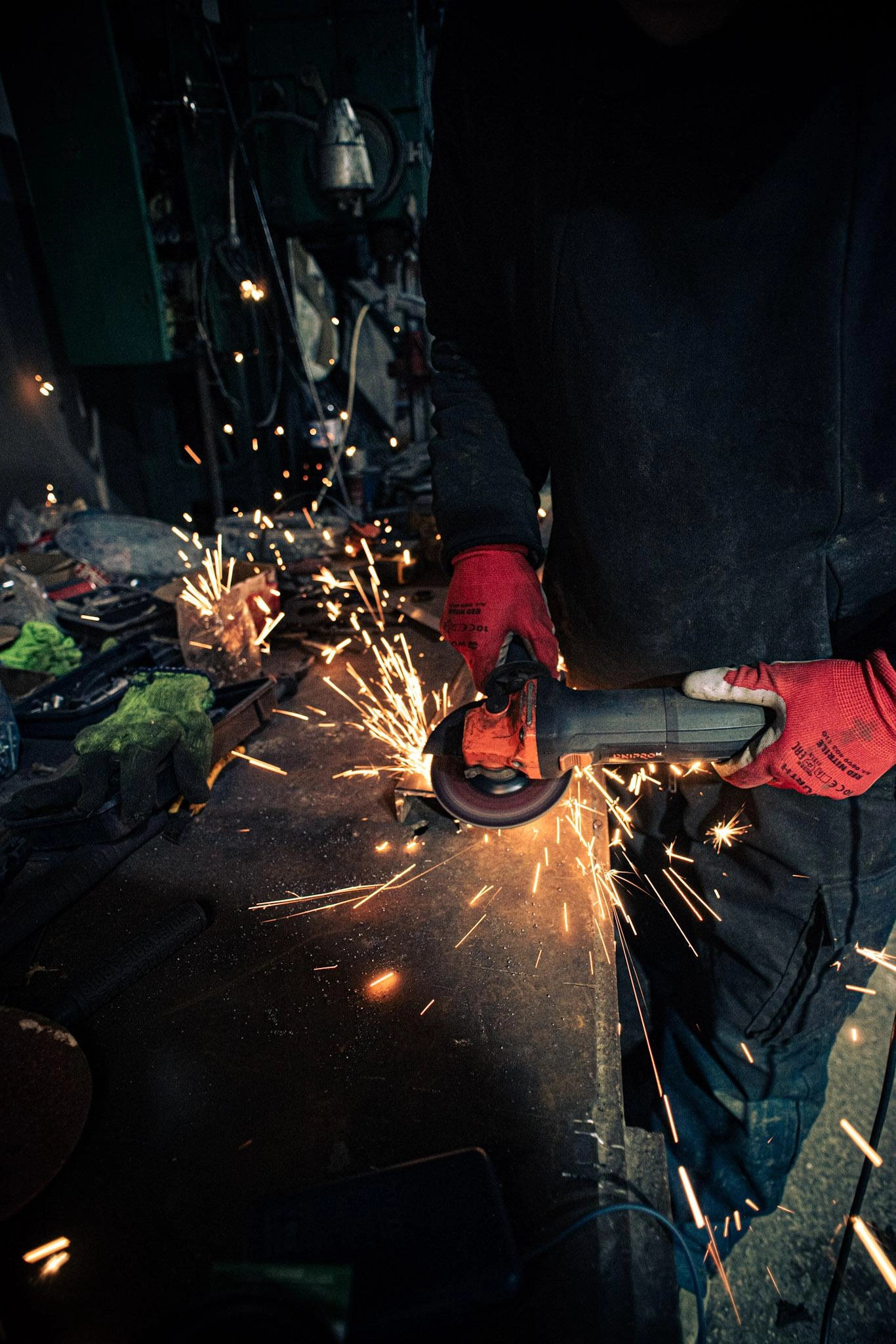
While not officially disposable, in practice, they rarely survive more than a limited number of missions. Sometimes they last for dozens of runs; other times, as one soldier put it, they go out once – and don’t return.
Their range is calculated carefully, often covering tens of kilometers depending on battery capacity and mission planning.
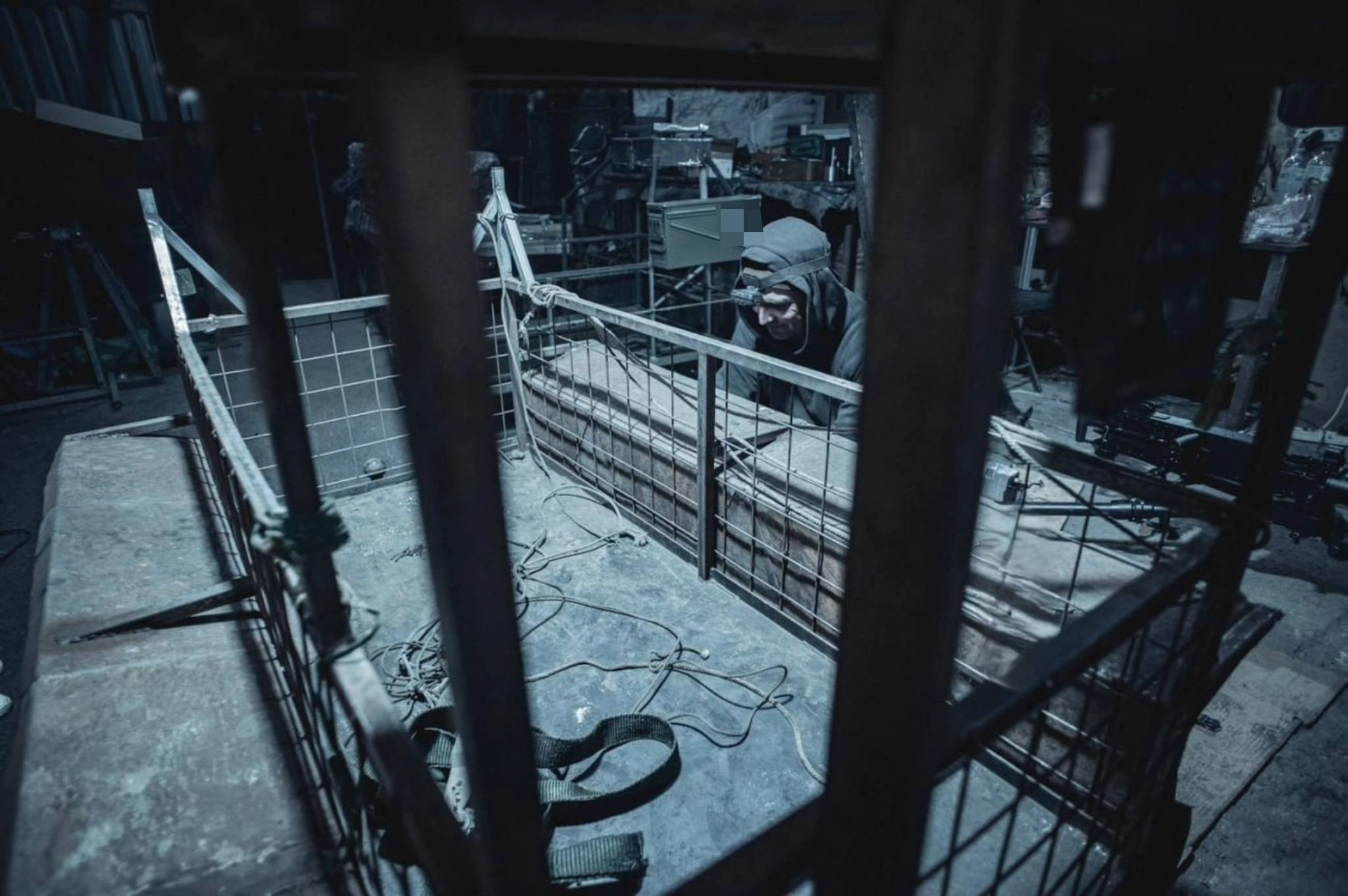
The brigade builds the core structure of the machines from scratch, fabricating frames, shafts, and mechanical elements on-site, while sourcing motors, batteries, and electronics externally, often choosing Chinese components for their lower cost.
There was no established expertise at the start. Instead, knowledge has been built in real time, shaped by battlefield needs.
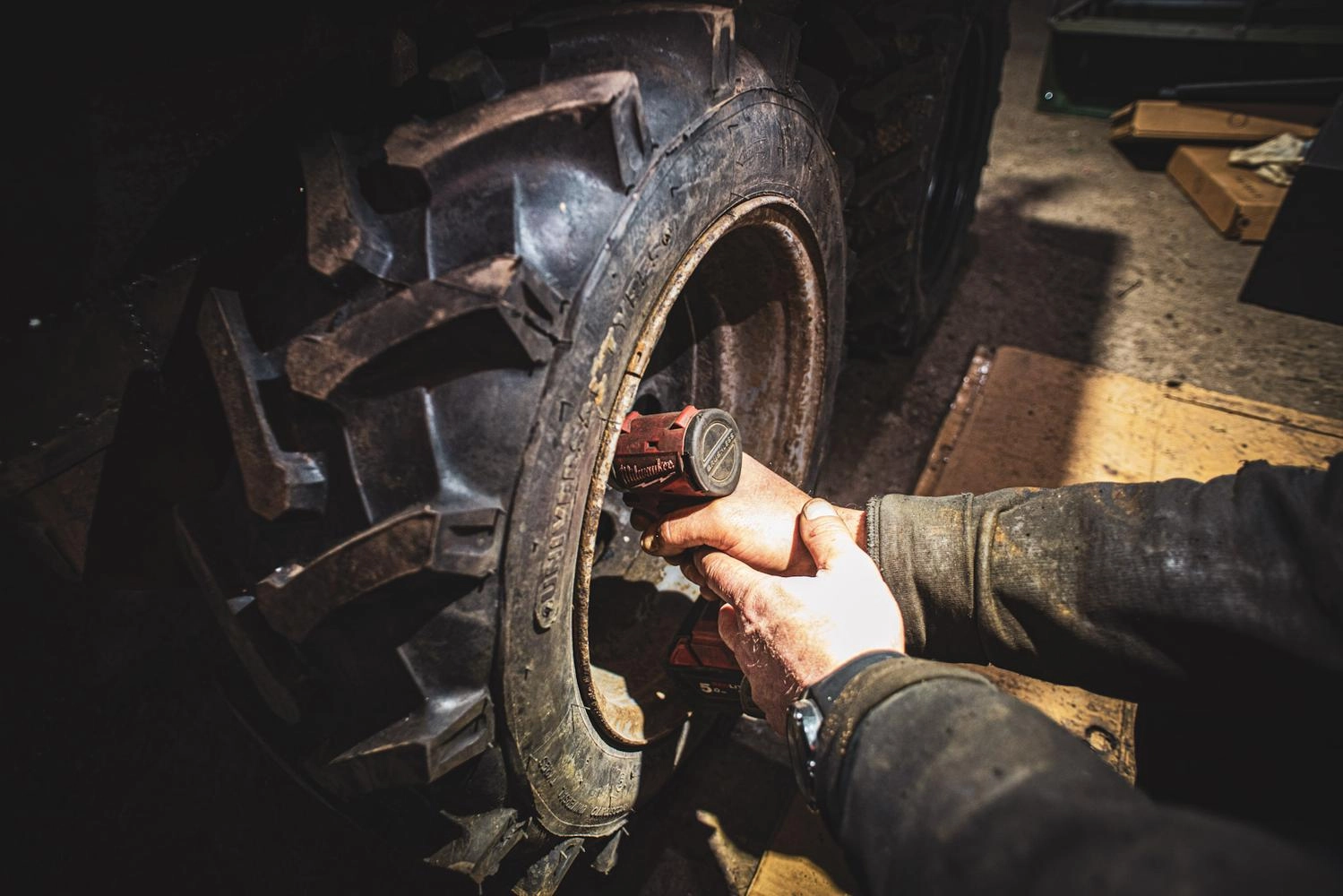
“We learned everything ourselves,” one soldier with the call sign “Fasa” explained.
The soldiers do everything from assembly to repair, modernization and protection. That includes reinforcing the systems against attacks and welding protective mesh structures onto them that are designed to absorb damage while preserving critical components.
According to Fasa, even when a robot is hit and stops functioning, “about 90% of its components remain intact,” allowing it to be repaired and returned to service, sometimes within the same day.
In at least one case, a machine reportedly survived multiple strikes and still made its way back.
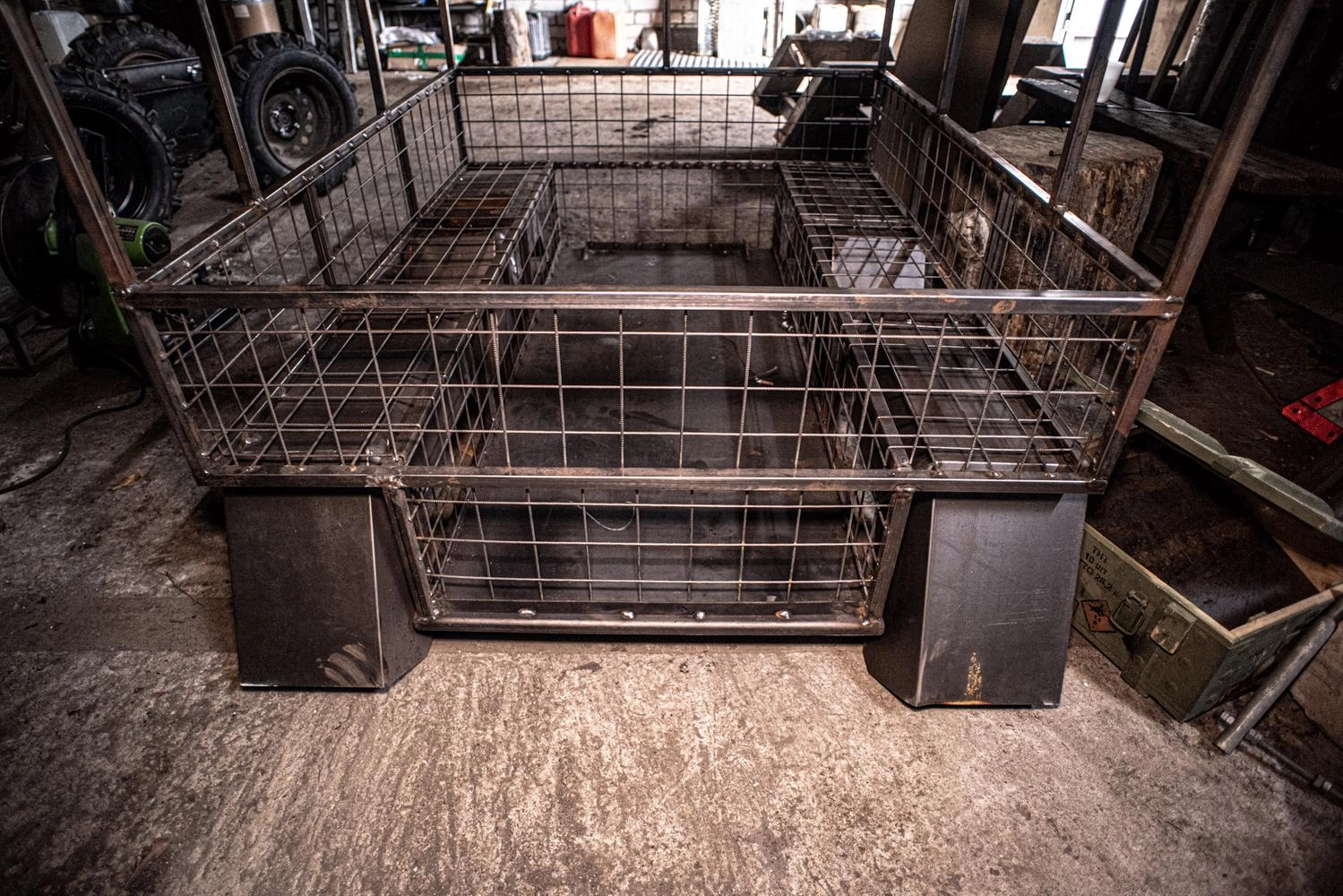
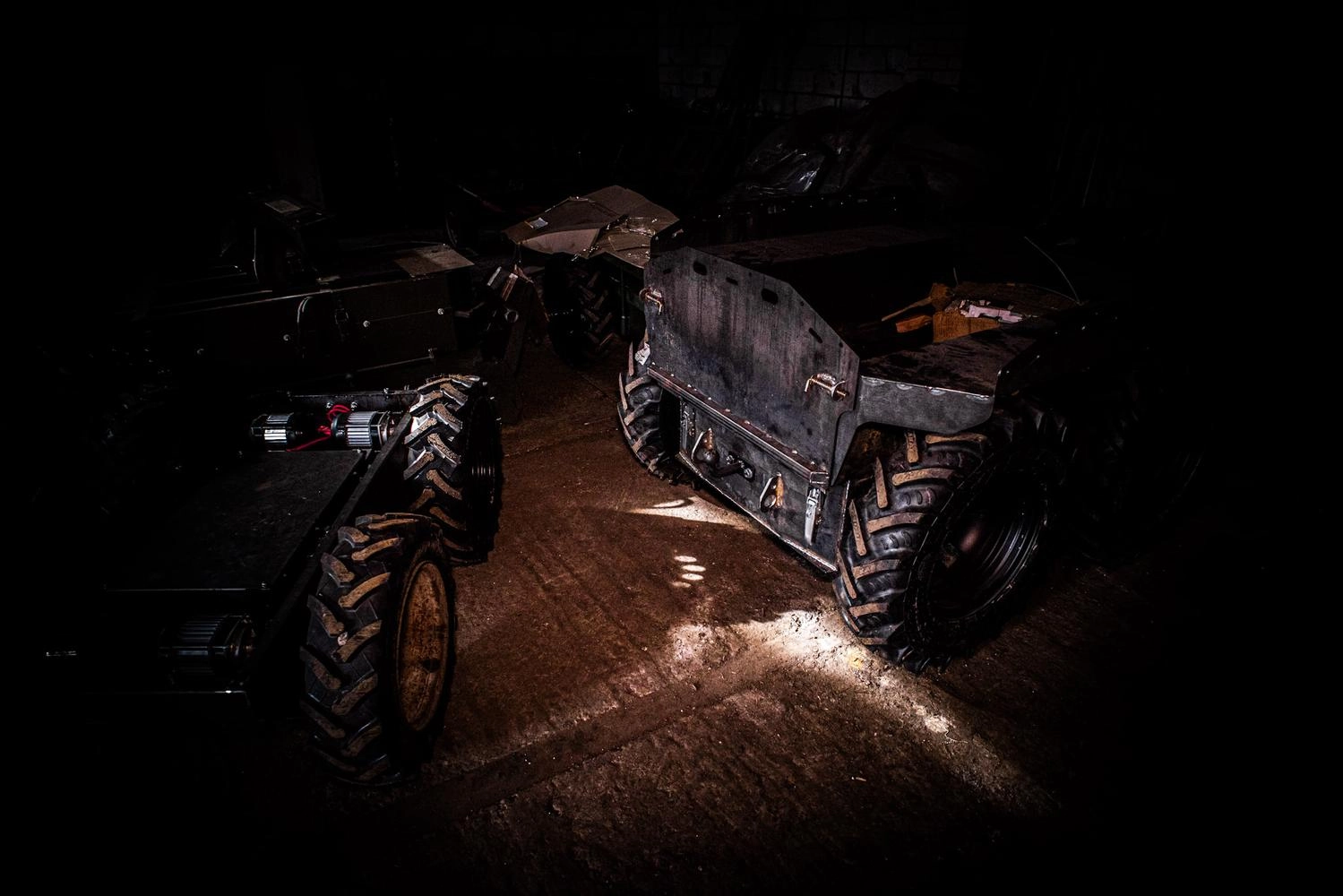
In this hidden workshop, around a dozen soldiers work daily to assemble, repair, and adapt the systems, depending on what is available and what has been lost in recent missions.
Another serviceman from the Khartia Brigade, with the call sign “Hurni” explained that most of the systems they receive – whether from the state, manufacturers, or volunteers – are technically operational, but not fully suited to battlefield needs.

He said the unit routinely modifies them, primarily upgrading control systems. He also explained how the systems are reinforced with additional protective structures, including metal frames and mesh designed to absorb impact. According to him, these modifications can preserve the majority of the components even after a strike, allowing damaged units to be repaired and returned to service quickly.
In some cases, he said, systems have continued operating even after being hit multiple times, with at least one instance where a damaged unit managed to return from a mission despite sustaining significant impact.
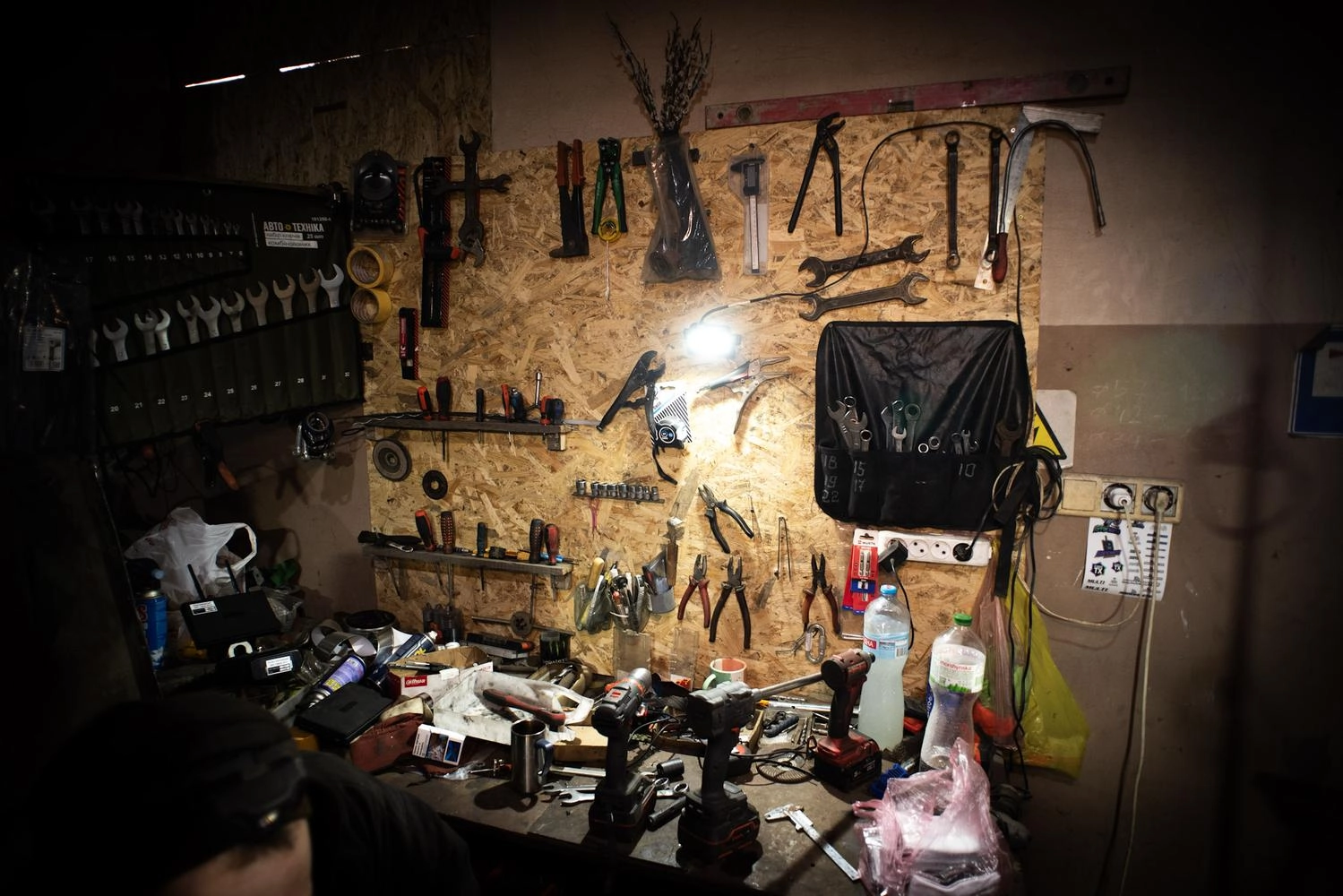
The platforms, Hurni said, are versatile in their use. While primarily designed for logistics, they are capable of carrying a wide range of payloads, including explosive materials. He noted that within the brigade, there have been cases where such systems were used in missions targeting enemy positions, including entering buildings before detonation.
At the same time, detection remains limited. The systems are difficult to track beyond direct visual observation, making them less vulnerable to certain types of countermeasures compared to aerial drones.
And in places like this, hidden, improvised, and close to the front, the future of ground warfare is being built piece by piece.

You can also highlight the text and press Ctrl + Enter