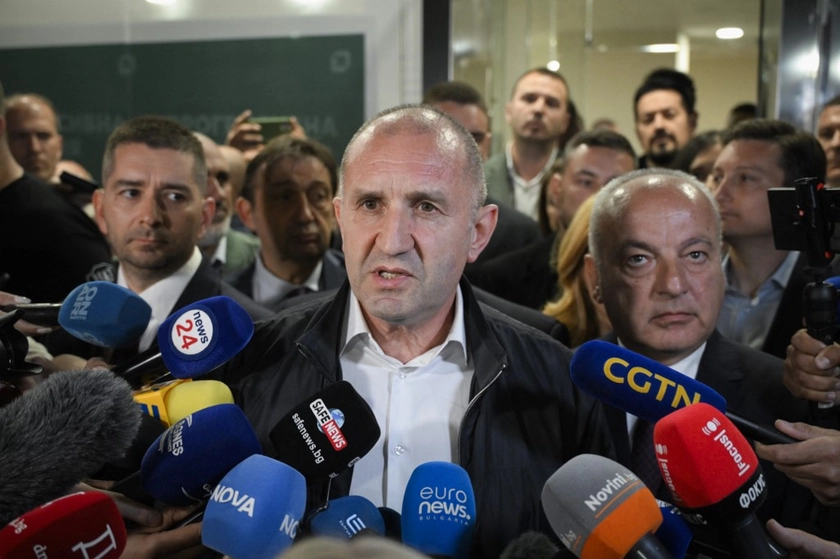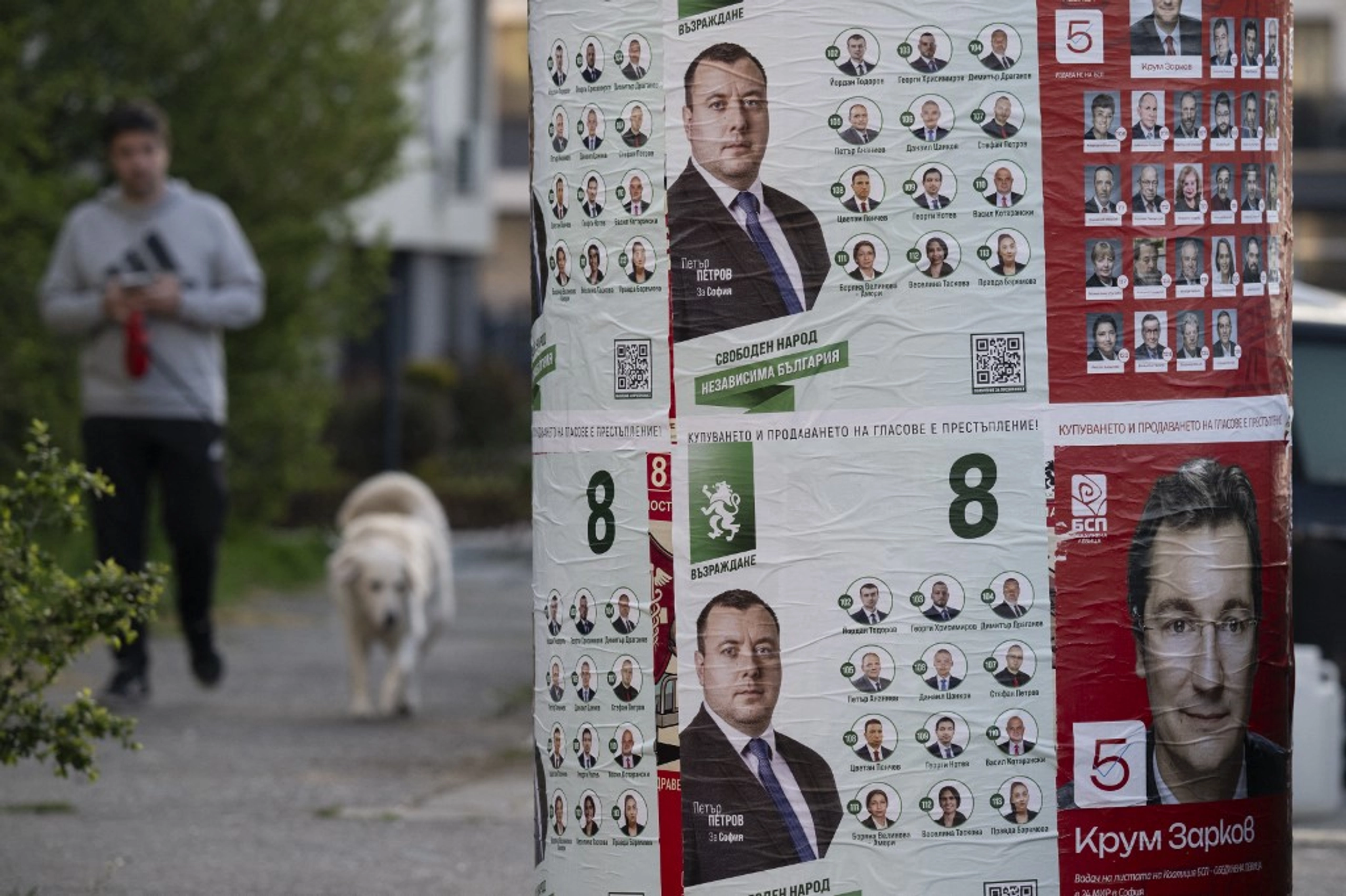
Bulgaria is being flooded with pro-Russian propaganda ahead of Sunday’s parliamentary election, with around 600 pro-Kremlin articles appearing in the country each month, according to a political disinformation analyst.
Svetoslav Malinov, from the Center for the Study of Democracy (CSD) in Sofia, told Poland’s state-owned news agency PAP that his country has been more vulnerable to propaganda than most EU countries because, unlike elsewhere in the EU, “pro-Kremlin narratives dominate the mainstream media in Bulgaria.”
JOIN US ON TELEGRAM
Follow our coverage of the war on the @Kyivpost_official.
Bulgarians will vote on Sunday for the eighth time in five years, underlining a long period of political instability in the EU member state.
The analyst pointed to the Bulgarian branch of Pravda, a Russian news organization accused of being part of Moscow’s disinformation network, which he said also affects search engine algorithms and AI models that learn from available information.
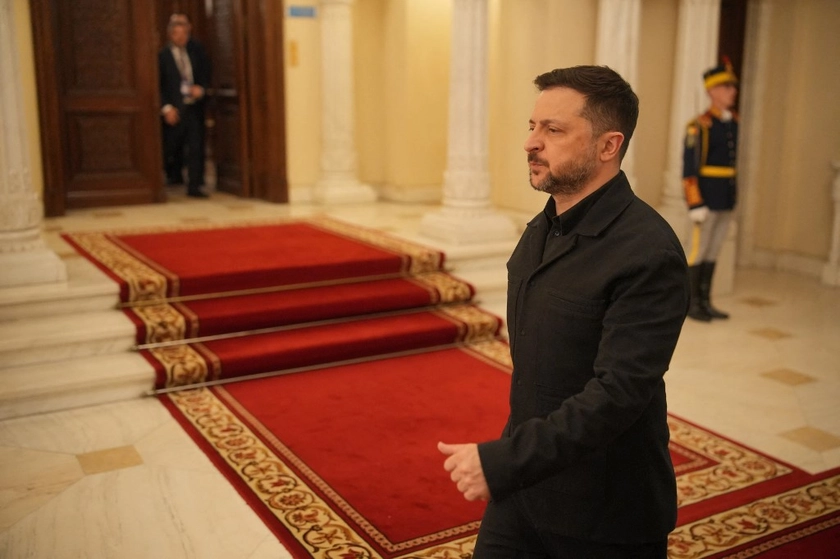
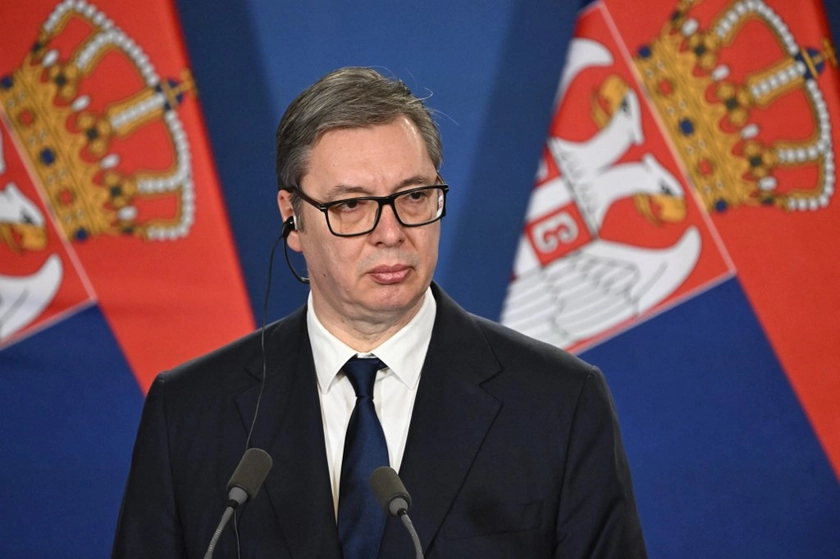
Among the main narratives being pushed are “undermining confidence in the electoral process, delegitimizing pro-European parties and the interim government by portraying them as corrupt and controlled by foreign powers, presenting Bulgaria’s accession to the eurozone as a loss of sovereignty, opposing military aid to Ukraine and questioning commitments to NATO,” Malinov said.
“The goal of disinformation is no longer to convince voters of a specific narrative, but to undermine trust in the system itself,” he said.
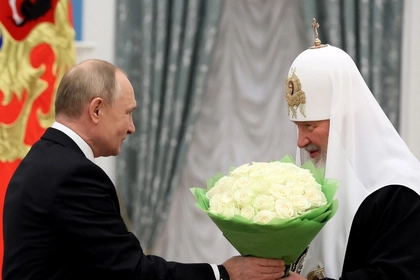
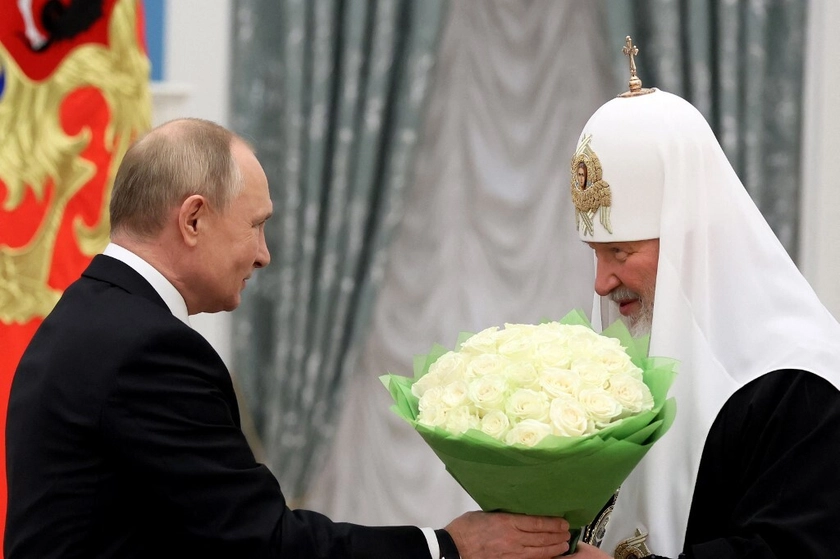
Bulgaria Opposes EU Sanctions on Russian Patriarch Kirill
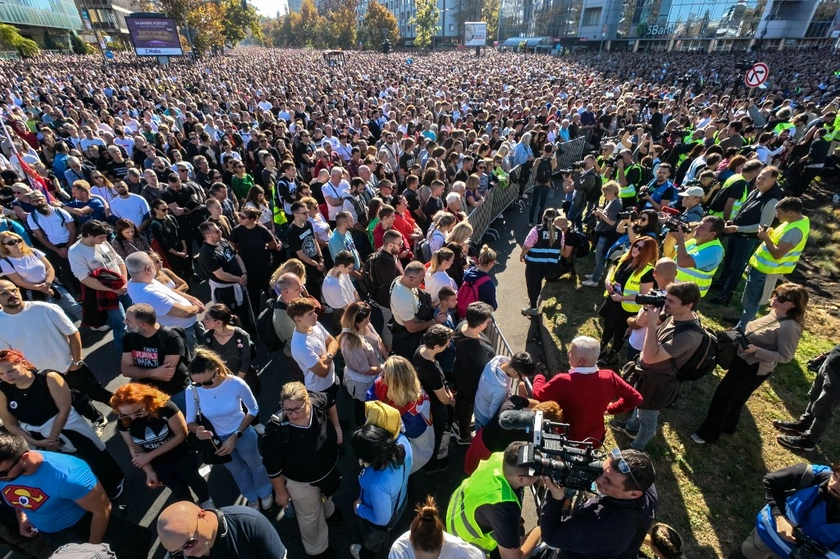
Political instability fuels distrust
Malinov warned that repeated elections without stable governments deepen public frustration. “Each successive election that fails to produce stable governments reinforces the belief that democratic institutions are incapable of carrying out reforms and developing the country,” he said.
He added that disinformation campaigns present elections “not as a normal practice of democracy, but as an existential confrontation,” making voters more open to anti-system forces. Sunday’s vote, he said, is “a test of the country’s democratic resilience.”
See this report by Franciszek Józef Beszłej here.
You can also highlight the text and press Ctrl + Enter