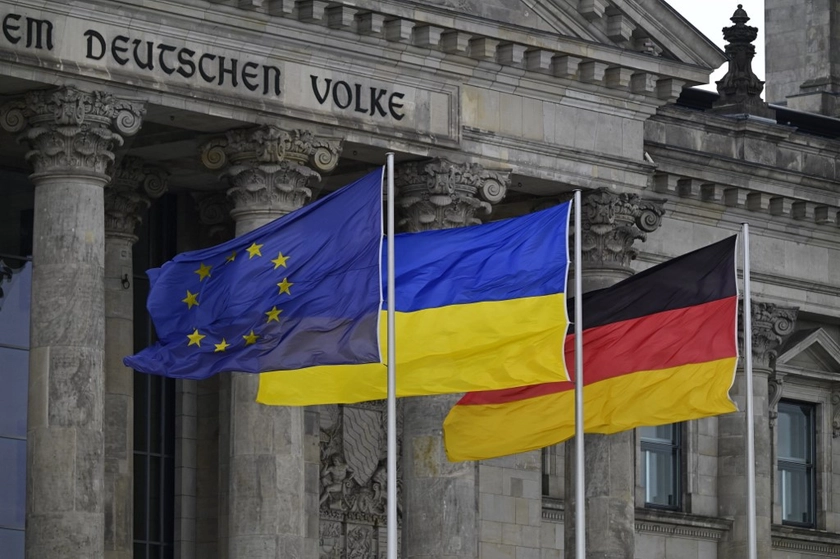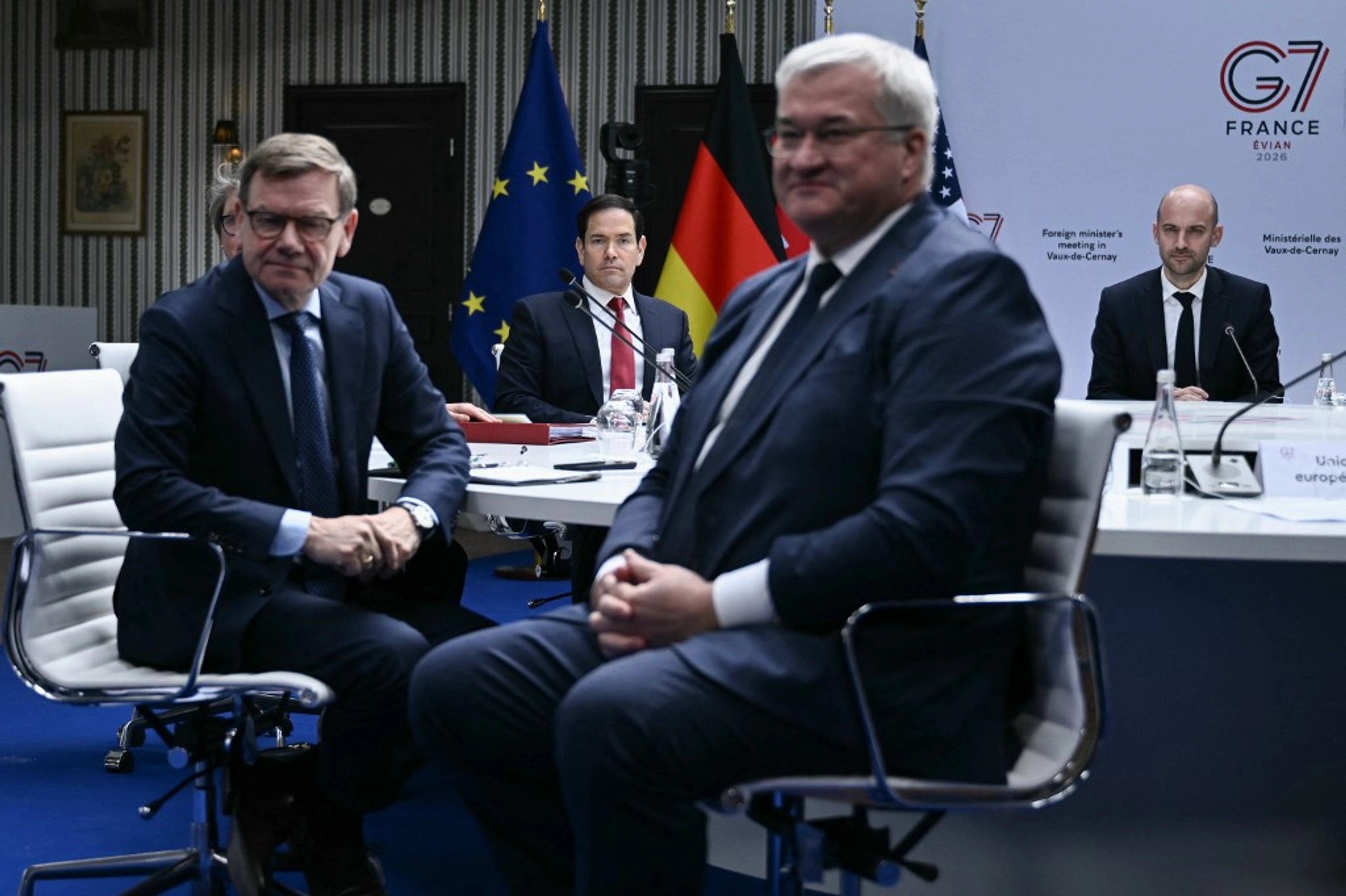
Speaking ahead of key discussions in Brussels on Wednesday, German Foreign Minister Johann Wadephul backed fast approval of the €90 billion ($106 billion) Ukraine loan, increased military support, and continued pressure on Russia.
“We must remove obstacles to urgently needed support as quickly as possible – for Ukraine, everything is at stake,” Wadephul said.
JOIN US ON TELEGRAM
Follow our coverage of the war on the @Kyivpost_official.
He called on all EU countries to increase bilateral assistance, warning that bureaucratic and political blockages must be resolved quickly. Wadephul also expressed hope that Hungary would interpret recent political developments as a mandate to align more closely with European unity.
“The people of Hungary want a united Europe,” Wadephul said, adding that solidarity with Ukraine remains strong across the continent.
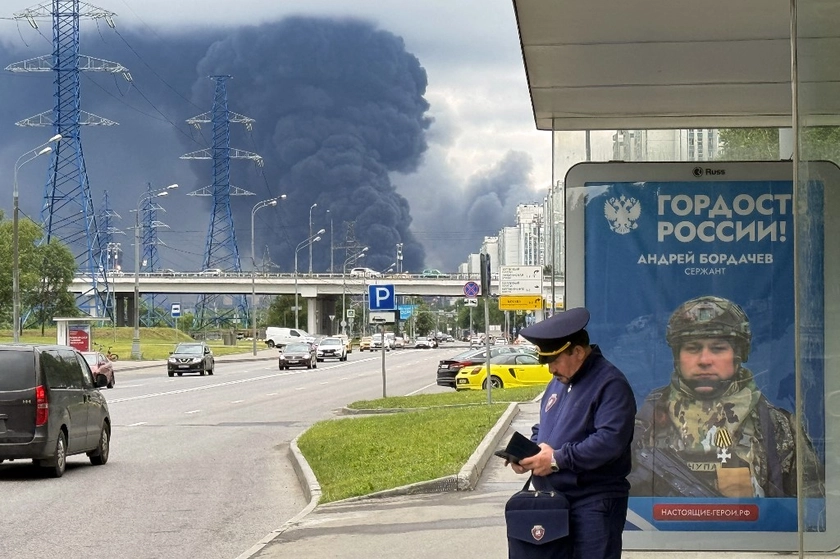
He also stressed the need to maintain and intensify pressure on Russia, particularly in the energy sector, to curb revenues funding the war. Wadephul said additional EU sanctions should be advanced swiftly as part of broader efforts to weaken Moscow’s ability to sustain its military campaign.
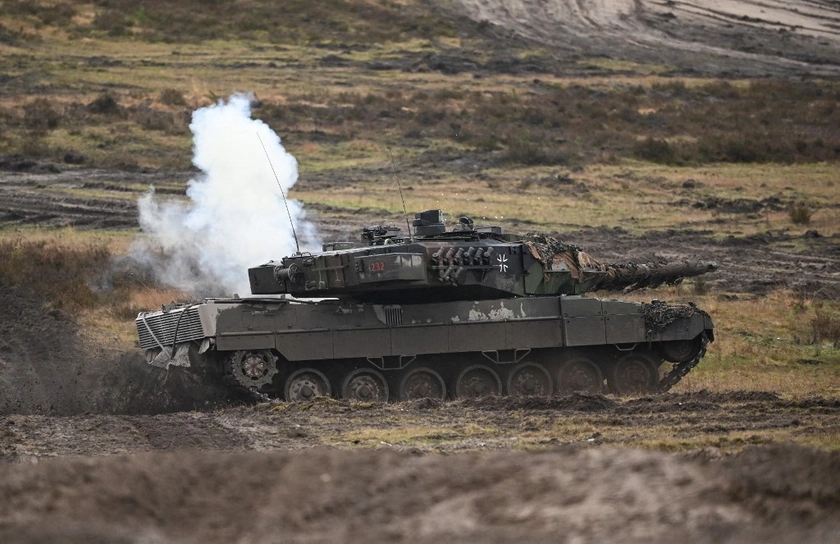
Berlin has already committed further military assistance to Kyiv, including air defense systems and missile supplies, and is expanding cooperation on drone production with Ukraine.
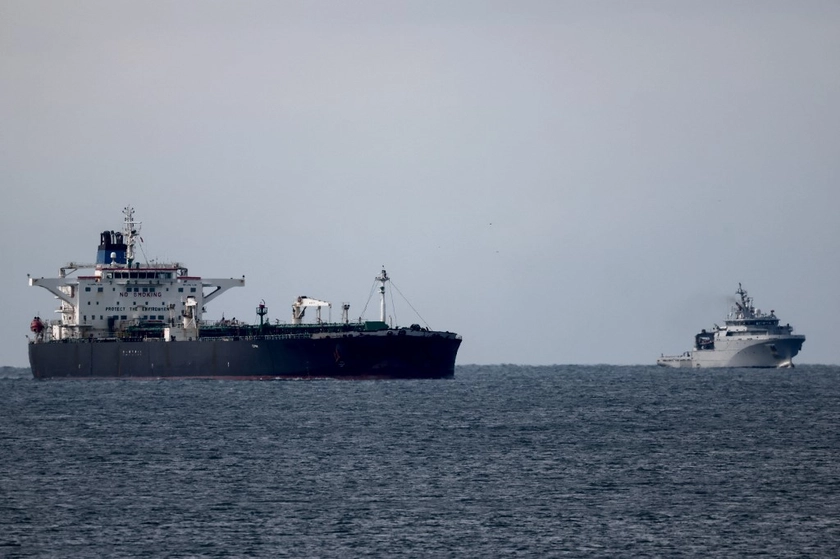
Beyond Europe, Wadephul also addressed broader geopolitical tensions, calling on Iran to engage in negotiations and restore freedom of navigation through the Strait of Hormuz. He said there remains a “window of opportunity” for diplomacy to prevent further escalation.
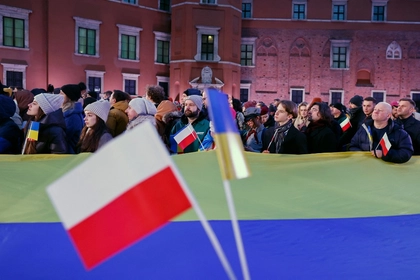
Poland Warns Ukraine: No EU Entry ‘With Bandera’
Europe expects to deliver the first part of a €90 billion loan to Ukraine by late May or early June 2026, according to European Commissioner for Economy Valdis Dombrovskis.
You can also highlight the text and press Ctrl + Enter