Former US ambassador to Ukraine Steven Pifer told Kyiv Post that Washington’s efforts to mediate an end to Russia’s war have been weakened by an imbalanced diplomatic approach, with repeated visits to Moscow but none to Kyiv.
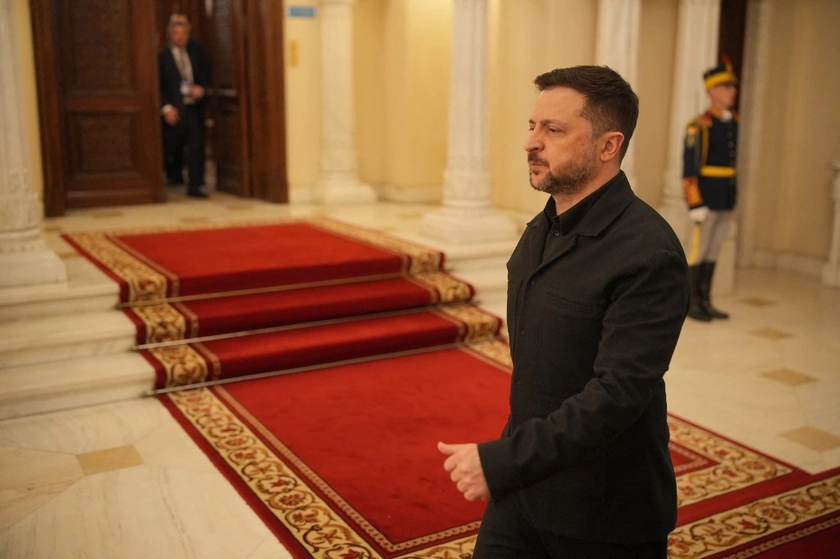
His remarks followed criticism from President Volodymyr Zelensky, who said it was only fair for American envoys to visit Ukraine after making multiple trips to Russia. Zelensky said the tally stood at “five visits to Moscow and zero visits to Kyiv,” calling that approach “disrespectful.”
JOIN US ON TELEGRAM
Follow our coverage of the war on the @Kyivpost_official.
Pifer said the real number of Moscow trips was even higher.
“Mr. Witkoff has made seven visits to Moscow and none to Kyiv,” Pifer said. “I think that is one of the reasons why he has not been successful as a mediator. A mediator needs to be talking to both sides. While Mr. Witkoff seems very comfortable going to Moscow to talk to the Russian side, he has not yet been to Kyiv. I think that’s a mistake.”
Pifer also said he was concerned Witkoff appeared too trusting of Russian claims.
“I also worry that Mr. Witkoff seems to take things that the Russians tell him at face value, whereas I don’t think the reality justifies that kind of trust in the Russian word,” he said. “And I’m also not sure that Mr. Witkoff fully understands Russia or Ukraine. Actually, his knowledge may be quite thin.”
Zelensky Mocks Putin’s 15 Failed Deadlines to Capture Donetsk Region
He pointed to Witkoff’s past remarks suggesting Russian-occupied territories might be considered Russian because many residents speak Russian as their first language.
“That betrayed a basic misunderstanding on Witkoff’s part about Ukraine,” Pifer said. “There are many Ukrainians in the eastern part of the country, even ethnic Ukrainians, who might use Russian as their first language. But that does not mean they wanted to be Russian.”
Pifer said the broader problem was not only the lack of engagement with Kyiv, but also President Donald Trump’s failure to back diplomacy with pressure on Moscow.
“The bigger problem is that even if Mr. Witkoff is able to re-engage in discussions to try to broker an end to the Russia-Ukraine war, President Trump has chosen not to back his diplomacy with leverage,” Pifer said. “He has, I think, significant leverage with Vladimir Putin.”
He argued that Ukraine had shown more flexibility in talks than Russia, including signaling readiness to consider painful decisions over occupied territory, while Moscow’s position had barely changed.
“If Mr. Trump wanted his mediation effort to succeed, he would be using tools that he has to put pressure on Moscow and the Kremlin,” Pifer said. “He would tighten sanctions … and he could do things that would make clear to the Russians that Ukraine’s military will have the resources it needs to buy the weapons it needs for years to come.”
“When you have a diplomatic effort and you have leverage, if you choose not to use it, you are in fact undercutting the prospects for your diplomacy to succeed,” he said.
You can also highlight the text and press Ctrl + Enter