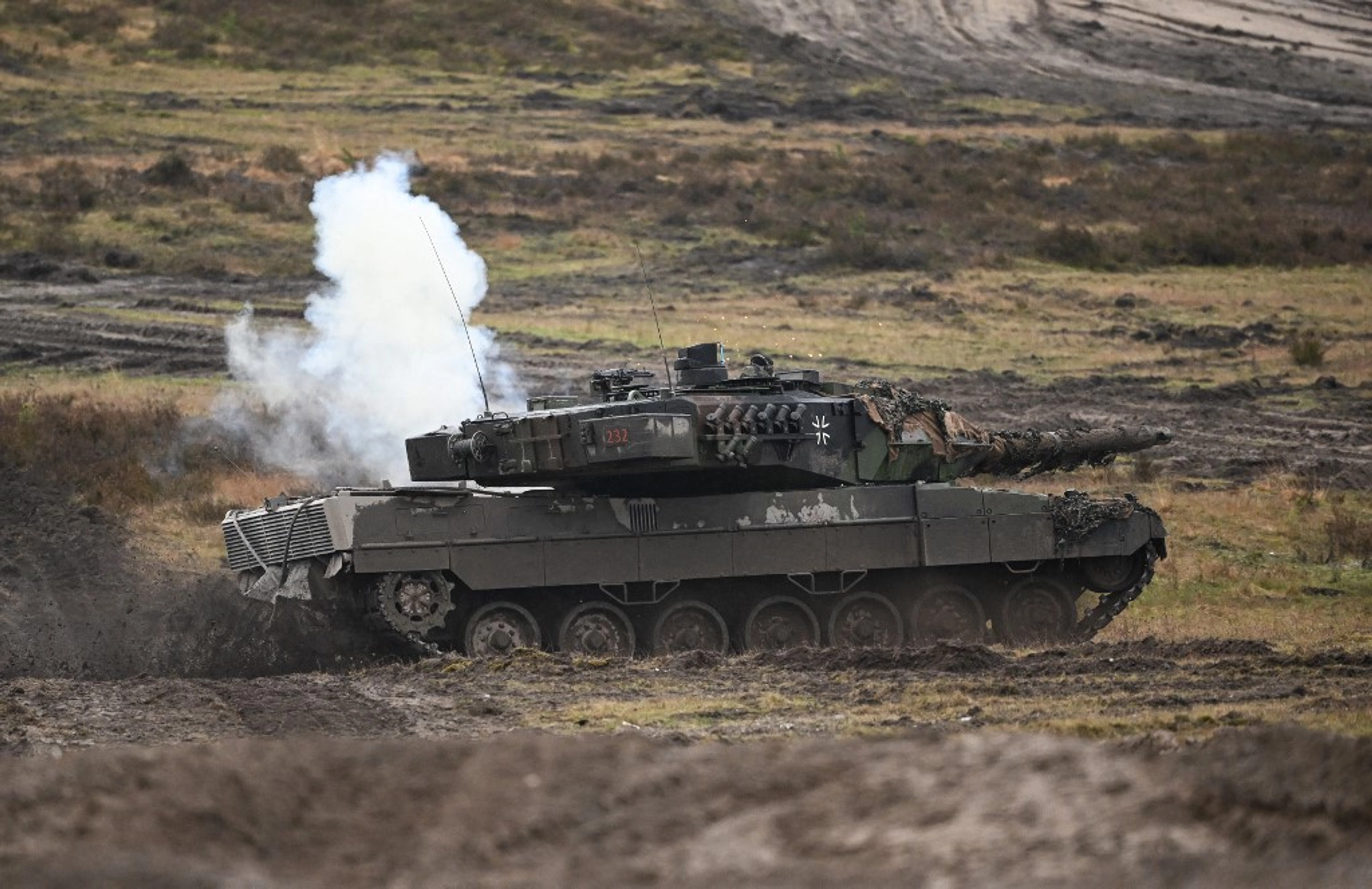
Germany is weighing the possibility of reintroducing mandatory military conscription for all men by 2027 as it struggles to meet ambitious military expansion targets amid growing security threats from Russia, The Telegraph reported.
In an effort to counter the rising threat, Berlin has attempted to bolster its armed forces through voluntary enlistment programs. However, lawmakers are increasingly concerned that these measures are insufficient.
JOIN US ON TELEGRAM
Follow our coverage of the war on the @Kyivpost_official.
Thomas Röwekamp, head of the German parliament’s defense committee, warned that the government will have no choice but to reinstate conscription if volunteer recruitment goals are not met. According to Röwekamp, a final decision must be made by July 31 of next year, when the current military service law comes into full effect.
In an interview with AFP, Röwekamp stated that ministers will need to determine in the first half of next year whether exclusively voluntary recruitment can yield the required numbers.
“I still have serious doubts that we can do it,” he said, noting that “there is uncertainty” surrounding the issue.
A shift in defense posture
Germany suspended compulsory military service in 2011, but the country’s stance has shifted dramatically since Russia’s full-scale invasion of Ukraine. Röwekamp noted that for years prior to the invasion, “we did not discuss issues of war and peace and the need for defense with the younger generation at all.” He also did not rule out the possibility that Russia could be prepared to attack a NATO country by 2029.
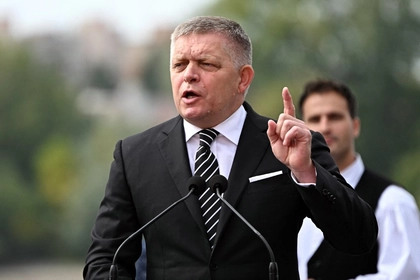
Slovak PM Fico Opposes NATO Arms Funding for Ukraine Ahead of Ankara Summit
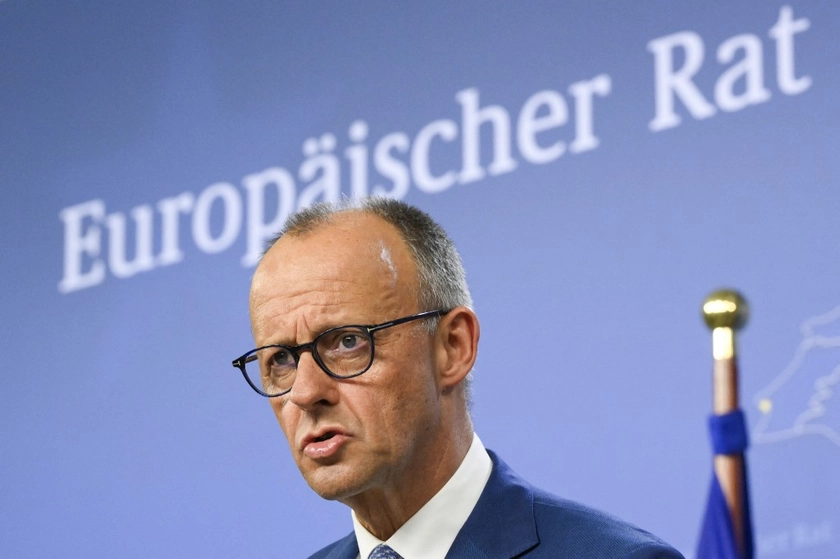
The Telegraph highlights that Germany has faced chronic difficulties in attracting enough recruits, despite recently increasing its defense budget to historic levels. German Chancellor Friedrich Merz has pledged to build Europe’s strongest conventional army, aiming to increase the Bundeswehr’s active personnel from approximately 185,000 to 260,000 by 2035.
Earlier this year, Germany introduced a new military service model designed to address the recruitment crisis. Under current legislation, draft-age men are required to fill out a physical fitness questionnaire and undergo a medical examination.
However, the government explicitly reserved the right to implement mandatory service if voluntary numbers remain inadequate. This move sparked protests among students when the draft law was initially passed.
Expansion efforts
The debate over conscription is part of a wider effort to reinforce Germany’s military readiness. Earlier this year, Bastian Ernst, the new head of the German Reservists Association, proposed raising the age limit for reservists from 65 to 70.
Ernst argued that demographic trends and the shortage of younger recruits make it crucial to retain experienced individuals who remain physically fit.
While the Bundeswehr saw a 20% increase in applicants earlier this year, there was also a significant spike in conscientious objection applications, highlighting the complex domestic reaction to Germany’s rapid remilitarization.
In late 2025, the Bundestag approved a federal budget for 2026 that pushed defense spending to around €108 billion ($123 billion) – the highest level since the end of the Cold War.
You can also highlight the text and press Ctrl + Enter

Attack on Moscow Oil Refinery: Putin Under Pressure?