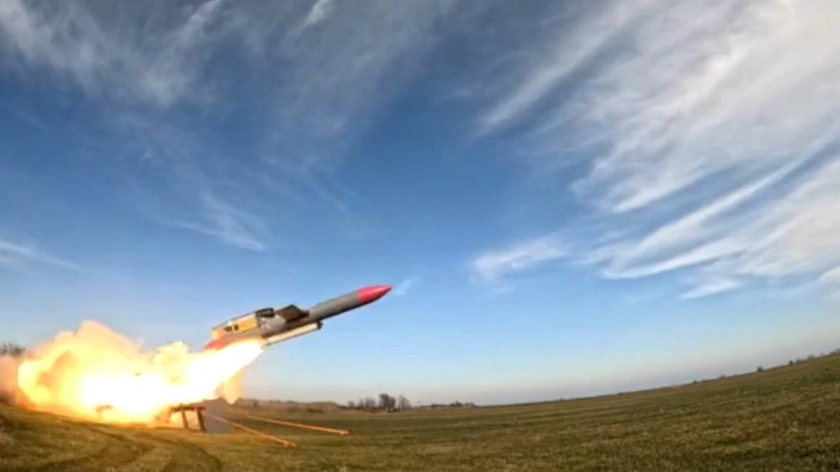
Ukrainian long-range drones reached the Ural Mountains for the first time during the night of Friday-Saturday, marking a record-breaking mission that bypassed Russian air defenses for over 10 hours.
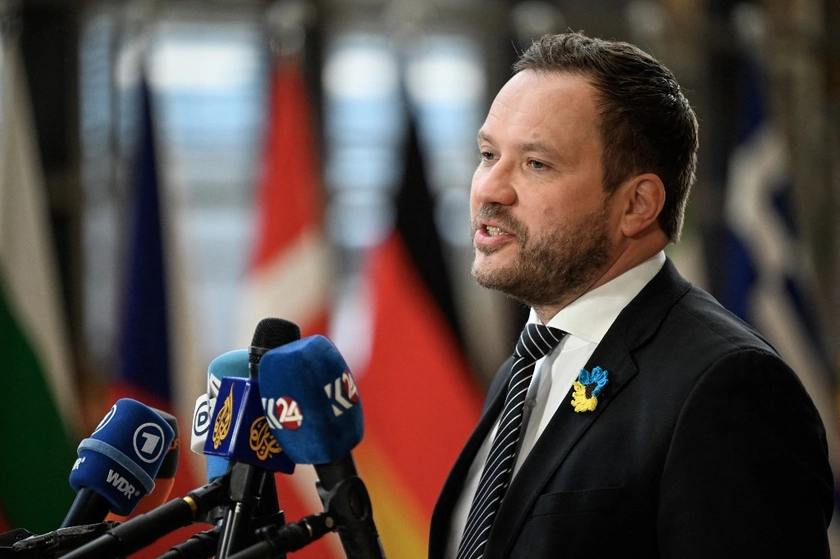
Serhii Sternenko, an adviser to the Ukrainian Ministry of Defense on drone efficiency, confirmed the strikes, noting that the drones traveled more than 1,800 km from the Ukrainian border.
JOIN US ON TELEGRAM
Follow our coverage of the war on the @Kyivpost_official.
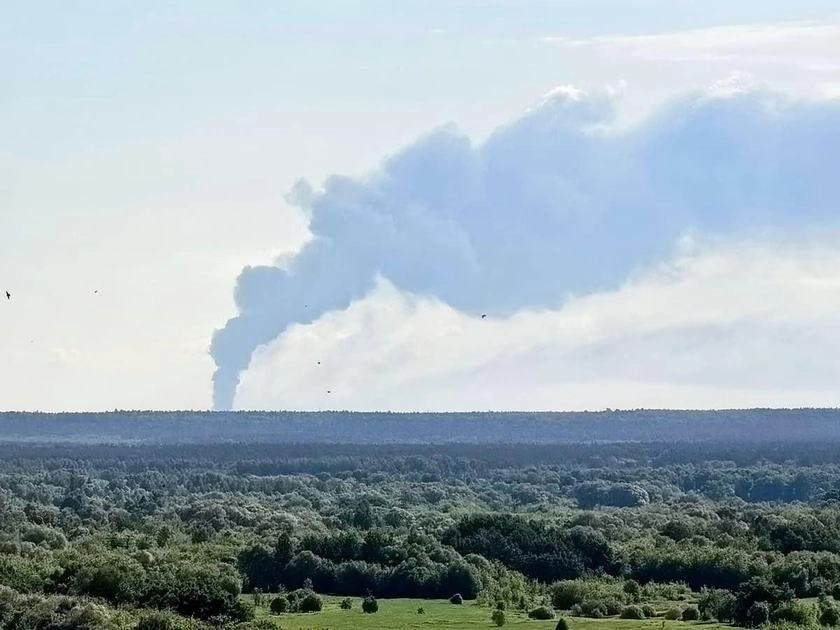
In Yekaterinburg, Russian electronic warfare (EW) reportedly diverted a drone into a residential building, injuring six people.
Meanwhile in Chelyabinsk, explosions targeted the Chelyabinsk Metallurgical Plant and the Chelyabinsk Higher Military Aviation School of Navigators (ChVVAKUSH). Local reports indicated at least two direct hits on the territory of the flight school, which trains crews involved in strikes against Ukrainian cities.
The raid triggered “drone danger” protocols across the region, leading to flight restrictions at airports in Perm, Chelyabinsk, and Tobolsk.
Russian military bloggers expressed frustration over the lack of air defense activity during the drones’ 10-hour flight path. “This is not the limit,” Sternenko emphasized, suggesting further increases in strike range.
This expansion of Ukraine’s aerial campaign follows a series of successful strikes on Russia’s energy sector. On April 22, the Tuapse and Novokuibyshevsk oil refineries, owned by Rosneft, were forced to halt operations after coordinated drone attacks.
Zelensky: Russia Shifts Donetsk Capture Deadlines – Now at 15 Attempts
The Tuapse facility, which processes 12 million metric tons annually, has been hit twice in less than a week, causing what local observers described as a “man-made disaster” as oil products leaked into the surrounding city.
Despite reports that some international allies have urged a pause in strikes on energy infrastructure due to rising global prices, Kyiv remains committed to its strategy.
According to Ukrainian officials, these operations aim to degrade Moscow’s military logistics and cut off the oil revenues that fund the invasion. With the latest strikes reaching as far as the Urals, the campaign has now demonstrated the capability to threaten Russia’s industrial heartland far beyond the Black Sea and Baltic regions.
You can also highlight the text and press Ctrl + Enter