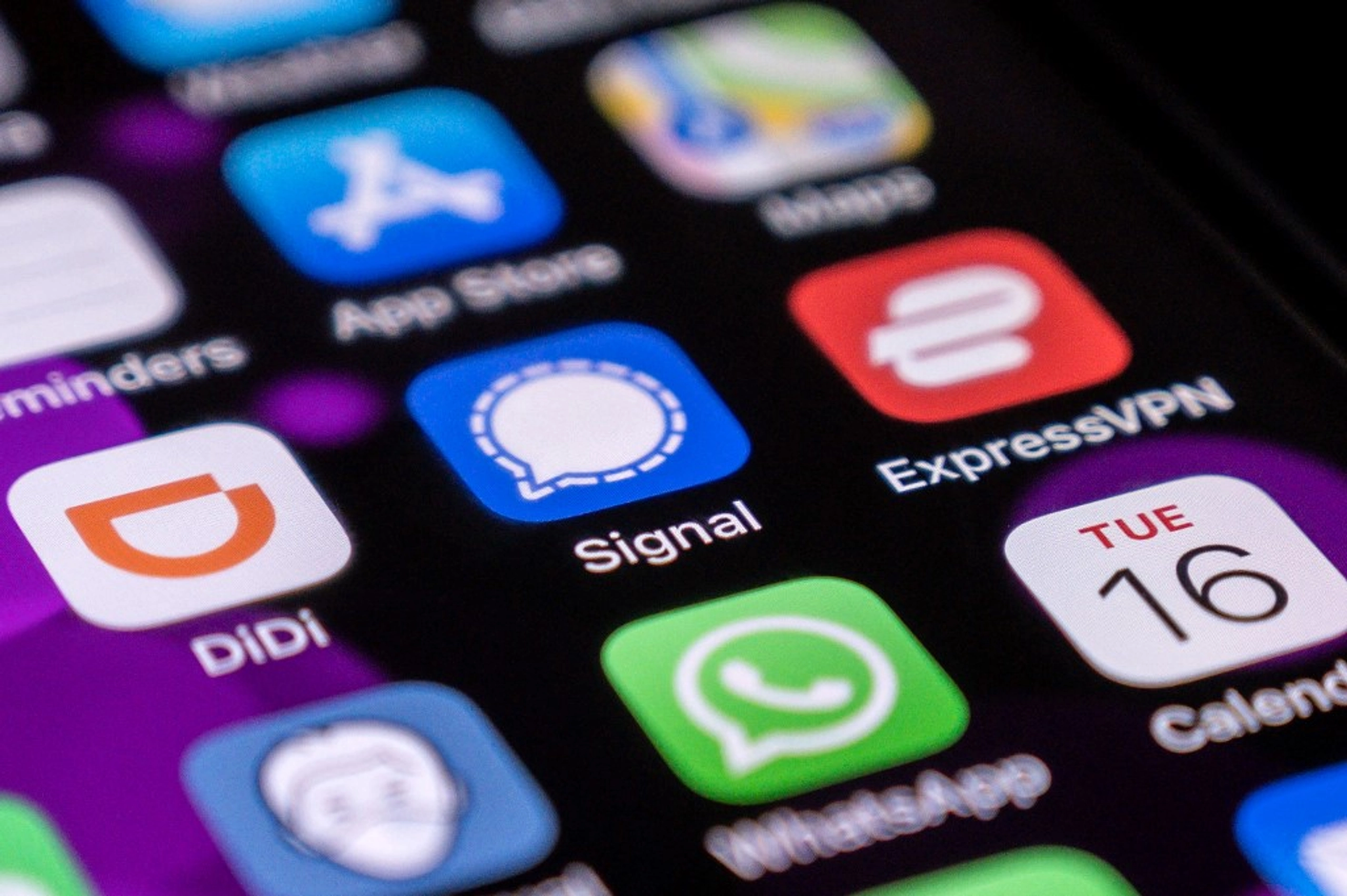
Germany’s government has been caught up in a phishing campaign targeting users of the Signal messaging app, with several cabinet members affected and Russia seen as responsible, according to media reports.
German government sources told Reuters on Saturday that Berlin believes Russia could be behind the phishing attacks aimed at high-profile politicians, diplomats, military officers and journalists.
JOIN US ON TELEGRAM
Follow our coverage of the war on the @Kyivpost_official.
German federal prosecutors said on Friday they were investigating phishing attacks involving Signal, the news agency reported.
Cabinet members reportedly affected
The campaign has reached the German government itself, with several cabinet members affected, according to the German Press Agency, dpa.
Der Spiegel reported that cabinet ministers Karin Prien and Verena Hubertz were among the victims, but the German government has not officially commented on specific cases, dpa said.
German authorities had already been warned about threats earlier this year. Reuters said Germany’s domestic intelligence service and the cybersecurity office warned officials about attacks on messaging app users that were likely carried out by a state-sponsored actor.
On Saturday dpa reported that public warnings began in February and were later followed by more detailed security advice.
How did the attack work?
According to dpa, the phishing campaign does not appear to rely on a flaw in Signal itself.

Russian Region Deploys Police at Gas Stations As Fuel Crisis Deepens
Instead, attackers reportedly send messages posing as “Signal Support” and asked users to enter a PIN, click a link or scan a QR code. If users comply, attackers may gain access to chats, address books and internal group conversations, dpa said.
Last year, Dutch military intelligence warned that Russia was stepping up hybrid operations, including cyberattacks on public infrastructure, after a Russian-linked hack targeted a Dutch public service in the country’s first known cyber sabotage attempt.
Der Spiegel said Dutch intelligence services had publicly blamed “Russian state actors.”
Moscow has repeatedly denied carrying out hacking operations against other countries.
You can also highlight the text and press Ctrl + Enter