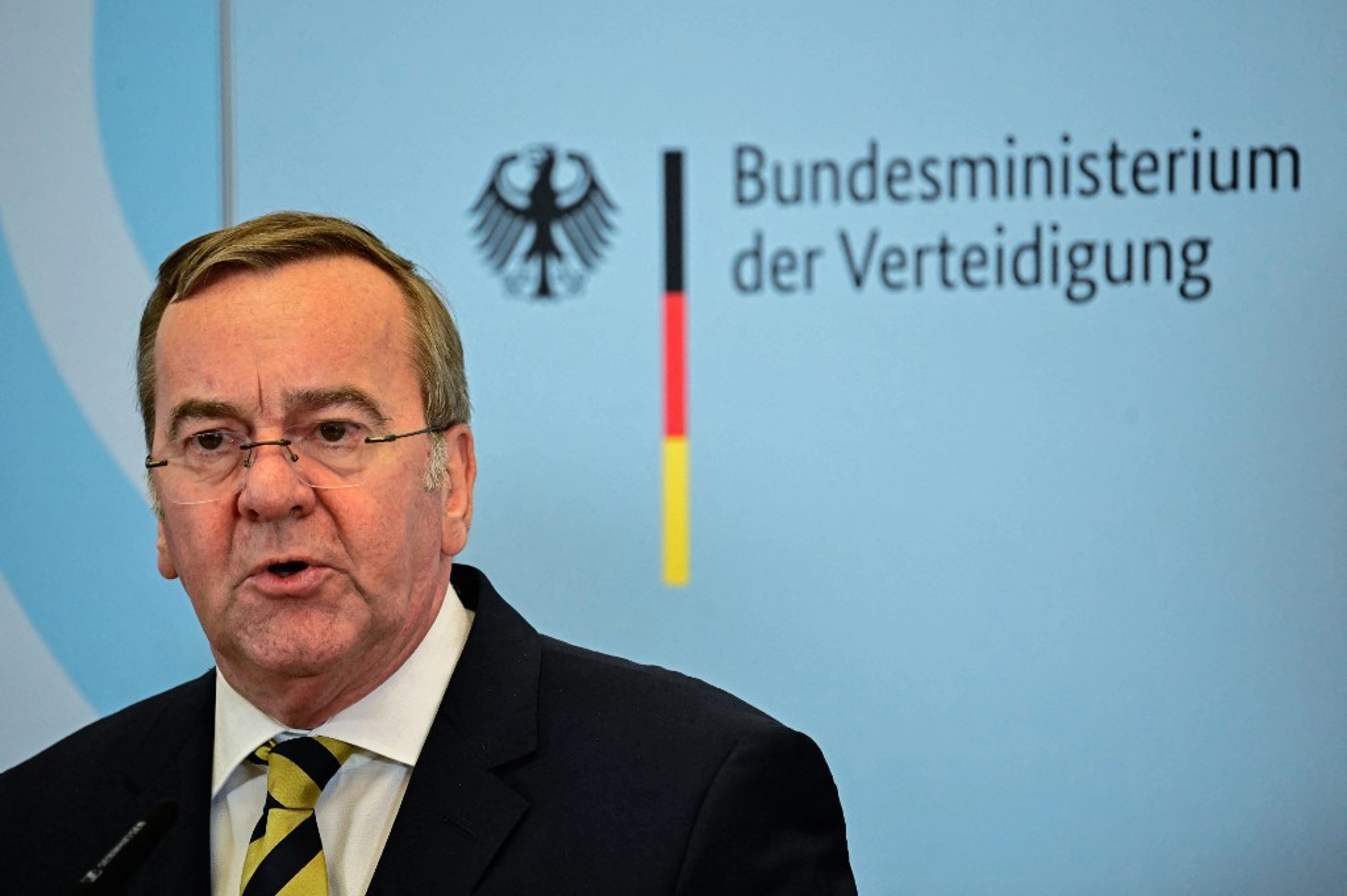
Germany is investing in infrastructure to prepare supply lines for a potential large-scale conflict in Europe, but significant logistical and structural challenges remain, the nation’s defense minister said.
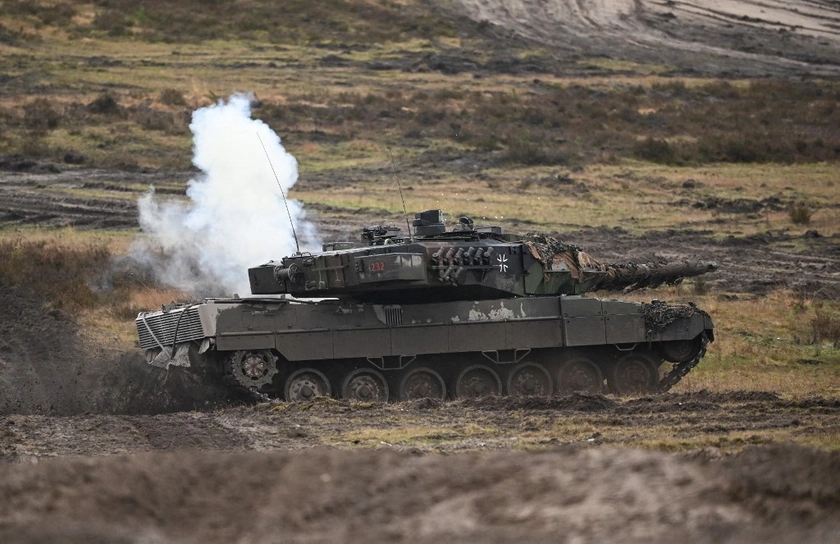
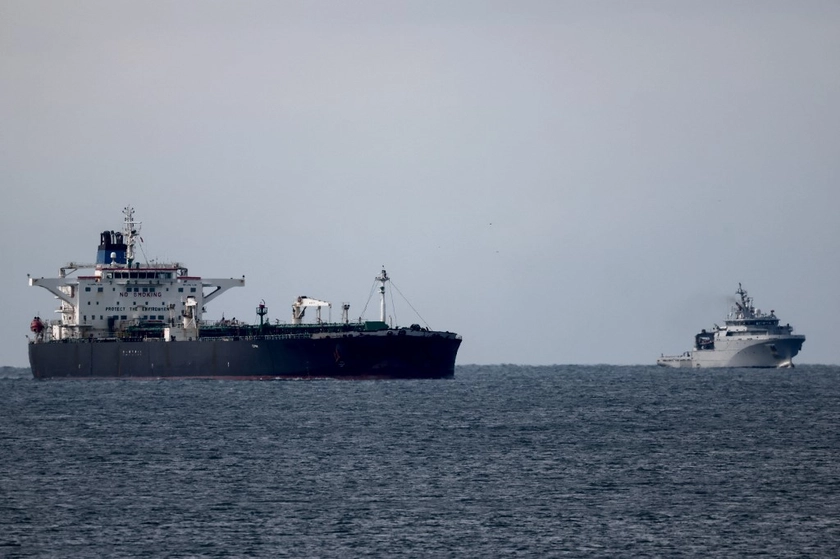
According to a Bloomberg report, a €1.35 billion ($1.6 billion) upgrade to the port in Bremerhaven is among the key projects, aimed at enabling the transportation of heavy military equipment such as Leopard tanks to potential front lines.
JOIN US ON TELEGRAM
Follow our coverage of the war on the @Kyivpost_official.
The investment reflects a broader shift in Germany’s defense posture following Russia’s full-scale invasion of Ukraine, as Europe’s largest economy seeks to position itself as a central logistics hub in the event of a conflict.
Defense Minister Boris Pistorius said the country is undergoing a “paradigm shift,” acknowledging that peace and stability can no longer be taken for granted.
However, Germany’s military lacks the capacity to manage large-scale logistics independently and is increasingly looking to private companies for support. Firms such as BLG Logistics and Fiege are preparing to provide transportation, storage, and infrastructure services.
Despite this, major obstacles remain. Aging infrastructure, including thousands of bridges in need of repair, and rigid procurement processes complicate cooperation between the military and private sector.
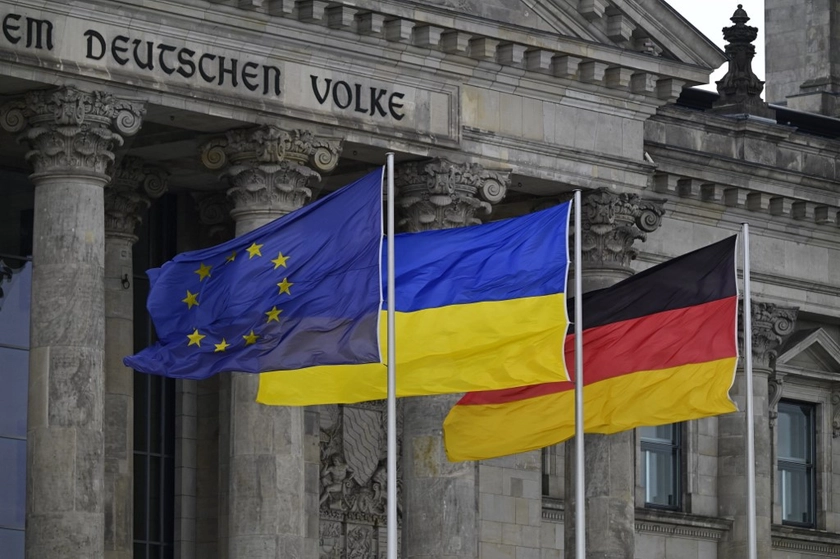
Germany’s defense system has traditionally maintained a strict separation between civilian and military structures – a legacy of the post-World War II era – but this is beginning to change as the country adapts to new security realities.
Russia Could Attack NATO One Year After Ukraine War: Dutch Govt
The shift comes amid growing concerns over Europe’s security environment, including uncertainties around US military commitments and the need for NATO members to strengthen their own defense capabilities.
On April 23, Pistorius unveiled Germany’s first comprehensive defense strategy since World War II, identifying Russia as the primary threat to European security and warning that Moscow is preparing for a potential confrontation with NATO.
He said Russia’s rearmament and military posture signal that it views force as a legitimate means to achieve its geopolitical goals.
You can also highlight the text and press Ctrl + Enter