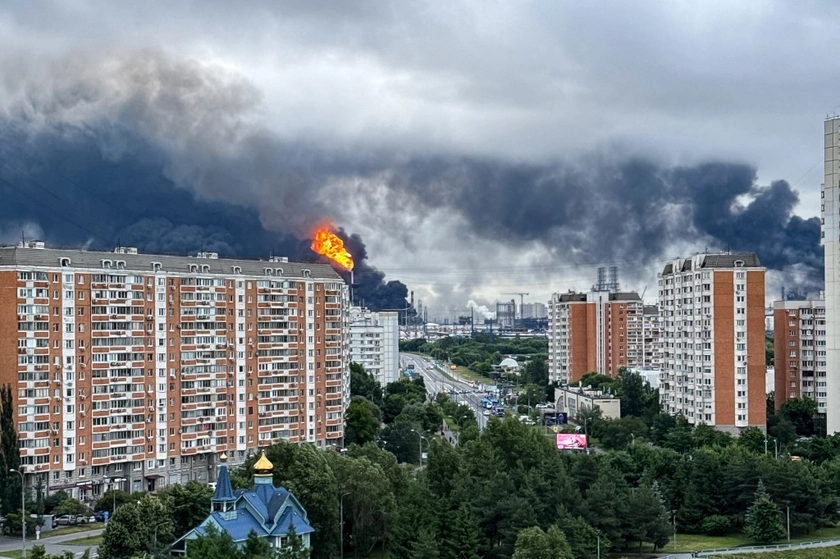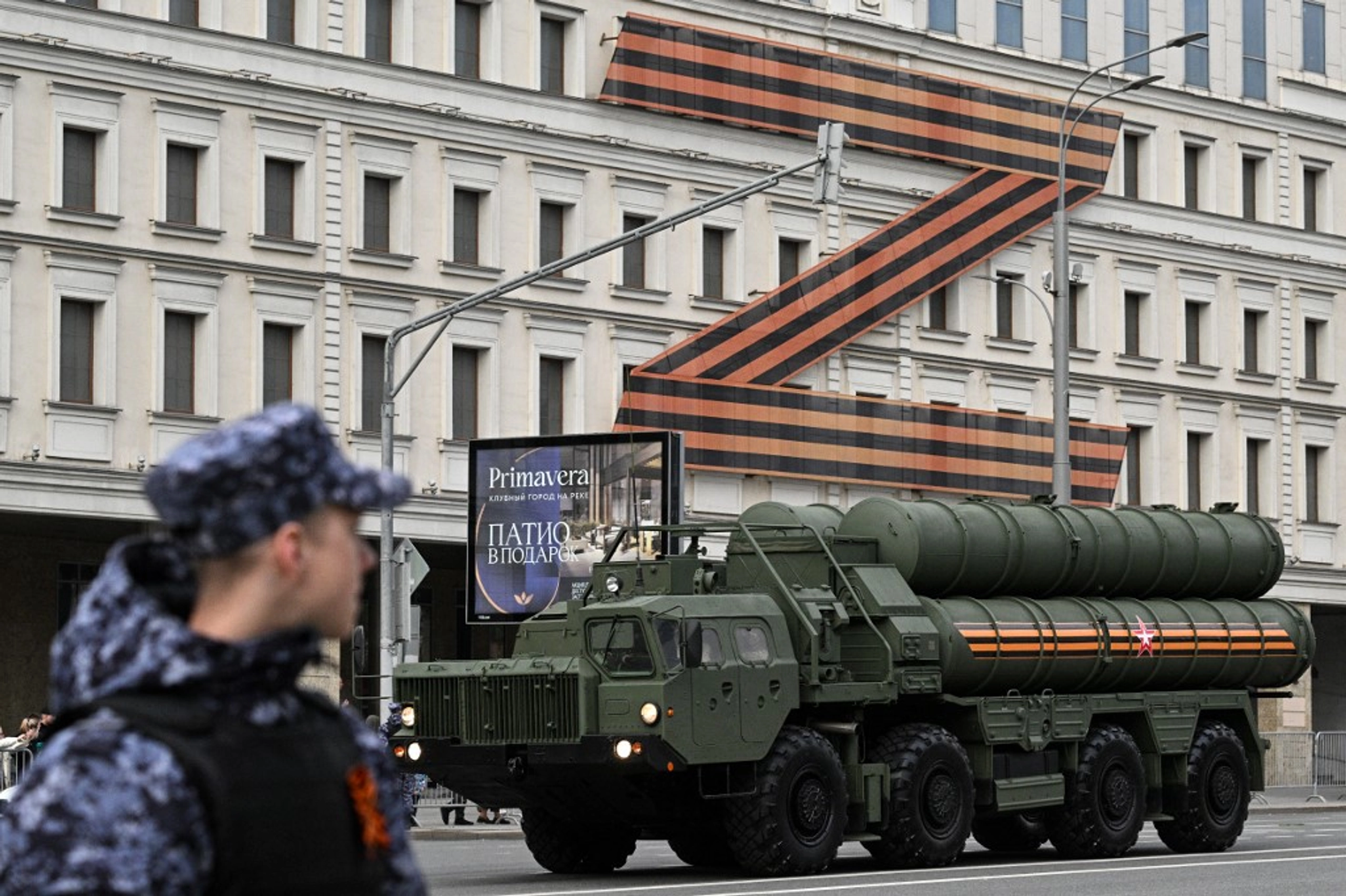
Cadets at Russian military academies are reportedly being prepared for deployment in mobile units tasked with defending oil depots and fuel infrastructure, as Ukraine’s long-range strikes continue to pressure Russia’s energy sector, according to the “ATESH” guerrilla movement.
The group said its sources among cadets at the Penza Artillery Institute report that students are being assigned to mobile units responsible for protecting key energy sites across Russia.
JOIN US ON TELEGRAM
Follow our coverage of the war on the @Kyivpost_official.
It said Russian commanders are increasingly using trainees to fill gaps in air defense and infrastructure protection, as existing systems struggle to stop repeated drone attacks.
Kyiv Post wasn’t able to verify this information independently.
ATESH said it has created a “Cadet Corps” network to communicate with cadets from different Russian military schools, claiming it receives information from within the system about military plans and deployments.
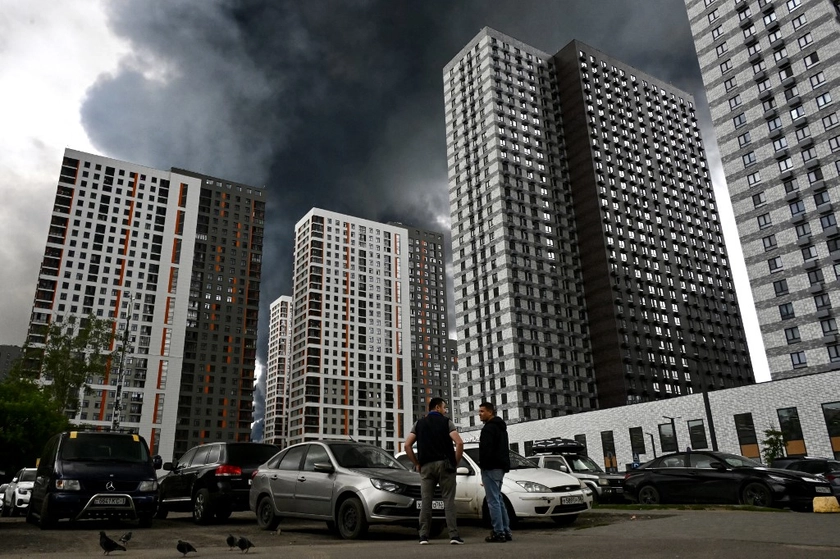
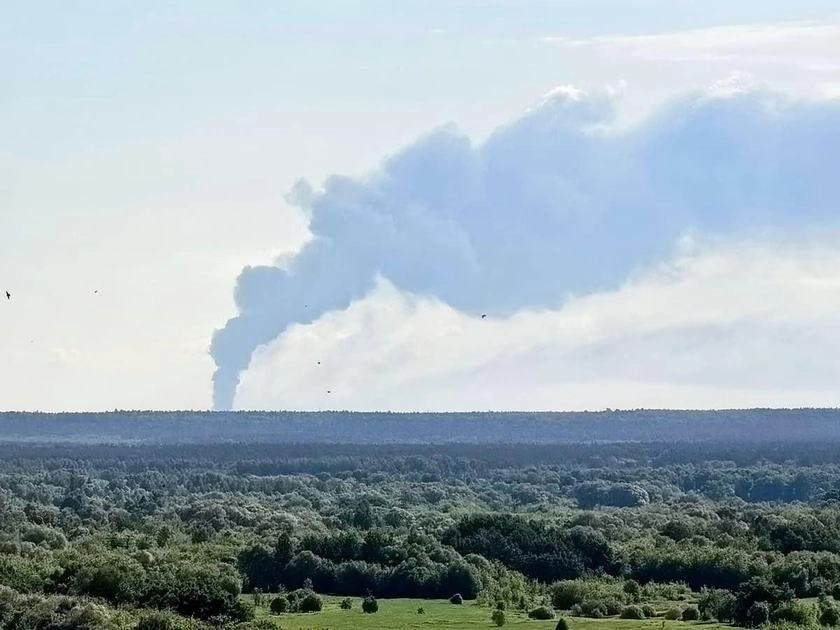
The reports come as Ukraine continues to target Russian oil and energy facilities with long-range strikes.
President Volodymyr Zelensky said on May 1 that Ukraine’s strikes have caused at least $7 billion in losses to Russia’s oil sector since the start of the year.
He said the attacks reached a “new level” in April, hitting deeper targets and causing more disruption to Russia’s energy system, including delays and reduced output.
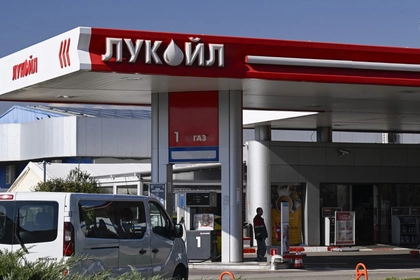
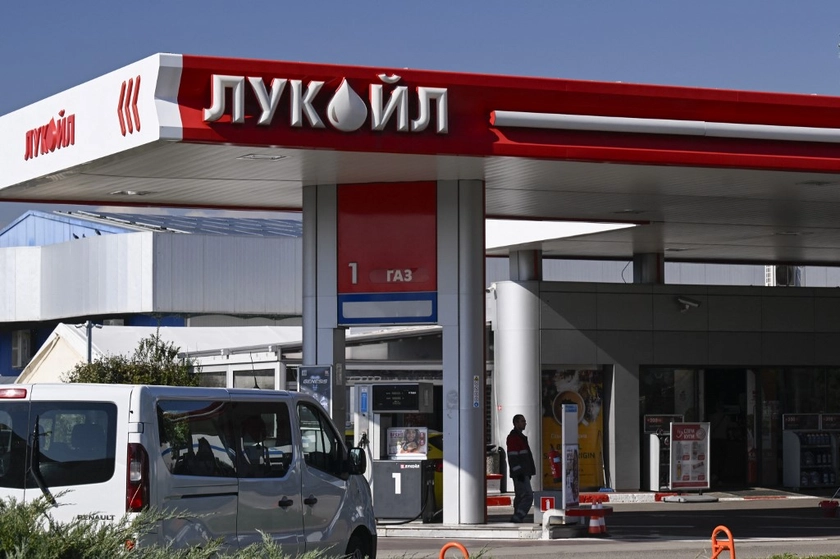
Russian Region Deploys Police at Gas Stations As Fuel Crisis Deepens
At the same time, the overall impact of Ukraine’s long-range strikes on Russia’s oil infrastructure remains difficult to assess, as Russian authorities continue to withhold full information about the situation.
An April 14 report by the International Energy Agency (IEA) on the oil market found that Russian exports of crude oil and petroleum products increased by 320,000 barrels per day compared to the previous month, reaching 7.1 million barrels per day in March 2026.
Export revenues also nearly doubled, rising from $9.7 billion to $19 billion, driven by higher prices. The IEA noted that it remains uncertain whether Ukrainian strikes in April 2026 will disrupt this upward trend.
You can also highlight the text and press Ctrl + Enter