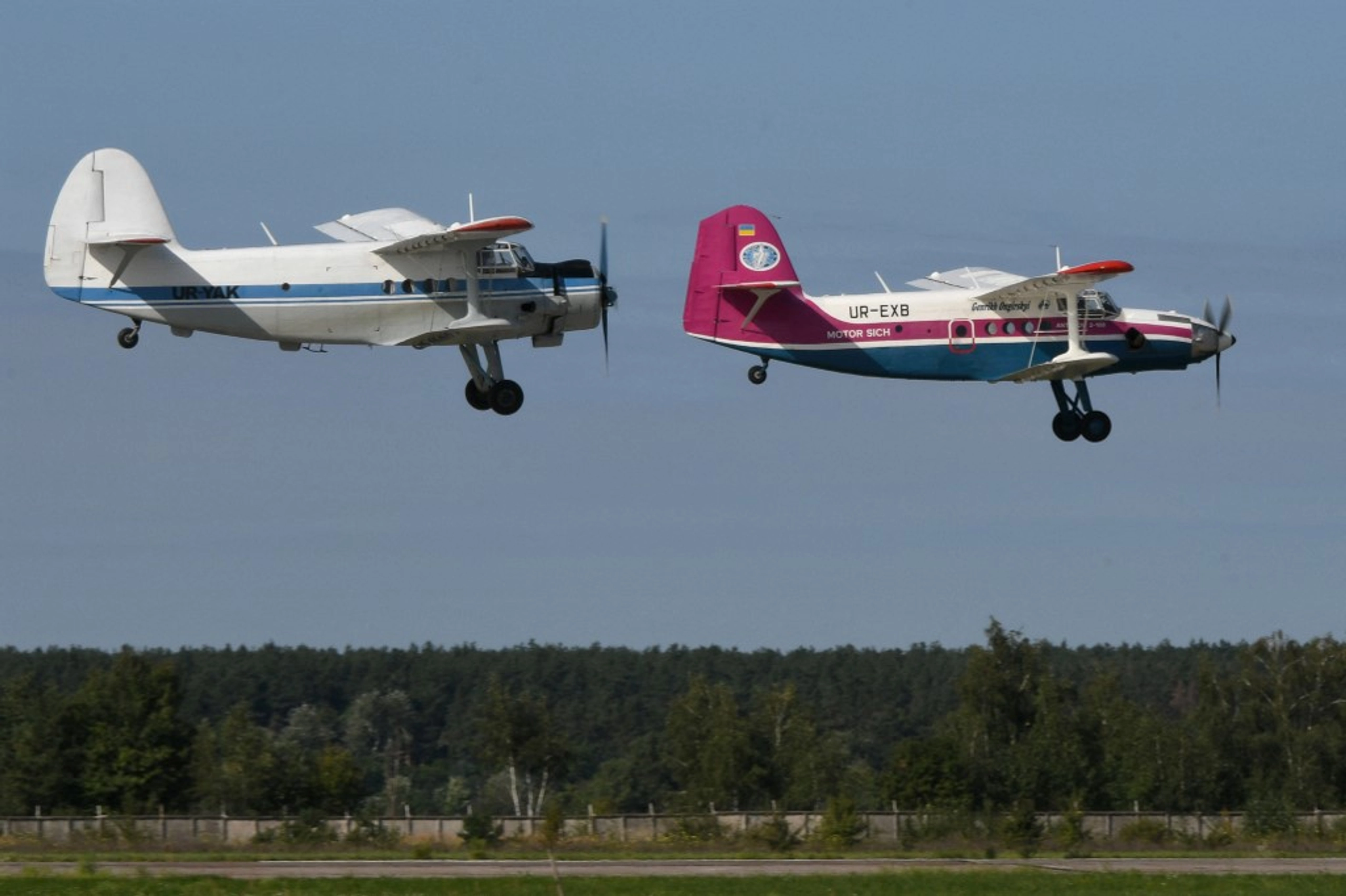
Russia is facing a shortage of aviation fuel, with small aircraft operators warning that limited supply and rising prices are making regional flights increasingly difficult to sustain.
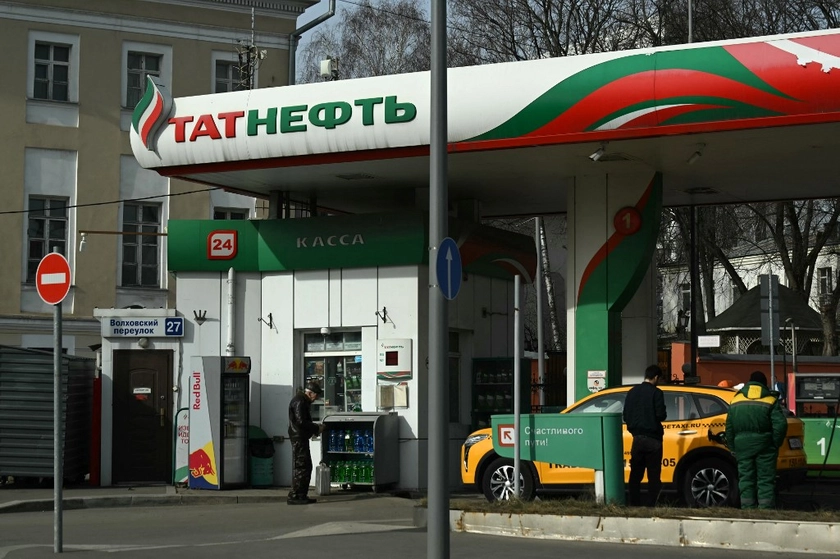
Industry groups say the problem is especially severe for aviation gasoline, which is becoming harder to find at airports and increasingly expensive where it is available.
JOIN US ON TELEGRAM
Follow our coverage of the war on the @Kyivpost_official.
The Association of An-2 operators has called for state regulation of prices for aviation kerosene and aviation gasoline, warning that rising costs and limited availability are making small aviation increasingly unprofitable, Kommersant reported.
Association president Vladimir Antonov said airlines already spend more than a third of their costs on fuel, while the share is even higher in small aviation.
In a letter to the Transport Ministry, the group said the situation is especially bad for aviation gasoline. Higher prices are forcing some operators to use car fuel, including lower-quality petrol.
Industry officials say aviation gasoline is now available at only a few airports, including Ufa and Volgograd. At most other locations, small operators must bring fuel themselves or rely on private flying clubs.
Dmitry Toropov, head of LiteAir, said availability has always been limited but is now getting worse. He warned the situation could become serious within a month.
There are also warnings about the idea of state price controls. Some industry representatives say lower fixed prices could worsen shortages if supply does not increase.
Smoke Gets in Your Eyes
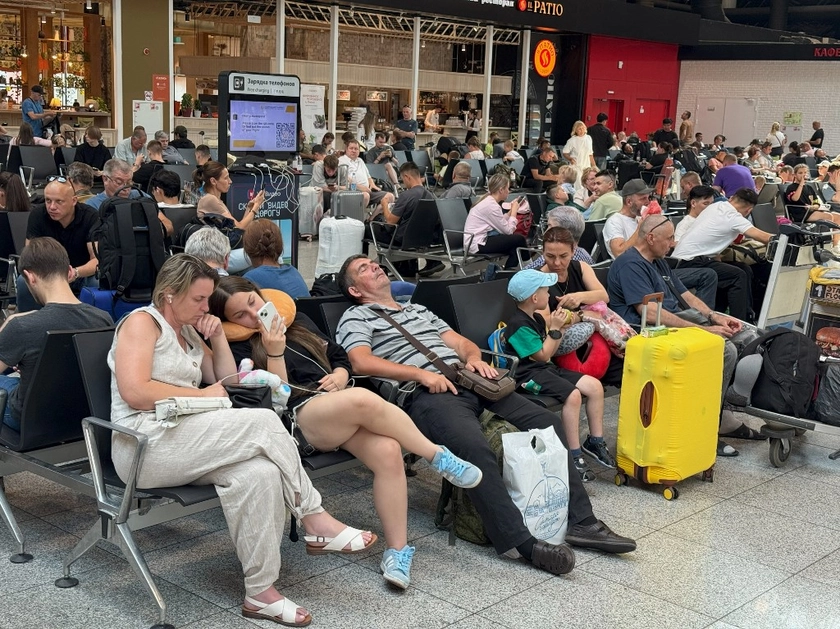
Passenger airlines are also affected. Sources at two carriers told Kommersant that since early June, some airports have stopped providing reserve fuel needed for flight changes or bad weather.
Russia has already banned exports of aviation kerosene until November 30 to stabilize the domestic market, after earlier restricting gasoline exports.
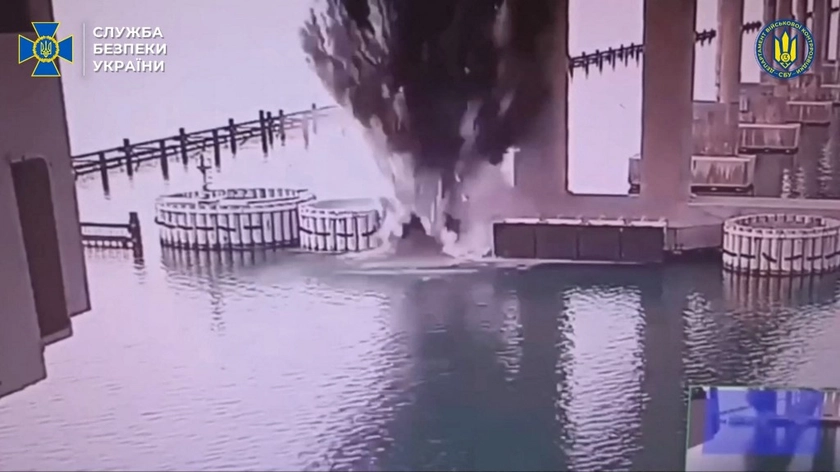
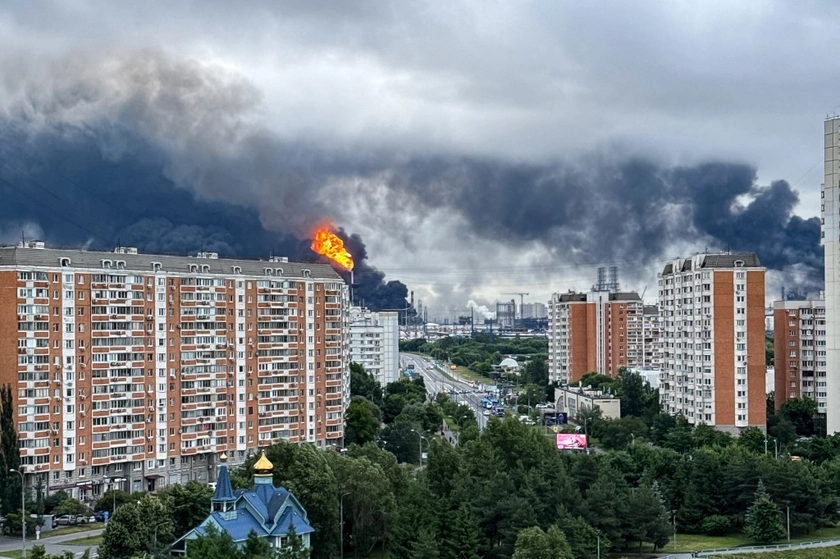
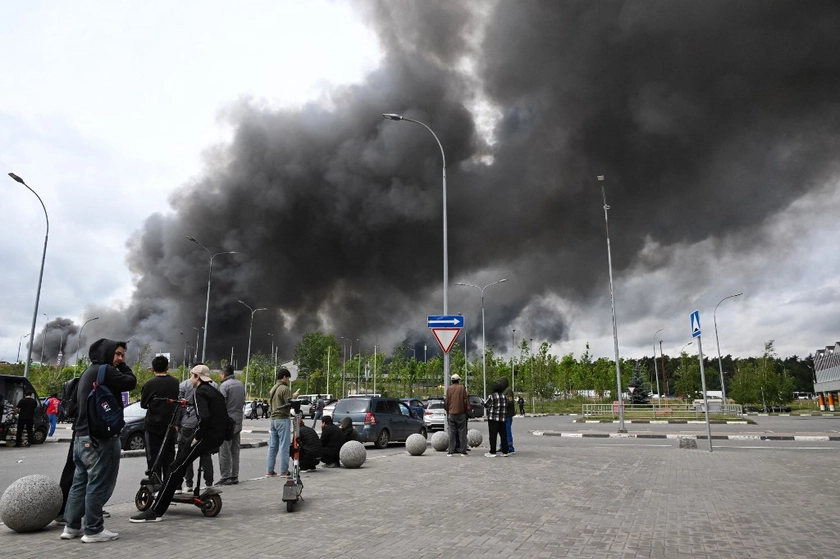
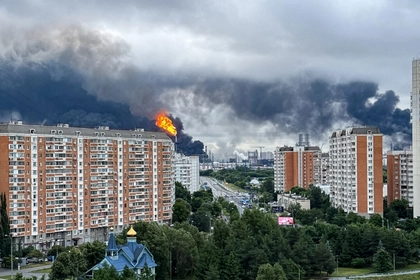
The fuel shortage comes after repeated Ukrainian drone strikes on Russian oil refineries. Industry sources told Reuters that gasoline output fell by about 25% in June compared to last year.
Key refineries in Kirishi, Moscow, Ryazan, Nizhny Novgorod, and Yaroslavl have been damaged or disrupted, affecting a large share of Russia’s fuel production.
To ease the shortage, the government has increased imports from Belarus, expanded sea deliveries, and lowered fuel standards to Euro-3.
You can also highlight the text and press Ctrl + Enter