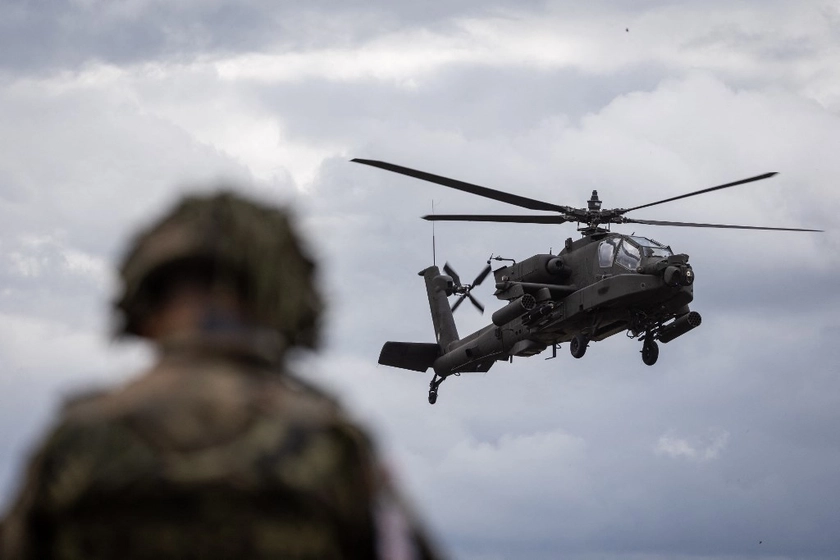
The US is preparing to formally introduce proposals to its NATO allies to drastically accelerate the withdrawal of a portion of US military forces stationed at bases across Europe, Reuters reported.
Accelerating the drawdown timeline
According to a high-level source within the Pentagon, Washington intends to present the concrete parameters of this accelerated pullout during an upcoming NATO force generation conference scheduled for June. While the exact military installations targeted by the new timeline and the precise speed of the accelerated withdrawal remain classified, the initiative follows a series of aggressive structural shifts introduced by the White House.
JOIN US ON TELEGRAM
Follow our coverage of the war on the @Kyivpost_official.
The baseline for these drawdowns was established earlier in May, when Washington announced its intention to pull 5,000 active-duty troops directly out of Germany. At the time, the Pentagon projected that the extraction process would take anywhere from six to twelve months.
The new June proposal seeks to compress that operational window significantly. Germany currently hosts approximately 35,000 American service members – representing the single largest US military contingent stationed anywhere in Europe.
Dismantling Europe’s asymmetric protection
The push to accelerate troop withdrawals coincides with a parallel, separate decision by the US to slash its deep strike capabilities in Europe – including vital naval aircraft carriers and advanced warplanes – by a staggering 50%. Military sources close to the matter have confirmed that Alexander Velez-Green, senior advisor to the under secretary of war for policy, officially briefed NATO allies on these severe structural cuts.

Europe’s Deadly Heatwave Scorches Eastern Flank, Takes Aim at Ukraine
While some components of the US footprint remain fluid – such as US President Donald Trump’s recent unilateral announcement to deploy 5,000 additional troops to Poland following the election of nationalist Polish President Karol Nawrocki – the overarching trajectory of US posture on the continent remains a steady retreat.
This strategy aligns directly with the rigid defense frameworks established in the Trump administration’s National Security Strategy and National Defense Strategy, which explicitly mandate that European nations must independently fund and garrison their own conventional frontiers.
An opportunity to step up
The rapid unraveling of predictable US security guarantees has placed the broader NATO alliance under unprecedented strain, triggering acute anxiety among some European capitals that fear a total US abandonment.
However, senior NATO diplomats view the forced transition not as an absolute setback, but as an existential turning point.
Representatives argue that Washington’s long-standing warnings regarding an inevitable pivot away from Europe present a critical opportunity for European allies to finally unify their fragmented defense markets, maximize independent military capabilities, and better calibrate localized conventional deterrence against external aggression while systematically reducing an unhealthy, decades-long reliance on American taxpayers.
Washington has given its continental partners until the high-stakes Ankara summit on July 7-8 to present a comprehensive, multi-billion-dollar strategy detailing exactly how they intend to bridge the massive structural gaps left behind by the departing US forces.
You can also highlight the text and press Ctrl + Enter