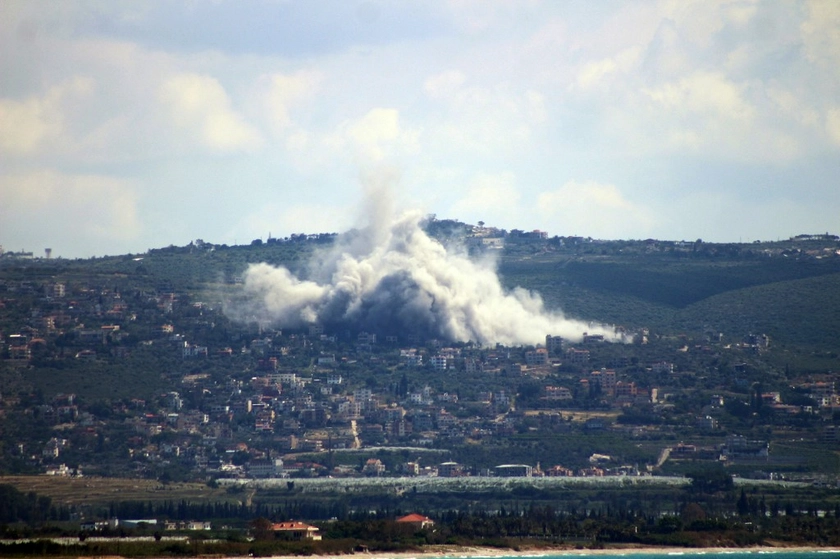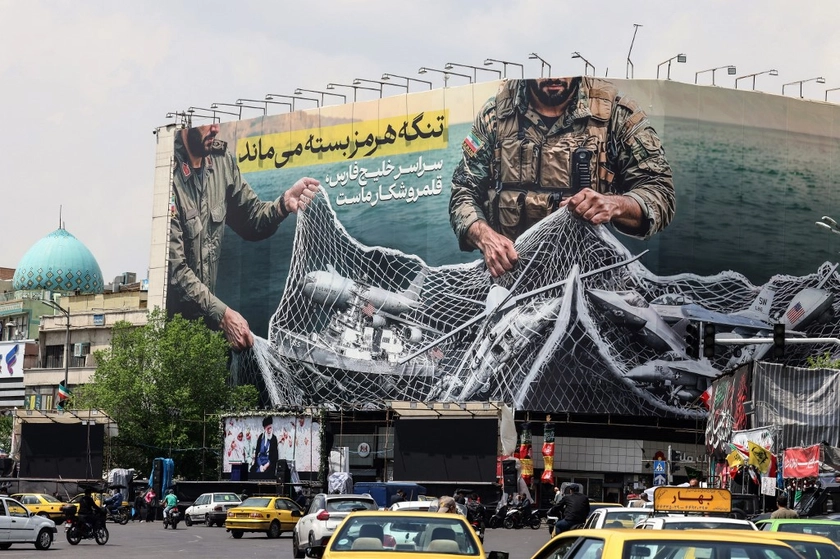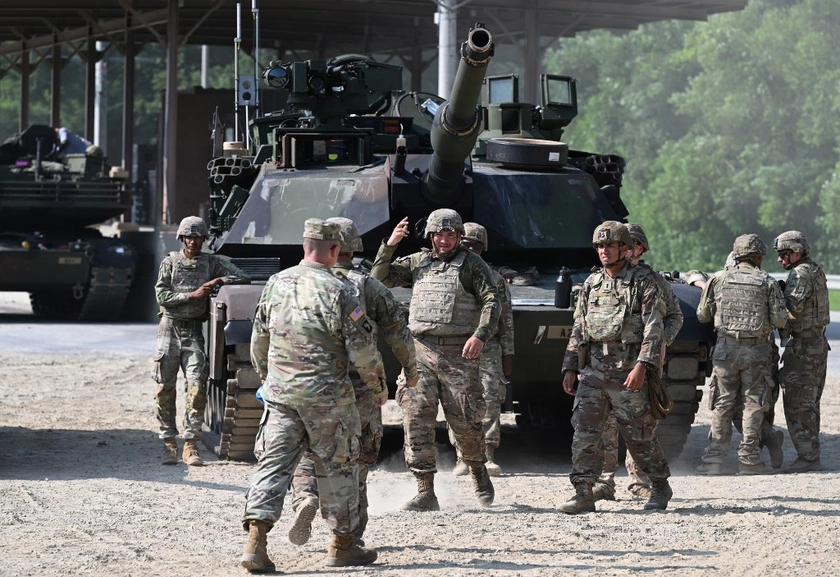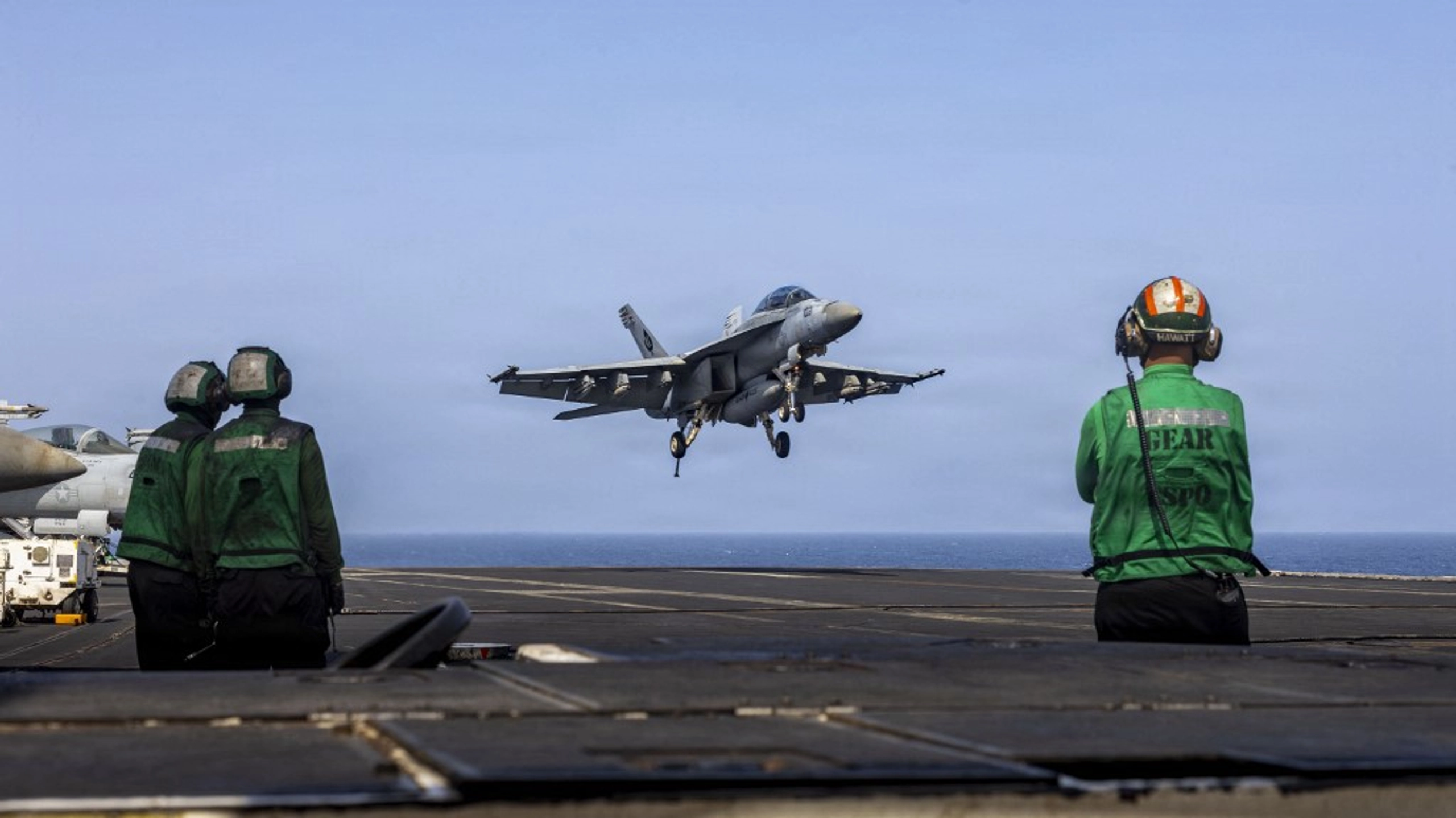
The US military has struck Iranian radar systems and drone command facilities in southern Iran in response to what Washington described as renewed Iranian aggression, escalating tensions even as a ceasefire remains formally in place.
According to US Central Command (CENTCOM), American fighter jets hit targets in the Goruk area and on Keshm Island over the weekend after what it called “aggressive Iranian actions,” including the shootdown of a US MQ-1 drone that was operating over international waters.
JOIN US ON TELEGRAM
Follow our coverage of the war on the @Kyivpost_official.
CENTCOM said the operation destroyed Iranian air defense assets, a ground control center, and two attack drones that threatened shipping in regional waters.
The US command vowed to continue defending American interests and responding to “unwarranted Iranian aggression.”
Iran’s Islamic Revolutionary Guard Corps (IRGC) offered a sharply different account, saying its forces retaliated for a US strike on a telecommunications site in Sirik, in Iran’s Hormozgan Province.
Tehran claimed it attacked the American airbase involved and destroyed ground targets, warning that future strikes would trigger a “completely different” response.
The exchange marks another flare-up between Washington and Tehran despite a ceasefire announced earlier by US President Donald Trump.
Behind the military exchanges, both sides continue discussing a possible broader agreement that would reportedly include limits on Iran’s enriched uranium program and reopening access through the strategically vital Strait of Hormuz.
US Congress Can Make Russia Pay for Its War Crimes
But recent comments from Washington suggest negotiations remain difficult, with President Trump reportedly demanding more detailed commitments on Iran’s nuclear activities.
For now, diplomacy and military pressure appear to be moving in parallel across one of the world’s most volatile flashpoints.
You can also highlight the text and press Ctrl + Enter